Not long ago, I shared something I hadn’t planned to write.
After more than three decades in corporate leadership, my career ended unexpectedly. I wasn’t looking for sympathy or trying to make sense of it in public. I was simply writing honestly about a chapter of my life that had closed before I was ready.
What happened next surprised me.
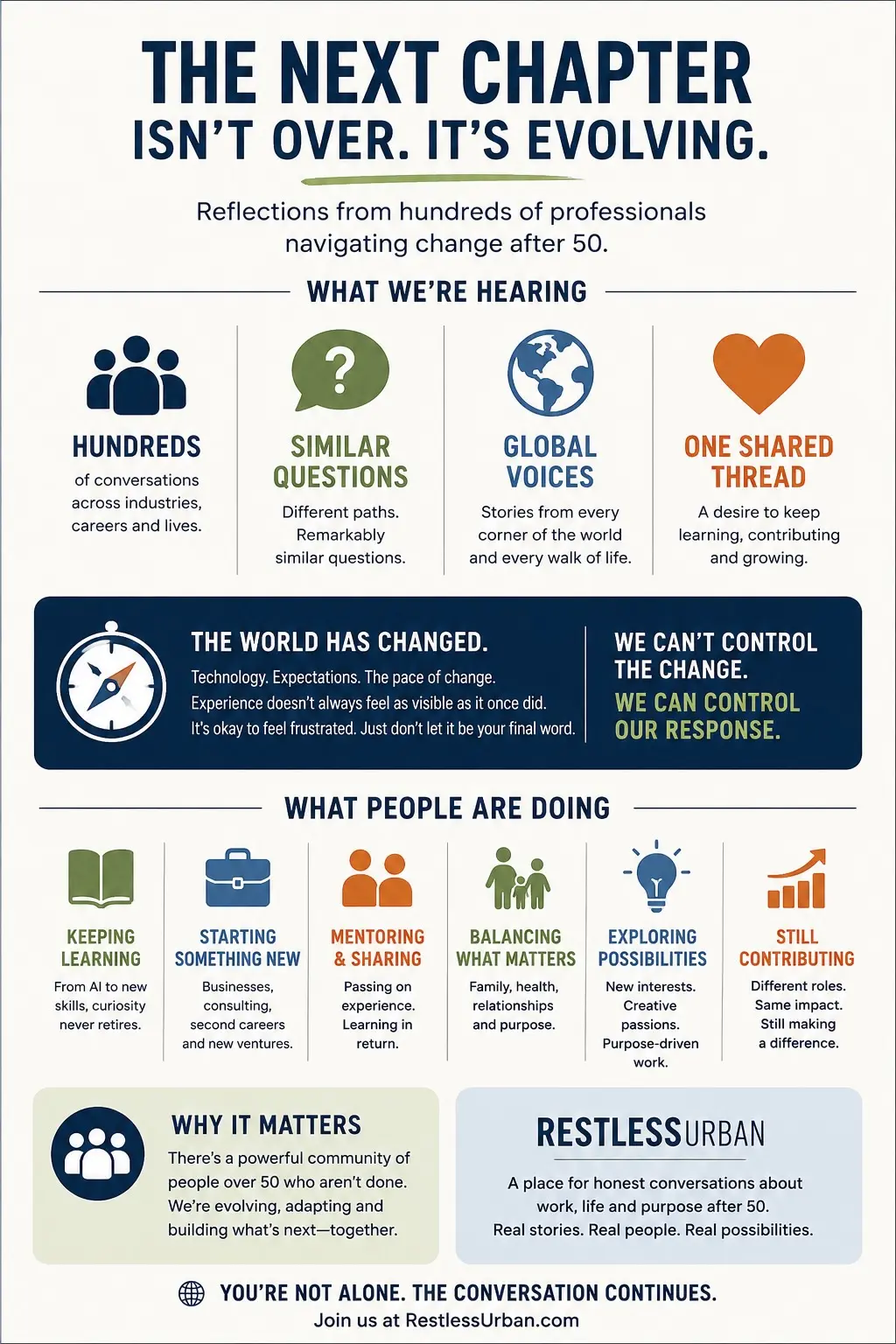
Hundreds of people reached out. Some were CEOs. Others managed teams, taught in classrooms, worked in hospitals, owned small businesses, designed software, sold products, built homes or worked in the skilled trades. Some had recently lost jobs. Others were thriving in careers they still loved but quietly wondering what the next decade might look like.
Their circumstances were different, but their questions were remarkably similar.
Where do I fit now? Does my experience still matter? How do I stay relevant when technology seems to rewrite the rules every six months? How do I keep moving forward without pretending the last thirty years never happened?
Those conversations changed how I thought about my own story. It stopped being my story.
It became clear we are living through one of the largest workplace transitions in generations, yet much of the conversation remains focused on technology instead of people. Artificial intelligence dominates the headlines, and rightly so. It will reshape nearly every profession. The quieter story, and perhaps the more important one, is how millions of experienced professionals are adapting to that change while carrying decades of knowledge, judgment and responsibility with them. That story deserves far more attention than it receives.
The Workplace Changed Faster Than We Expected
For most of our careers, experience was supposed to compound. You solved problems, developed judgment, earned trust and became more valuable because you had seen difficult situations before. That principle hasn’t disappeared, but it is no longer the only currency.
Artificial intelligence, automation and rapidly evolving business models have accelerated expectations for every worker, regardless of age. According to the World Economic Forum’s Future of Jobs Report 2025, employers expect 39 percent of today’s core workplace skills to change by 2030 as AI continues to reshape nearly every profession.
For younger professionals, constant reinvention may feel normal. For someone in their fifties or sixties, it often arrives after decades spent mastering previous transformations. Many of us have already navigated globalization, the internet, mobile technology, cloud computing, social media and digital transformation. Now we’re expected to master another revolution.
Most of us are doing exactly that. The problem isn’t our willingness to learn. It’s the assumption that learning requires us to discard everything we’ve already learned. Experience and curiosity are not opposites. The best professionals have always possessed both.
We’re Asking the Wrong Question
Much of the conversation asks whether experienced workers can keep up.
That isn’t the right question.
The better question is whether organizations are doing enough to leverage one of their greatest competitive advantages: people who combine technical skills with perspective, resilience and judgment.
Technology changes quickly. Human behavior changes more slowly. Businesses still succeed because people build trust, solve difficult problems, mentor teams and make sound decisions under pressure. Those qualities become more valuable, not less, during periods of disruption.

Change Still Comes With Loss
There is a tendency to rush toward optimism whenever careers are disrupted.
Learn AI. Reinvent yourself. Start a business. Find your purpose.
Eventually, that’s good advice.
It’s not always the right advice on day one.
Losing a career after decades of work is rarely just about employment. It affects identity, confidence, routine, relationships and purpose. It’s reasonable to feel angry. It’s reasonable to grieve. Those emotions don’t make someone resistant to change. They make them human.
What concerns me is how quickly our culture encourages people to hide those feelings and race toward the next success story. Growth doesn’t happen by pretending disappointment never existed. It happens by acknowledging it without allowing it to become your permanent address. There is an important difference.
The Data Doesn’t Match the Narrative
For years we’ve been told that life after fifty is primarily about slowing down.
The data tells a far more interesting story.
Millions of adults over fifty remain active in the workforce, whether by choice, financial necessity or a desire to continue contributing. They represent one of the fastest-growing groups of entrepreneurs in North America while contributing trillions of dollars annually through work, investment, caregiving, volunteering and consumer spending.
This isn’t a generation quietly exiting the stage. It’s a generation redefining what the second half of life can look like. Yet much of our public conversation still frames aging as a problem to solve rather than an opportunity to embrace.
Perhaps that’s why so many people reached out after my article. They weren’t asking how to retire. They were asking how to keep contributing. Those are very different conversations.
Experience Is Still a Competitive Advantage
One misconception continues to surface whenever we discuss experienced professionals.
That experience makes people resistant to change.
My experience has been exactly the opposite.
The most adaptable people I’ve worked with over thirty years weren’t necessarily the youngest. They were the most curious. Curiosity isn’t a function of age. It’s a decision.
The professionals who continue to thrive ask better questions. They mentor younger colleagues while learning from them. They understand technology without worshipping it. They appreciate speed while recognizing that wisdom often arrives more slowly.
Artificial intelligence can summarize information in seconds. It cannot replace perspective earned through decades of leading people, managing crises, navigating uncertainty and understanding the consequences of difficult decisions.
Those qualities still matter.
I would argue they matter more than ever.
The Rise of the Second First Act
One pattern appeared again and again in the messages I received.
People weren’t trying to recover the careers they had lost. Many were trying to build something they had postponed for years. Some were consulting. Others were teaching, writing, launching companies, serving on nonprofit boards or moving into entirely different industries.
For some, the change was born out of necessity. For others, it finally felt like permission. Not permission to reinvent themselves. Permission to become more fully themselves.
There is a meaningful difference. Reinvention suggests the past has little value. Growth builds on what came before. The best second acts rarely erase the first. They depend on it.
What Comes Next
Perhaps that’s what has stayed with me most.
Not the statistics.
Not the headlines.
The conversations.
They reminded me that uncertainty is far more common than we admit. So is hope.
People over fifty aren’t looking for another list of life hacks or productivity tips. Most have lived long enough to know there are very few universal answers. What they’re looking for is honest conversation about work, health, relationships, money, technology, family, purpose and identity. The subjects that become more interesting, not less, as we grow older.
That’s why I started RestlessUrban. Not because I believed I had the answers, but because I suspected there were millions of thoughtful people asking better questions than anyone seemed interested in discussing.
The response over the past few weeks confirmed that suspicion. This community isn’t forming around nostalgia. It’s forming around possibility. Not the loud optimism that dominates social media, but the quieter kind. The kind that acknowledges disappointment without surrendering to it. The kind that understands experience remains an asset, curiosity remains a competitive advantage and meaningful work doesn’t have an expiration date.
Artificial intelligence will undoubtedly reshape the future of work.
But it will not define it alone.
The future will also be shaped by experienced people who continue to learn, mentor, create, adapt, question and contribute. They aren’t asking for permission to remain relevant. They’re already proving they are.
Perhaps it’s time the rest of us started paying closer attention.
More From the Flip the Script Collection
The rules of work have changed. Why do we still believe our best work is behind us?
Explore why success itself may be the hardest habit to leave behind.
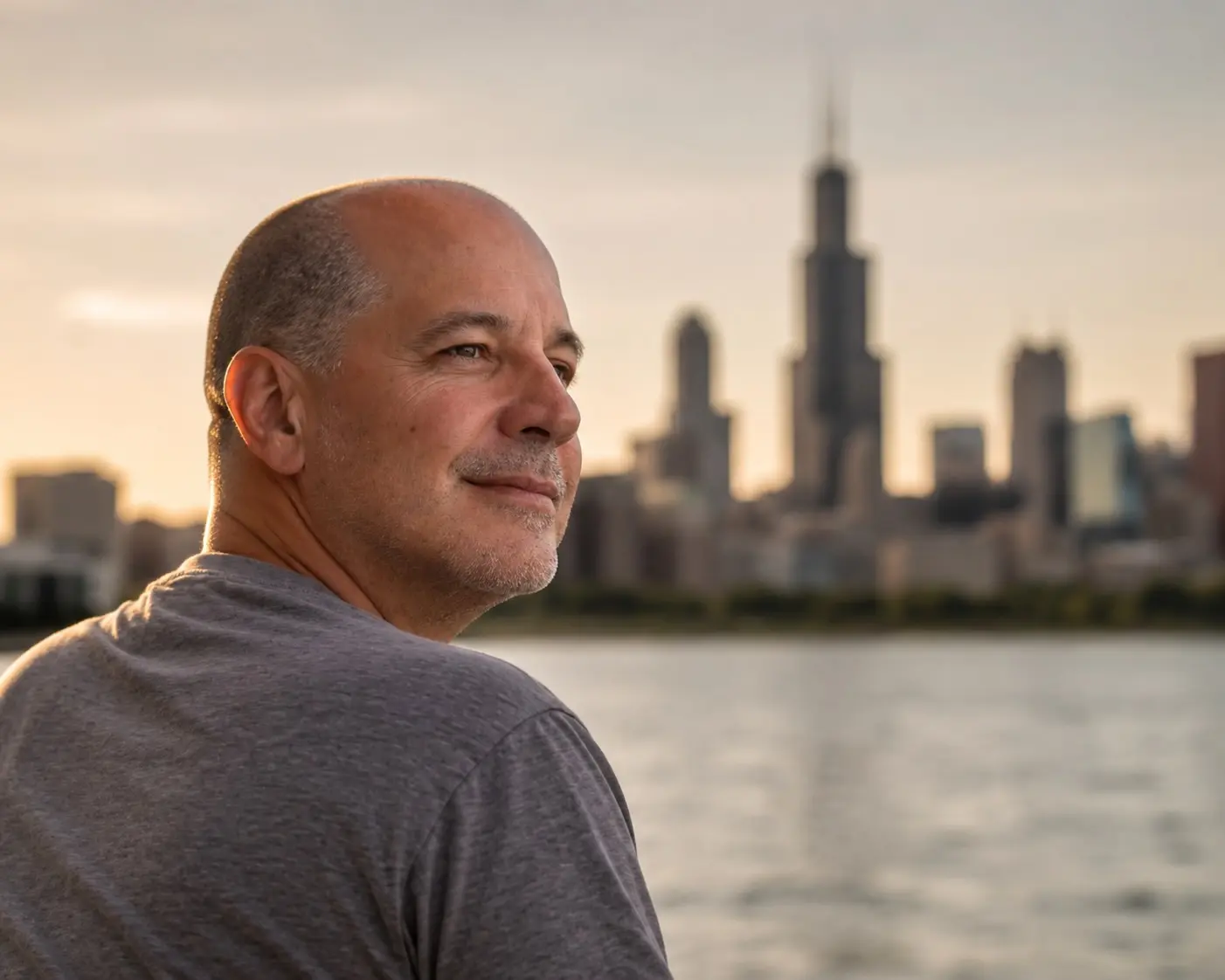
When a career ends, what remains? One executive’s journey from approval to authentic confidence.
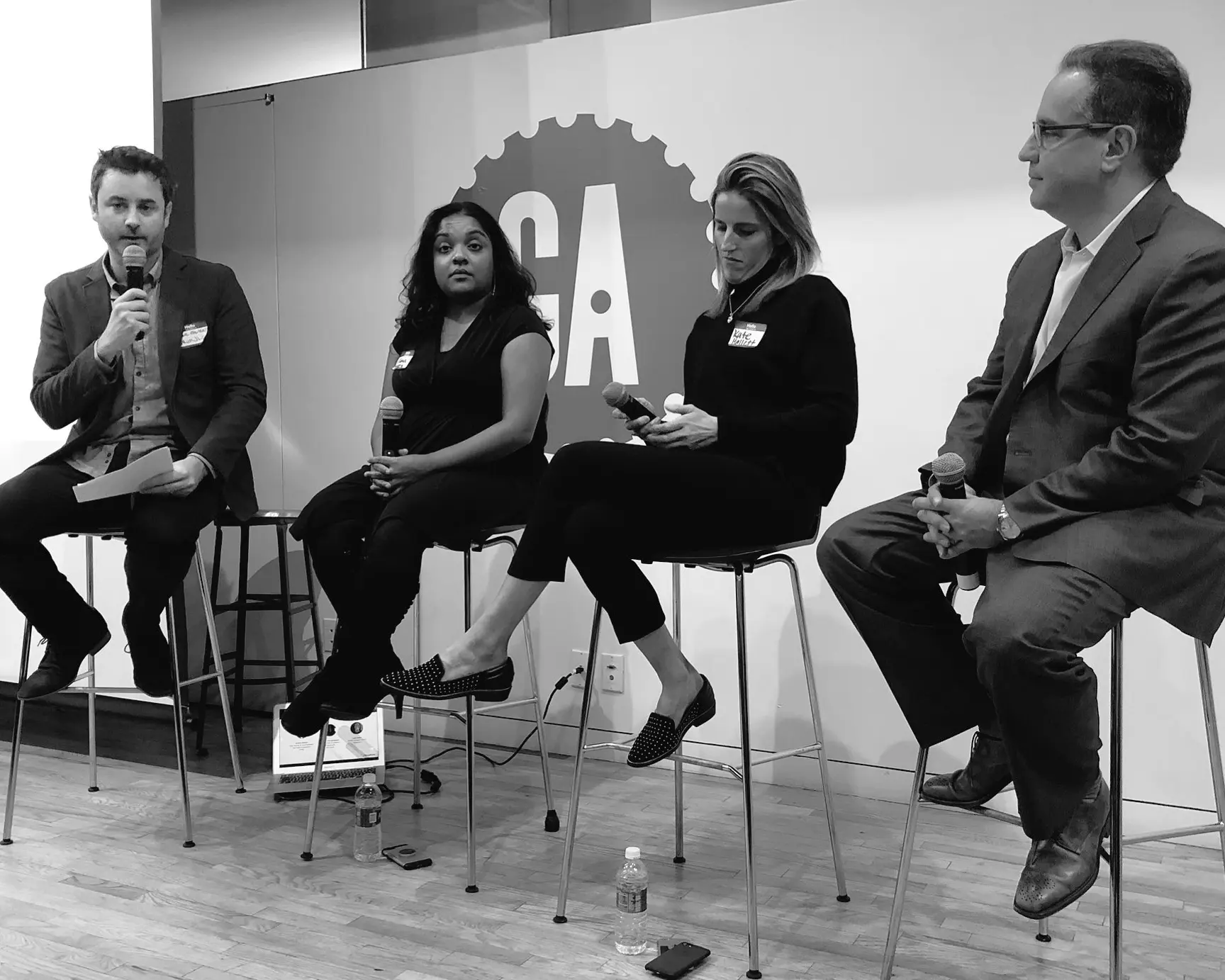
A personal reflection on aging, curiosity, and why experience still matters in the future of work.
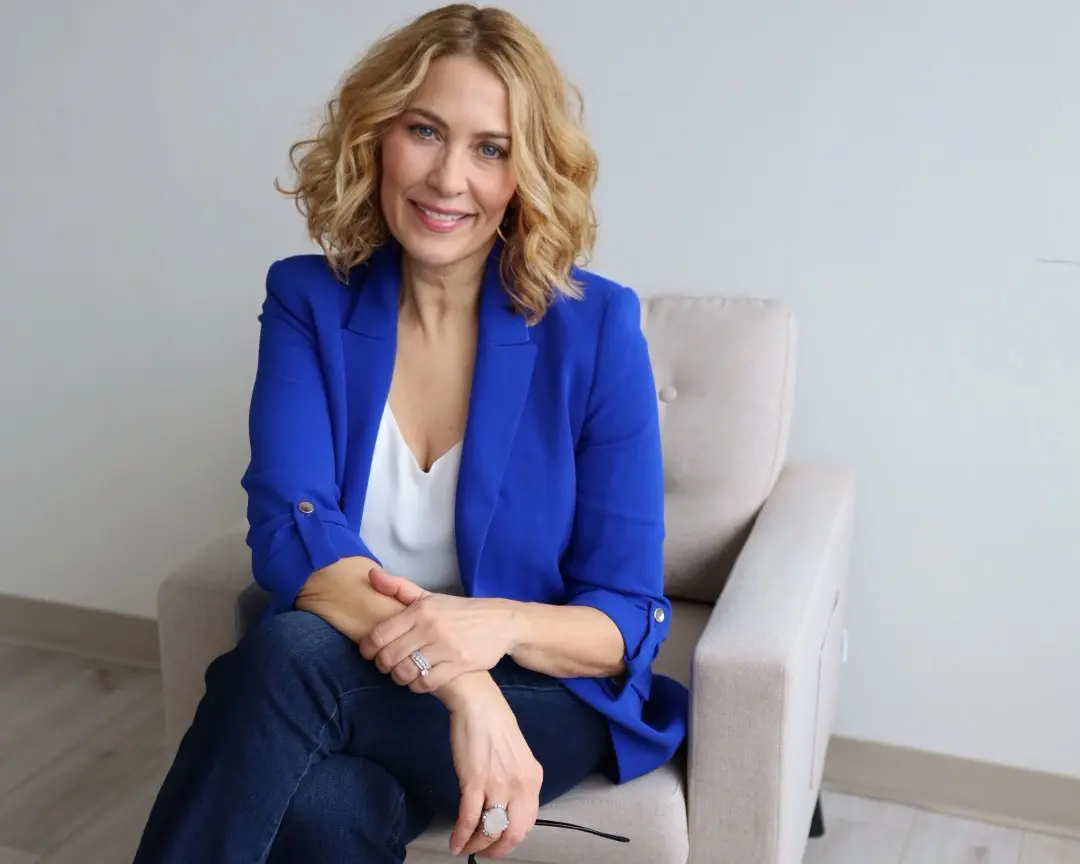
What happens when the life you built no longer fully reflects who you’ve become?
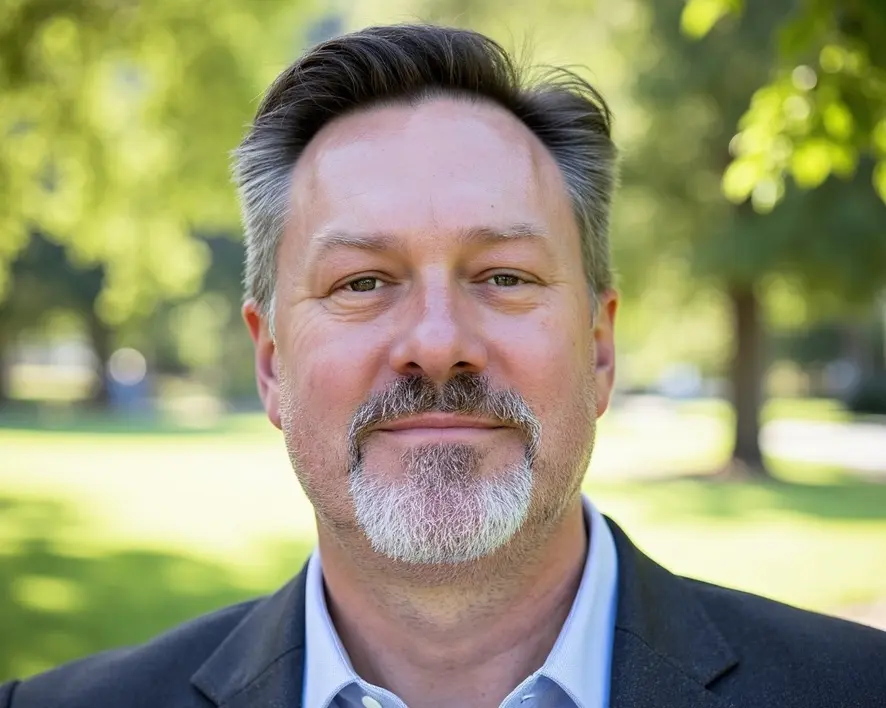
After decades chasing momentum, Aaron Strout found success answered fewer questions than expected.
A conversation inspired by Geoff Curtis’s Embracing Your Own Purgatory and the search for purpose after 50.
Bob Pearson shows how staying curious turns experience into leverage, impact, and freedom.
Charlene Wheeless shows how choosing visibility becomes an act of impact, not performance.

Reinvention after 50 isn’t about bravery alone. It’s about money, experience, and knowing when the math works.

Three paths. Real stories. See how people over 50 navigate change, purpose, and possibility on their terms.
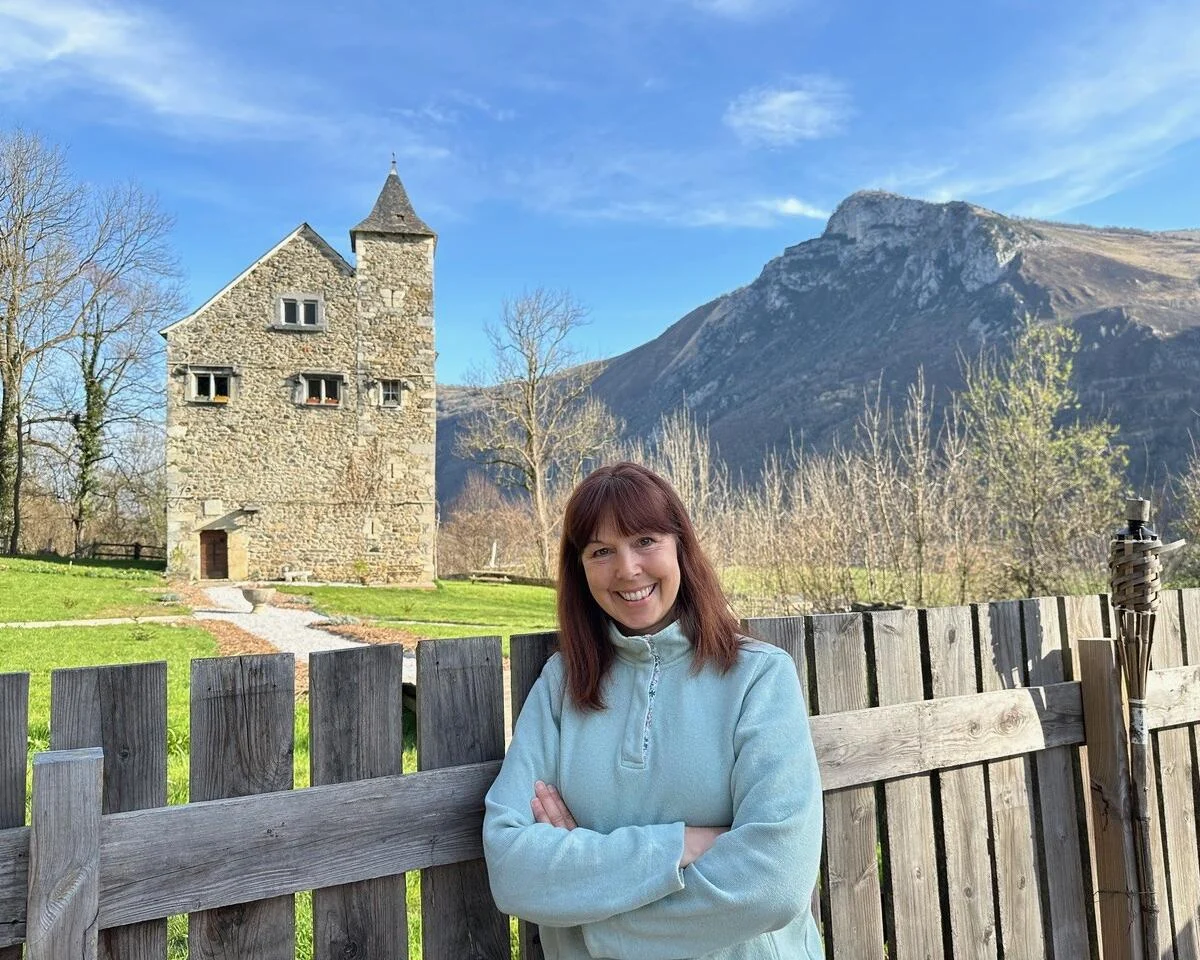
A milestone birthday, a pandemic, and a château spark an unexpected second act in France.
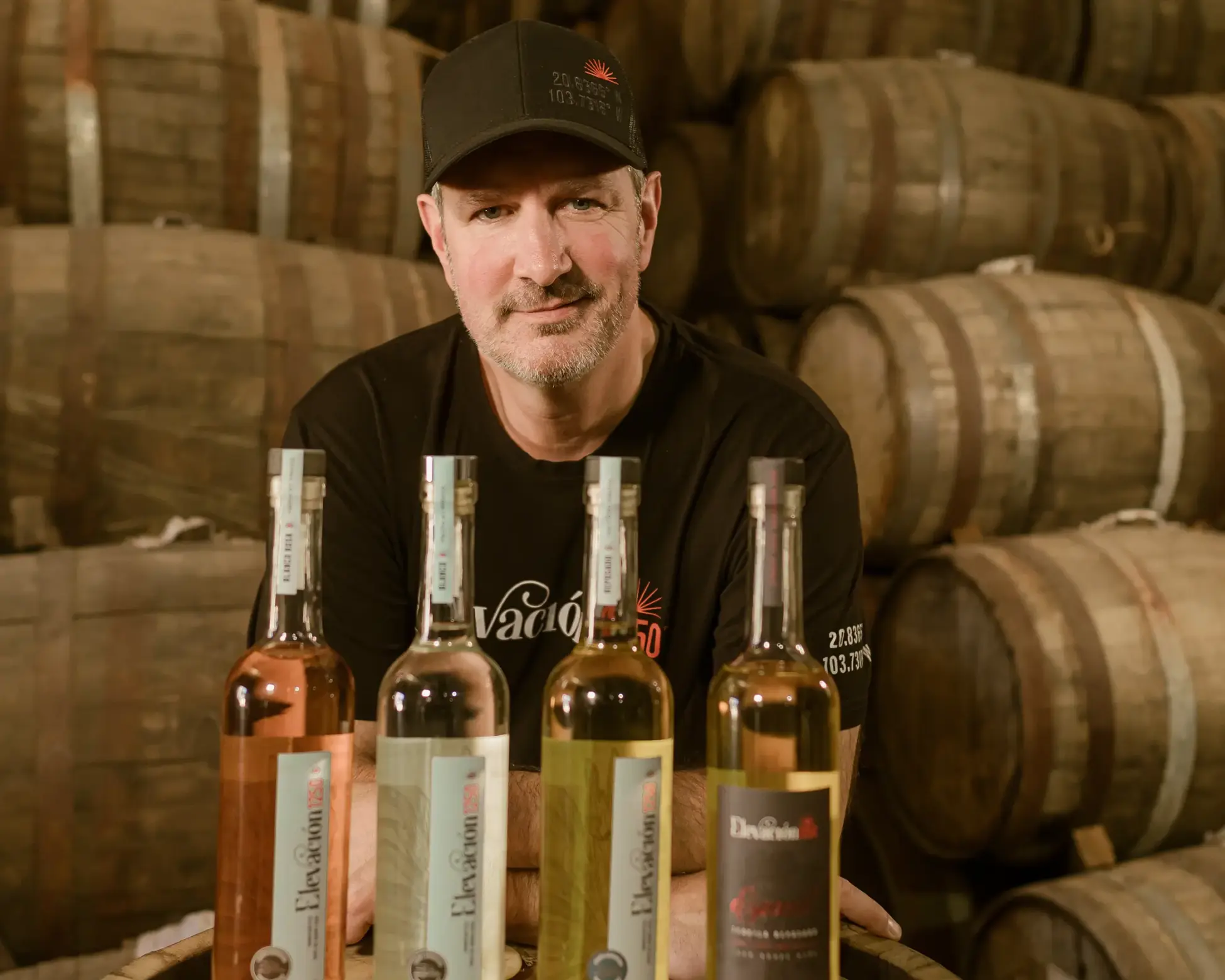
One marketer’s journey from misunderstanding tequila to honoring its heritage becomes his second act.
When the next title stops mattering, one CMO changes the scoreboard and bets on Gen X.

From billion-dollar boardrooms to boutique jam making, one leader redesigns work to finally serve life.
At 58, he walked away from corporate certainty to build a handmade future, one printed card at a time.

A startup leap at 52 changed everything. Scott Morris proves reinvention after 50 is messy, brave, and worth it.

Flip the Script is our new series spotlighting real stories of reinvention, freedom, and choice after 50.

Feeling stuck at 50, Paul Sutton found purpose in helping men speak honestly. His journey proves no one is alone.

How trusting her intuition led to building a mission born from crisis.