Embracing Your Own Purgatory After 50
What happens when your career ends and your identity goes with it? For many adults over 50, the transition out of work is not just financial. It is deeply personal. It raises a harder question that most people avoid. Who are you without the work?
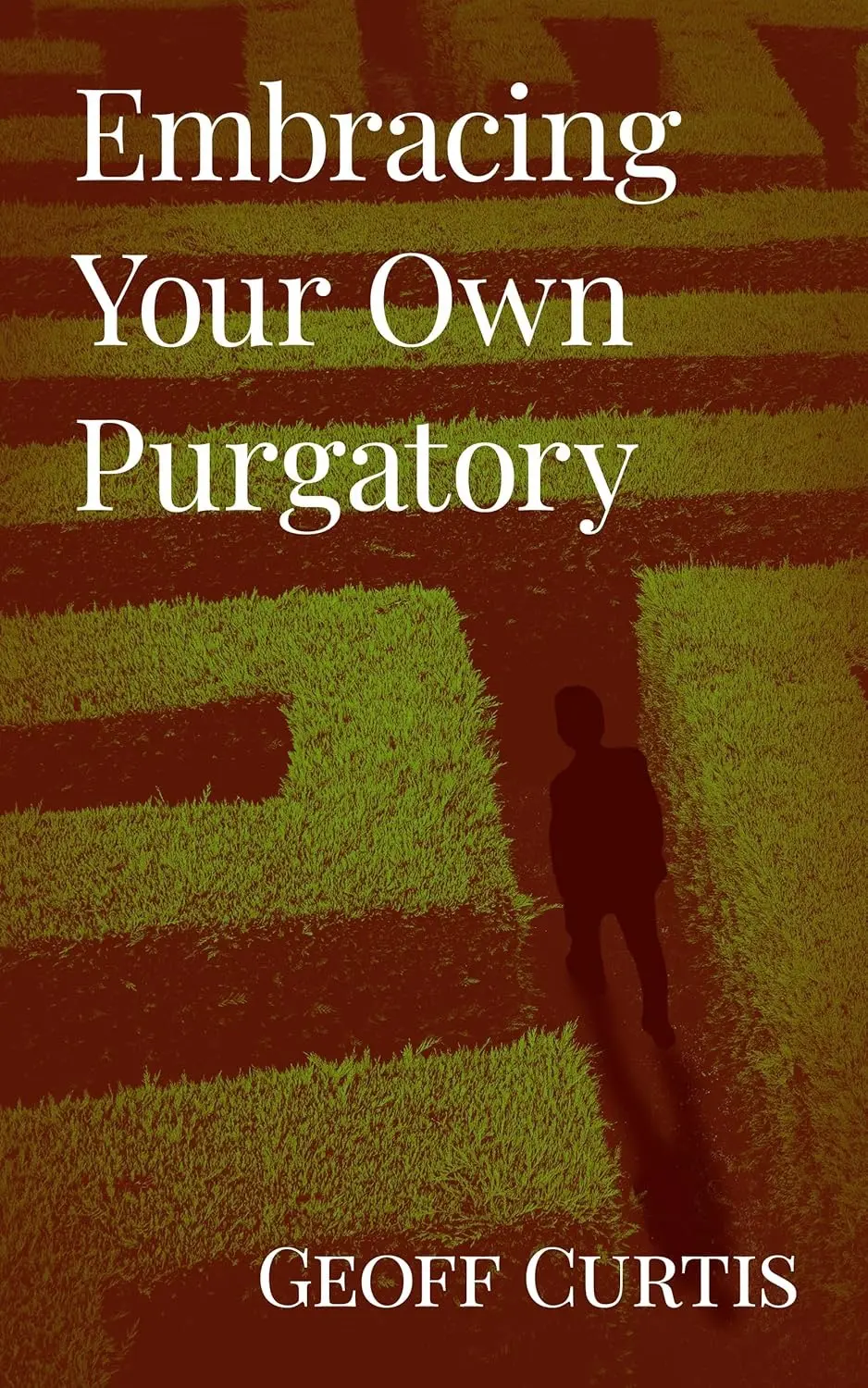
That question sits at the center of Embracing Your Own Purgatory, a new book by Geoff Curtis, which explores what happens when identity, achievement, and purpose collapse all at once.
Geoff Curtis’s father was dying. In one of their last conversations, they sat cataloging bank accounts and passwords, making sure everything was in order, fixing things. “Was I really being useful or was I just doing what I knew how to do?” he now asks.
He was 32 and had spent his entire adult life believing that doing was the same as being present. That pattern did not live only at the office. It showed up everywhere, in the hospital room, on the phone, and at the dinner table. That question runs through his new book. Curtis, now 51, spent nearly 30 years in PR and communications, the last five as a chief communications officer. For three decades, outworking everyone was the only way to feel safe. When his company was acquired in November 2023, that identity vanished.
The Identity Crisis After Career Loss
For many people over 50, losing a job is not just about income. It is about losing identity, structure, and purpose. This is not theoretical. It is increasingly common as midlife job loss and career transitions collide with longer life spans and shifting definitions of work.
To Geoff, purgatory is what comes next after the identity disappears. It is the disorienting space where the old version of you is gone and the new one has not shown up yet. If you have checked your work email at 7:30 a.m. on your first Monday of retirement, you know exactly what he means.
The Armor You Do Not Know You Are Wearing
About a month before his corporate exit, Geoff joined the Leadership in Society Initiative at the University of Chicago. Nineteen strangers, mostly retired. He walked in expecting to let go but found himself competing with people who had no idea who he was. “I did not know I had this thick suit of armor until I stepped into a setting that was not my industry, not my company,” he told me. “These were people who did not know me, did not care what I had done. And I had my guard up.”
A year earlier, he had asked a Fortune 50 CCO how long before he would become irrelevant. “Maybe a year, year and a half,” came the answer. After the fellowship, the busyness returned. Consulting clients, LinkedIn updates, the familiar rhythm of staying in motion. By late 2024, he was depressed.
Writing From Inside the Mess
The title came first. A founder at Manuscripts Press caught Geoff using the word purgatory in a first conversation, a word he did not remember saying. He began taking long walks through his suburban Chicago neighborhood, dictating into his phone, story by story, knowing that sitting at a desk would slow him down with perfectionism.
A year of walking and editing produced the manuscript. “Ten times more powerful than anything I had done in therapy,” he said. There are no frameworks, no five-step plans, and no triumphant after story. He wrote this from inside the mess, and that is where the book lives. “I am still in it. I do not know what I am doing or where I am going, but I am trying to figure it out.”
On the page, that means questions instead of answers. He breaks purgatory into four kinds, identity, expertise, purpose, and achievement, and most of us are sitting in at least one. The hardest question is not whether you are wrapped up in your work identity. Most people already know they are. It is the one underneath.
How did I get this wrapped up, and when did it start?
His trail led back to bagging groceries at 16, where productivity first became a proxy for worth. He realized that productivity is not the same as progress, and that some of his most productive years were actually sophisticated avoidance. Therapy had not gotten him there. The fellowship had not gotten him there. Walking in circles around his neighborhood at 51, recording stories about wearing a suit that no longer fit and a father he did not sit with long enough, did what nothing else had.
“I finally got to the point where I understood myself,” he told me, describing a clarity that extended into his relationships. Clearer with his wife. Clearer with his friends. Still working on it, but no longer willing to miss the moments he missed before.
What Winning Looks Like Now
He clears Thursday and Friday afternoons, something that would have been unthinkable before. A few weeks ago, he and his wife sat at a restaurant on a Thursday afternoon and talked about nothing in particular. “Glorious,” he says.
On LinkedIn, he used to post name badges and award photos to paper over the fear of irrelevance. Now he writes about his father and about not cracking the code between meaningful work and the need to stay busy. What comes back are messages that begin the same way. “I do not know if you knew this about me, but…” followed by honest accounts of bankruptcies, health scares, and second or third careers. The quiet part, out loud.
If you are in your fifties or sixties and any of this feels uncomfortable, that is the point. The version of you who was useful for 30 years is mostly out of a job, and the new one has not introduced herself yet.
Geoff’s assignment is simple. Take three hours away from the laptop. Have lunch with someone you love. Go for a walk with no destination. Then ask what you gained, and whether you thought about work the whole time. That gap is where the next version of you begins to show up.
Embracing Your Own Purgatory is available now.
If it lands, tell us. And if you are navigating life after a long career, you are not alone.
You are just early.


More From the Flip the Script Collection

The casualties aren’t just adults over 50. They’re the companies who missed the memo.

Losing a job after 50 shouldn’t mean reinventing who you are. Maybe it’s the system that needs to change.

The rules of work have changed. Why do we still believe our best work is behind us?
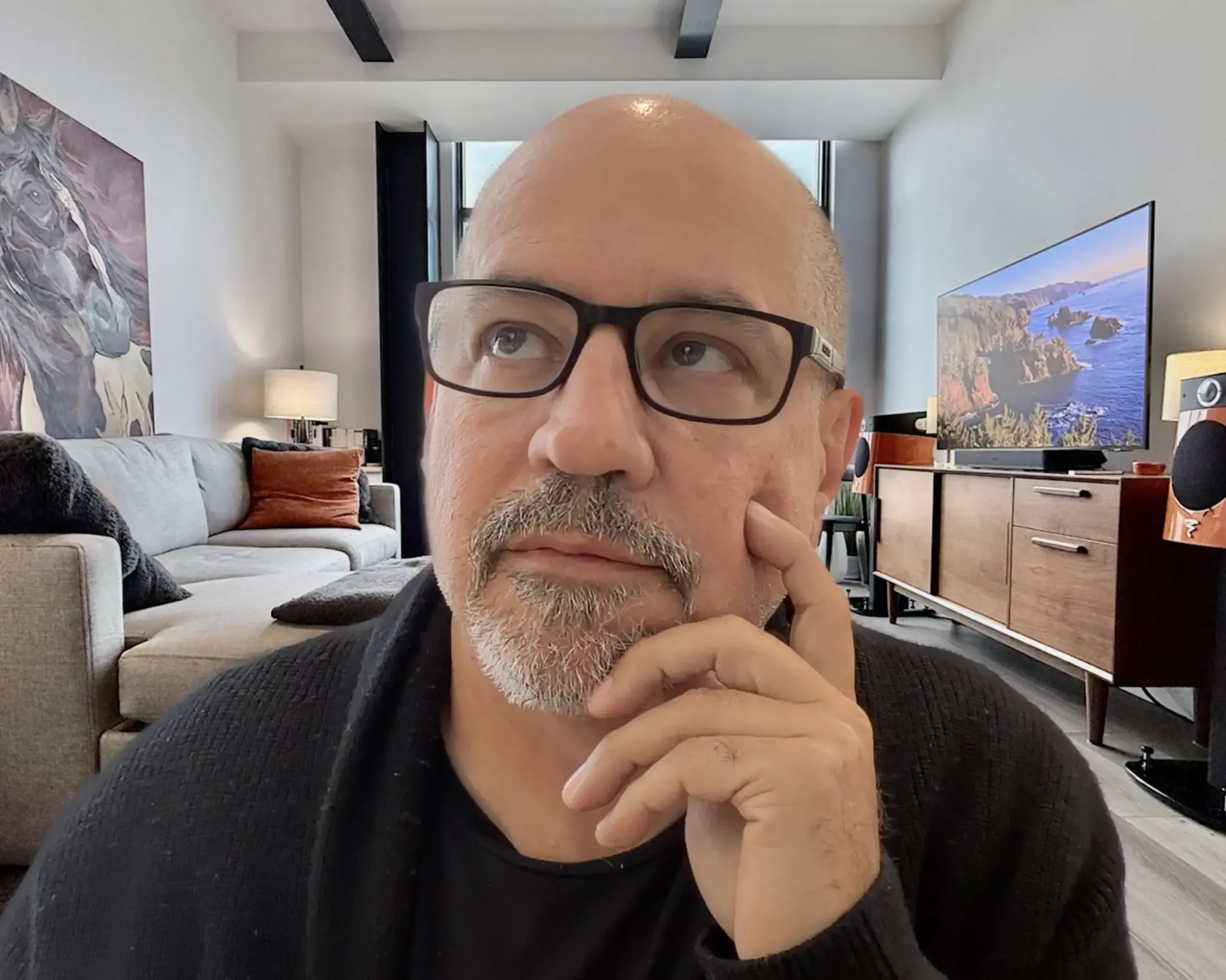
The rules have changed. Read why millions of experienced professionals are redefining work, purpose and what’s next
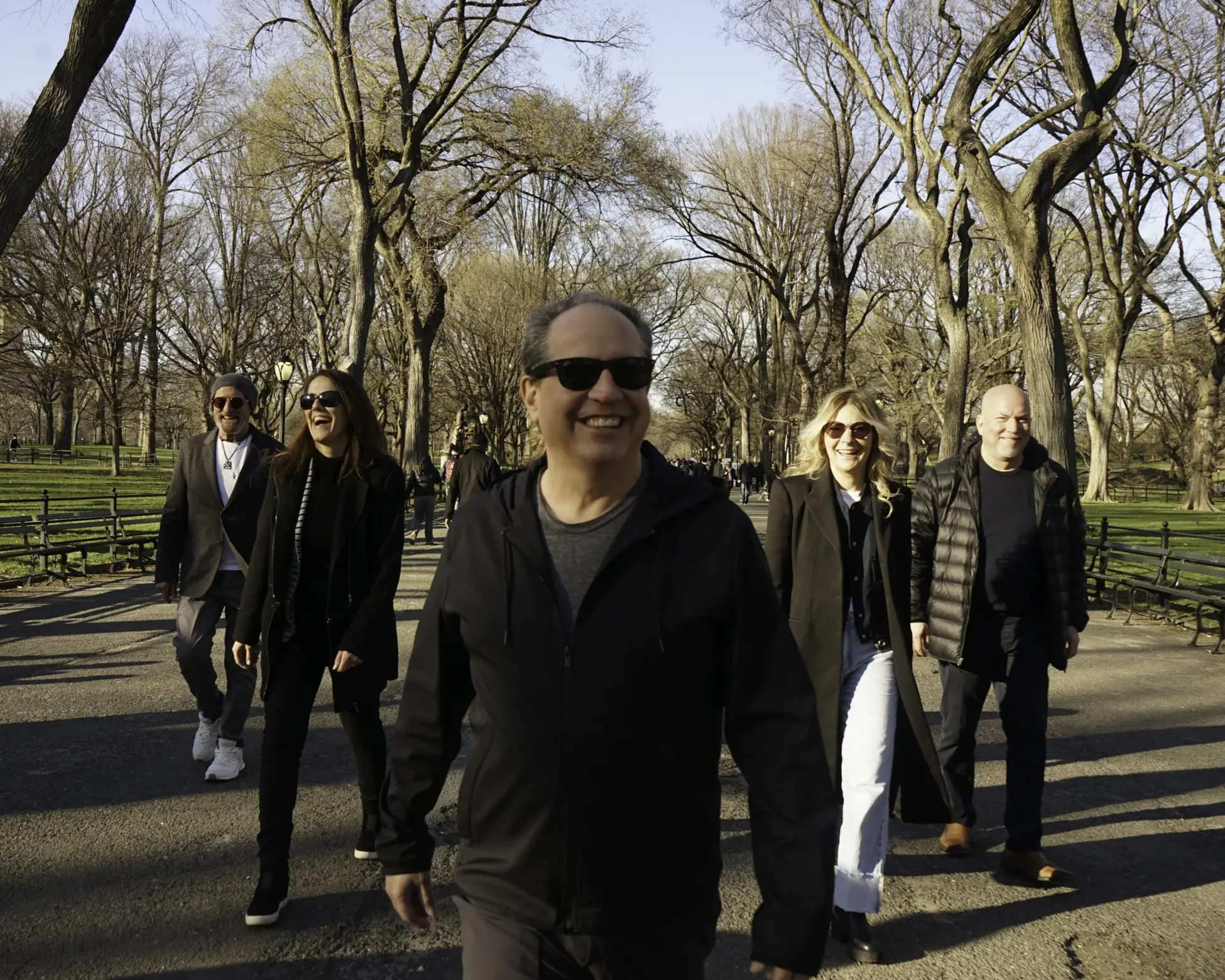
Explore why success itself may be the hardest habit to leave behind.
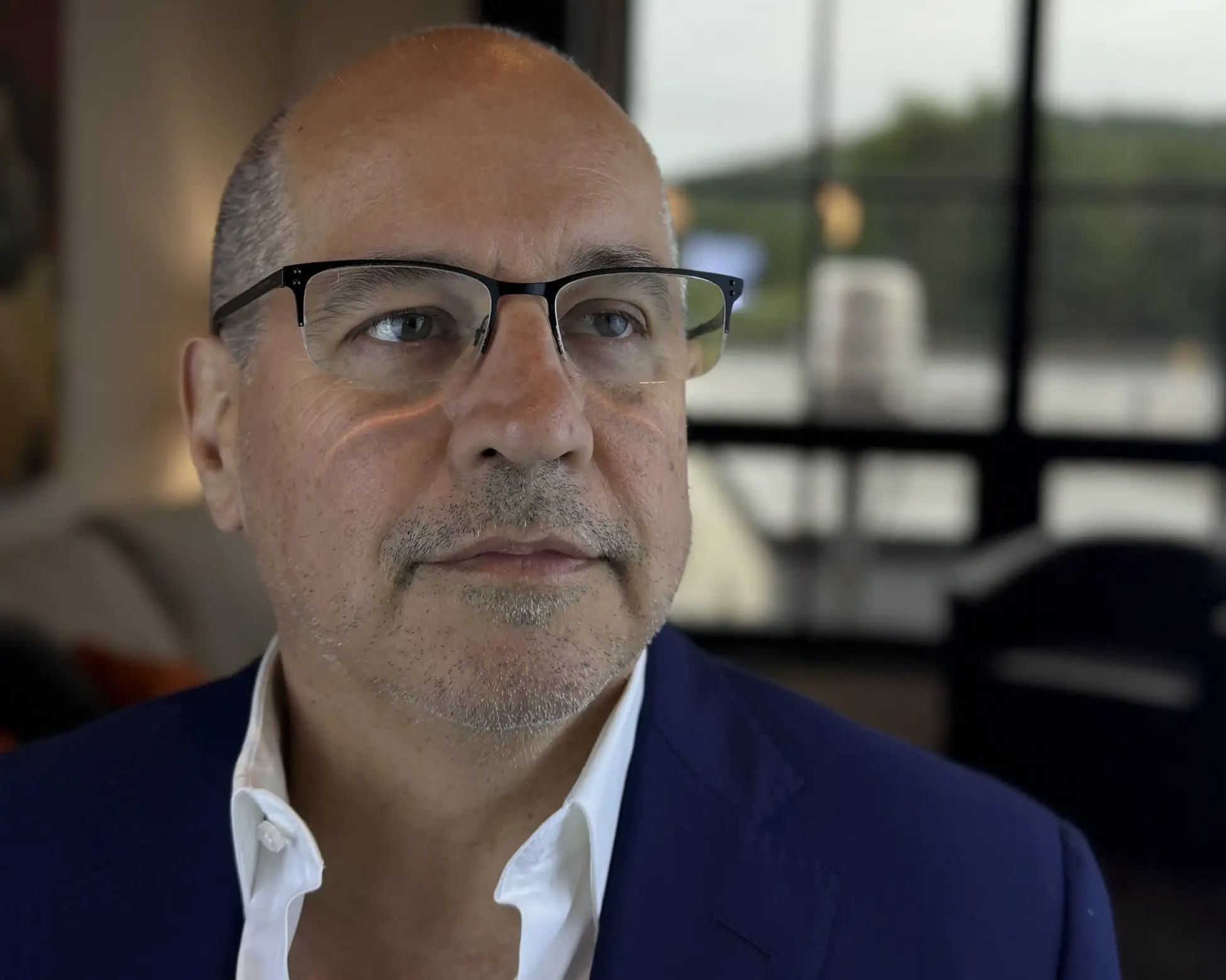
When a career ends, what remains? One executive’s journey from approval to authentic confidence.
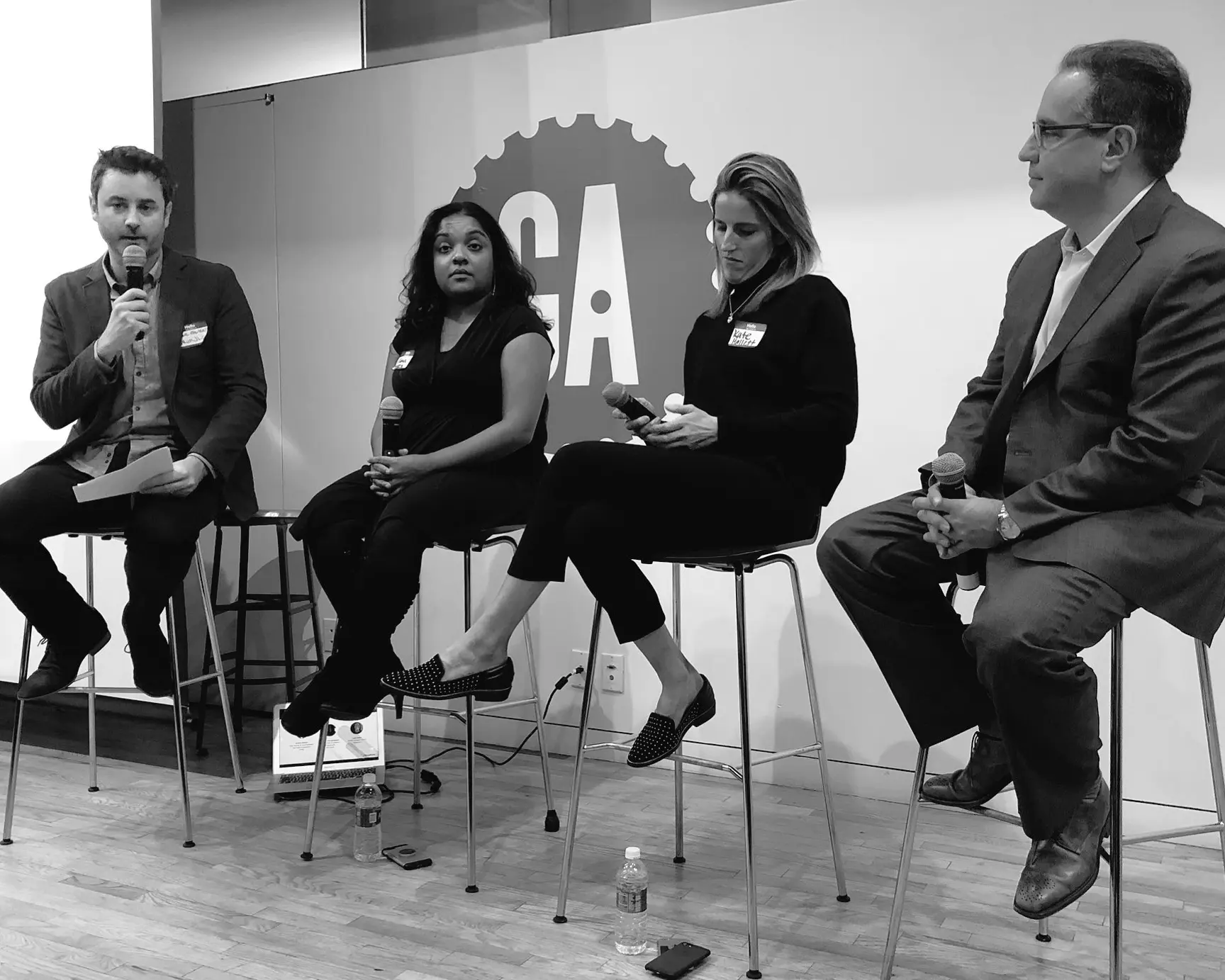
A personal reflection on aging, curiosity, and why experience still matters in the future of work.

What happens when the life you built no longer fully reflects who you’ve become?

After decades chasing momentum, Aaron Strout found success answered fewer questions than expected.
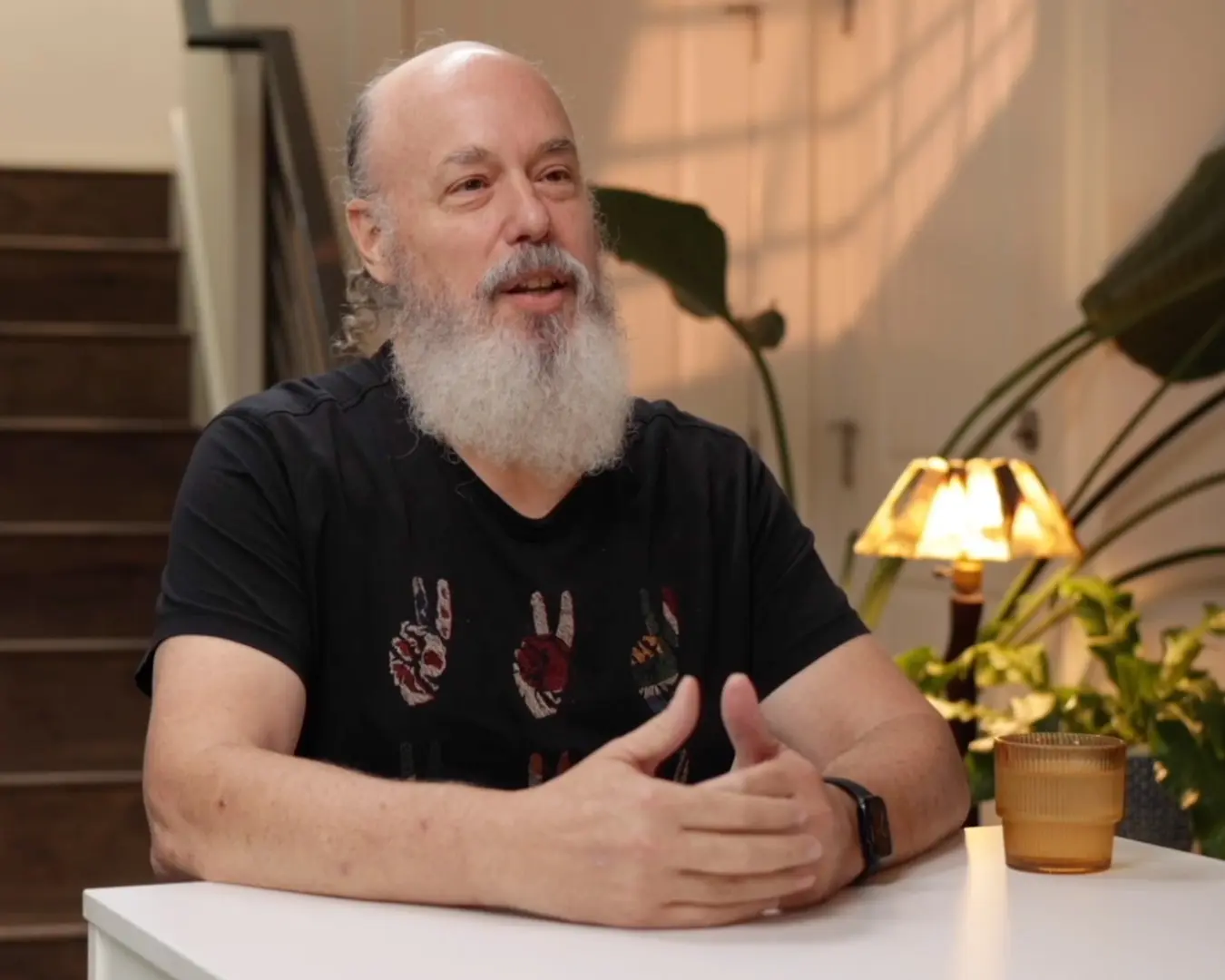
Bob Pearson shows how staying curious turns experience into leverage, impact, and freedom.
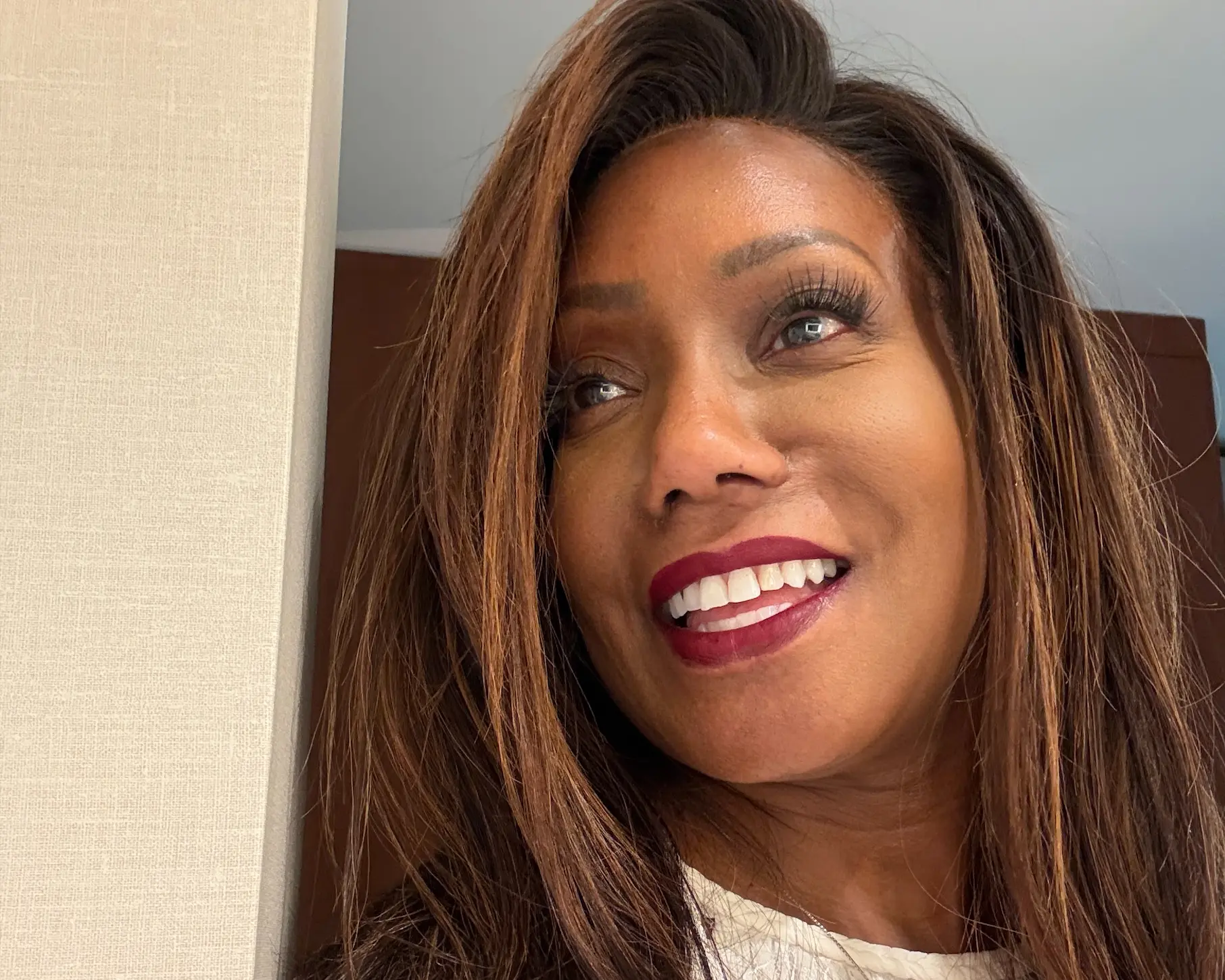
Charlene Wheeless shows how choosing visibility becomes an act of impact, not performance.

Reinvention after 50 isn’t about bravery alone. It’s about money, experience, and knowing when the math works.

Three paths. Real stories. See how people over 50 navigate change, purpose, and possibility on their terms.
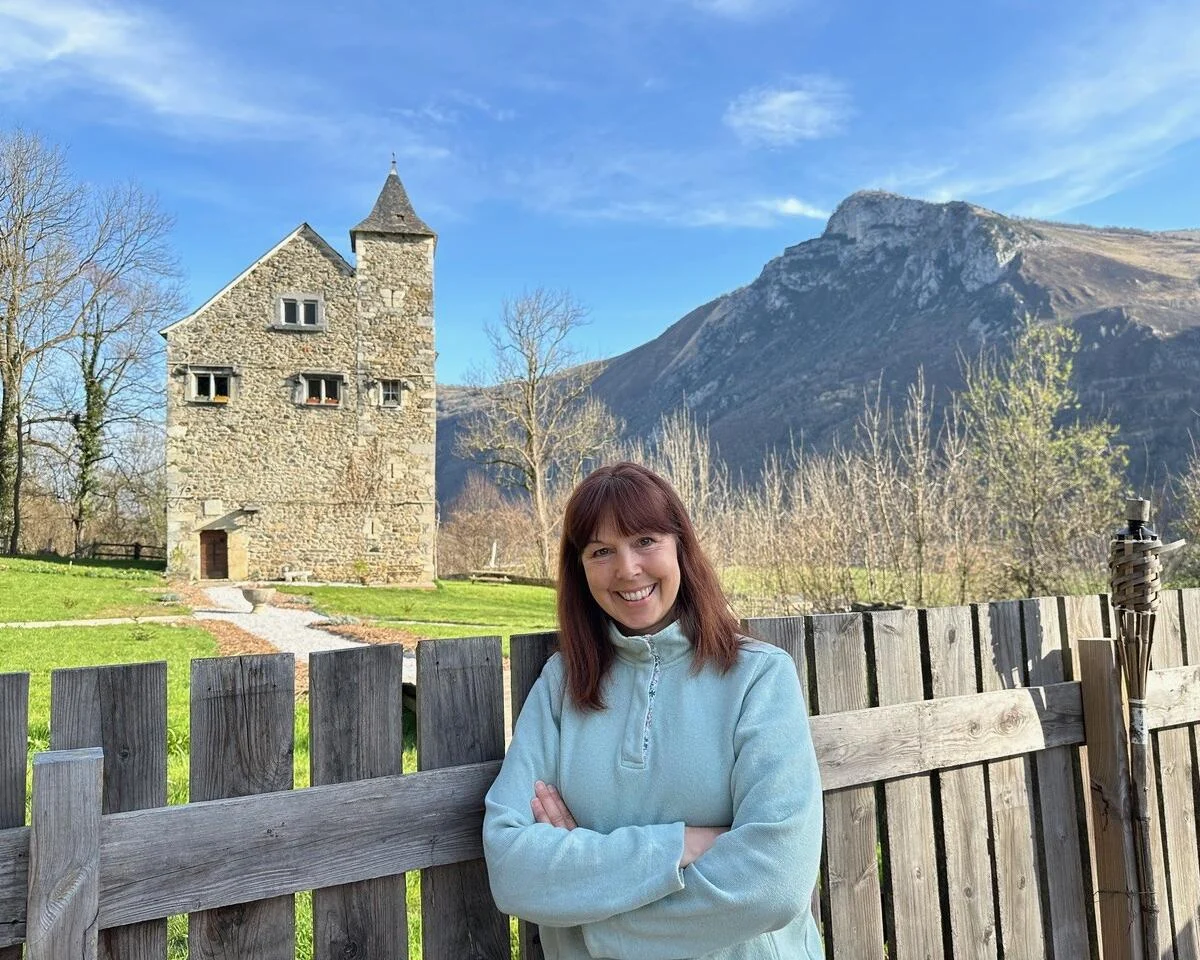
A milestone birthday, a pandemic, and a château spark an unexpected second act in France.

One marketer’s journey from misunderstanding tequila to honoring its heritage becomes his second act.

When the next title stops mattering, one CMO changes the scoreboard and bets on Gen X.

From billion-dollar boardrooms to boutique jam making, one leader redesigns work to finally serve life.

At 58, he walked away from corporate certainty to build a handmade future, one printed card at a time.
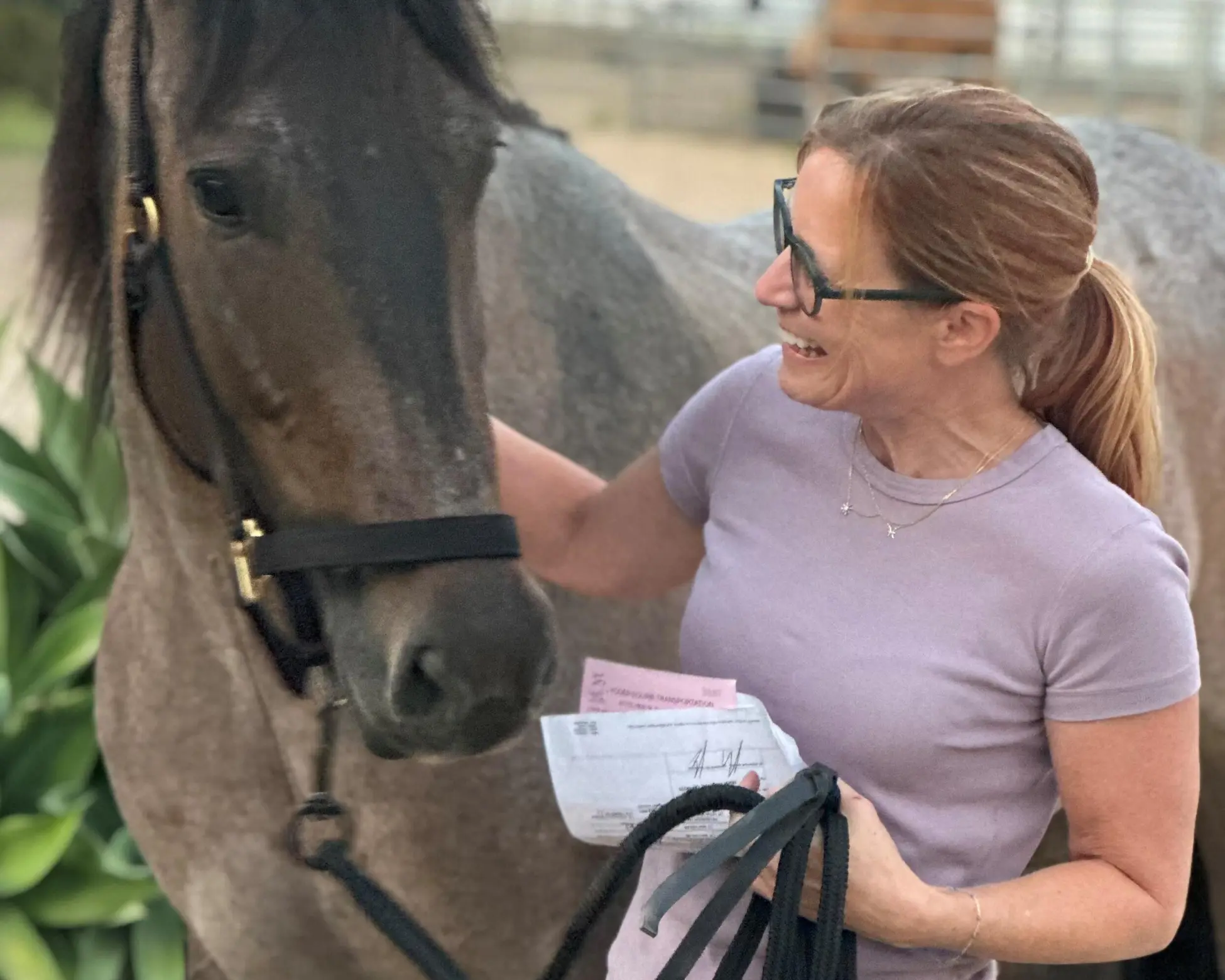
Her daughter said four words that changed everything. Faith Jennings left a VP career and chose life instead.

A startup leap at 52 changed everything. Scott Morris proves reinvention after 50 is messy, brave, and worth it.

Flip the Script is our new series spotlighting real stories of reinvention, freedom, and choice after 50.

Feeling stuck at 50, Paul Sutton found purpose in helping men speak honestly. His journey proves no one is alone.

Singer-songwriter Dean Brandsma rewrites his life’s soundtrack. Hear the story behind the song Crossroads.

How trusting her intuition led to building a mission born from crisis.
Music changed my life. Playing guitar helped me heal, grow stronger, and embrace change.