Published
At a glance
- Gen X influence after 50 is explored through work, consumer choices, financial decisions and changing approaches to wellbeing.
- The author challenges familiar stereotypes of the generation by emphasizing its experience of moving between analog and digital worlds.
- Her invitation is to consider how that accumulated experience can support contribution, mentorship and growth, rather than treating midlife as a retreat from relevance.
As an admitted generational fan-girl, I find Gen X fascinating. For decades, we carried labels: latchkey kids, the “lost” middle, slackers. The stereotypes of Bill and Ted and endless hours making mixtapes didn’t help.
Gen X rarely gets credit as the digital bridge—moving from landlines to smartphones, from the first browsers to AI. And what about innovation? Sure, Gen Z may be the TikTok influencers, but the people building technology and businesses span several generations. Age alone is a poor shortcut for deciding who can innovate.
So, what if Gen X isn’t just in the middle, but actually, the accelerator of growth—an untapped “xfactor” (yup, pun intended)?
A different kind of midlife story
Gen X sits between the baby boomers and millennials, but the label covers people with very different jobs, resources and family responsibilities. The point is not that everyone in the generation is wealthy or influential. It is that experience and changing needs deserve attention.
The broader adults-over-50 economy gives that conversation a different lens; it should not be confused with Gen X alone.

Work: experience as catalyst
Work after 50 can include a long-established role, a new job, consulting, mentoring or a small venture alongside paid employment. Rethinking what work means begins with the person and the practical need to earn, rather than a generational average.
What if midlife is the phase where we build, mentor, and innovate all at once?
Wealth: power in motion
This generation is in financial transition—balancing peak earnings with caregiving, tuition bills, and retirement planning.
There is no single financial picture for a generation. Some people have assets and flexibility; others are managing debt, insecure work or costs that leave little room to save. That difference matters when talking about reinvention or retirement.
And what if the real opportunity isn’t just growing wealth, but redefining what wealth means—as both financial security and a chance to create lasting impact?
Wellness: redefining energy
Wellbeing is another place where circumstances differ. Time, access and cost shape the options. For me, the interesting question is which habits support daily energy and balance, rather than how much a generation supposedly spends on wellness.
Could this reframe aging as momentum, not decline?
The invitation: from lost to impact
So where does that leave us?
- If you’re working, how might your experience fuel not just your career, but someone else’s growth?
- If you’re managing wealth, what choices could ripple out beyond your own security?
- If you’re investing in wellness, how might that inspire the generations watching you?
The stereotype of Gen X as the “slacker” generation may never fully disappear, but secretly believing we are the xfactor generation is about the possibilities and impact we create.
After all, yes—our love language was mixtapes. But this next chapter isn’t about rewinding the past; it’s about remixing our experience into something that still has the power to move us—and maybe move the world forward.
Read next



More Features about Work

Music changed my life. Playing guitar helped me heal, grow stronger, and embrace change.

Founder Andrew Bowins shares the story behind the creation of RestlessUrban.
Job search after 50: Phyl Terry's Never Search Alone and the support of collaborative Job Search Councils.

Companies that actively invest in retaining and hiring professionals over 50 enjoy clear advantages.

Inspiring second acts from people over 50 who found passion and purpose through flying, teaching, and music.

Music and brain health: How a former chancellor found joy, stress relief, and purpose through daily 90s rock jams.

Career change after 50: rethinking work-life balance, encore careers and what meaningful work looks like.
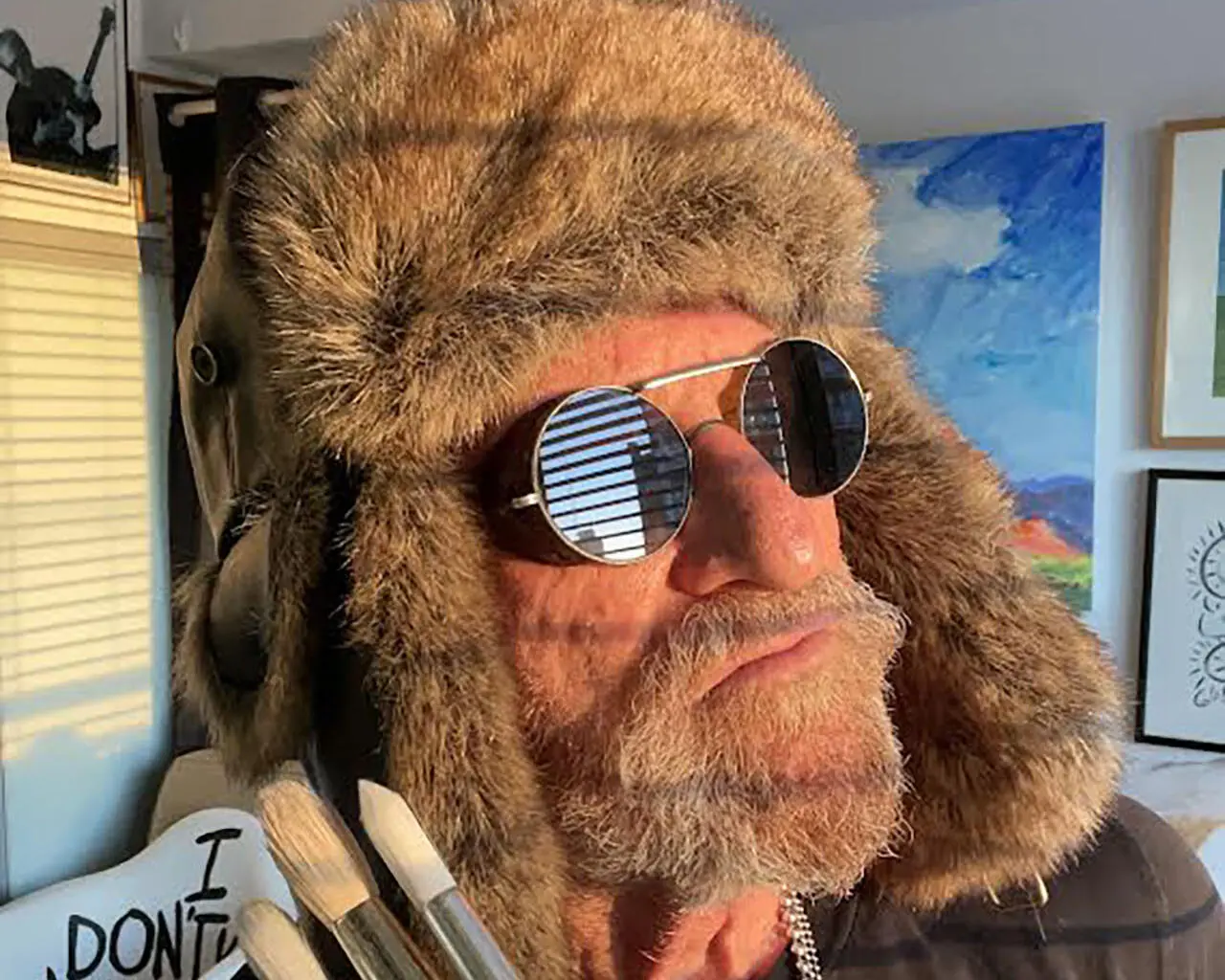
Artist Gary Holme reinvents himself at 70, proving it’s never too late to reclaim passion and create anew.