Published
At a glance
- Workplace well-being for employees over 50 involves more than generic fitness challenges or wellness apps, this feature argues.
- Flexibility, autonomy, meaningful work and awareness of health and caregiving responsibilities are presented as important parts of a more inclusive approach.
- The article asks employers to value experience and consider how supporting different stages of working life can strengthen retention and multigenerational teams.
Wellbeing at 50+ isn’t about yoga apps and step challenges. Are we doing enough in the workplace to foster wellness and confidence in the mature workforce? While these initiatives may aim to promote health, they may overlook a critical segment of today’s workforce: experienced professionals over 50.
The growing presence of 50+ workers
Workers aged 50 and above are a significant and growing demographic in the labor market. Many plan to continue working well into their 60s and 70s, bringing invaluable expertise, mentorship, and a perspective that only time can cultivate. Despite their contributions, these professionals face unique challenges that many workplaces fail to address.
The hidden strain: Stress among older workers
Workplace stress is a pervasive issue across all age groups. The American Psychological Association’s 2023 Work in America survey reported that 77% of workers reported experiencing work-related stress in the past month, with 57% reporting negative impacts associated with work-related stress. These figures describe the overall surveyed workforce; they are not estimates for adults over 50 or proof that stress caused a particular illness.
Creating inclusive wellness programs
To support employees aged 50 and above effectively, organizations need to tailor their wellness programs to address specific needs:
1. Flexibility and autonomy
Many professionals over 50 are navigating life transitions, such as caregiving responsibilities or health challenges. Rethinking how work fits into life can include flexible schedules and remote options. These can help employees balance personal and professional demands where the role permits.
2. Meaning and purpose
Finding a sense of purpose at work is crucial for mental health across all age groups and becomes even more significant later in life. Providing opportunities for mentorship, project leadership, and initiatives tied to social impact can offer personal fulfillment for seasoned employees.
3. Health condition awareness
Tailored wellness strategies should recognize age-related health concerns. Offering resources for managing chronic conditions, mental health support, or ergonomic office solutions can make a substantial difference.
The business case for supporting older workers
Prioritizing the health and wellbeing of employees over 50 isn’t just a compassionate choice; it’s a strategic one:
- Retention: Losing experienced workers means losing valuable institutional knowledge, which can take years to rebuild.
- Perspective and Stability: Professionals over 50 often serve as stabilizing forces within teams, offering mentorship and guiding younger employees through complex challenges.
- Diversity Equals Success: Assess whether people of different ages have fair access to development, meaningful work and opportunities to contribute; measure outcomes rather than assuming diversity alone guarantees performance.
Challenging ageist narratives
Consider the cultural narratives that surround aging in the workplace. Phrases like “past your prime” are not only outdated but also damaging. The truth is, many in this age group are thriving like never before. For instance, at 60, Michelle Yeoh became the first Asian woman to win the Academy Award for Best Actress for her role in “Everything Everywhere All at Once,” showcasing the limitless potential of age.
Envisioning an inclusive future
Building age-inclusive workplaces and wellness initiatives isn’t just about supporting those who’ve come before us; it’s about creating environments where all employees can thrive. Imagine workplaces where mentorship flows freely between generations, where employees feel comfortable sharing their insights, and where wellbeing is a fundamental part of organizational culture.
To make this vision a reality, businesses should ask not, “What’s trendy right now?” but rather, “How do we build environments where every employee feels supported, valued, and empowered?”
Moving beyond the status quo
The over-50 workforce has significantly shaped the industries and companies we celebrate today. Ignoring their wellbeing isn’t just a disservice to them—it’s a missed opportunity for modern businesses to thrive. It’s time to step up and show these professionals the respect they deserve.
Are you ready to lead the way? The solution starts with you. Create spaces that celebrate experience, foster diversity, and adapt to every stage of life. Because when we build workplaces that work for all ages, everybody wins.
Read next

More Features about Work
Music changed my life. Playing guitar helped me heal, grow stronger and embrace change.
Founder Andrew Bowins shares the story behind the creation of RestlessUrban.
Job search after 50: Phyl Terry's “Never Search Alone” and the support of collaborative Job Search Councils.

Companies that actively invest in retaining and hiring professionals over 50 enjoy clear advantages.

Inspiring second acts from people over 50 who found passion and purpose through flying, teaching and music.
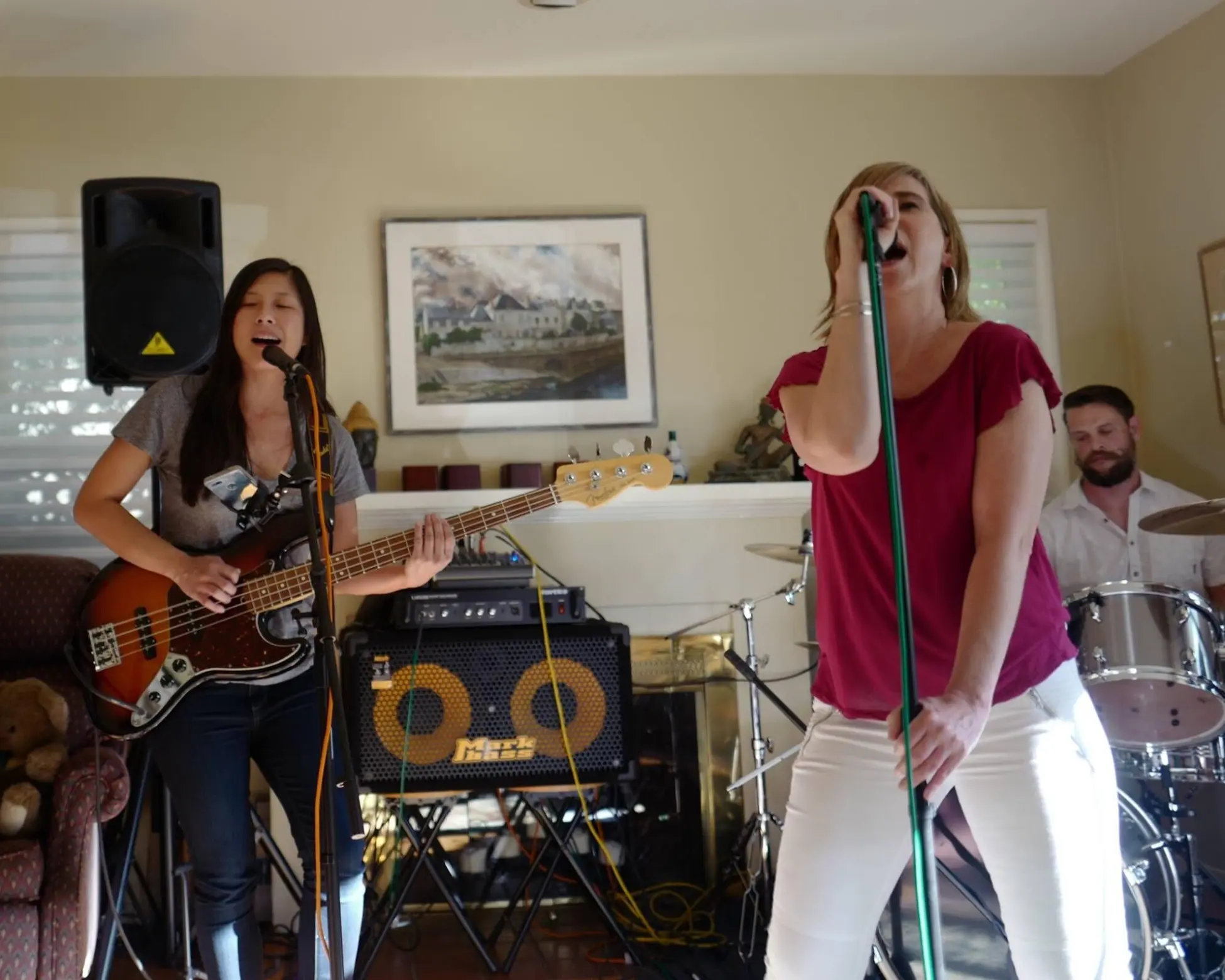
Music and brain health: How a former chancellor found joy, stress relief and purpose through daily 90s rock jams.

Career change after 50: rethinking work-life balance, encore careers and what meaningful work looks like.

Artist Gary Holme reinvents himself at 70, proving it’s never too late to reclaim passion and create anew.