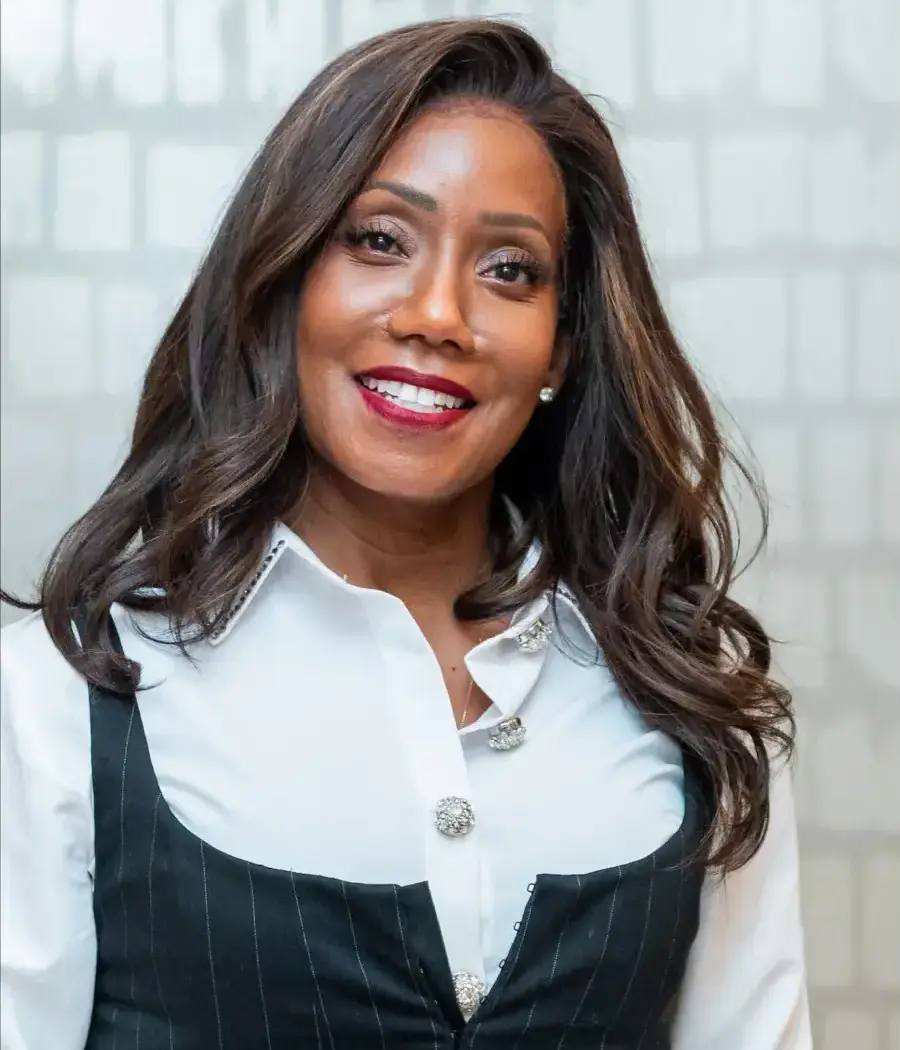

A neon sign hangs above Charlene Wheeless’s desk: “Choice, Not Chance.”
Not aspirational decor. A philosophy triggered at 10, watching Oakland Raiders cheerleaders take the field like they owned the place.
She was a “little Black girl from the ghetto.” Those women were smiling, confident, claiming space like it belonged to them. “I teared up because they were everything I wasn’t. Right there I made a choice that I wasn’t going to be invisible, that I was also going to be unapologetically seen.”
That decision set a trajectory that would take her from NFL sidelines to Fortune 500 boardrooms, from being the first and only Black woman in nearly every room to walking away from a seven-figure career and successfully battling cancer not once but twice.
The cost of being first and only
At 61, Wheeless is a keynote speaker and coach helping ambitious women navigate the crossroads she faced. She’s learned what visibility costs and what it buys. The price? Thirty years of curating a persona. The return? The privilege finally stops.
At 12, Charlene tried out for junior high cheerleading and didn’t make the team. The sponsor told her why. She was Black, and the sponsor assumed that meant she’d be a troublemaker. But the sponsor was also Charlene’s homeroom teacher. After observing her for months, she decided Charlene was “a nice little girl” and added her to the squad.
That was the choice moment. Not the sponsor’s change of heart. Charlene’s decision to ignore that woman’s version of who she was and be who she knew she could be anyway
Learning and playing the rules
She cheered through college and then for four years with the team formerly known as the Washington Redskins. That confidence carried her through 28 years in corporate communications at high-profile brands like Raytheon and Bechtel, where she led branding and crisis management as principal vice president. She chaired the Arthur W. Page Society during the pandemic, the first Black woman to lead the communications organization in its 50-plus year history. And she’s a member of Marshall Goldsmith’s 100 Coaches, advising next-generation leaders on authentic leadership.
“When you are a first and only, you don’t just carry the weight of your own success or your own challenges. You are also representative whether you want to be or not of everyone who looks like you,” she says. “And if you don’t succeed or you make a big mistake, you have now unwittingly given permission to people who didn’t think you should be there in the first place to say, see, I told you a Black woman couldn’t do it.”
She learned when to show up, how to speak up, how to fade into the background, how to ignore the slights. She became what she calls “the perfect Black female executive for the patriarchy.”
“I had a voice, but I wasn’t using it,” she admits. “I wanted to be a culture contributor, not just a culture fit.”
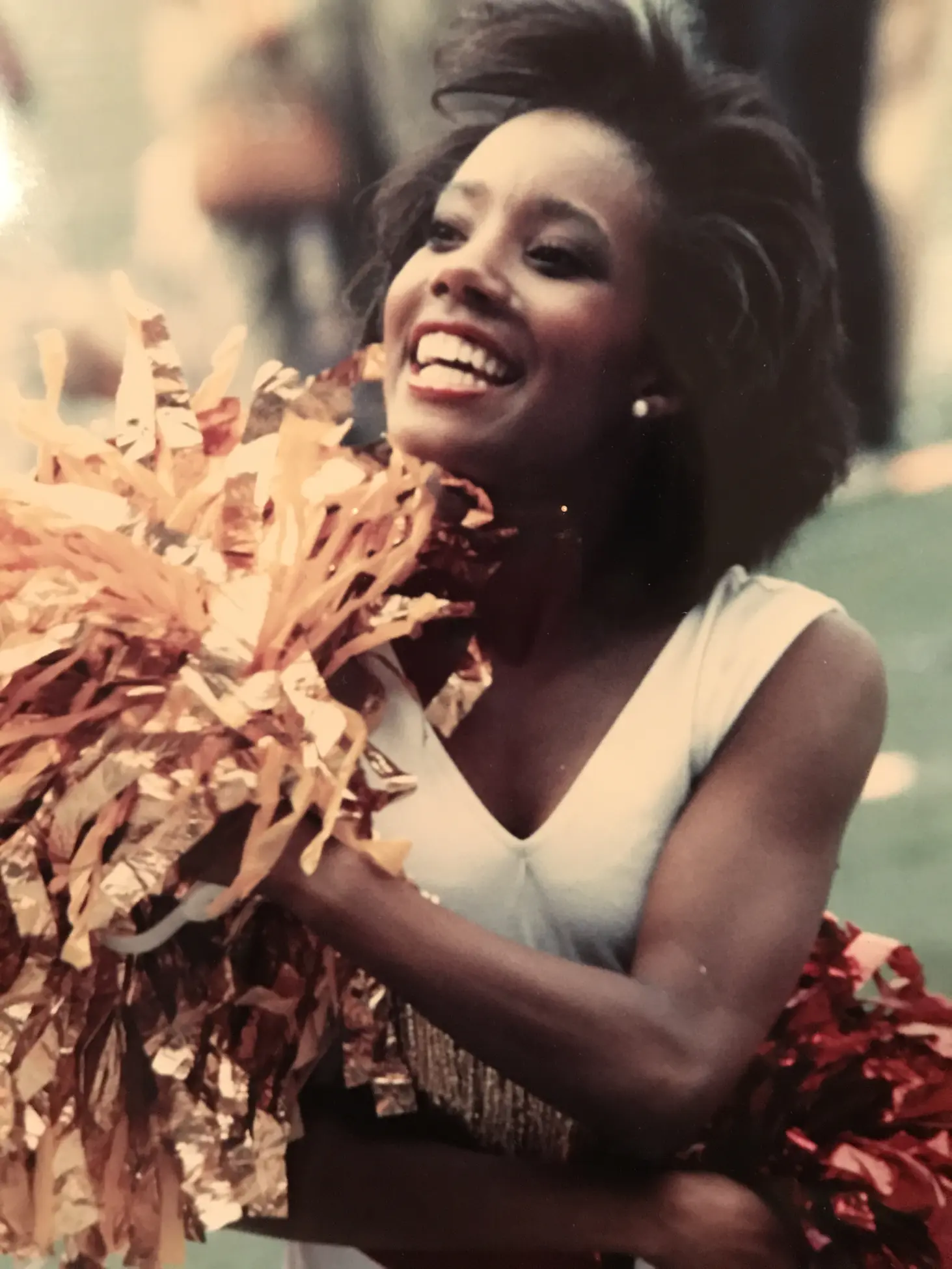
Charlene spent four years as a cheerleader for the NFL team formerly known as the Washington Redskins.

When awareness changes everything
Then cancer stripped everything away. At 52, a “light cancer.” At 53, something much more serious. Her doctor said point blank: “I don’t think you will live through your treatment if you work.” The seven-month treatment stretched into five years. Ten surgeries total.
“I realized that I had spent 30 years curating a persona in order to be successful, and cancer stripped all of that away,” she explains. “I had to ask myself without all of that, who am I really?”
She went back to work after a year, but she wasn’t the same person. The worst thing that happened? She became aware. “Once that genie was out of the bottle, I couldn’t put it back in.”
Charlene had an hour-long commute to work. On the way there, she would listen to a Joel Osteen sermon to get hyped up for the day.
The commute home?
“I cried for a solid hour, just cried from the moment I got in my car until I reached the point when I took this old turn that I knew I was 10 minutes away from home and I would dry my tears and I would suck up everything. And I would walk in my door at home like nothing was wrong, like everything was perfect.”
Every single day.
The moment she walked away
The breaking point came in a meeting in her office with a colleague who complained to the senior executive in the room that he couldn’t find her when he needed her. Never mind that she had cancer, was traveling regularly to Houston for treatment, juggling two daughters and an executive role.
She stood up. “Did you just tell a woman with cancer who is Black and over 55 that my disease is inconvenient for you? Did you just hand me that lawsuit with a witness? Get out of my office.
When they left, she cried. Not because she felt threatened. Because she realized who they had turned her into. “That’s when I knew corporate life was over for me.”
She left within months.
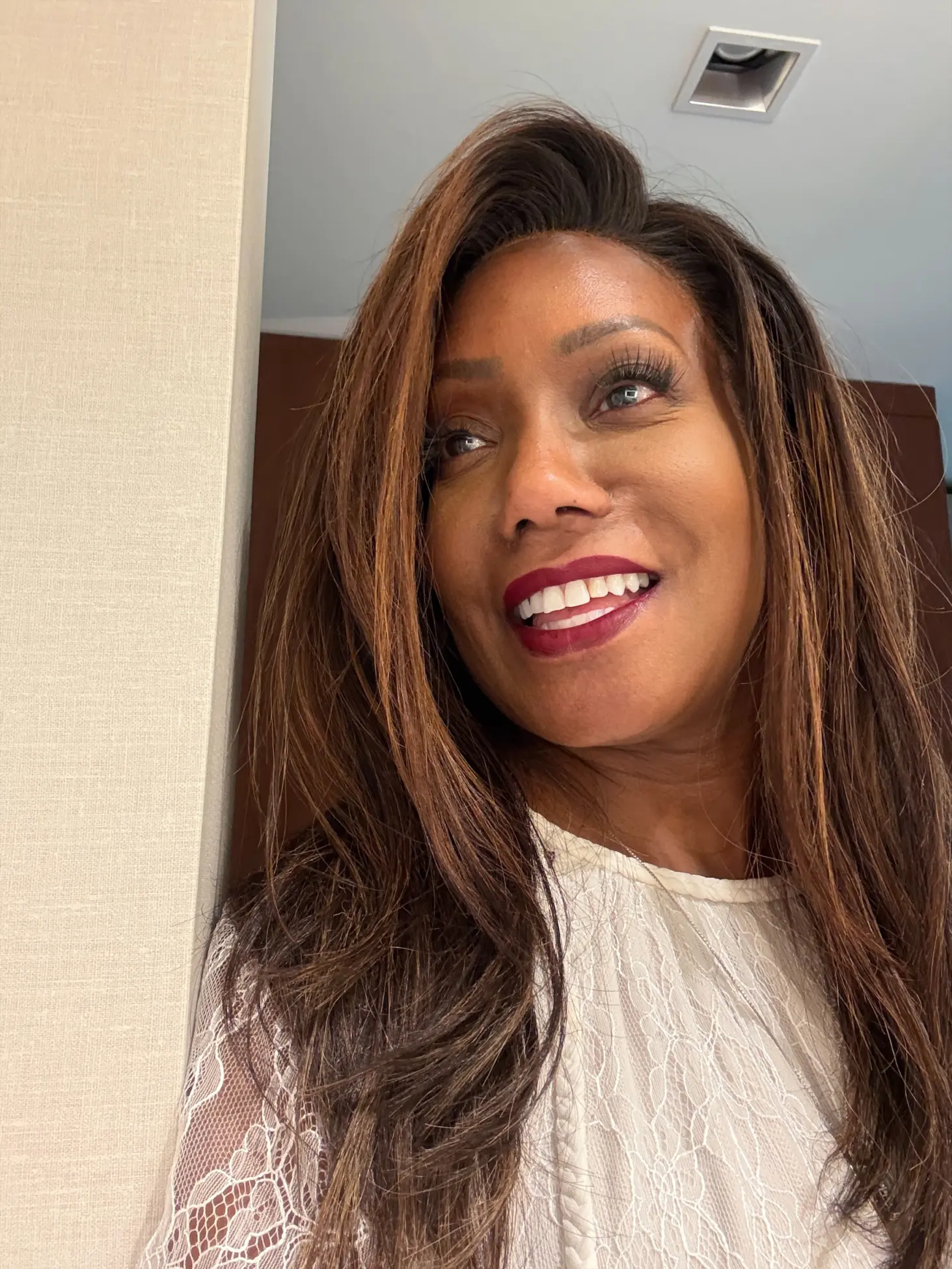
“Every day you are teaching people how to treat you. If you let it go, you are giving them permission to continue to treat you that way.”
Choosing impact over approval
She coaches ambitious women through one question: Are you chasing that next rung because you want it or because you think you should?
“There are no wrong answers,” she says. “But recognize that you are over 55. It is not going to be easy. You have a greater chance of being successful as a consultant than as a full-time employee.”
Cancer redefined winning and established new boundaries. Wheeless says no more often now. “No is a complete sentence. You either give me energy or you take energy. If you take energy, our time together is over.”
“Every day you are teaching people how to treat you,” she tells her two daughters and her clients. “If you let it go, you’ve given them permission to continue.”
At 50, Wheeless stopped asking permission to be herself. In her later fifties, she stopped chasing enoughness, stopped trying to prove to other people she was enough.
“There’s something magic about that number 50. You’re aware you have more days behind you than ahead. You stop giving a damn about things that don’t matter.”
In her sixties, it shifted again. “It’s not about you. It’s about impact, purpose, and leaving the right kind of legacy.”
What visibility makes possible
Being the first and only cost Wheeless her peace. One person she mentored for 20 years said: “I never wore high heels to work until you came here. I didn’t think we could.”
What did being seen buy? “The privilege to open doors for other people who look like me.”
That legacy isn’t measured in titles or keynotes. It’s measured in people she’ll never meet who will make different choices because she was willing to be seen, name the cost, and walk away when the cost became too high.
“My message needs to be heard and absorbed. I’m in the Impact phase of my life where I want to keep people from experiencing what I did.”
The little girl at the Raiders game wanted to be visible. The woman at 61 understands visibility was never the goal. Authenticity was. And authenticity requires the courage to disappoint people who need you to stay small.
More From the Flip the Script Collection
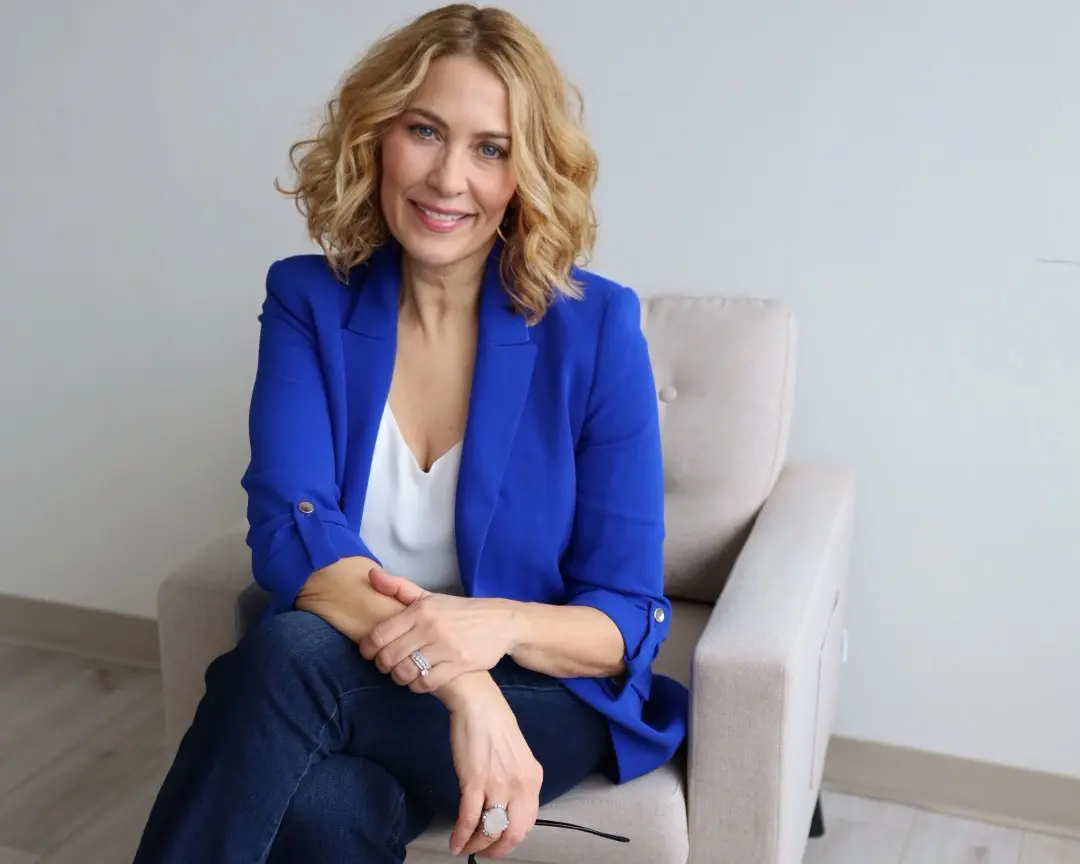
What happens when the life you built no longer fully reflects who you’ve become?

After decades chasing momentum, Aaron Strout found success answered fewer questions than expected.
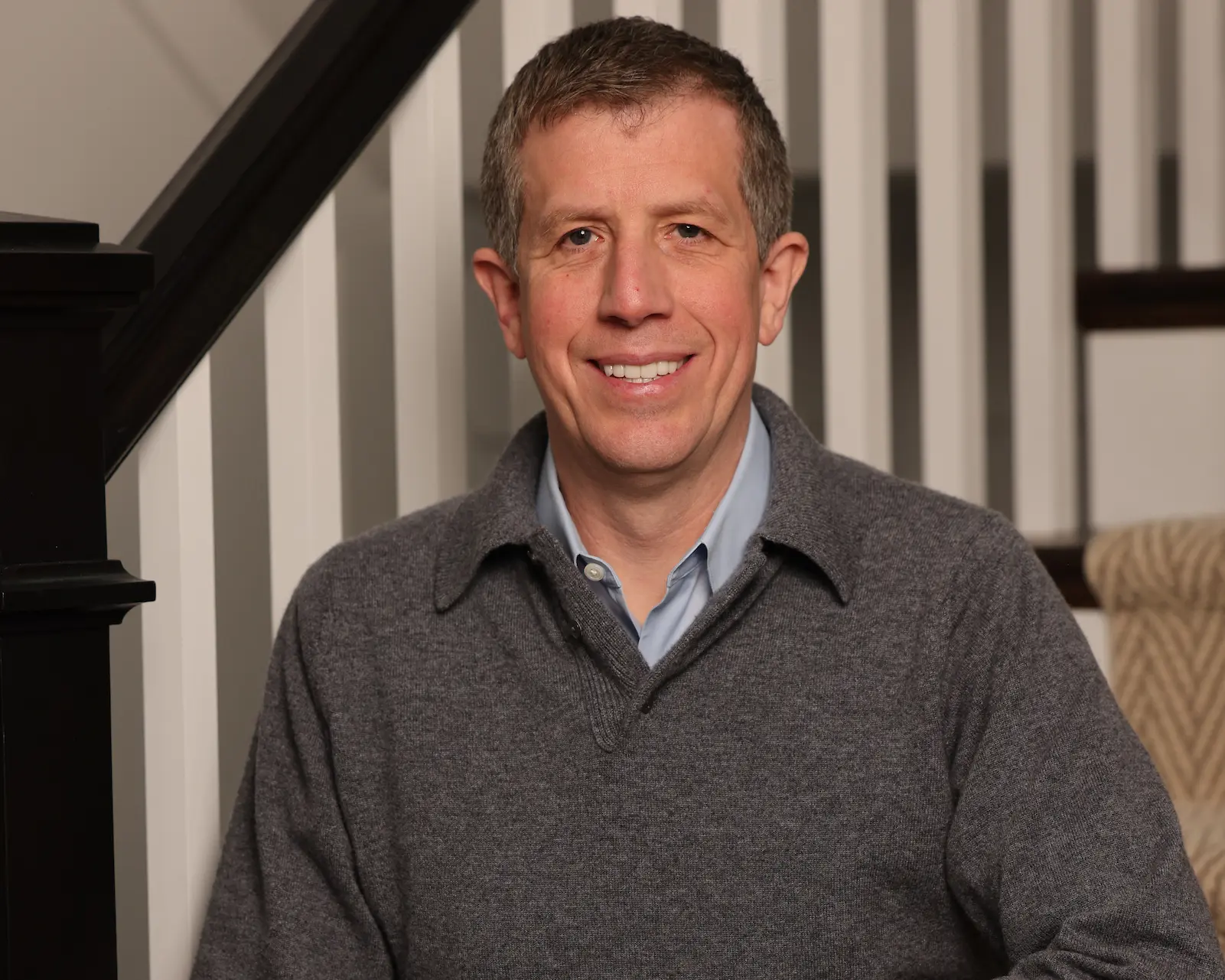
A conversation inspired by Geoff Curtis’s Embracing Your Own Purgatory and the search for purpose after 50.
Bob Pearson shows how staying curious turns experience into leverage, impact, and freedom.

Reinvention after 50 isn’t about bravery alone. It’s about money, experience, and knowing when the math works.

Three paths. Real stories. See how people over 50 navigate change, purpose, and possibility on their terms.
A milestone birthday, a pandemic, and a château spark an unexpected second act in France.
One marketer’s journey from misunderstanding tequila to honoring its heritage becomes his second act.
When the next title stops mattering, one CMO changes the scoreboard and bets on Gen X.

From billion-dollar boardrooms to boutique jam making, one leader redesigns work to finally serve life.
At 58, he walked away from corporate certainty to build a handmade future, one printed card at a time.

A startup leap at 52 changed everything. Scott Morris proves reinvention after 50 is messy, brave, and worth it.

Flip the Script is our new series spotlighting real stories of reinvention, freedom, and choice after 50.

Feeling stuck at 50, Paul Sutton found purpose in helping men speak honestly. His journey proves no one is alone.

How trusting her intuition led to building a mission born from crisis.