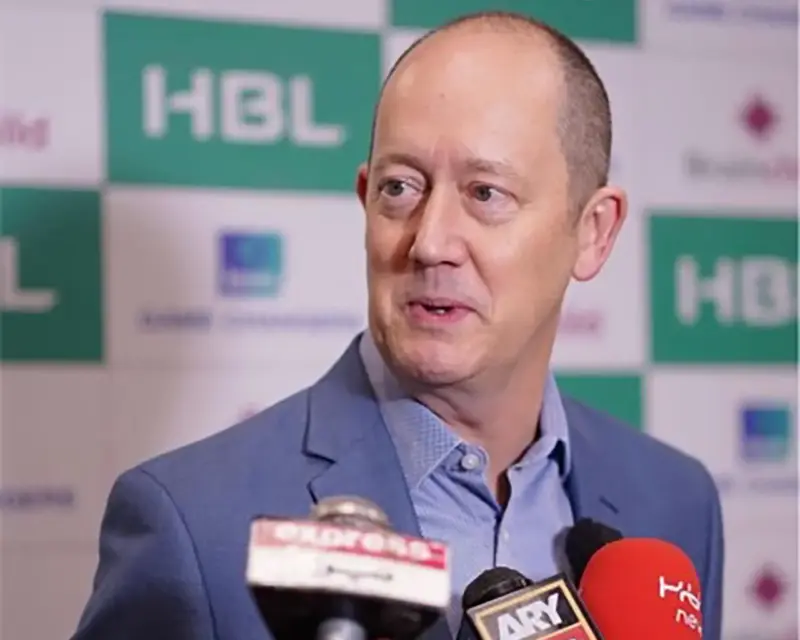
The contemplation of a big bet
James Anderson arrives at a converted 1821 Baptist church in Kent, Connecticut, where World War II-era printing presses wait in the morning light. At 58, he’s betting everything he built over two decades in digital payments on greeting cards made one impression at a time on equipment older than he is.
“Money in the bank isn’t very interesting to me,” Anderson says. “It’s not very enjoyable. It’s a good peace of mind thing. But I’d rather have money in a company that I get to work at, get to grow, get to lead and change directions, than money sitting in the bank.”
Fifteen months into owning Saturn Press, Anderson hasn’t paid himself a dime. He and his wife are living on their savings while reinvesting everything the business generates.
“Anybody contemplating buying their own business if they’ve worked in corporate America really needs to do their sums because that steady paycheck is disappearing. You’ve got to make sure you can cashflow your life,” he says. “Don’t go into that naively.”
He’s also betting on judgment he’s trusted for years. At Mastercard, where he spent 15 years building global payment platforms, Anderson developed a reputation for making solid calls. But in a company that size, every decision is filtered through layers of politics, power bases, and people protecting their territory.
“The political context of everything in a large enterprise is absolutely important,” he says. “There’s a lot of internal working. It wasn’t my favorite part of the job.”
He’s found political competence isn’t the same as business judgment. “When you run a small business, [decision-making] is all you do, and you definitely own all the outcomes.”

The analog bet
Anderson sought a business combining craft with the digital systems he’d mastered. When Saturn Press appeared in his network, a decades-old letterpress company operating from Maine’s Swan’s Island, he saw an opportunity.
The previous owners wanted to bundle the business with their building. Anderson and his wife passed initially because they didn’t want to live on Swan’s Island. Two years later, when the owners separated the business from the real estate, Anderson had his opening. If you can move the business 10 miles across an island, you can move it 300 miles across New England.
They bought the company in the summer of 2024 and relocated it to Connecticut. Anderson’s wife found the church building, 20 minutes from their 1739 farmhouse. The church has great natural light. For mixing custom inks, that matters. Rob, their printer, will walk out of the print room holding a card and ask Anderson’s opinion. They’ll look at it under the big windows or step outside because artificial light lies about color.
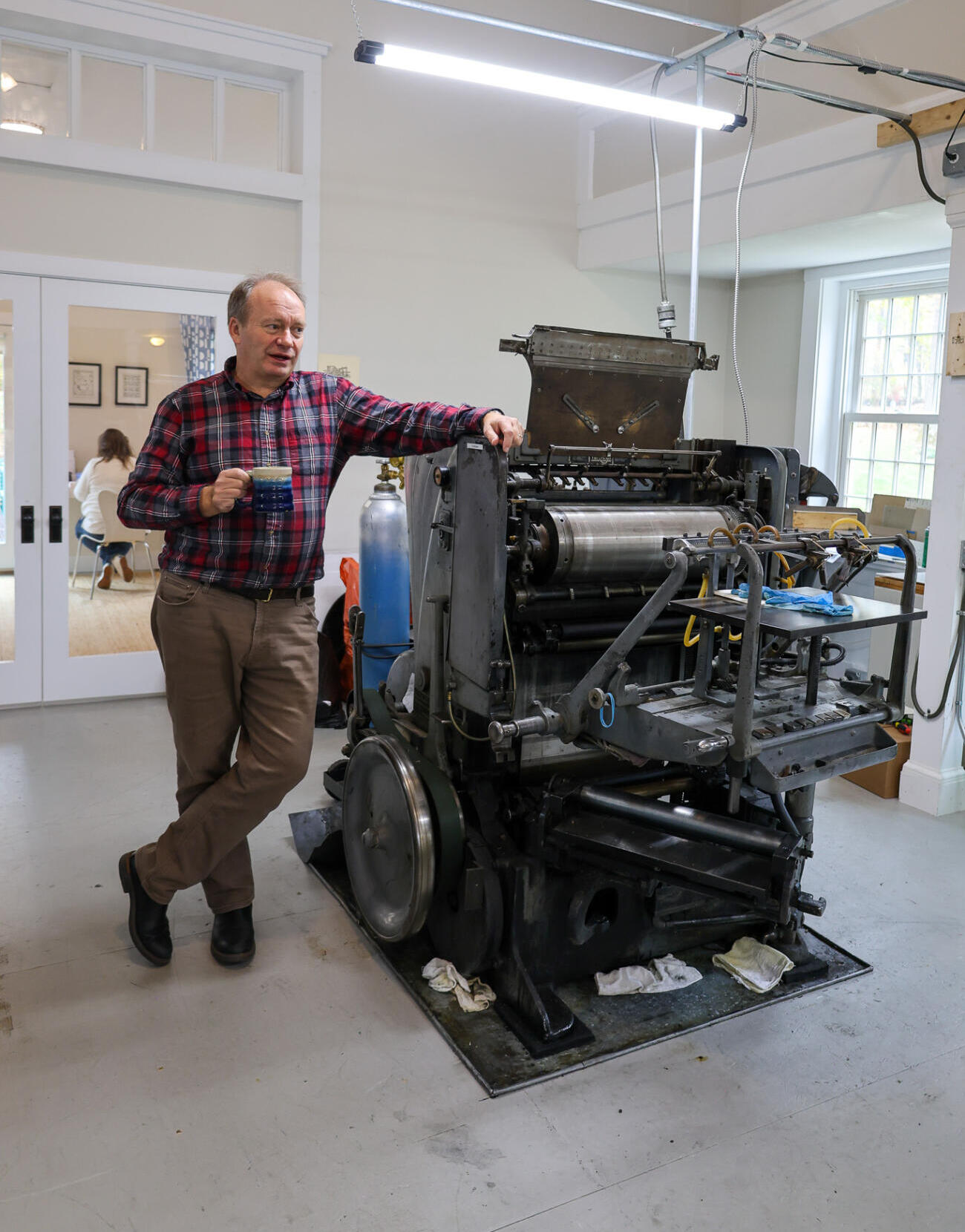
Inside a former 1821 Baptist church in Kent, Connecticut, James Anderson runs Saturn Press among vintage letterpress presses.
What dies, what grows
He used to tell younger colleagues, “If you want to be an executive, make decisions and own the outcomes.” That advice still guides him, though the stakes feel sharper when the outcomes are personal.
Now he runs a six-person company: him, his wife, their son-in-law as art director, their son handling direct-to-consumer sales , and two other team members who help with fulfillment. His wife, a former teacher with an art history background, spends her time sourcing public domain images they can re-interpret into letterpress. Anderson handles the business side and oversees operations.
When customers reorder, when they write to say they love the cards, when retailers report strong sales, Anderson feels it differently than he ever felt success in his corporate days. Smaller wins, yes, but they belong to the small team and the line between actions and results is blissfully short.
The learning curve
The first trade show he participated in as Saturn Press was nearly empty. After a long week of standing in an empty booth, he wondered if he’d made a mistake. Two weeks later, a crowded show restored his faith. Packed aisles, interested buyers, retailers reintroducing themselves to the new owners. The business is now growing, but he’s working longer hours than he did before, often in the evenings and on weekends.
“People who say it’s not work when it’s your own business…that’s bullshit,” he says. “It’s just work with a different kind of emotional payoff.”

Anderson starts every day in the inventory room to get a feel for what is selling and to reflect on the journey he has undertaken at 58.
What he’d tell his younger self
Anderson tried entrepreneurship once before and couldn’t pay his kids’ school fees. This time he had the savings, the timing, and the perspective. “Once you flip the switch, you can’t go back; you realize how much energy you spent managing impressions instead of making things happen.
But if you can afford the risk financially, “owning your own business absolutely dials up the emotional satisfaction of life in a way that I didn’t see happening very often as part of a large company.
Anderson’s advice is unsentimental. “If corporate life works for you, stay there. But if you’re done getting emotional satisfaction from work and can afford the risk, do your sums and make the call.”
“Figure out what the journey you want to be on is, and then find ways to get after it,” he adds.
His journey involves mixing inks in natural light, managing six people instead of hundreds, and answering only to customers who want cards that feel handmade.
More From the Flip the Script Collection

Losing a job after 50 shouldn’t mean reinventing who you are. Maybe it’s the system that needs to change.

The rules of work have changed. Why do we still believe our best work is behind us?
The rules have changed. Read why millions of experienced professionals are redefining work, purpose and what’s next

Explore why success itself may be the hardest habit to leave behind.

When a career ends, what remains? One executive’s journey from approval to authentic confidence.
A personal reflection on aging, curiosity, and why experience still matters in the future of work.

What happens when the life you built no longer fully reflects who you’ve become?

After decades chasing momentum, Aaron Strout found success answered fewer questions than expected.

A conversation inspired by Geoff Curtis’s Embracing Your Own Purgatory and the search for purpose after 50.
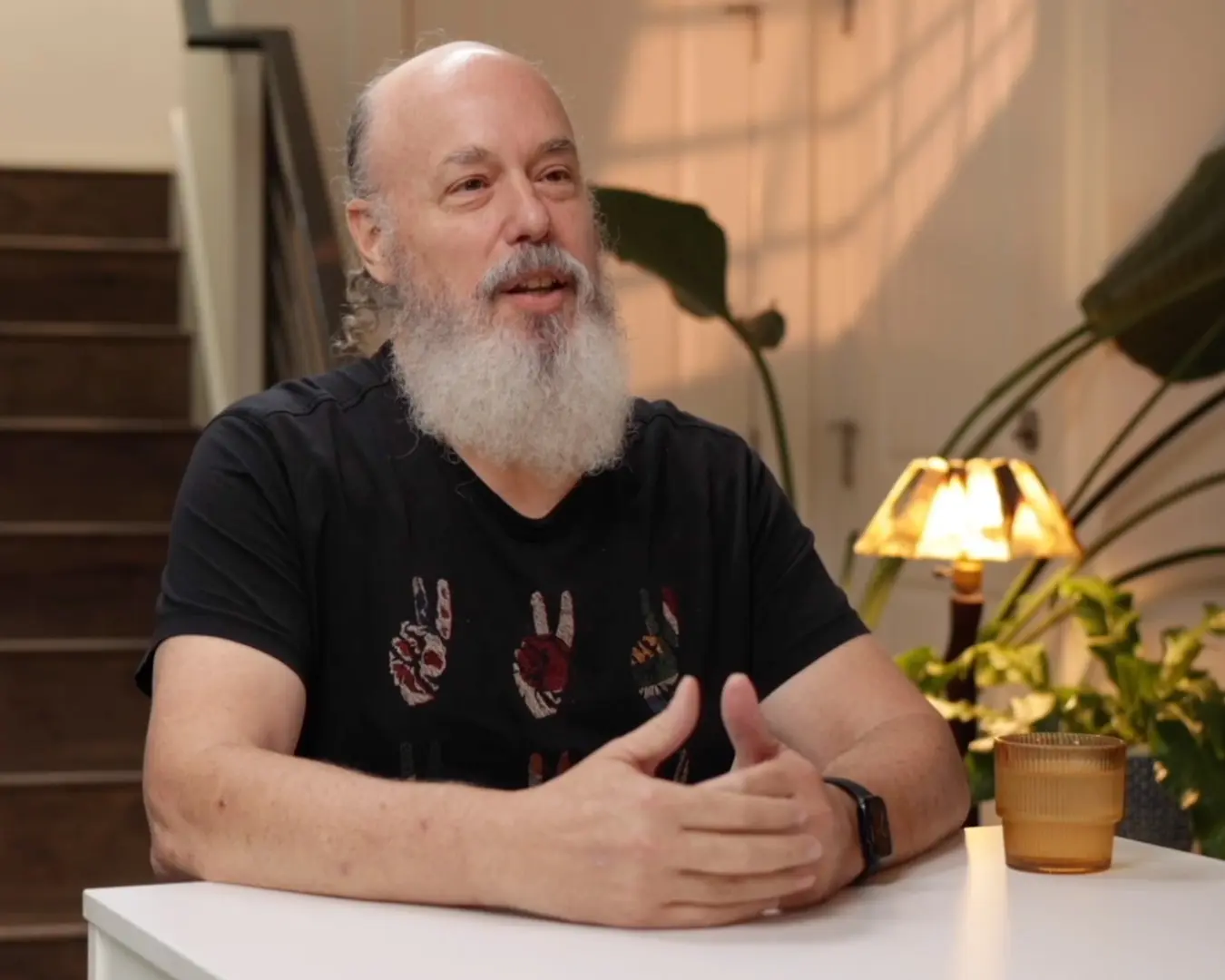
Bob Pearson shows how staying curious turns experience into leverage, impact, and freedom.

Charlene Wheeless shows how choosing visibility becomes an act of impact, not performance.

Reinvention after 50 isn’t about bravery alone. It’s about money, experience, and knowing when the math works.

Three paths. Real stories. See how people over 50 navigate change, purpose, and possibility on their terms.
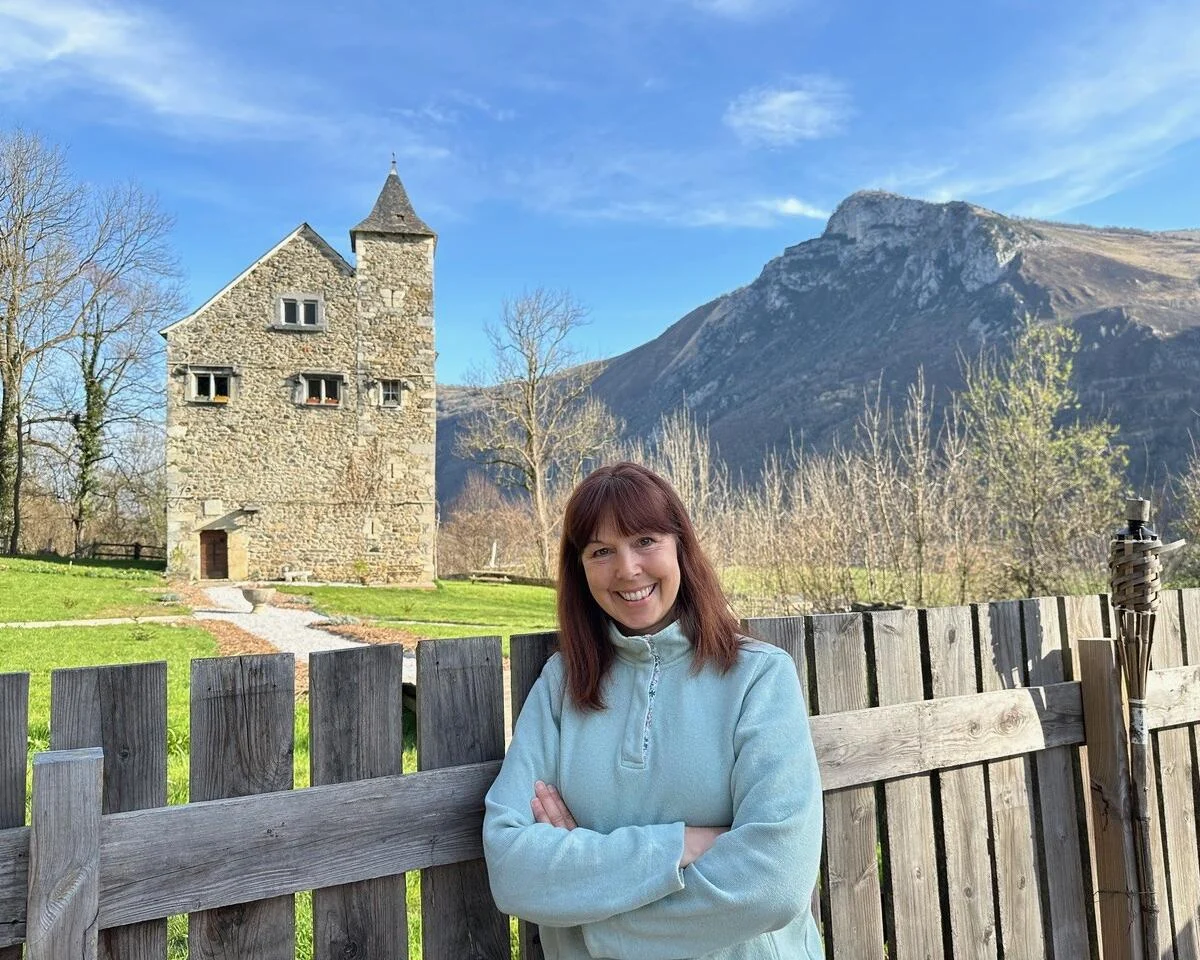
A milestone birthday, a pandemic, and a château spark an unexpected second act in France.

One marketer’s journey from misunderstanding tequila to honoring its heritage becomes his second act.

When the next title stops mattering, one CMO changes the scoreboard and bets on Gen X.

From billion-dollar boardrooms to boutique jam making, one leader redesigns work to finally serve life.


A startup leap at 52 changed everything. Scott Morris proves reinvention after 50 is messy, brave, and worth it.

Flip the Script is our new series spotlighting real stories of reinvention, freedom, and choice after 50.

Feeling stuck at 50, Paul Sutton found purpose in helping men speak honestly. His journey proves no one is alone.

How trusting her intuition led to building a mission born from crisis.