The question he stopped asking
Scott Morris spent 25 years mastering corporate communications for Yahoo, Best Buy, and Atlanta’s top agencies before realizing he had been asking the wrong question. It wasn’t, “How do I climb higher?” It was, “Why am I still climbing?”
The turning point came in a midtown HR meeting. Morris was trying to promote a high performer. “We can’t promote Dave because John will get angry,” they told him. His reaction was immediate: I never want to negotiate this again. Not the promotion, not the politics, not the endless babysitting disguised as leadership.
He was 52. The title still impressed people, but the mirror didn’t lie. “In my brain, I was 28,” he says. “Then I looked around at my 25-year-old team and thought, I could be their grandfather.” What came next was clarity.
The leap he didn’t overthink
Months later, the phone rang with a pitch to help launch a beverage company making a portable SodaStream-type device. He said yes before logic caught up.
“Thank God I didn’t know what it was going to be like before I decided to do this,” he says four years in. That impulsiveness opened a door.
He now works for SIF for equity, not salary, splitting his time between the beverage startup and fractional marketing consulting. The setup works because of a supportive husband, no kids, and years of savings. His husband is also raising capital for a development project, so some nights they both come home “beaten up” from what Morris calls “professional begging.”
“I tell people I’m working for free and for equity. I invest in myself now,” he says.

Scott seen here with his husband Keith Robinson says, “I don’t want to panic him with founder swings, from billionaire to bankrupt in 60 seconds.”

It gets harder but clearer
The biggest surprise hasn’t been money. It’s loneliness. After decades of airports, teams, and constant interaction, he now spends quiet days at home with breaks for CrossFit, dog walks, and investor calls from the farmhouse near Atlanta.
Some friendships fell away. “Their fear bubbled up when I told them I was quitting,” he says. “I had to learn who could handle hearing, ‘Everything’s falling apart today,’ and respond with, ‘That’s just today.’”
Even with his husband, he edits his updates. “I don’t want to panic him with founder swings, from billionaire to bankrupt in 60 seconds.”
The lie he stopped believing
Five years ago, his father, a criminal attorney 21 years his senior, said something that stuck: “Doctors and lawyers practice. They’re not perfect. That’s why they have malpractice insurance.”
It hit hard. He stopped chasing flawless.
“If they’re not required to perfect things, why should I? Once I gave up the lie of perfection, I could forgive myself for being human and extend that grace to others.”
He calls this shift the foundation of everything that came after. “We’re all just practicing,” he says. “Showing up, figuring it out, being human.”
Bringing his whole self to work
The second turning point was personal. “I spent years worrying if I was the right kind of gay for corporate America,” he says. “Now I show up as a big and out personality. If it’s too much for you, that’s okay.”
Sobriety from alcohol, 25 years and counting, helped strip away pretense. “I got sober young,” he says. “So I’ve spent most of my adult life learning how to be present without performance.”
His old boss once described him as a “big personality.” That’s still true, but now with tempered edges. “I’m still outrageous and high-energy,” he admits. “But I’ve learned to let the quality of what I’m saying matter more than the dazzle.”
That restraint shows up everywhere — in boardrooms, investor meetings, and at dinner tables. “I believe in group consciousness,” he says. “Sometimes that means tempering your ego a little bit. The group ethos comes first.”

Scott seen here reminds himself that giving up corporate security, community, and identity to building something for himself was key to his growth.
The real cost and reward of reinvention
Morris is candid about what made his leap possible: savings, a partner’s benefits, a deep network, and decades of credibility. But he’s equally direct about what it cost.
“I gave up corporate security, community, and identity,” he says. “Now I’m building something I actually own.”
He admits to moments of FOMO as friends his age cash out and move to Portugal. “My financial advisor tells me I’ve got 50 more years to work,” he says. “So I guess I’m fundraising while they’re wine-tasting.”
The humor masks a truth: midlife reinvention is less epiphany and more endurance. “It’s the good kind of hard,” he says.
Practicing forward
The beverage company is entering its product-market-fit phase. He’s learned more in four startup years than in two corporate decades. “Risk assessment is everything,” he says. “And your network is your net worth.”
He’s also discovered that in an AI-driven world, the skill that matters most is editing — of language, of ideas, of self. “You don’t have to be a perfect writer anymore,” he says. “You have to be a clear thinker.”
When asked what he hopes readers take from his story, he doesn’t hesitate. “Free yourself of perfectionism. It’s the absolute killer of creativity. If I can do it, anybody can.”
Looking ahead five years, he hopes this venture succeeds and he’s already on to the next challenge — “still being curious, still at CrossFit, still building an incredible life with my husband.”
For now, the farmhouse needs a new roof, the startup needs another round, and four years in, Morris is still practicing, still showing up, still building a life free of corporate validation.
More From the Flip the Script Collection

The casualties aren’t just adults over 50. They’re the companies who missed the memo.

Losing a job after 50 shouldn’t mean reinventing who you are. Maybe it’s the system that needs to change.

The rules of work have changed. Why do we still believe our best work is behind us?
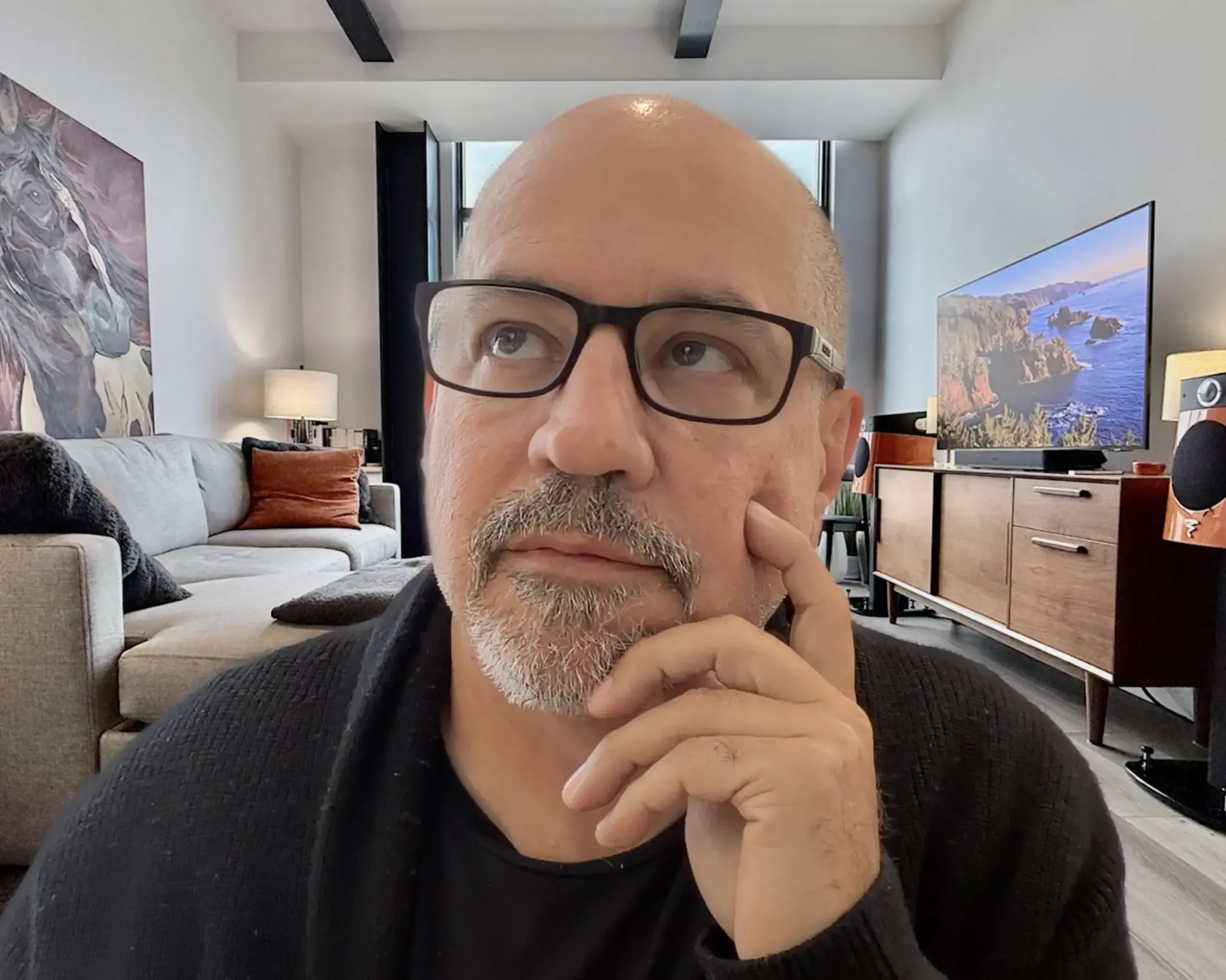
The rules have changed. Read why millions of experienced professionals are redefining work, purpose and what’s next

Explore why success itself may be the hardest habit to leave behind.

When a career ends, what remains? One executive’s journey from approval to authentic confidence.
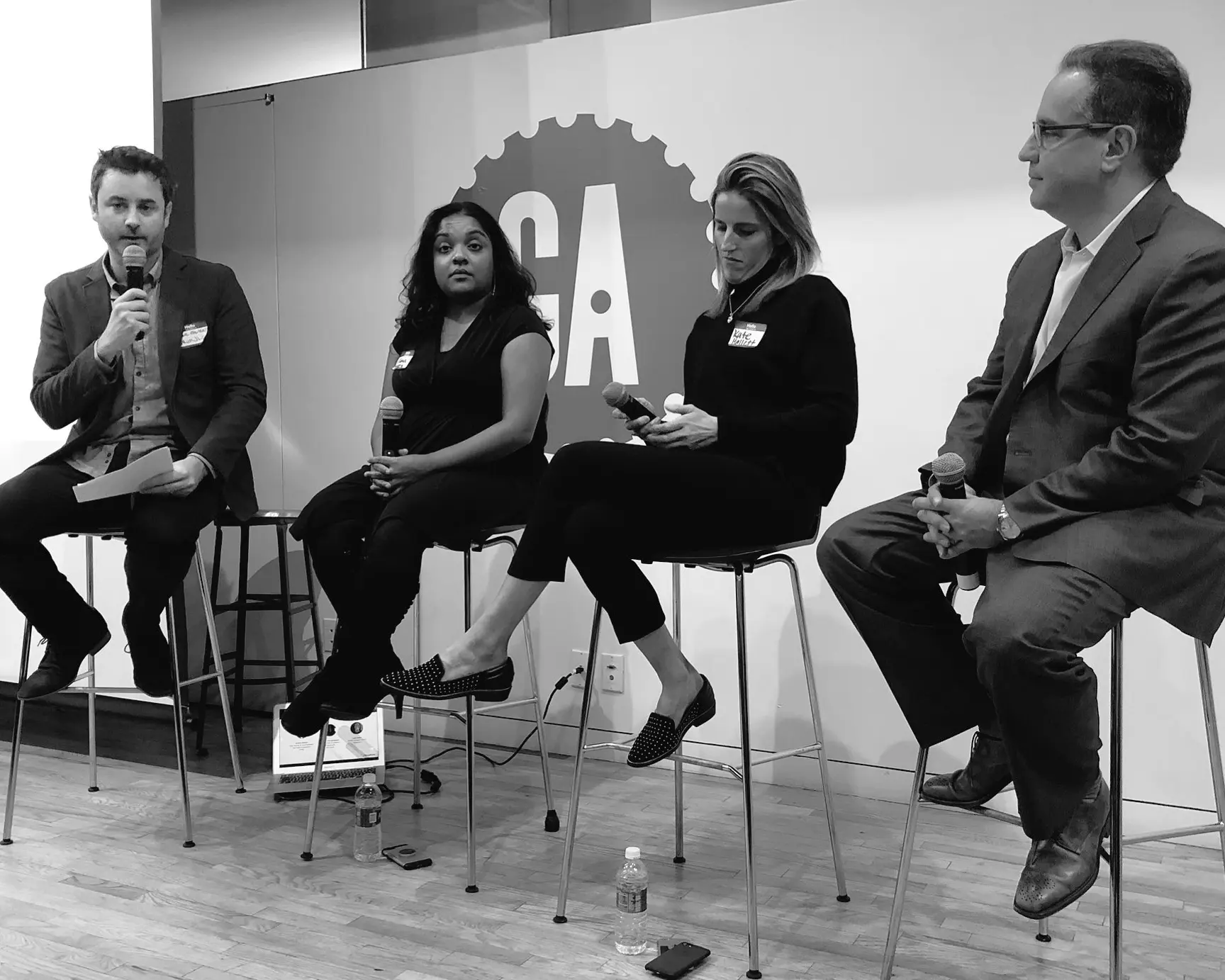
A personal reflection on aging, curiosity, and why experience still matters in the future of work.

What happens when the life you built no longer fully reflects who you’ve become?

After decades chasing momentum, Aaron Strout found success answered fewer questions than expected.
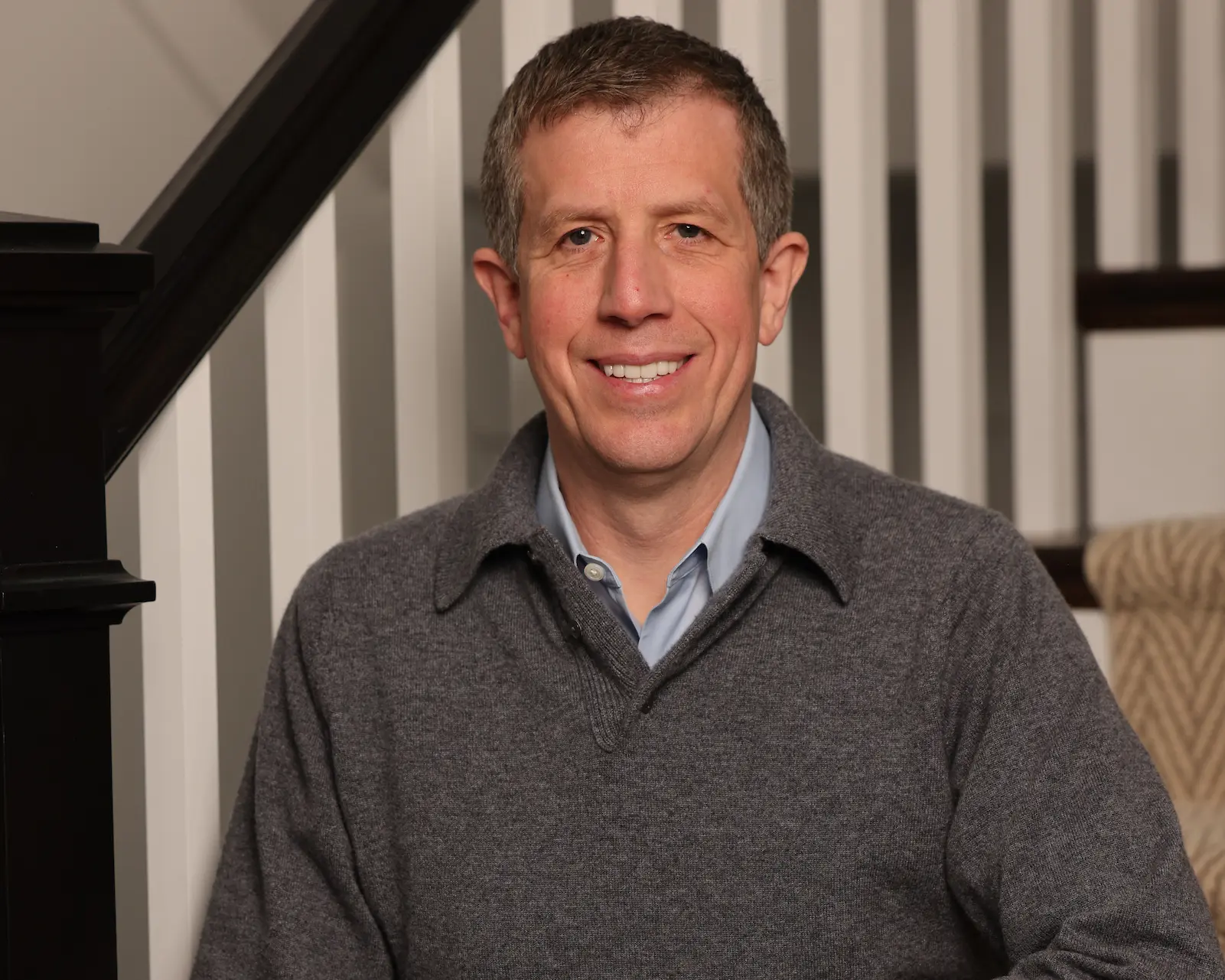
A conversation inspired by Geoff Curtis’s Embracing Your Own Purgatory and the search for purpose after 50.
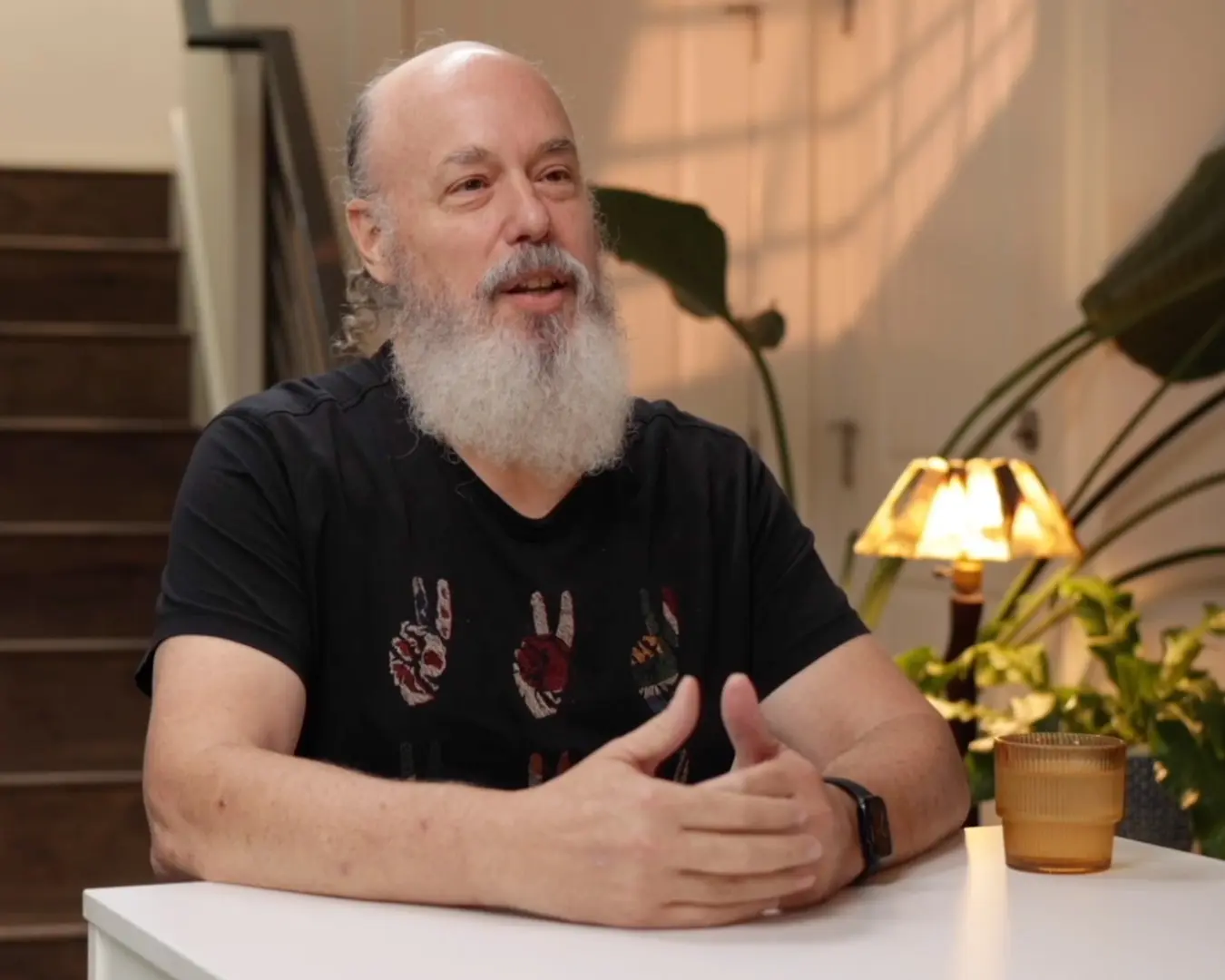
Bob Pearson shows how staying curious turns experience into leverage, impact, and freedom.
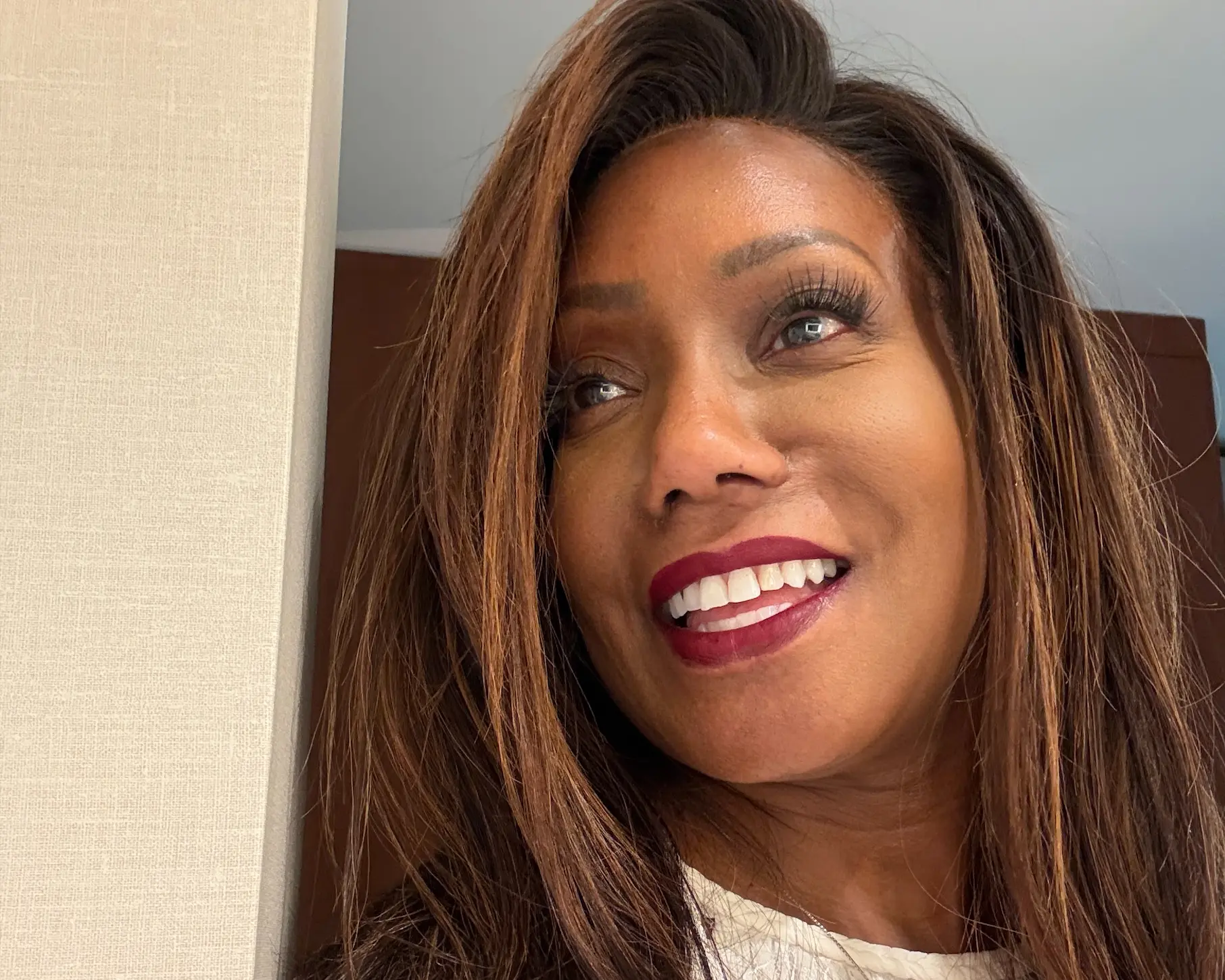
Charlene Wheeless shows how choosing visibility becomes an act of impact, not performance.

Reinvention after 50 isn’t about bravery alone. It’s about money, experience, and knowing when the math works.

Three paths. Real stories. See how people over 50 navigate change, purpose, and possibility on their terms.

A milestone birthday, a pandemic, and a château spark an unexpected second act in France.

One marketer’s journey from misunderstanding tequila to honoring its heritage becomes his second act.

When the next title stops mattering, one CMO changes the scoreboard and bets on Gen X.

From billion-dollar boardrooms to boutique jam making, one leader redesigns work to finally serve life.

At 58, he walked away from corporate certainty to build a handmade future, one printed card at a time.


Flip the Script is our new series spotlighting real stories of reinvention, freedom, and choice after 50.

Feeling stuck at 50, Paul Sutton found purpose in helping men speak honestly. His journey proves no one is alone.

How trusting her intuition led to building a mission born from crisis.