Creating space for men to speak
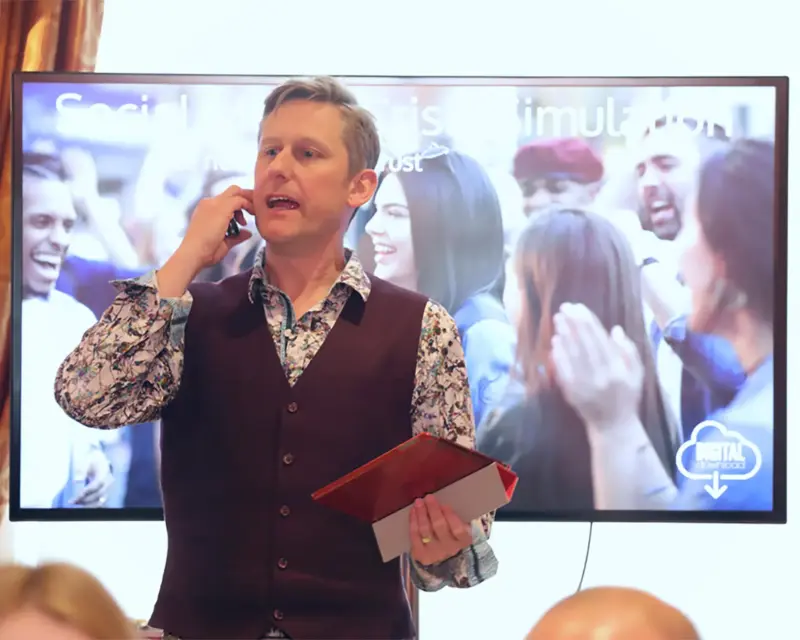
Paul Sutton is building something men desperately need: a space where they can admit they’re struggling without being told they’re broken.
Sutton’s Middle Man podcast reaches 10,000 listeners monthly, 85 percent of them men navigating midlife restlessness and loss of direction. In just one year, he has received 150 personal messages from men describing nearly identical experiences, proof that the isolation they feel is itself an illusion.
The podcast emerged from Sutton’s own crisis. At 50, the UK-based digital marketing consultant found himself sliding into what he describes simply as “misery” – a grinding absence of meaning that made each day feel performative.
His father’s death sharpened the questions. After 25 years in digital marketing, his consultancy work felt hollow. He had spent so long pleasing others that when he tried listing things he actually enjoyed, he struggled to name any.
At a friend’s 50th birthday party, everyone was laughing; he felt numb. The next morning, he told himself, “I can’t keep going like this.
The book that changed everything
He began researching and came across Dan Stanley’s Rethinking Masculinity. “It was like a light went on in my head,” he says. “Maybe I’m going through this because I had no awareness of midlife, didn’t even know one existed, wasn’t expecting it.”
Sutton had been podcasting professionally for four years. He understood the medium, and he noticed that almost nothing addressed men’s midlife experiences directly. He launched Middle Man as an experiment with minimal expectations.
Within months, it took off. Messages poured in—men describing the same stuckness, the melting of their lives into service of everyone else, the slow loss of direction.
He rejects the idea that men don’t talk. “The idea that men won’t talk or don’t talk is absolute rubbish,” he says. “It’s just that men don’t feel they have a space to be able to talk.” Middle Man proves the point. Given permission and structure, men open up readily.

The impact at home
The transformation in Sutton’s own life has been real. His wife says he is “much more communicative” now, actually discussing his feelings instead of defaulting to “nothing” when she asks what’s wrong.
The night he told her, “I think I’m going through a midlife crisis,” became a pivot point. “If she’d have shut me down or laughed at me, I probably wouldn’t be talking to you now,” he says. “But her acceptance is what gave me the courage to move forward.”
These days, he feels steadier—more open, more at ease. He has found purpose in helping other men realize they’re not alone. He’s building something meaningful that fills a genuine void.
The vision and the catch
But Sutton is still stuck between two identities. He sees Middle Man expanding into corporate training, speaking, a resource hub, even a book. For now, it is still just a podcast.
“The podcast is one part of it, but it could and should be a lot more than that,” he says. He is working on a new season launching in January, but he urges new listeners to start with the original episodes.
The challenge is economic, and there’s a Catch-22: he still needs his consultancy income. Building Middle Manproperly requires time and money he can’t generate without first building Middle Man.
There is something deeper too. Sutton admits he has long struggled with self-worth. Even with 100,000 total downloads, he asks himself why it’s not a million. “I have the vision,” he says, “I just don’t have the confidence to push it, to drive it as I should.”
Still, he is solving problems as they arise. He is exploring monetization, has done early corporate training work, and is learning what resonates most with his audience. He adjusts content accordingly.
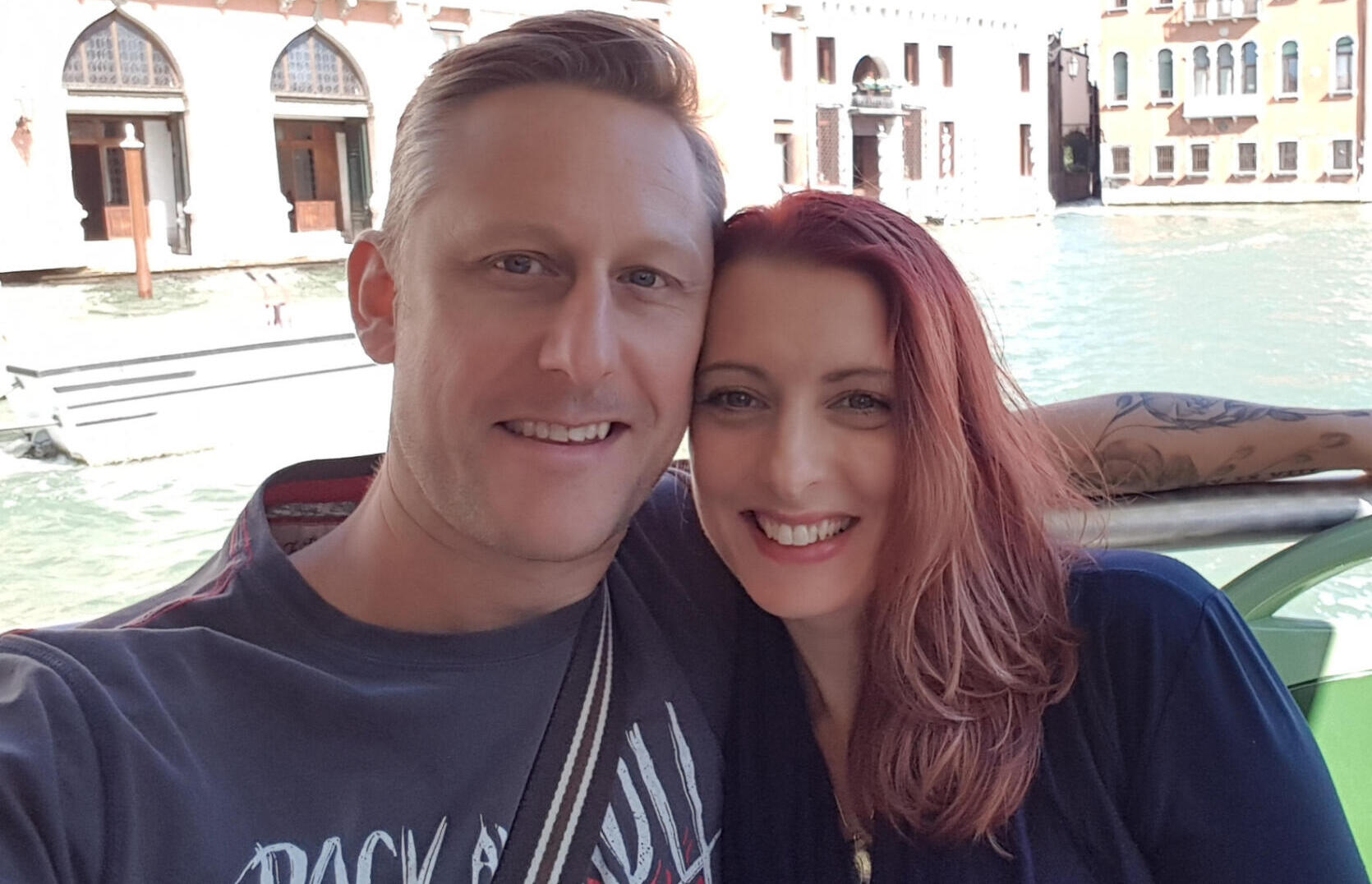
Paul with wife Michelle in Venice, Italy
Learning to swim
He’s living the same message he shares with other men: “You don’t have to stay stuck in your life. Just because you’ve got to 45 or 50 and you feel stuck, you don’t have to be that way. You can make changes to make things better. You don’t have to put up with it.”
Sutton’s story isn’t about instant transformation. It’s about learning to swim after years of standing on the shore, convinced you already knew how.
The first strokes weren’t cinematic—they were awkward, practical, and private. He started by admitting he was miserable, by telling his wife instead of hiding behind “nothing’s wrong.” He picked up a book, listened to podcasts, and realized he wasn’t alone.
Those early acts—the conversation, the reading, the recognition—were the dog paddle of recovery. Each kept him afloat.
What he wants men to know
What Sutton wants most is for men to understand they’re not broken. His podcast offers that first quiet push off the wall—the reassurance that it’s safe to move and start swimming.
He’s treading water, teaching others to swim, and learning, one steady stroke at a time, how to reach shore himself.
More From the Flip the Script Collection

The casualties aren’t just adults over 50. They’re the companies who missed the memo.

Losing a job after 50 shouldn’t mean reinventing who you are. Maybe it’s the system that needs to change.

The rules of work have changed. Why do we still believe our best work is behind us?
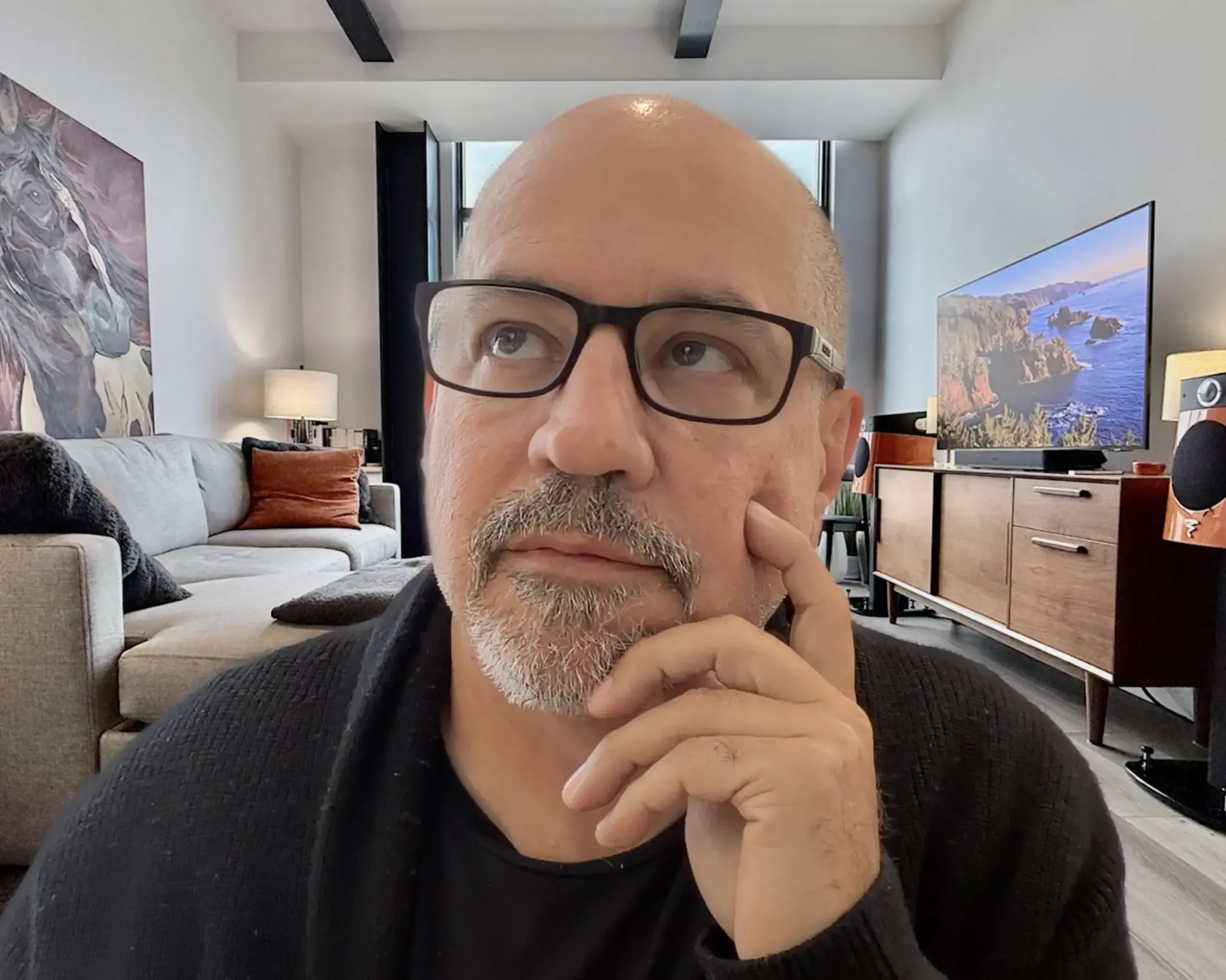
The rules have changed. Read why millions of experienced professionals are redefining work, purpose and what’s next

Explore why success itself may be the hardest habit to leave behind.
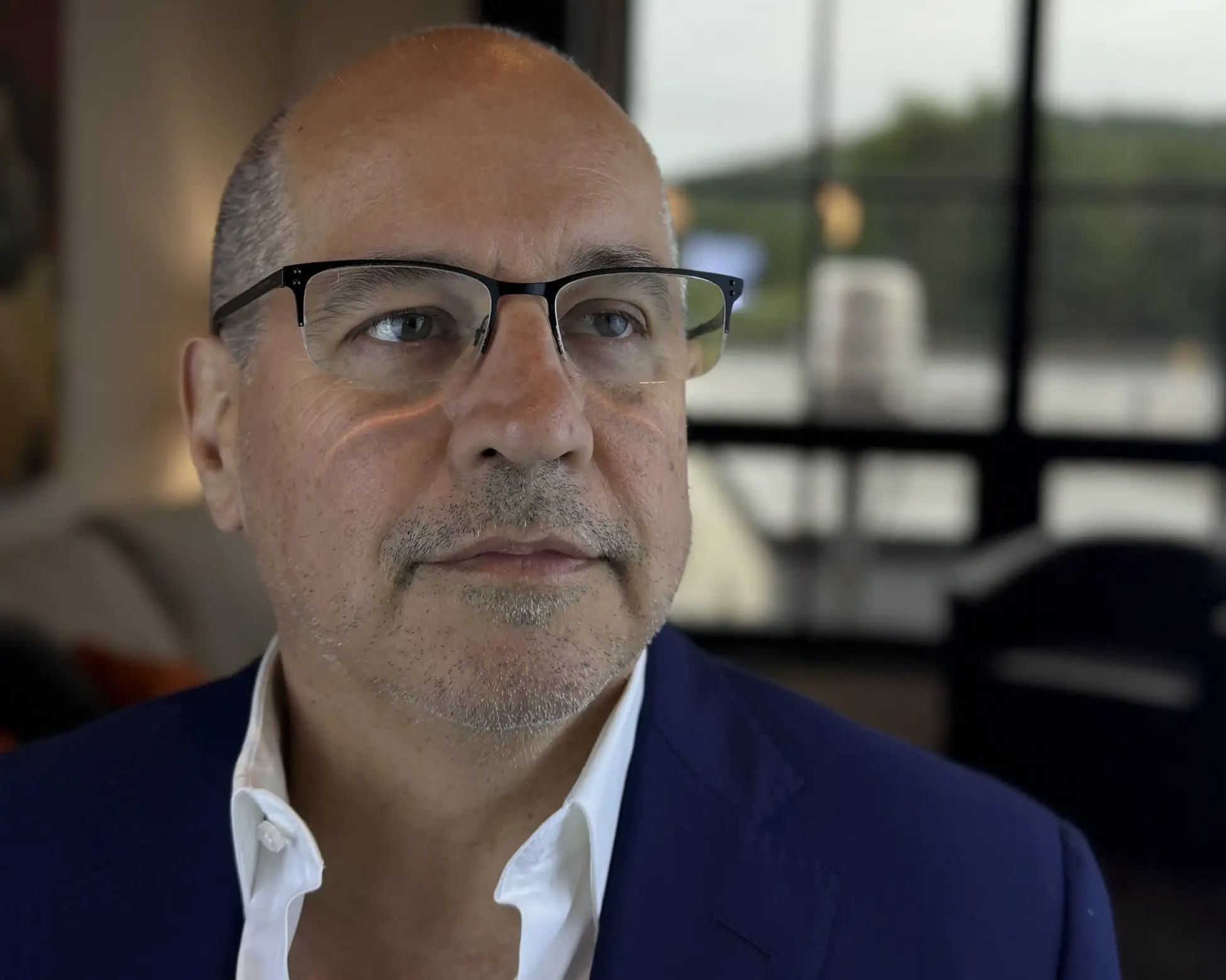
When a career ends, what remains? One executive’s journey from approval to authentic confidence.

A personal reflection on aging, curiosity, and why experience still matters in the future of work.

What happens when the life you built no longer fully reflects who you’ve become?

After decades chasing momentum, Aaron Strout found success answered fewer questions than expected.
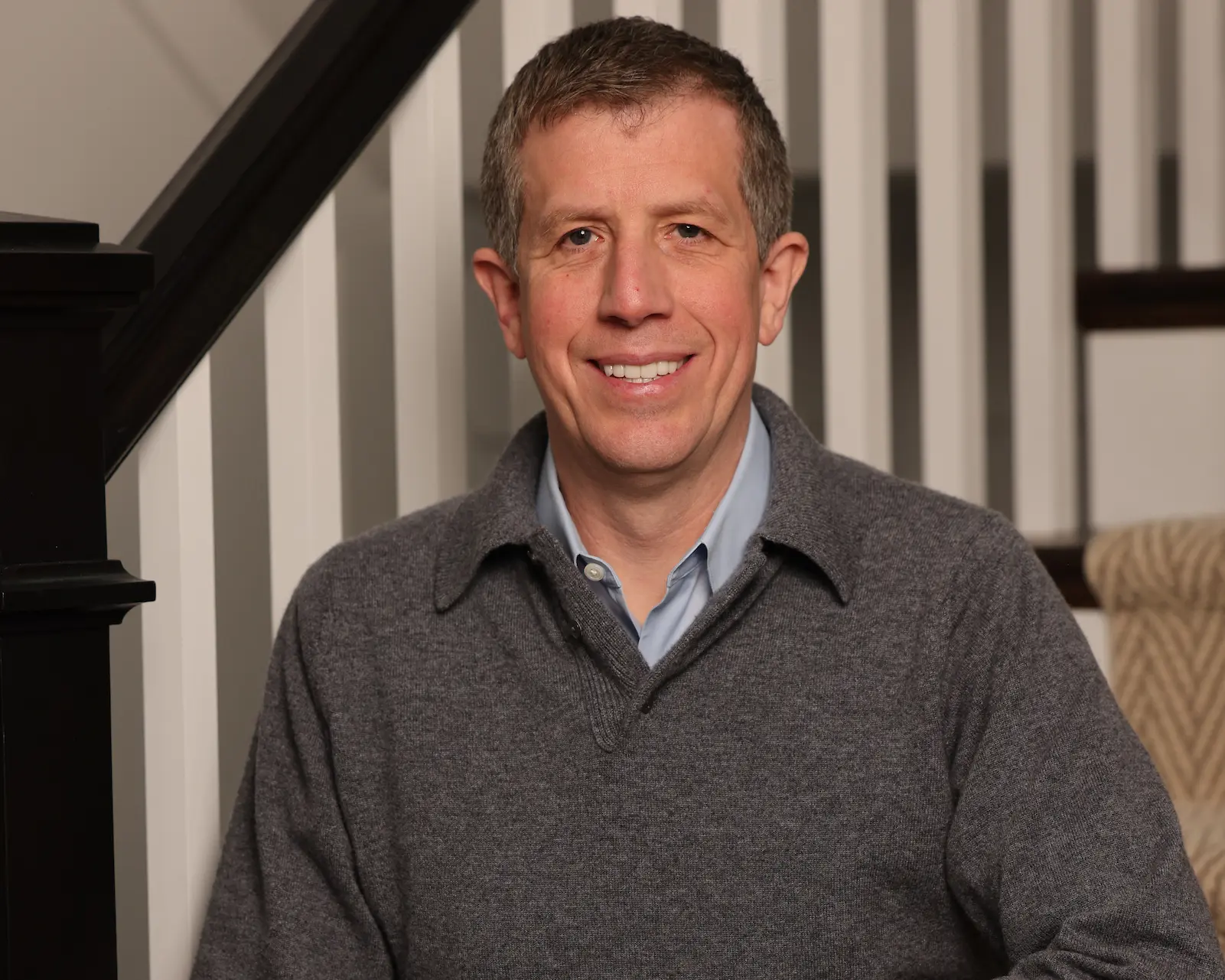
A conversation inspired by Geoff Curtis’s Embracing Your Own Purgatory and the search for purpose after 50.
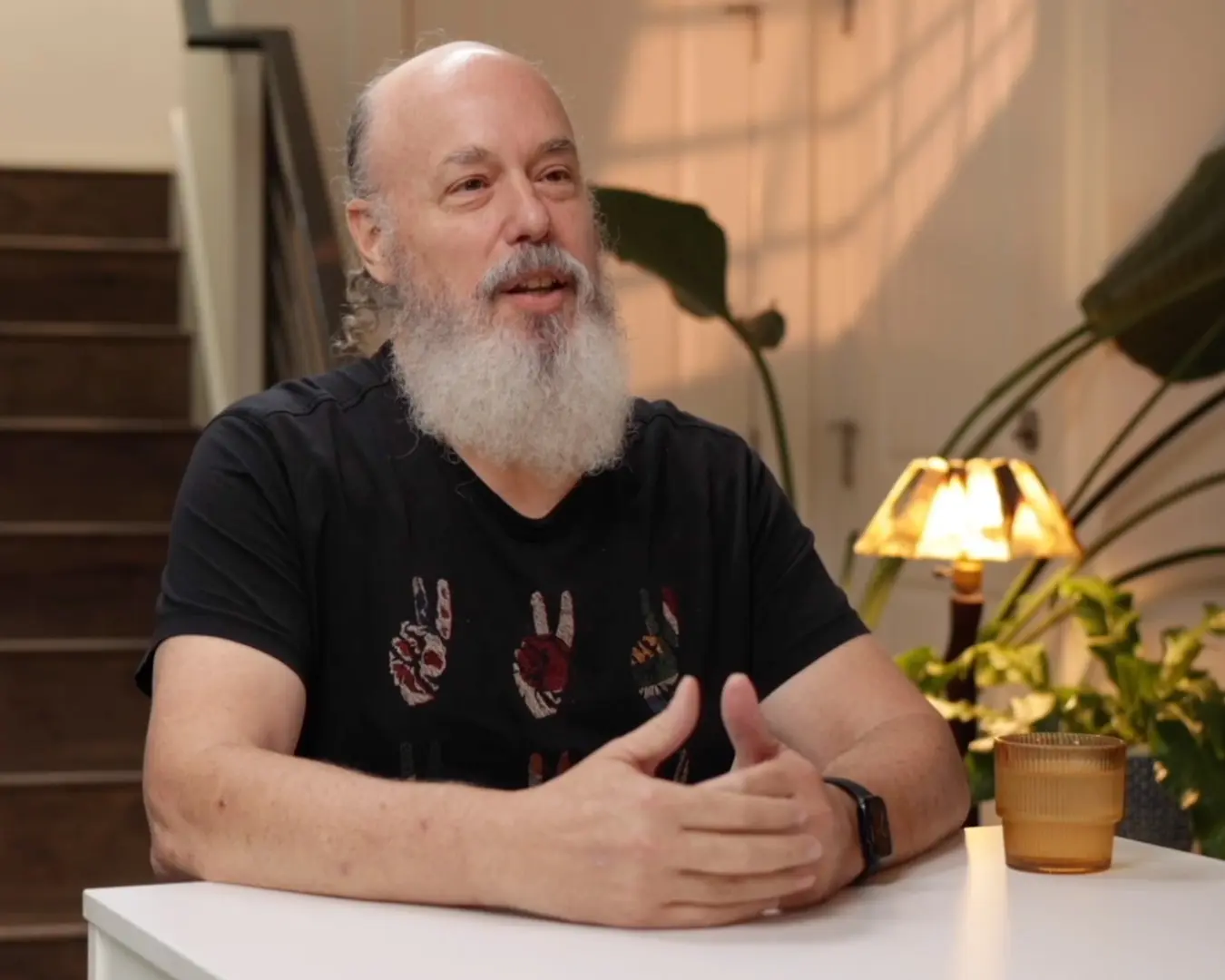
Bob Pearson shows how staying curious turns experience into leverage, impact, and freedom.
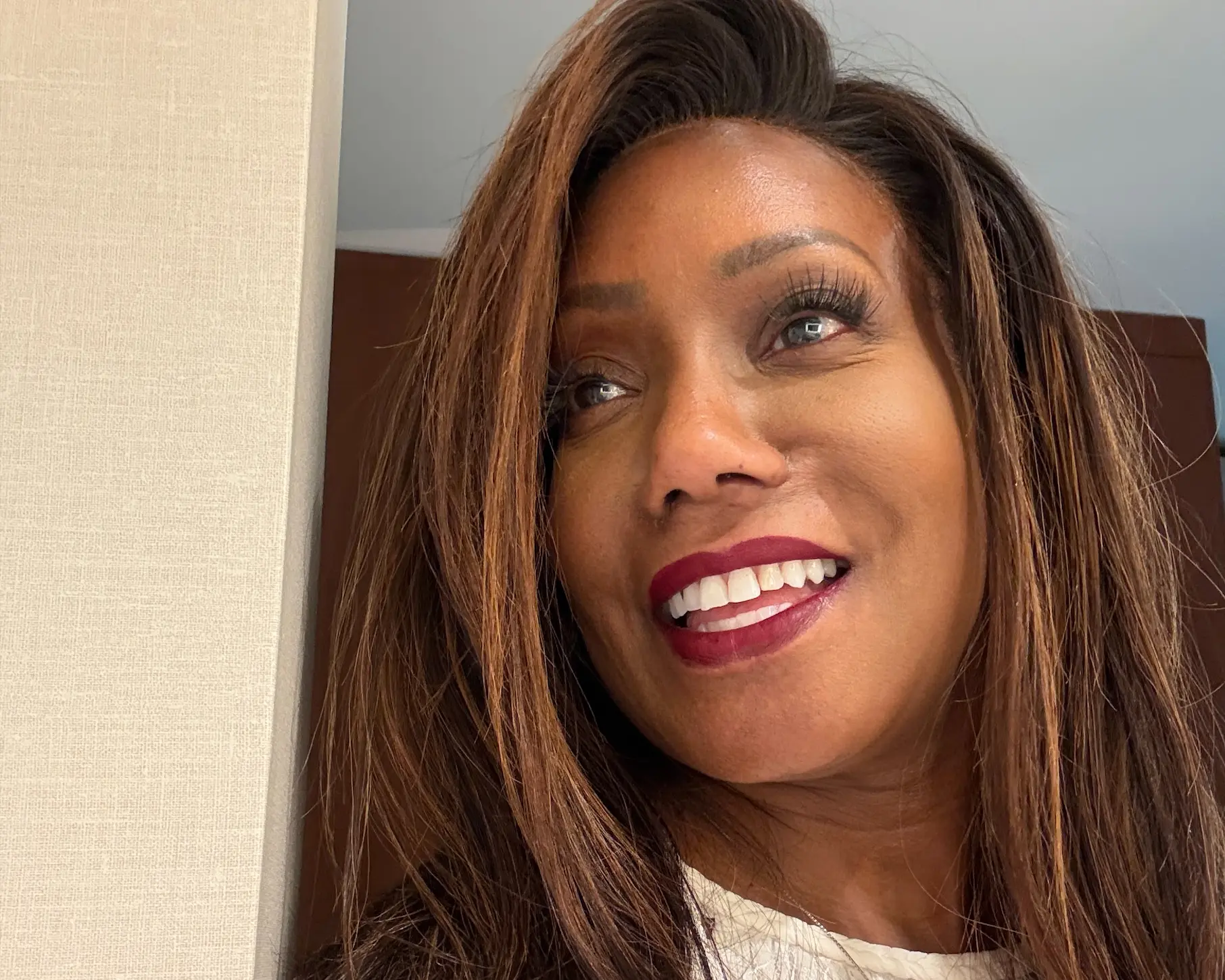
Charlene Wheeless shows how choosing visibility becomes an act of impact, not performance.

Reinvention after 50 isn’t about bravery alone. It’s about money, experience, and knowing when the math works.

Three paths. Real stories. See how people over 50 navigate change, purpose, and possibility on their terms.
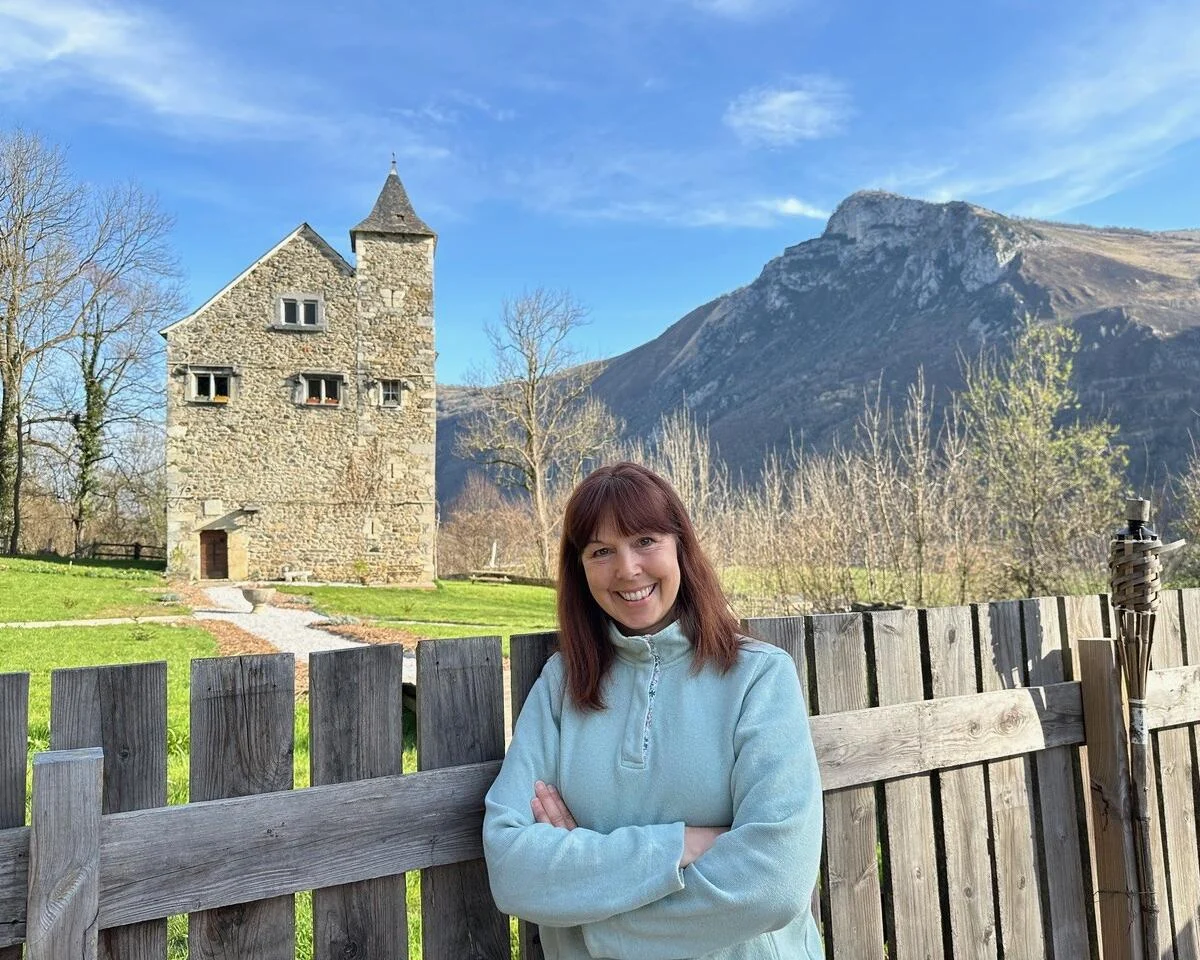
A milestone birthday, a pandemic, and a château spark an unexpected second act in France.

One marketer’s journey from misunderstanding tequila to honoring its heritage becomes his second act.

When the next title stops mattering, one CMO changes the scoreboard and bets on Gen X.

From billion-dollar boardrooms to boutique jam making, one leader redesigns work to finally serve life.
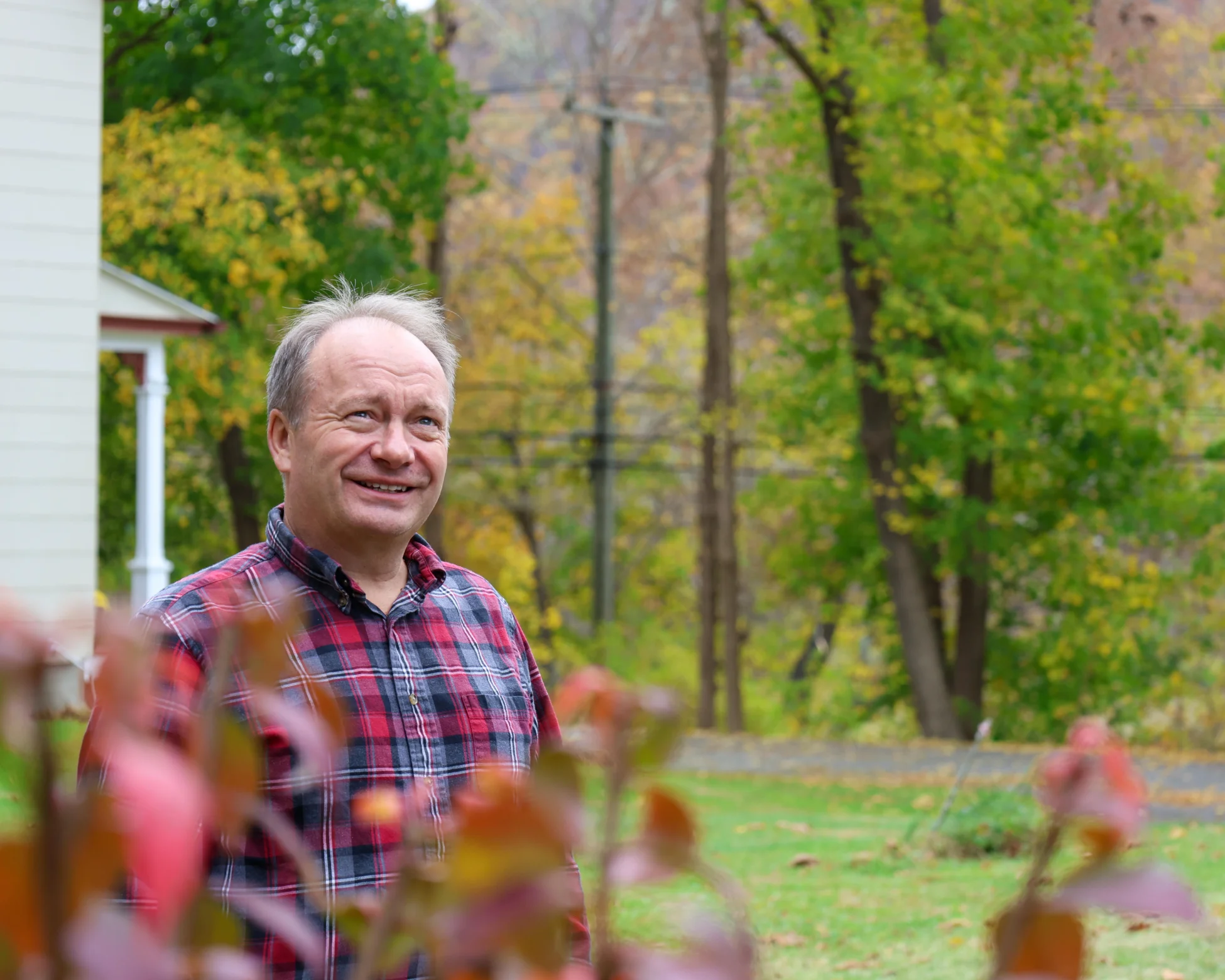
At 58, he walked away from corporate certainty to build a handmade future, one printed card at a time.


A startup leap at 52 changed everything. Scott Morris proves reinvention after 50 is messy, brave, and worth it.

Flip the Script is our new series spotlighting real stories of reinvention, freedom, and choice after 50.
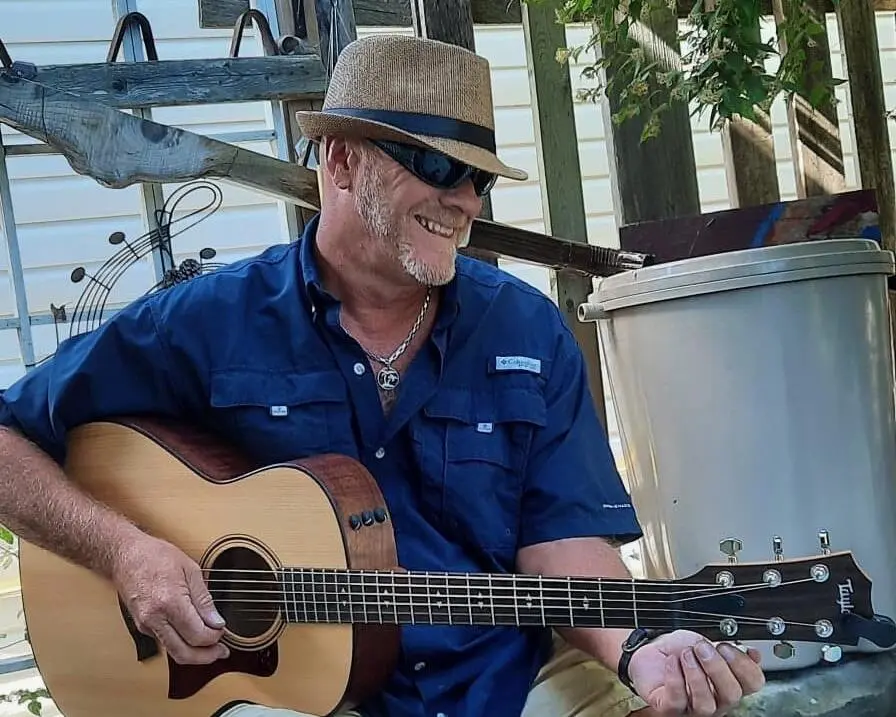
Singer-songwriter Dean Brandsma rewrites his life’s soundtrack. Hear the story behind the song Crossroads.

How trusting her intuition led to building a mission born from crisis.
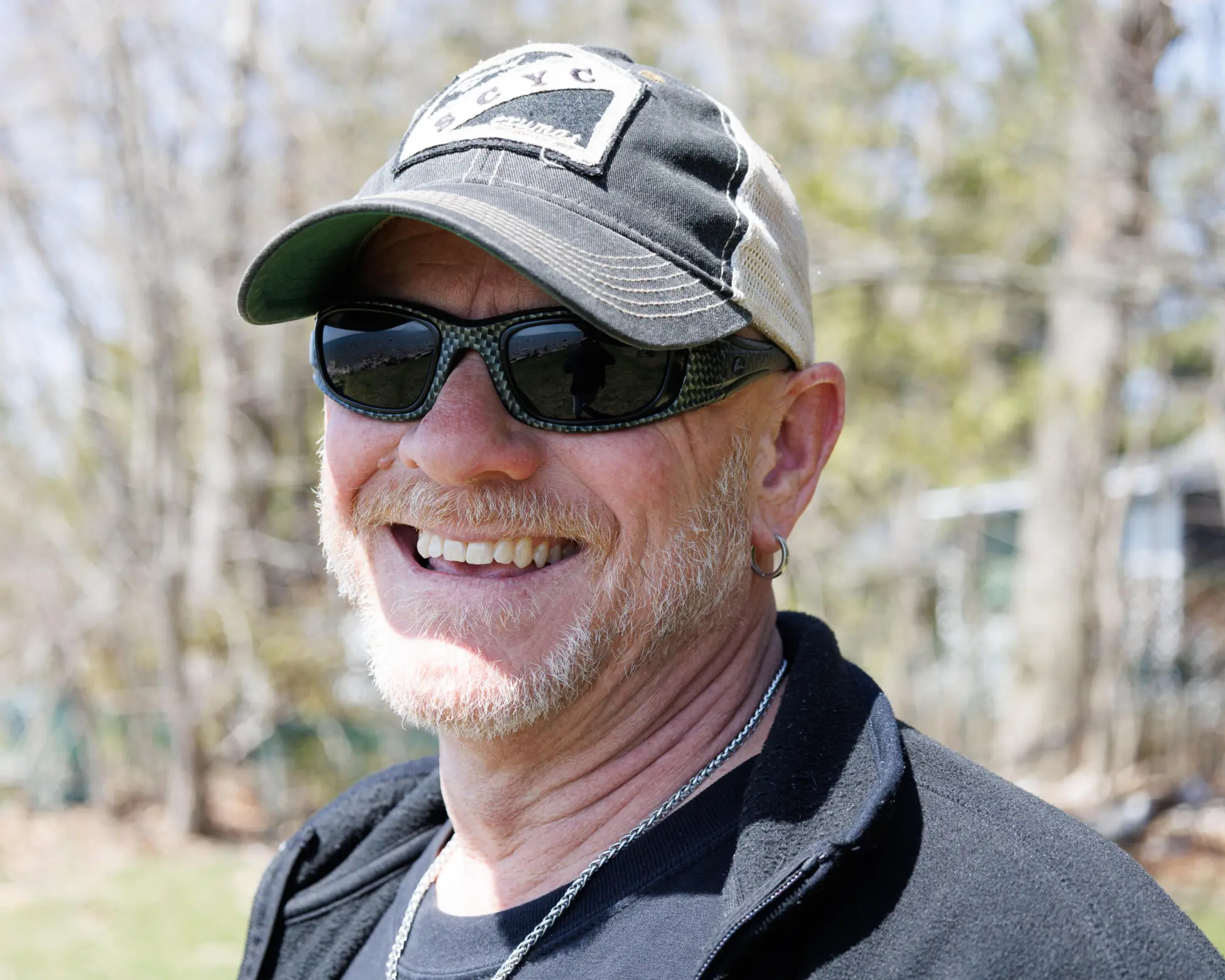
Music changed my life. Playing guitar helped me heal, grow stronger, and embrace change.