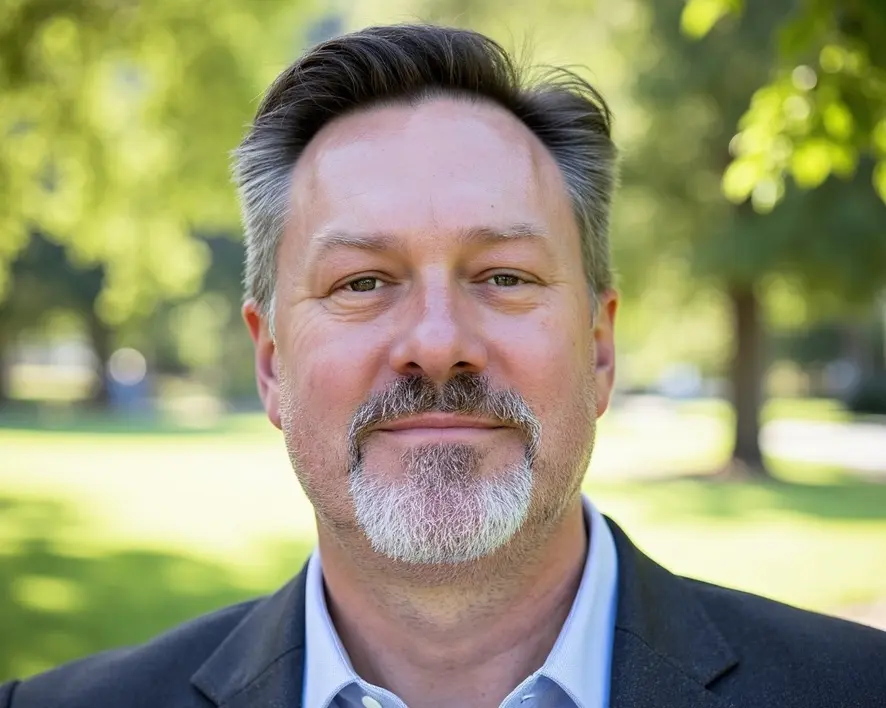
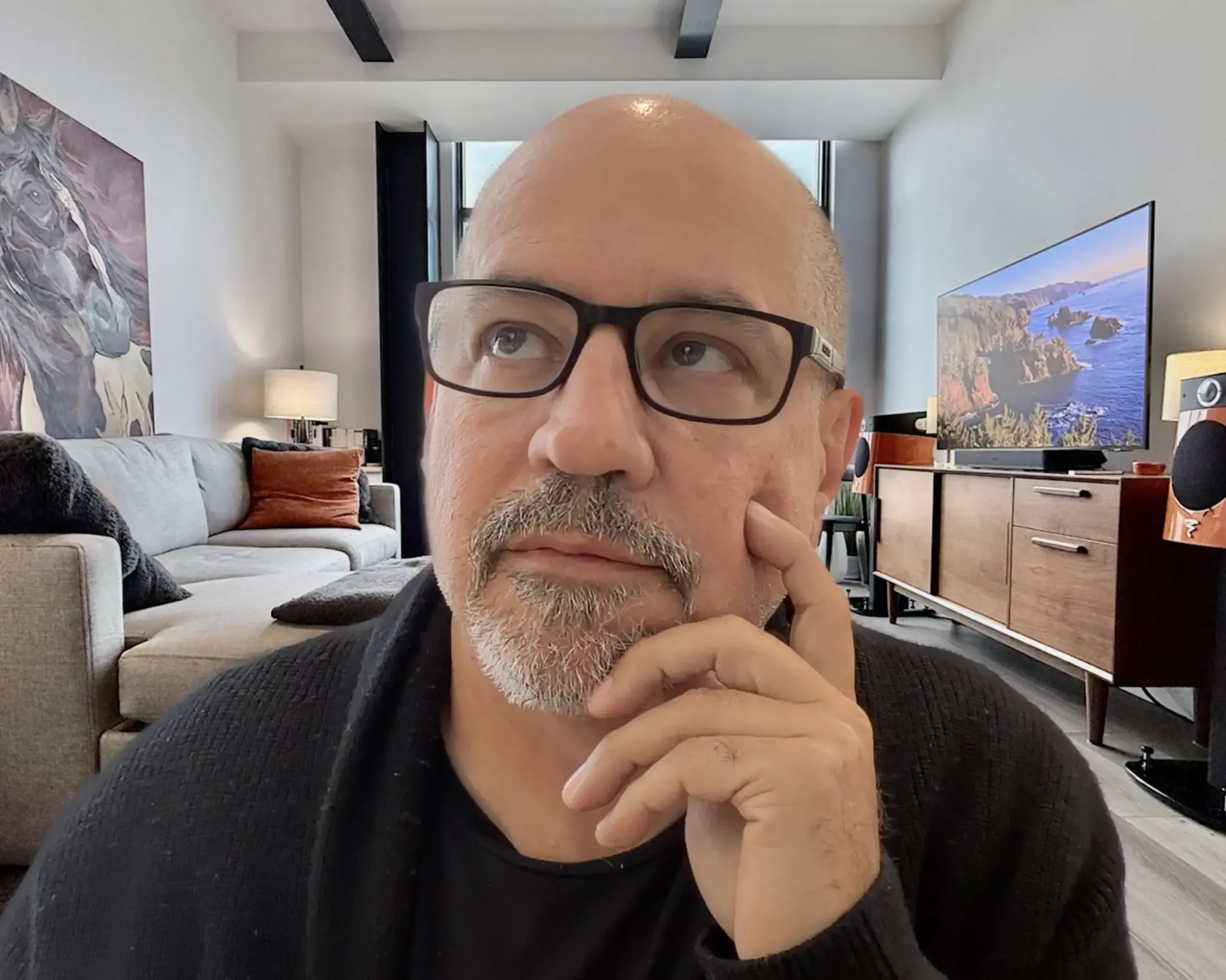
Aaron Strout appears on Zoom from the Bay Area and says he’s nervous.
“I’m very scared of this interview,” the experienced podcaster says, then laughs. He’s joking, but only halfway.
He’s 57. He walked away from a 14-year run as chief marketing officer at Real Chemistry in early 2025, having helped grow the healthcare communications agency from $45 million to $650 million in revenue and a $3 billion valuation. He’s the author of Wired for Purpose. Host of the Reaching Higher podcast. Board seats. The occasional consulting gig.
And he’s nervous about a 60-minute conversation with a profile writer.
The first six months on the other side of Real Chemistry were disorienting. He wasn’t regretful. But relief and certainty turned out not to be the same thing. He’d been ready to leave.
The firsts had stopped feeling like firsts. The work had begun repeating itself.
It wasn’t the first time he’d had to find his footing in his fifties.
In 2021, Aaron was quietly sliding. He lives for live music, for sports in stadiums, for being out among people. The pandemic had taken all of that.
“I felt like I was swimming in a sea of sameness,” he says. “I got to a place where I felt like I should have seen someone, but there was a level of depression that I probably let go and ignored.”
Five years later, he has a coach he’s worked with for more than a decade, three grown children — the youngest still in college — and a marriage he says keeps getting stronger.
He was ready for the disorientation of 2025.
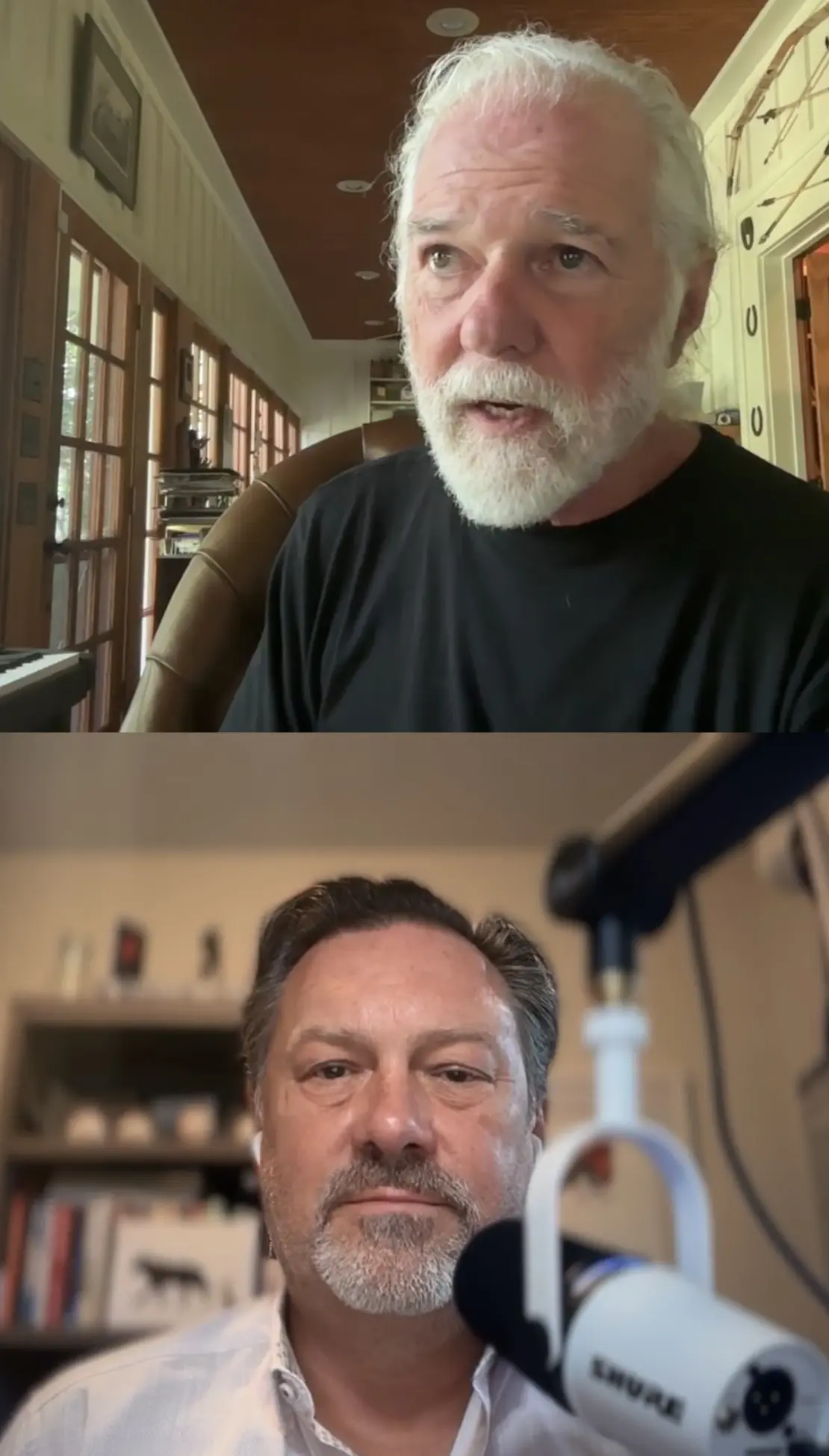
Aaron interviewing Rolling Stones keyboardist and conservationist, Chuck Leavell.
Learning to Hear Feedback
He traces that readiness to Mill Valley, California, in 2013, where he flew out for in-person coursework with executive coach James “Milo.”
Until that week, his posture on feedback had been simple: if you had an issue with how he did something, that was your problem, not his.
Milo, by Aaron’s own account, convinced him that feedback is a gift. Not always pleasant. Not always welcome. But a gift.
“I still don’t always love to hear feedback,” he says, acknowledging it had cost him at one job. “But understanding that feedback is a true gift, whether it’s personal or professional, has been probably the thing that’s had the most profound impact on my life.”
The man who didn’t ask for help at 53 moved through the next disorientation differently.
What Started Before Him
The other thing that helped, Aaron realized only recently, started long before he was born.
His grandmother Barbara Strout was a city clerk and then a state legislator in 1950s small-town America, divorced and remarried when neither was commonly done. Her second husband cooked dinner, worked the garden, and hunted deer while Barbara went to work as the primary breadwinner. Aaron calls him “the OG nouveau guy.” Aaron’s father jumped into early computing in the 1960s.
Aaron knew all of this. What he didn’t see until he was reading his own words out loud in the audiobook booth was the pattern.
He’d thought he was the family pioneer. He was the third generation of one.
He learned from the best, he says, that he loved “new.” The unknown. The chance to try.
What Chapter He’s In
When you ask Aaron what chapter of his life he’s in, he doesn’t reach for a metaphor. He counts.
He pauses. Looks up. Does the math.
“This is sort of my golden chapter right now,” he says. “Let’s say it’s probably Chapter Six out of a 10-chapter book.”
He’s pacing himself, not announcing a last act.
This chapter has a center of gravity his book buries.
Wired for Purpose devotes a full chapter to glioblastoma research, a brain cancer that normally kills within a year. The personal disclosure sits in one sentence on page 196: This disease has affected my family in pretty significant ways over the years.
That’s it.
In conversation, he elaborates. Glioblastoma took his mother-in-law. It took his aunt. It took his uncle.
He no longer experiences it as rare. Too many names have attached themselves to it.
The chapter is for his mother-in-law. And for her daughter.
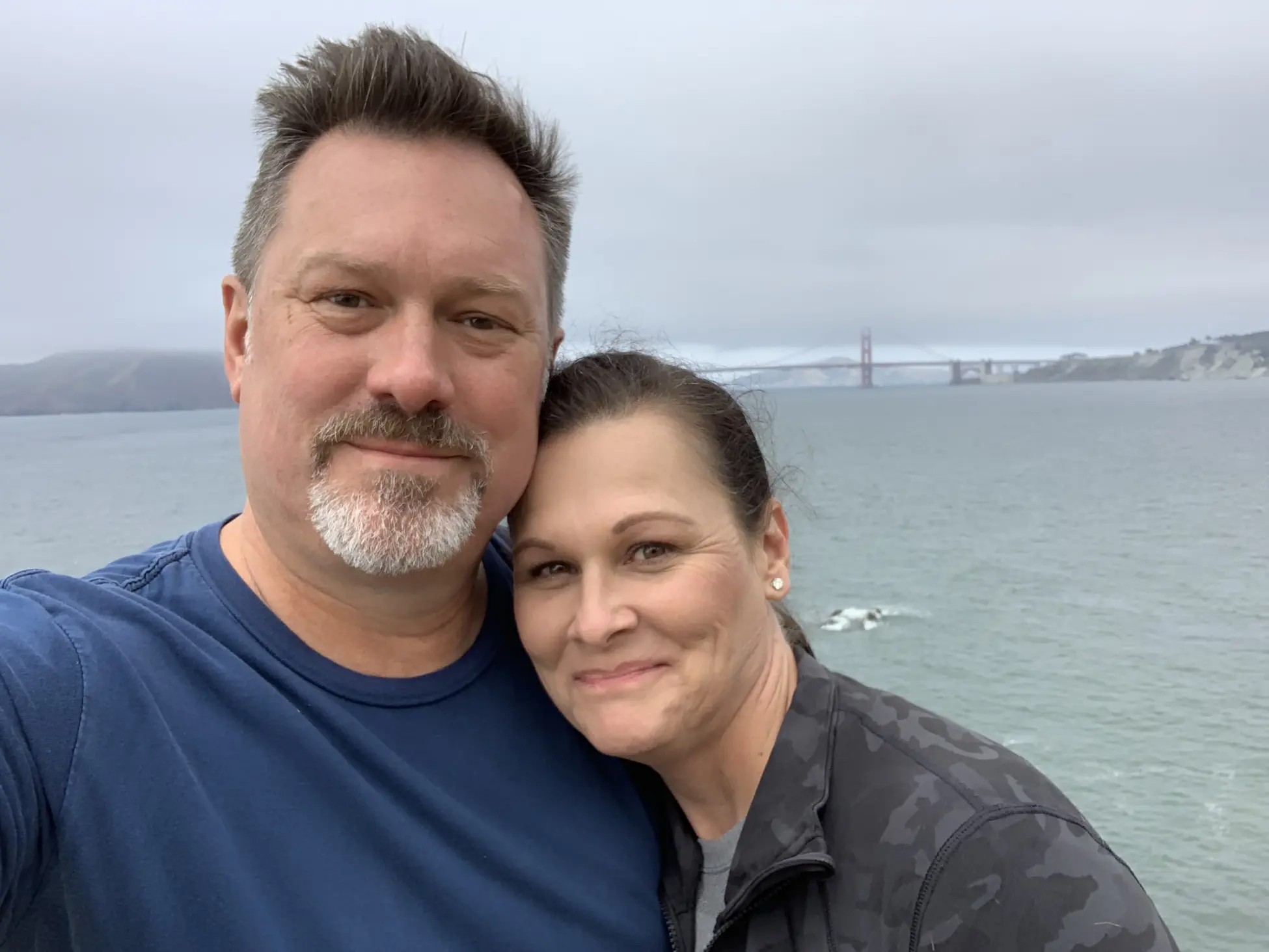
Aaron and his wife Melanie out for a hike at Lands End in San Francisco.
The Man on the Other End of the Question
Toward the end, I asked Aaron a question he often asks his Reaching Higher guests. Of all the famous people he’s interviewed, who left the biggest impact?
The easy answer, he conceded, was his late father.
The real one was Chuck Leavell, the keyboardist for the Rolling Stones, Allman Brothers, and Pink Floyd, who lives with his wife on a few hundred acres of Georgia forest where they work as conservationists.
Aaron had interviewed him before. The second time, Leavell mentioned that his wife has Alzheimer’s. He said it the way people say things when they don’t say them often.
Aaron’s father had dementia. His grandmother had dementia.
He wasn’t ready for Leavell’s disclosure to land the way it did.
“Warm is the only word I can say to describe the conversation,” he says.
For a man who slid through a pandemic and didn’t ask for help, this time he heard what wasn’t being said.
Asked why he thought he could hear it now, he pauses.
“Every day I spend on this earth,” he says, “I realize I’m a little bit smarter. A little bit wiser. A little more EQ.”
When the call wound down, Aaron said he hoped this was the start of something. Reporters don’t often hear that from their subjects.
I told him I felt the same way.


More From the Flip the Script Collection
The casualties aren’t just adults over 50. They’re the companies who missed the memo.
Losing a job after 50 shouldn’t mean reinventing who you are. Maybe it’s the system that needs to change.
The rules of work have changed. Why do we still believe our best work is behind us?
The rules have changed. Read why millions of experienced professionals are redefining work, purpose and what’s next
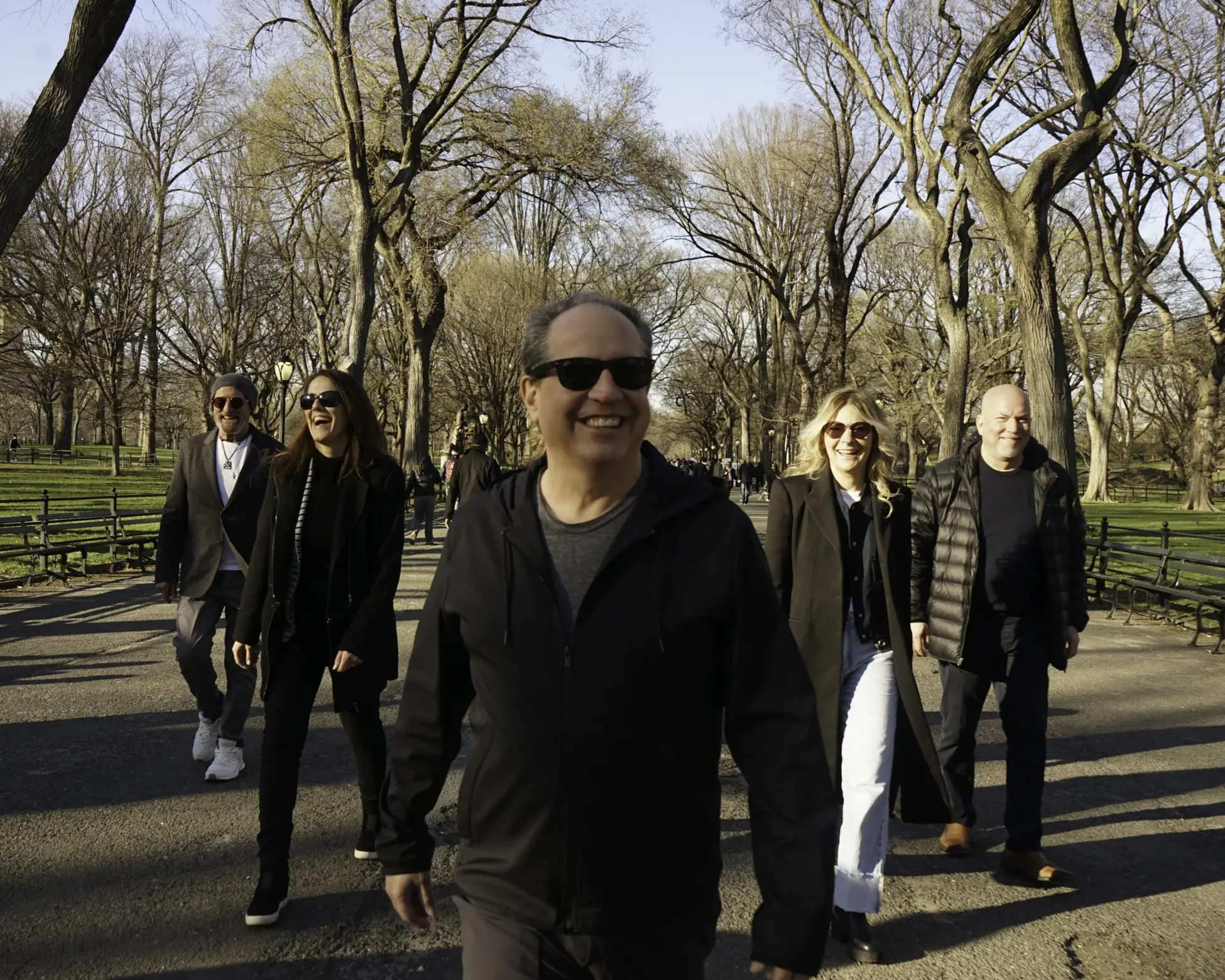
Explore why success itself may be the hardest habit to leave behind.
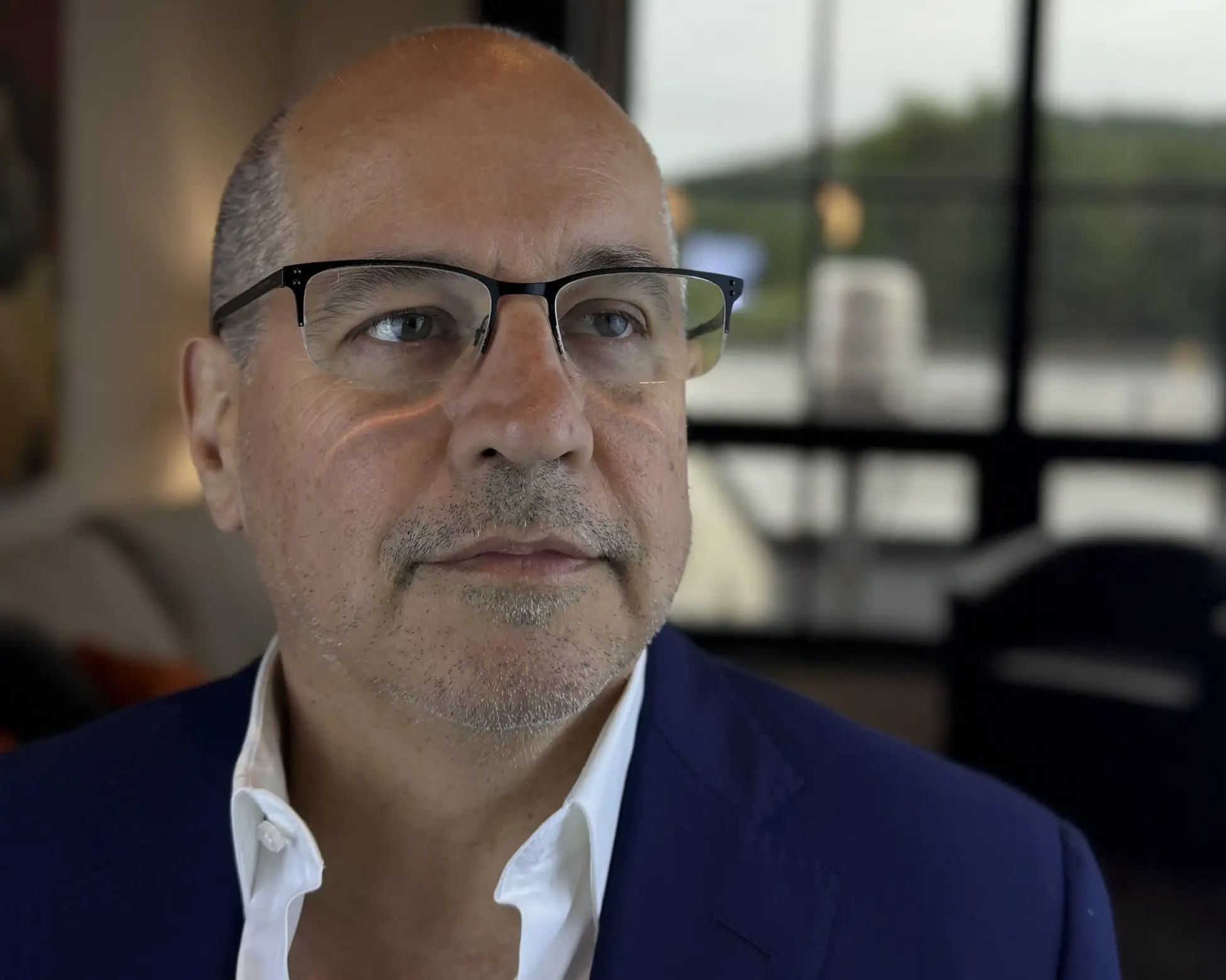
When a career ends, what remains? One executive’s journey from approval to authentic confidence.
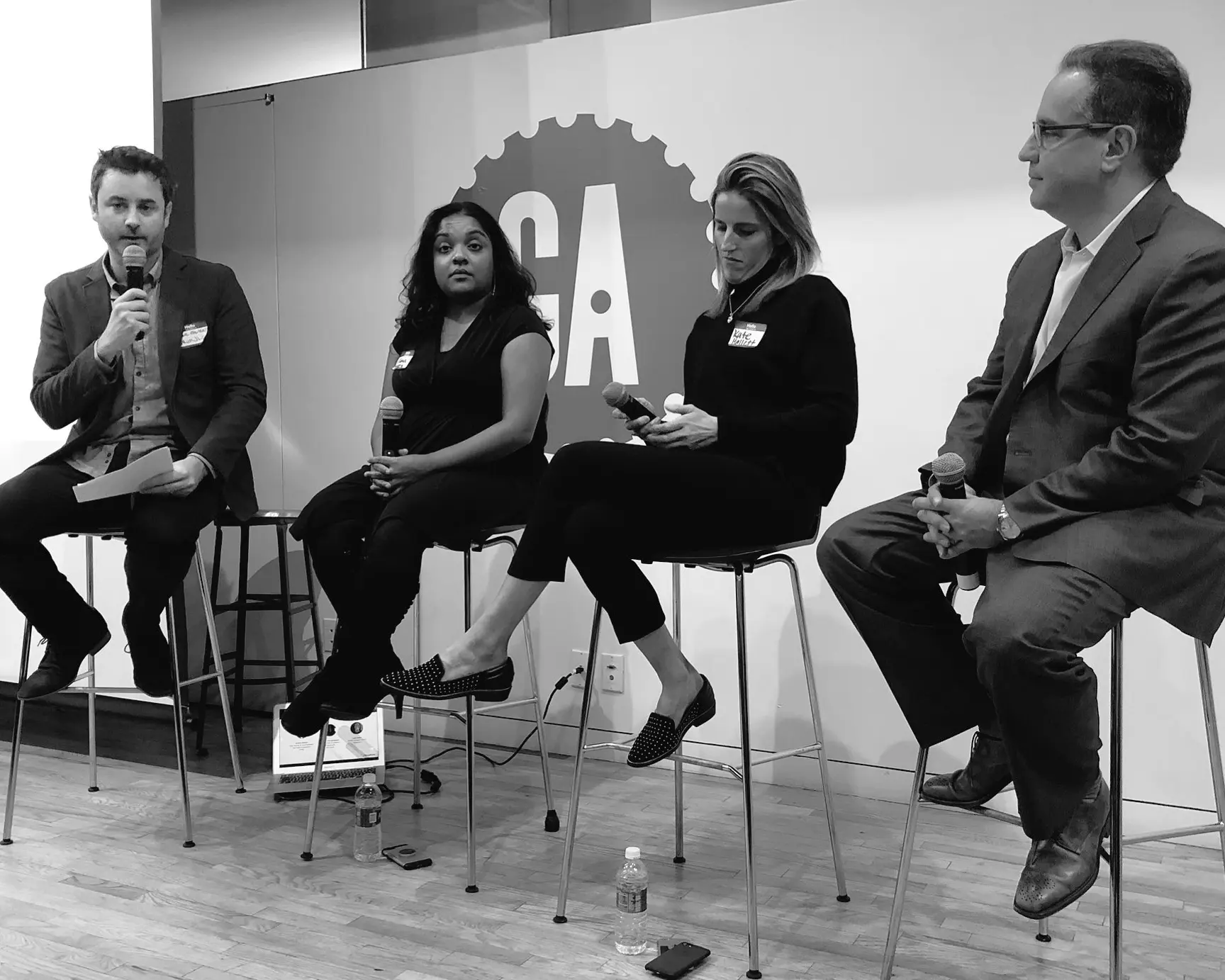
A personal reflection on aging, curiosity, and why experience still matters in the future of work.

What happens when the life you built no longer fully reflects who you’ve become?
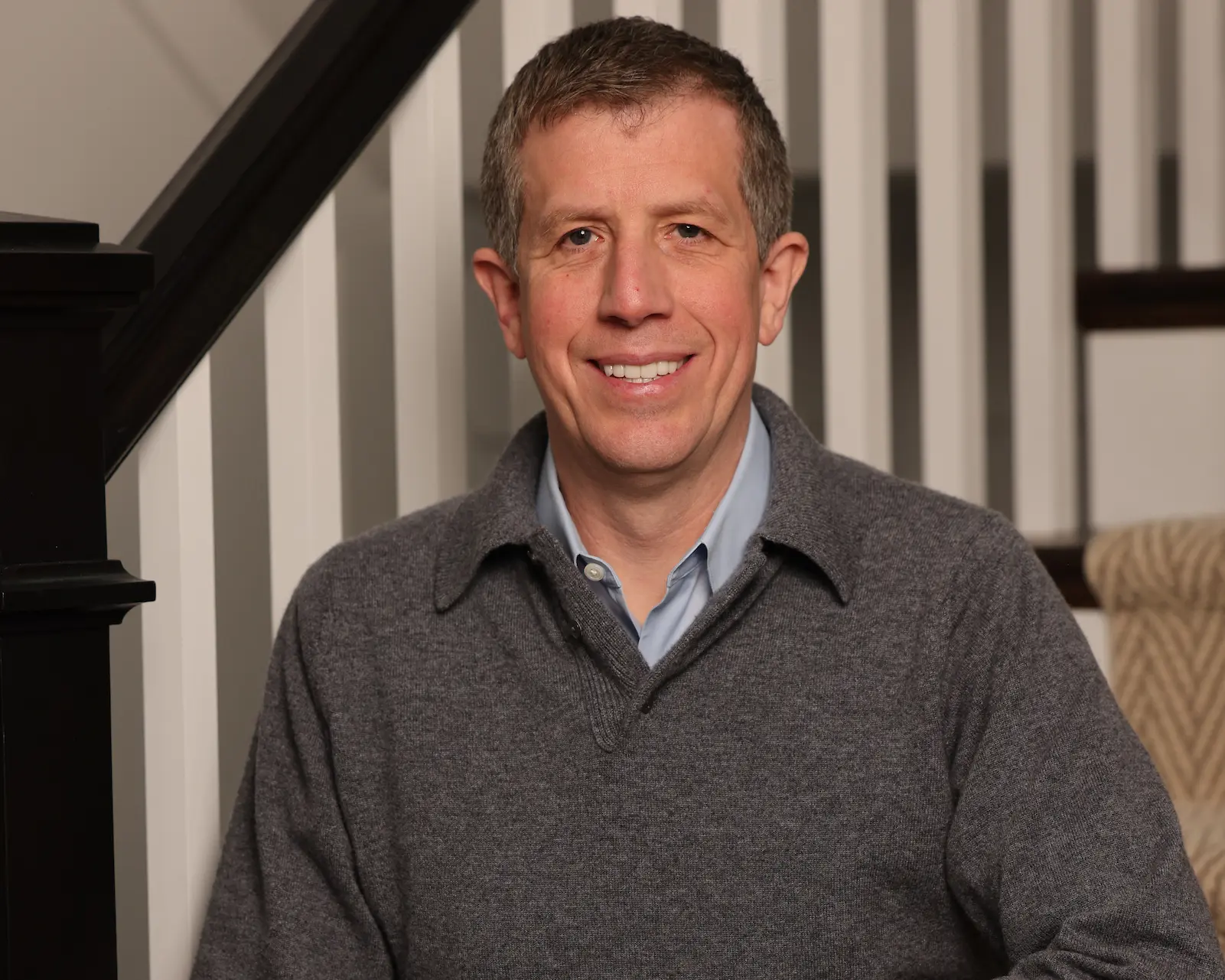
A conversation inspired by Geoff Curtis’s Embracing Your Own Purgatory and the search for purpose after 50.
Bob Pearson shows how staying curious turns experience into leverage, impact, and freedom.
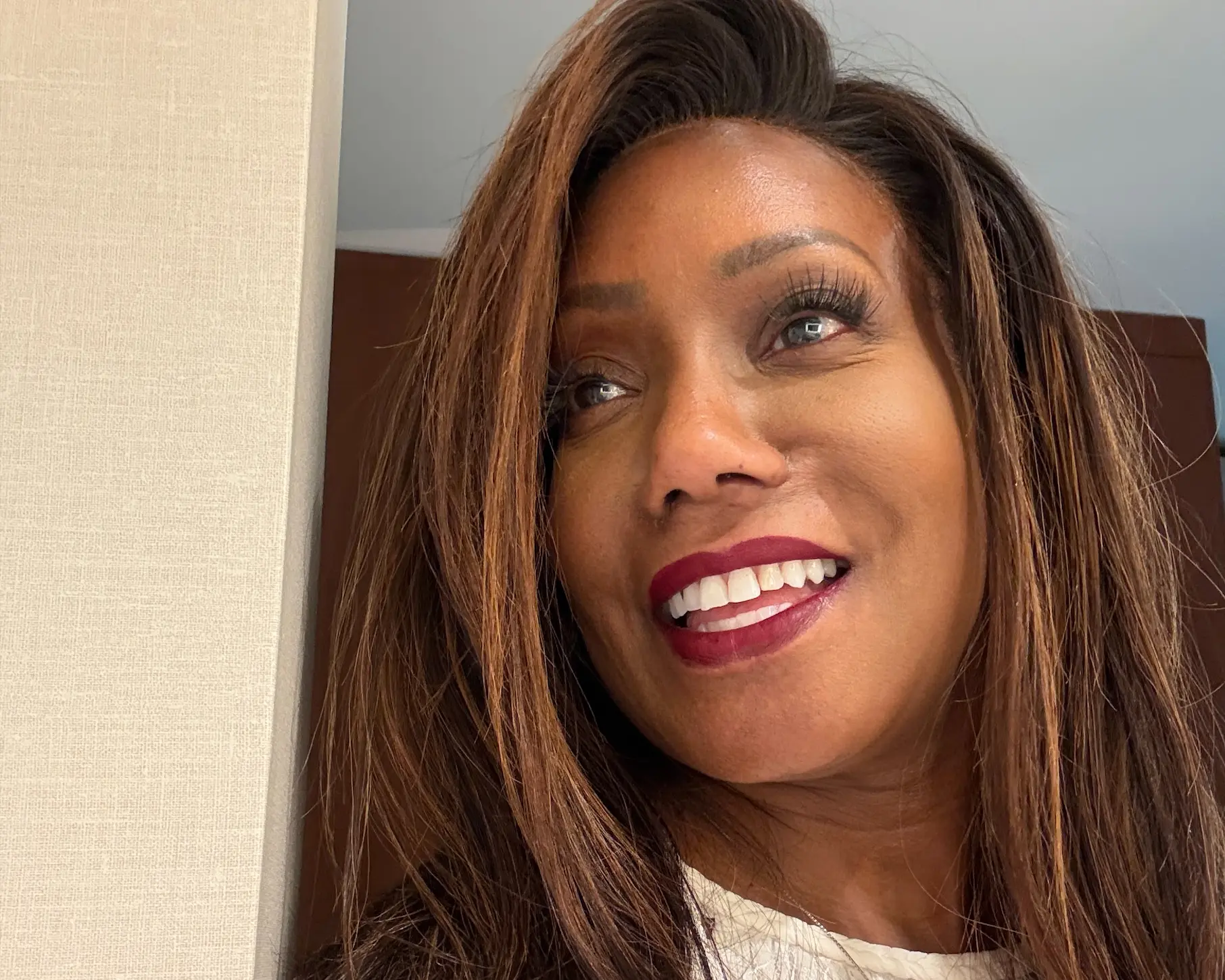
Charlene Wheeless shows how choosing visibility becomes an act of impact, not performance.

Reinvention after 50 isn’t about bravery alone. It’s about money, experience, and knowing when the math works.

Three paths. Real stories. See how people over 50 navigate change, purpose, and possibility on their terms.
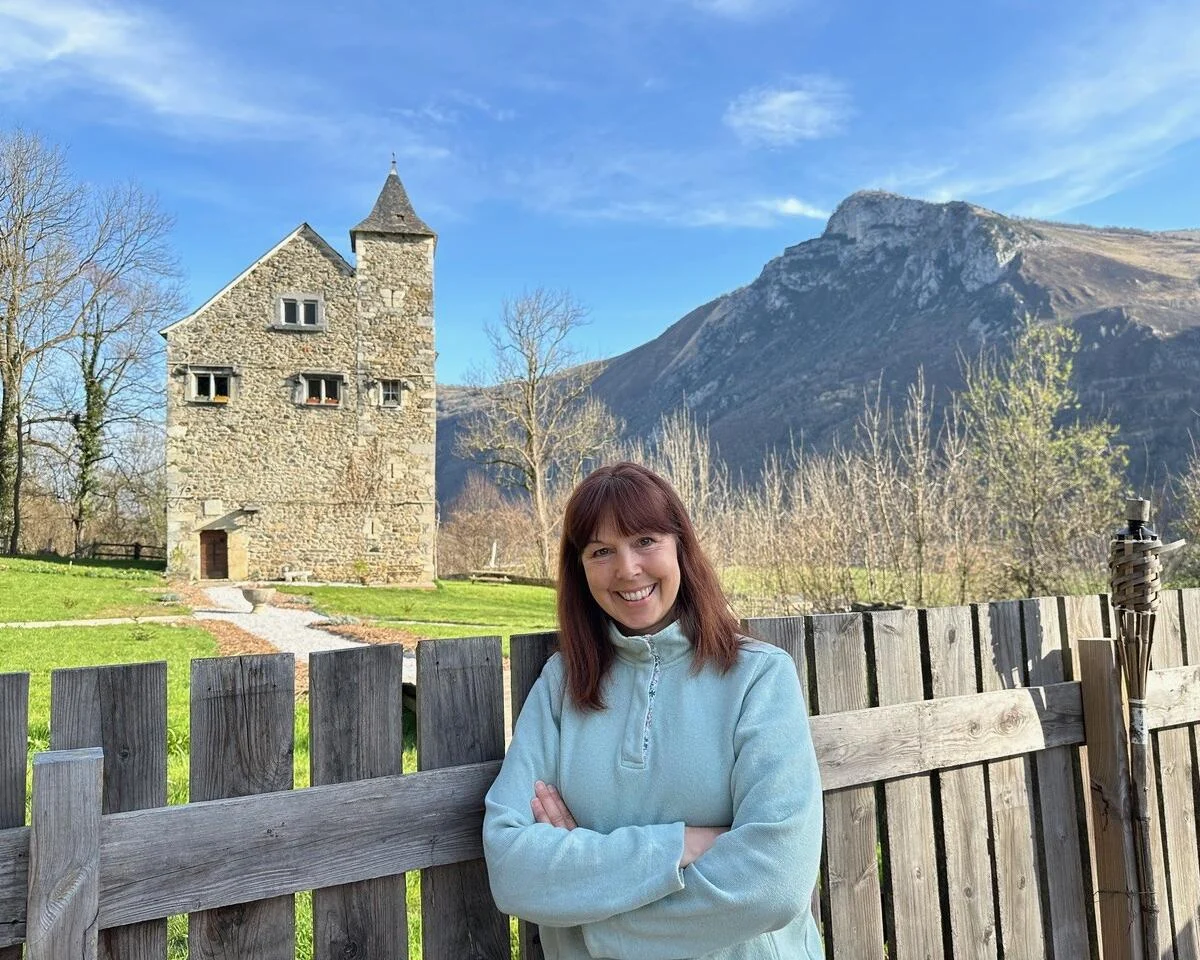
A milestone birthday, a pandemic, and a château spark an unexpected second act in France.
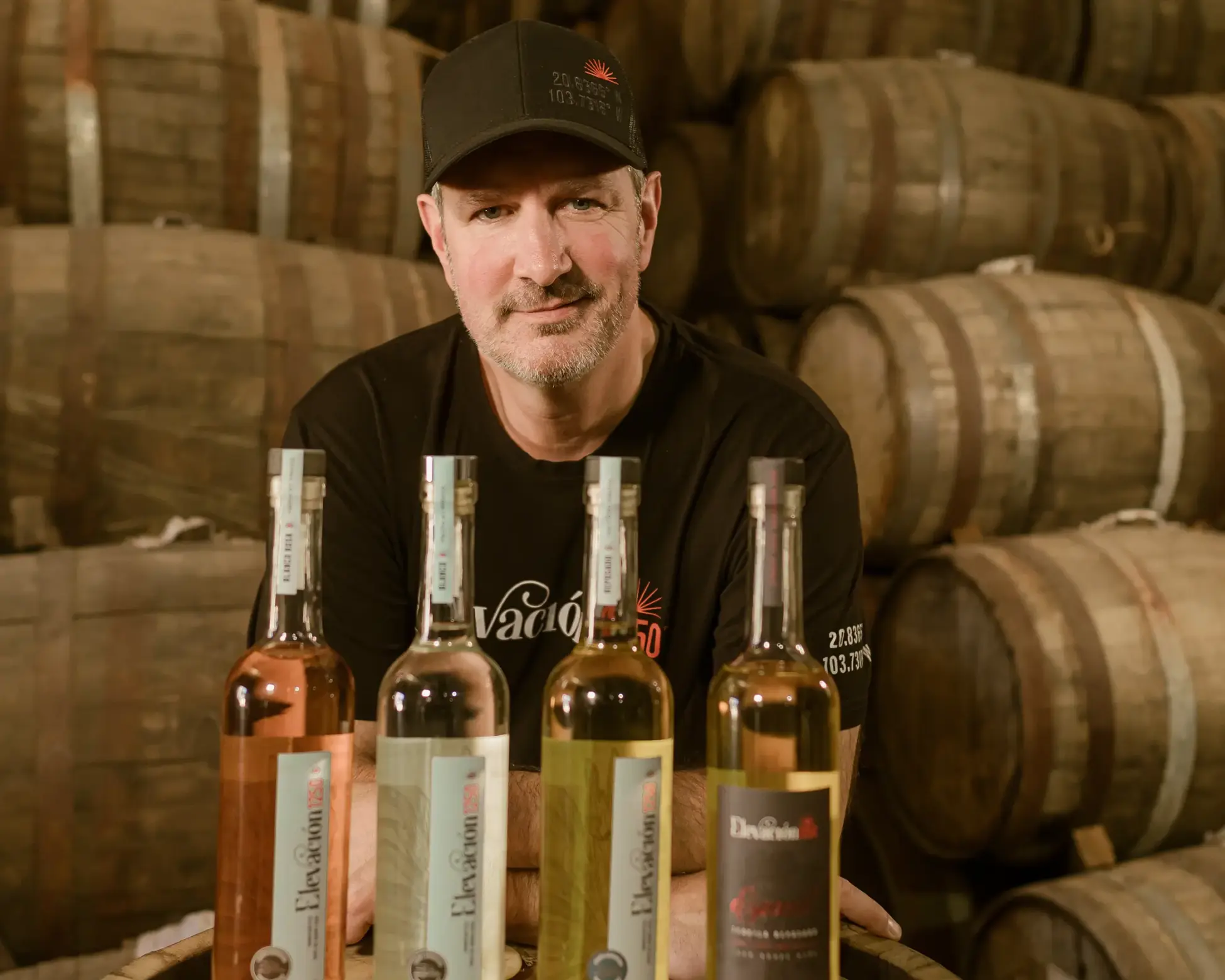
One marketer’s journey from misunderstanding tequila to honoring its heritage becomes his second act.
When the next title stops mattering, one CMO changes the scoreboard and bets on Gen X.

From billion-dollar boardrooms to boutique jam making, one leader redesigns work to finally serve life.
At 58, he walked away from corporate certainty to build a handmade future, one printed card at a time.
Her daughter said four words that changed everything. Faith Jennings left a VP career and chose life instead.

A startup leap at 52 changed everything. Scott Morris proves reinvention after 50 is messy, brave, and worth it.

Flip the Script is our new series spotlighting real stories of reinvention, freedom, and choice after 50.

Feeling stuck at 50, Paul Sutton found purpose in helping men speak honestly. His journey proves no one is alone.
Singer-songwriter Dean Brandsma rewrites his life’s soundtrack. Hear the story behind the song Crossroads.

How trusting her intuition led to building a mission born from crisis.
Music changed my life. Playing guitar helped me heal, grow stronger, and embrace change.