Every generation inherits ideas that seem permanent until history quietly proves otherwise.
One of those ideas is that our careers follow a predictable path. We learn when we’re young, build our expertise through middle age and eventually step aside for the next generation. It made sense when people lived shorter lives, industries changed slowly and retirement marked the end of meaningful work.
None of that is true anymore.
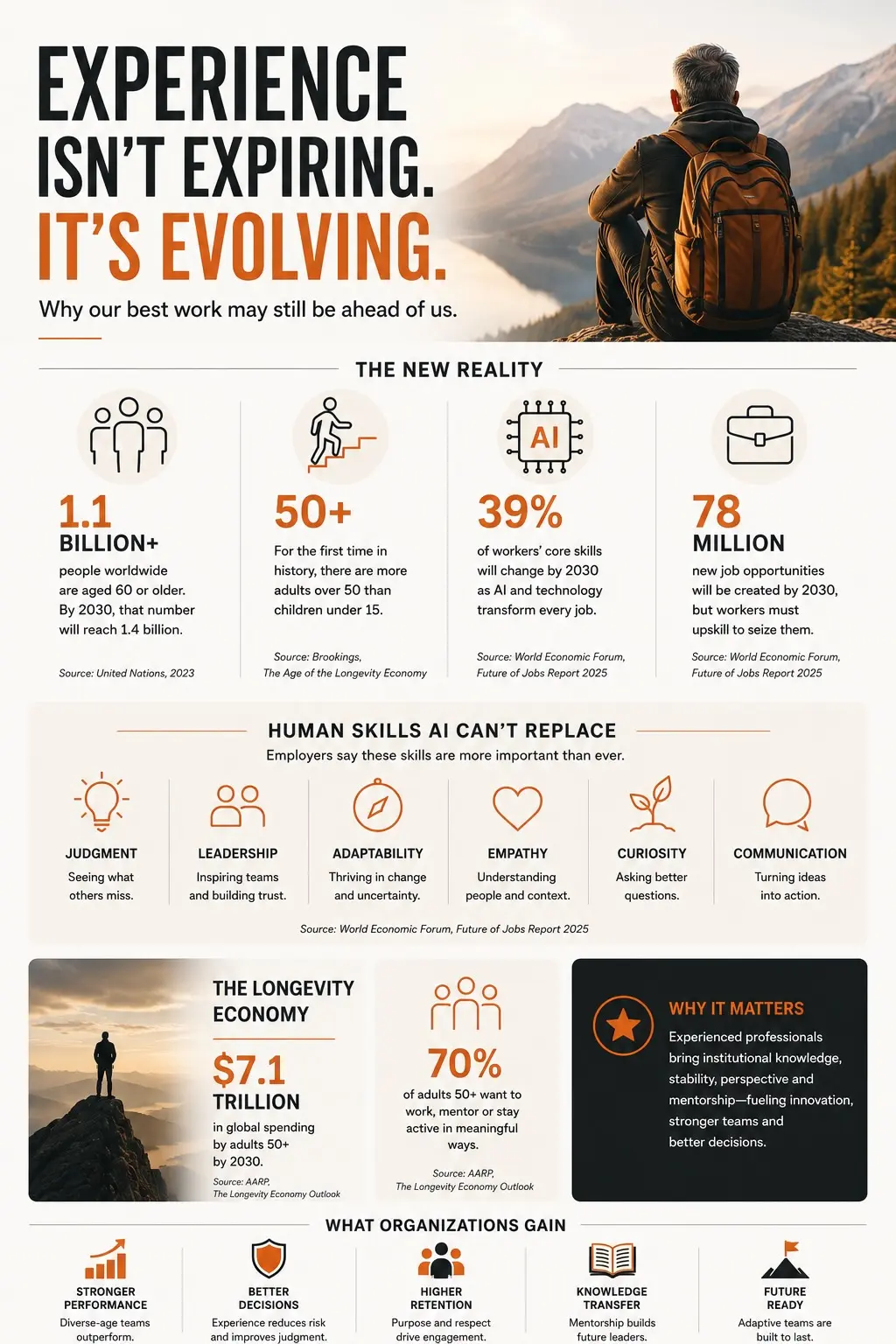
We’re living longer, healthier lives. Artificial intelligence is transforming every profession. Careers now span multiple chapters instead of one continuous climb. According to the World Economic Forum’s Future of Jobs Report 2025, nearly 40 percent of today’s core workplace skills will change over the next five years, making continuous learning essential regardless of age.
Yet while work has changed dramatically, many of our assumptions about experience have not.
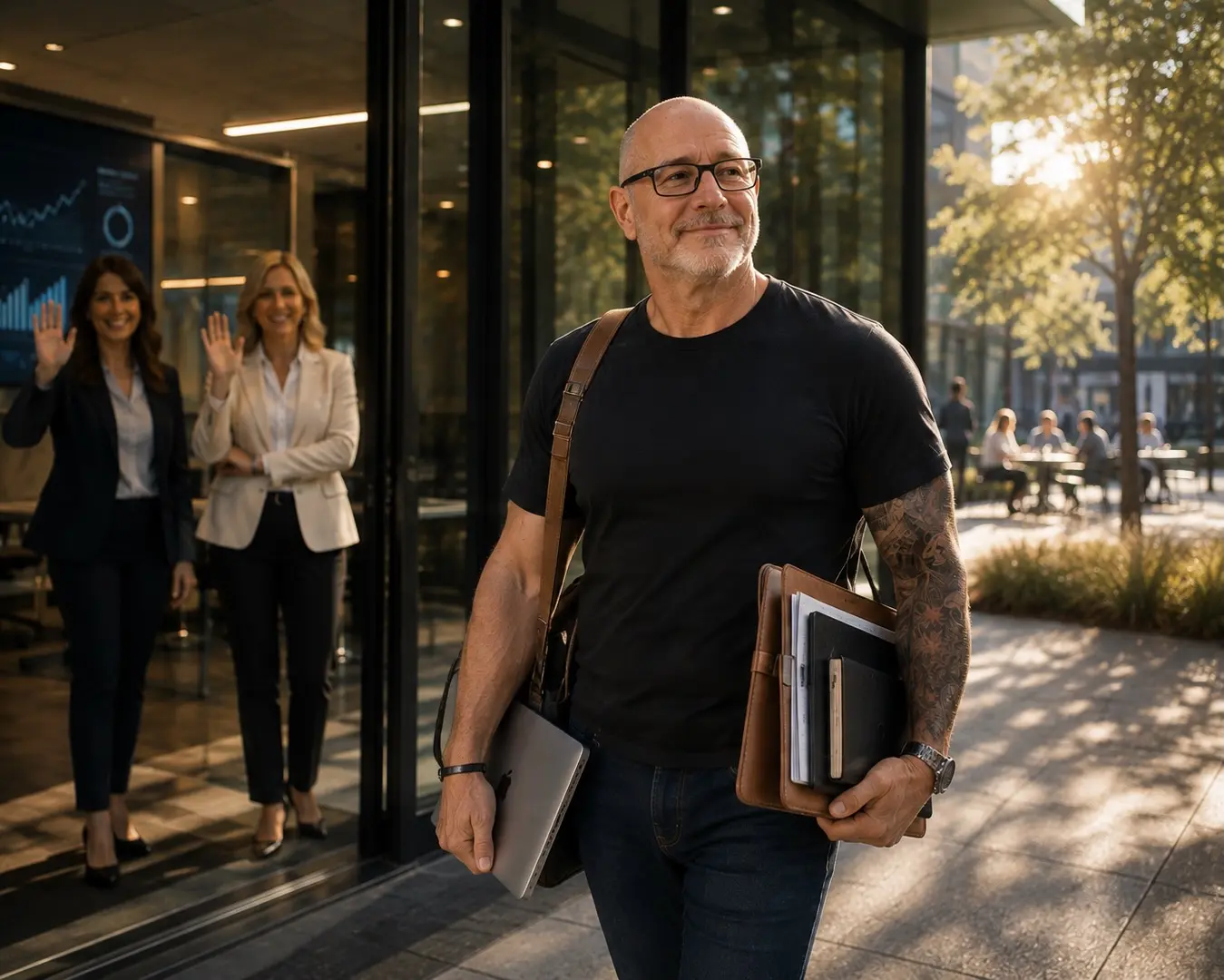
A few weeks ago, I wrote about the unexpected end of my corporate career after more than three decades in leadership. I wasn’t looking for sympathy. I simply wanted to be honest about closing one chapter before I felt ready.
What happened next surprised me.
Hundreds of people reached out. CEOs, entrepreneurs, teachers, healthcare workers, tradespeople and professionals from almost every industry shared remarkably similar stories. Some had retired. Others had been laid off. Many were still successful but quietly questioning what came next.
The conversation wasn’t really about work.
It was about identity.
More importantly, it was about contribution.
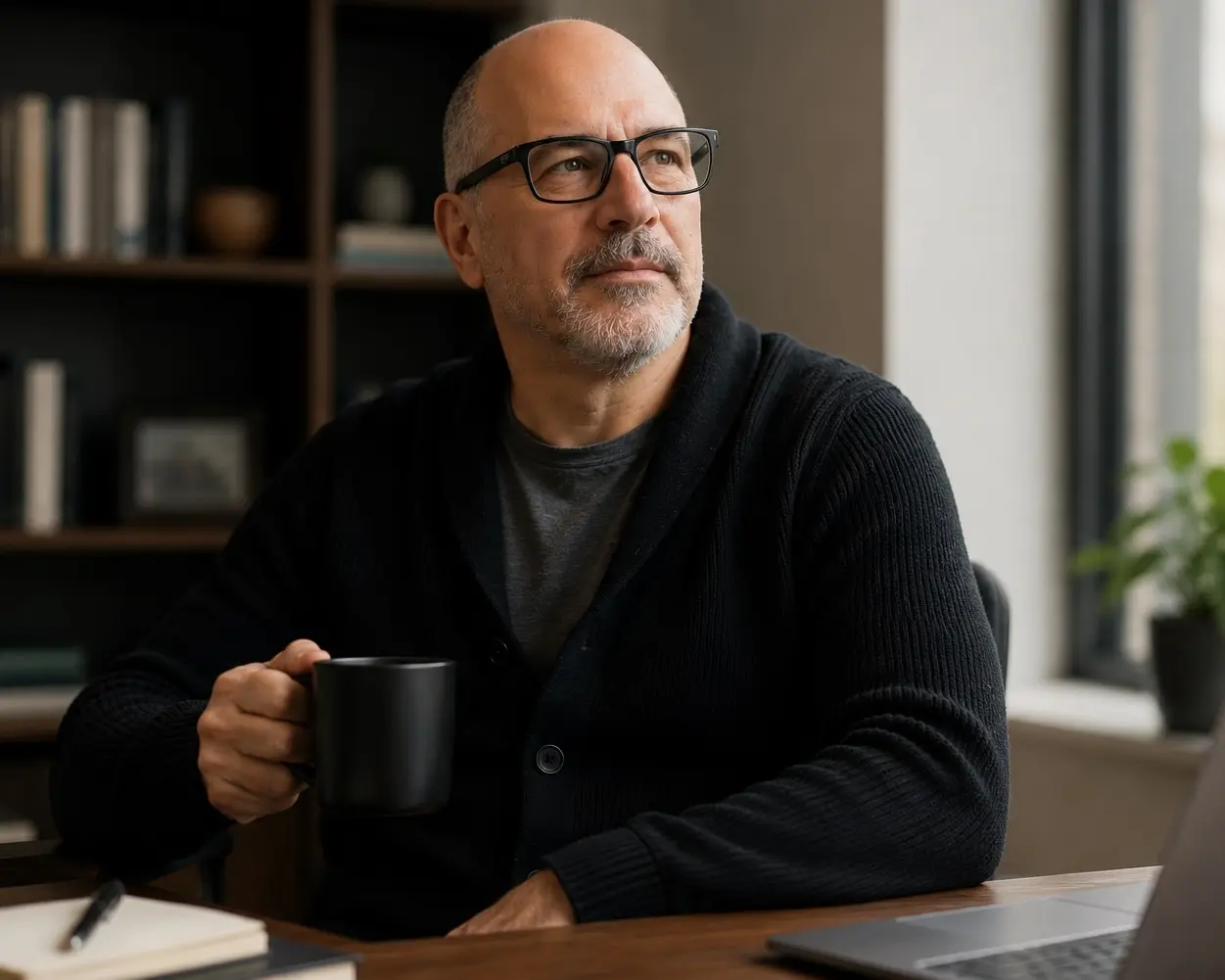
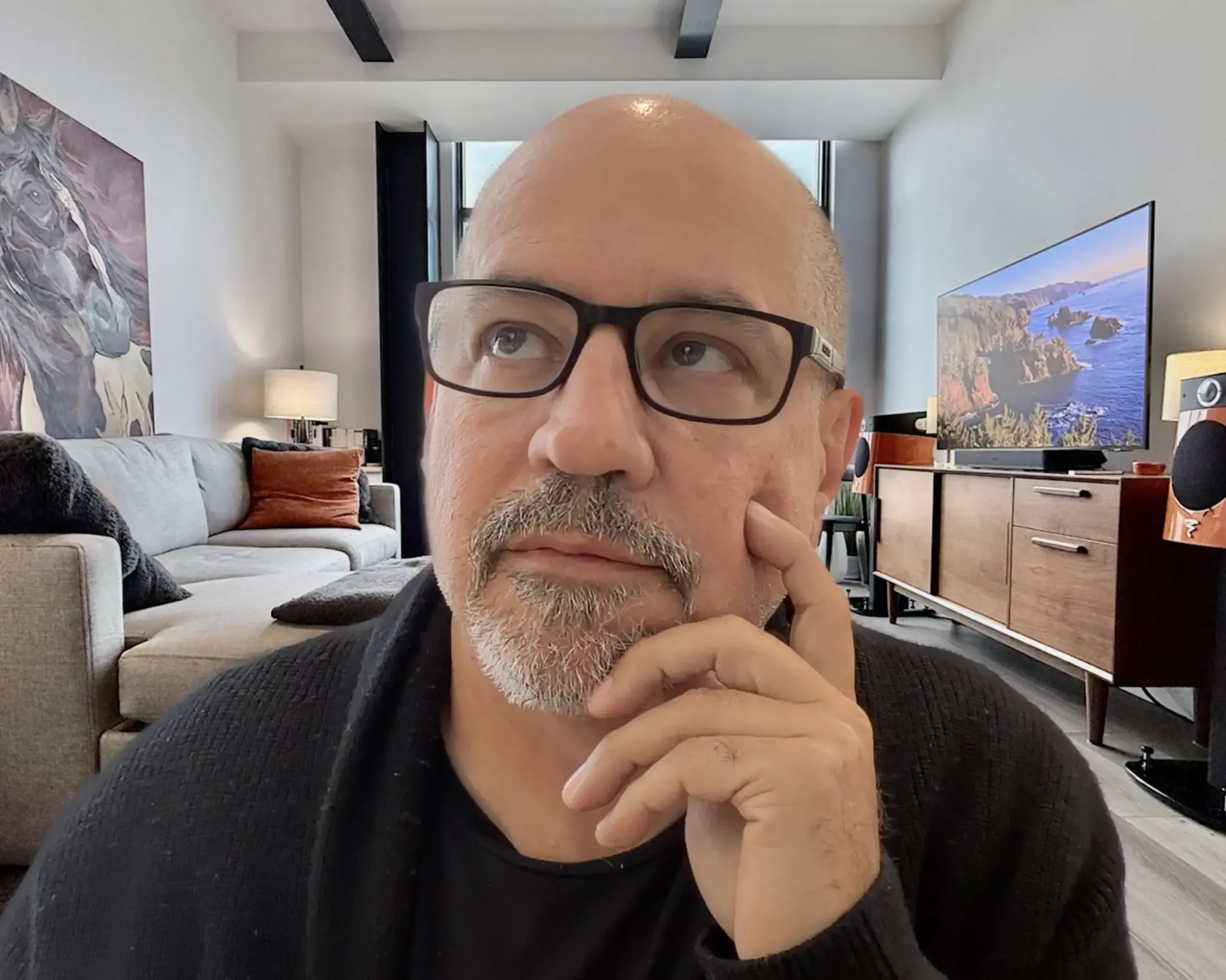
Those conversations convinced me that we’re asking the wrong question. Instead of wondering whether our best work is behind us, perhaps we should ask why we’ve become so comfortable believing that experience has an expiration date.
Experience Isn’t What We Think It Is
Artificial intelligence has changed the conversation about work almost overnight. Much of the discussion focuses on what machines can do faster than people. They summarize information, analyze data and generate ideas in seconds.
It’s tempting to conclude that experience has become less valuable.
I think we’ve misunderstood what experience actually is.
Experience isn’t the accumulation of information. Information has never been easier to find. Experience is judgment. It’s recognizing patterns after years of making decisions, understanding context when the facts are incomplete and knowing when something doesn’t feel right despite what the spreadsheet says.
One reader wrote something I haven’t stopped thinking about. In an AI-driven world, they suggested, the competitive advantage may no longer be having the right answers. It may be asking better questions.
That feels true.
The World Economic Forum agrees that analytical thinking, resilience, leadership, curiosity and creative problem solving are among the fastest-growing skills employers now value alongside AI literacy. Those qualities aren’t replaced by technology. They become more valuable because of it.
The Real Opportunity Is Contribution
For the past year, RestlessUrban has explored the Longevity Economy, not simply as an economic trend but as a cultural one. Research from Brookings argues that aging populations will reshape labor markets, healthcare, consumer spending and economic growth for decades to come.
Far fewer recognize them as an extraordinary source of talent.
One of the most thoughtful responses I received after publishing my story suggested that what people mourn isn’t losing a title. It’s losing the opportunity to contribute.
That observation stayed with me because it explained something I hadn’t been able to put into words.
Most accomplished professionals aren’t searching for another business card. They want to solve meaningful problems, mentor younger colleagues, build healthier organizations and continue making a difference. Contribution doesn’t disappear because someone turns 55 or 65.
If anything, it becomes more intentional.
It’s one of the ideas we’ve explored in We’ve Been Thinking About Aging All Wrong, where we argue that longevity isn’t simply about adding years to life. It’s about adding purpose, curiosity and engagement to those years.
A Competitive Advantage Hidden in Plain Sight
The organizations that thrive over the next decade won’t simply be the ones that adopt AI the fastest. They’ll be the ones that combine technology with human judgment.
Innovation has never belonged exclusively to one generation. The strongest organizations pair digital fluency with institutional memory, fresh perspectives with experience and ambition with wisdom. AI can improve productivity, but it cannot build trust, mentor emerging leaders or navigate the complexities of human relationships.
Those capabilities still matter.
Perhaps they matter more than ever.
That’s why I believe the conversation around experienced professionals needs to change. Too often we frame people over 50 as a workforce challenge instead of recognizing them as one of the greatest competitive advantages organizations already possess.
A Better Story About What’s Next
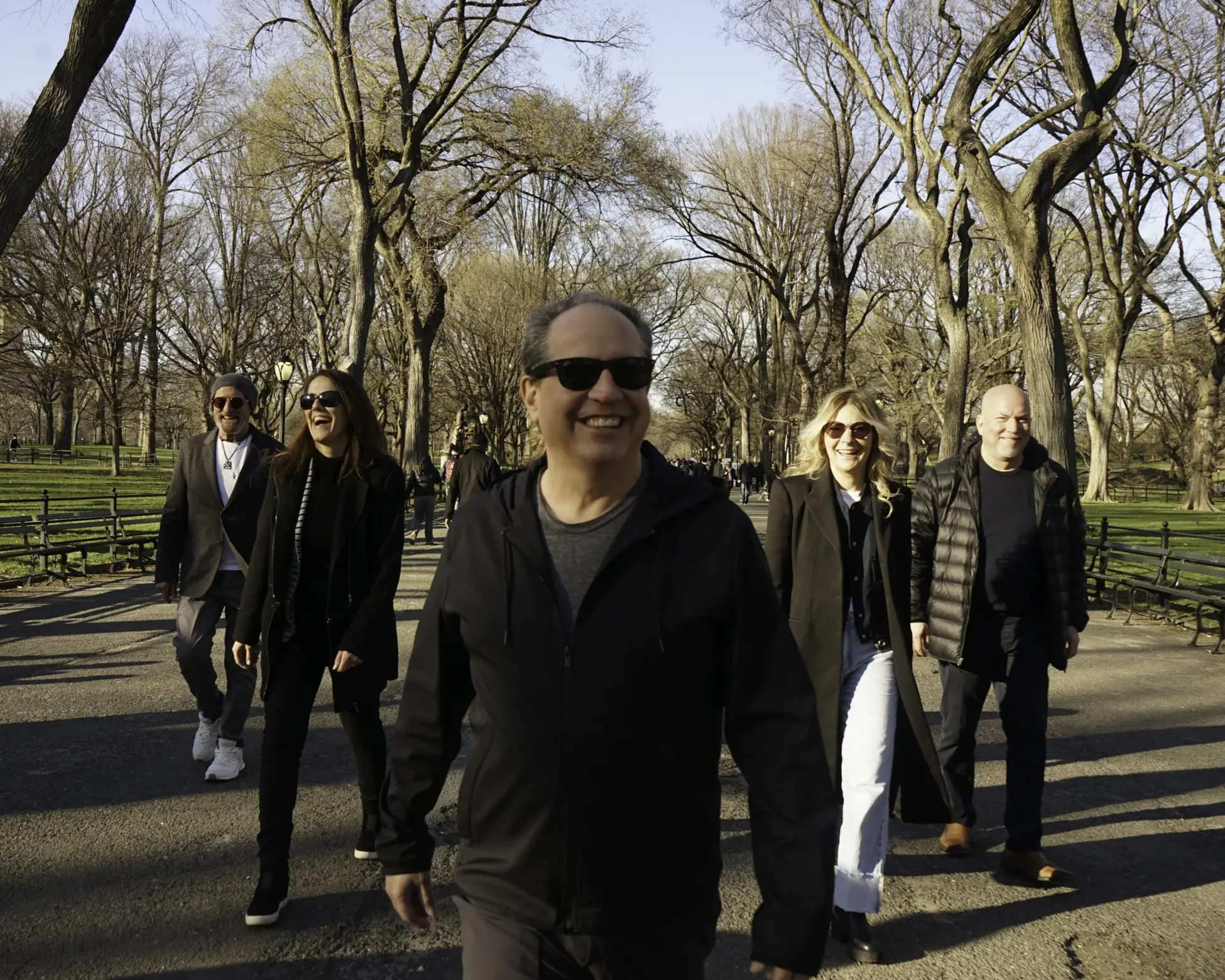
At RestlessUrban, we’ve challenged outdated assumptions about aging from the beginning. We’ve profiled entrepreneurs launching businesses after 50, professionals changing careers, couples embracing adventure and readers rediscovering passions they had postponed for decades.
These aren’t extraordinary stories anymore.
They’re becoming increasingly common.
The real challenge isn’t convincing people they’re capable of another chapter. It’s convincing ourselves that the old script no longer applies.
Maybe success after 50 isn’t about climbing the next rung of the ladder.
Maybe it’s about finding new ways to learn, lead and contribute.
Looking back, I’m grateful those conversations forced me to rethink my own assumptions. Titles change. Companies evolve. Careers end.
Curiosity doesn’t.
Neither does experience.
If the rules of work have changed, perhaps it’s time we stop asking whether our best work is behind us and start asking what we’re capable of building next.


More From the Flip the Script Collection
The casualties aren’t just adults over 50. They’re the companies who missed the memo.
Losing a job after 50 shouldn’t mean reinventing who you are. Maybe it’s the system that needs to change.
The rules have changed. Read why millions of experienced professionals are redefining work, purpose and what’s next
Explore why success itself may be the hardest habit to leave behind.
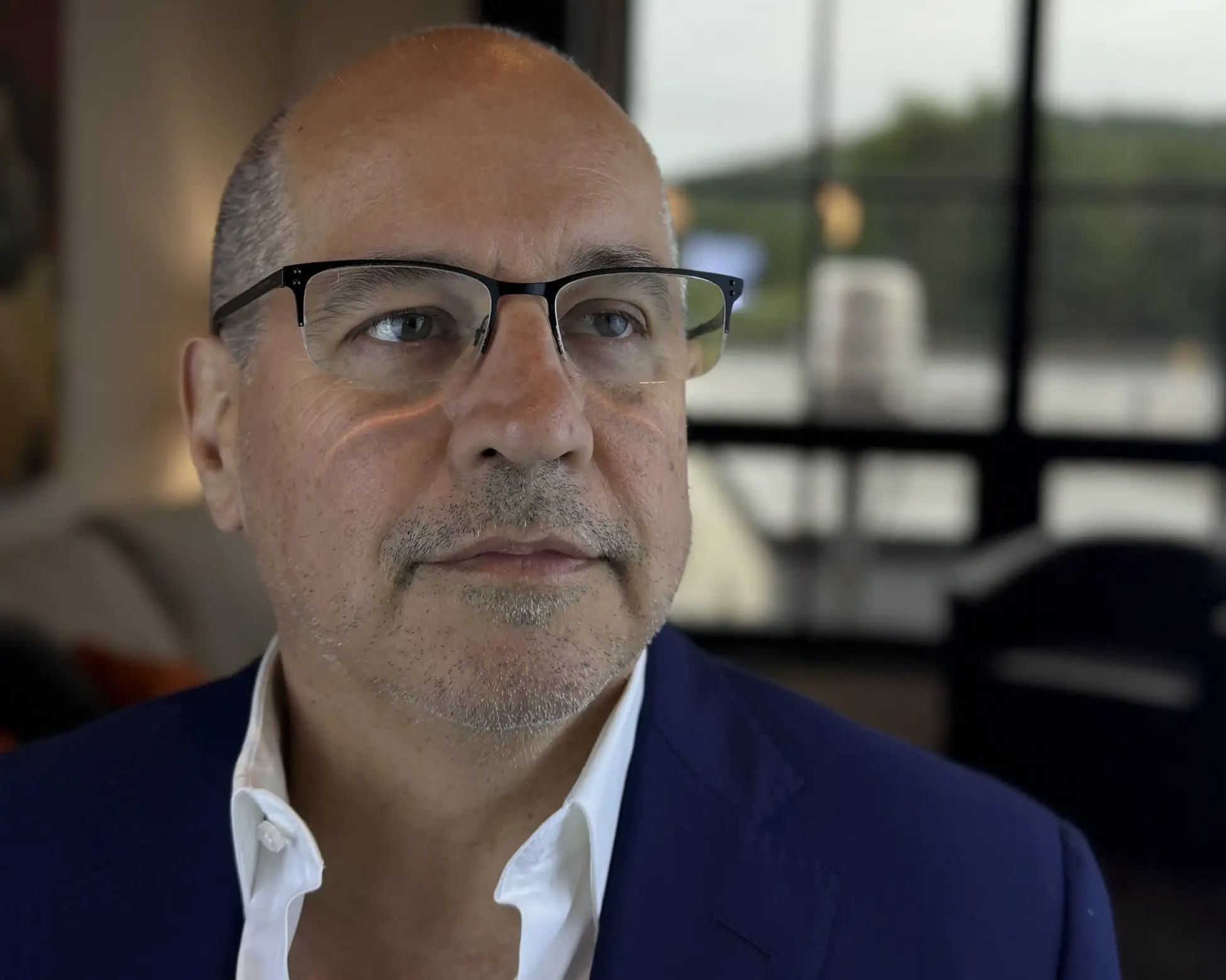
When a career ends, what remains? One executive’s journey from approval to authentic confidence.
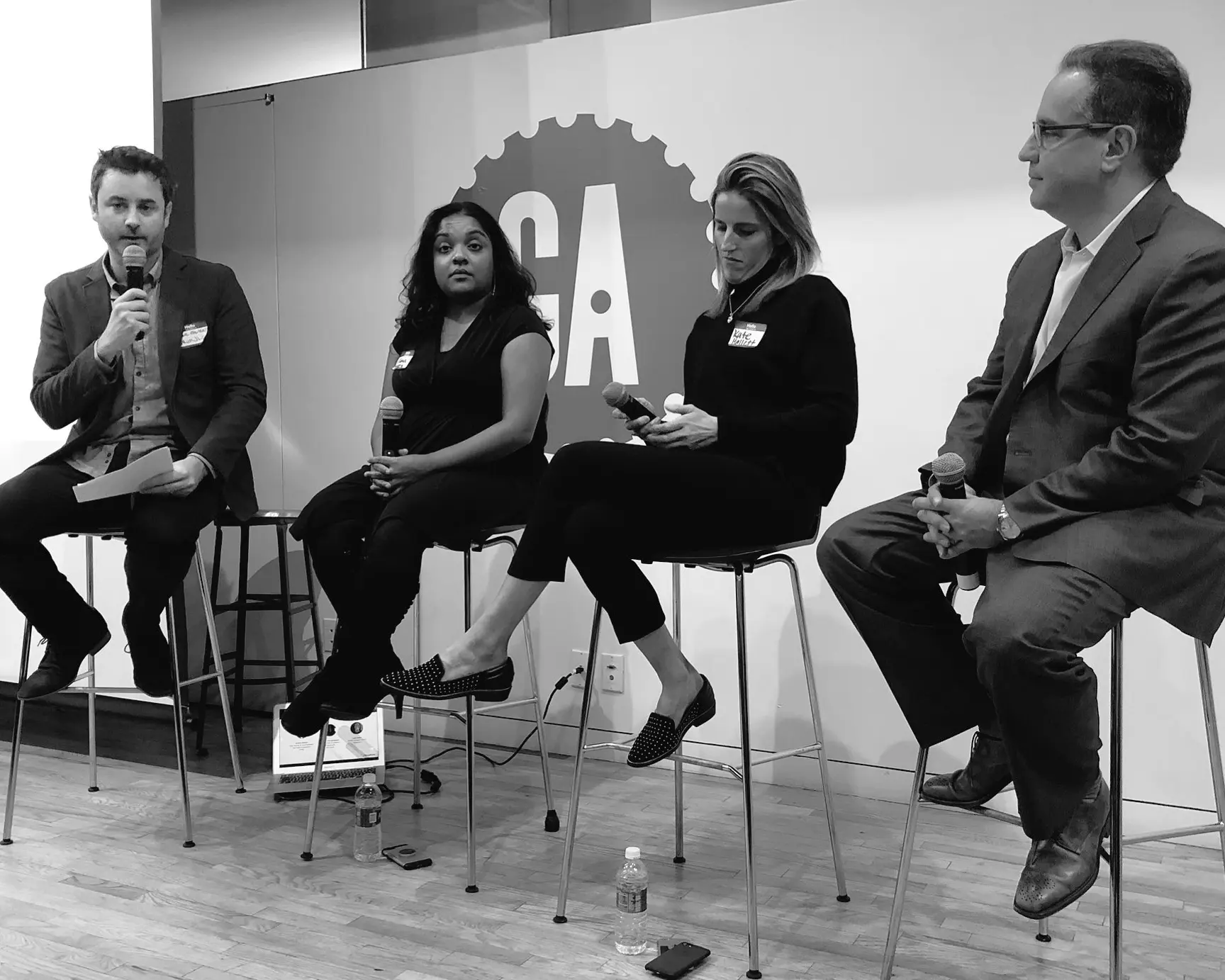
A personal reflection on aging, curiosity, and why experience still matters in the future of work.
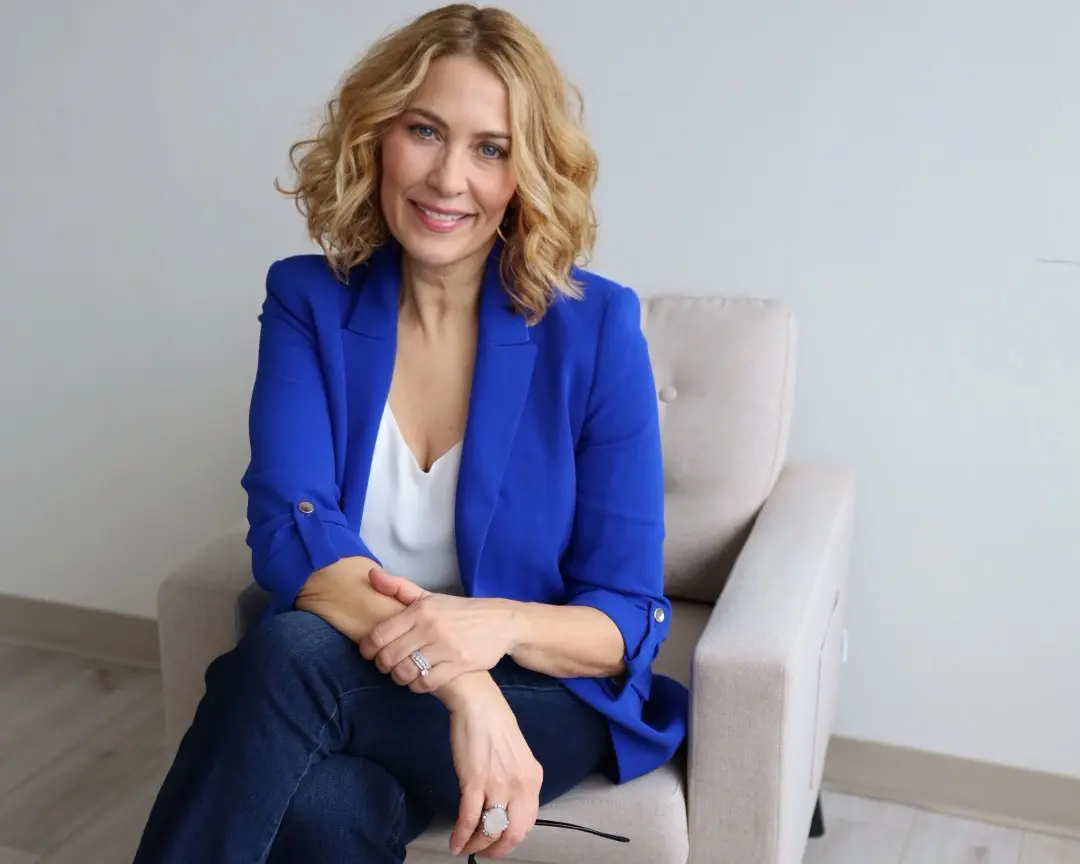
What happens when the life you built no longer fully reflects who you’ve become?
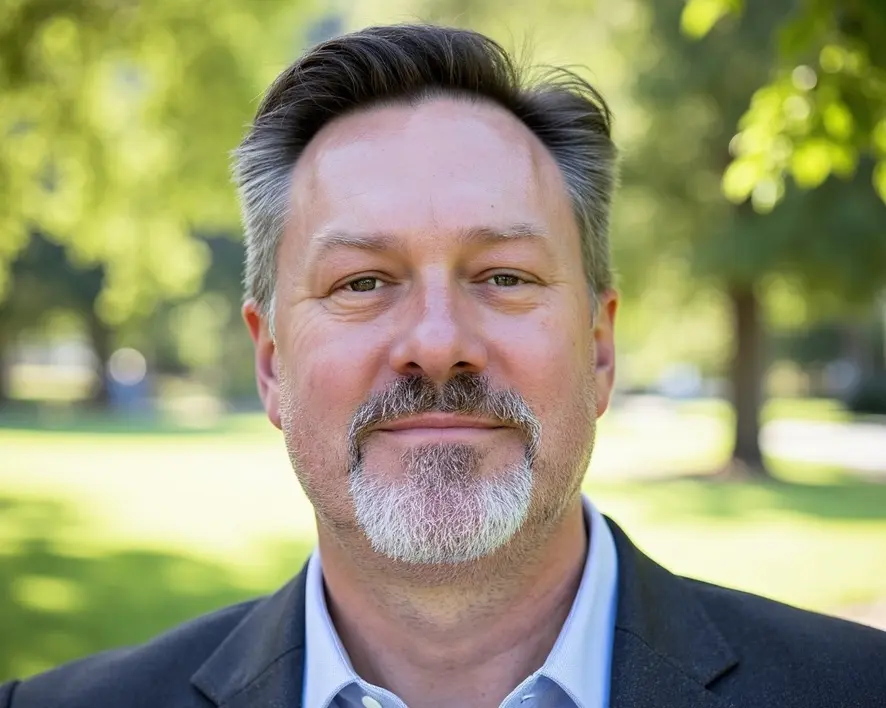
After decades chasing momentum, Aaron Strout found success answered fewer questions than expected.
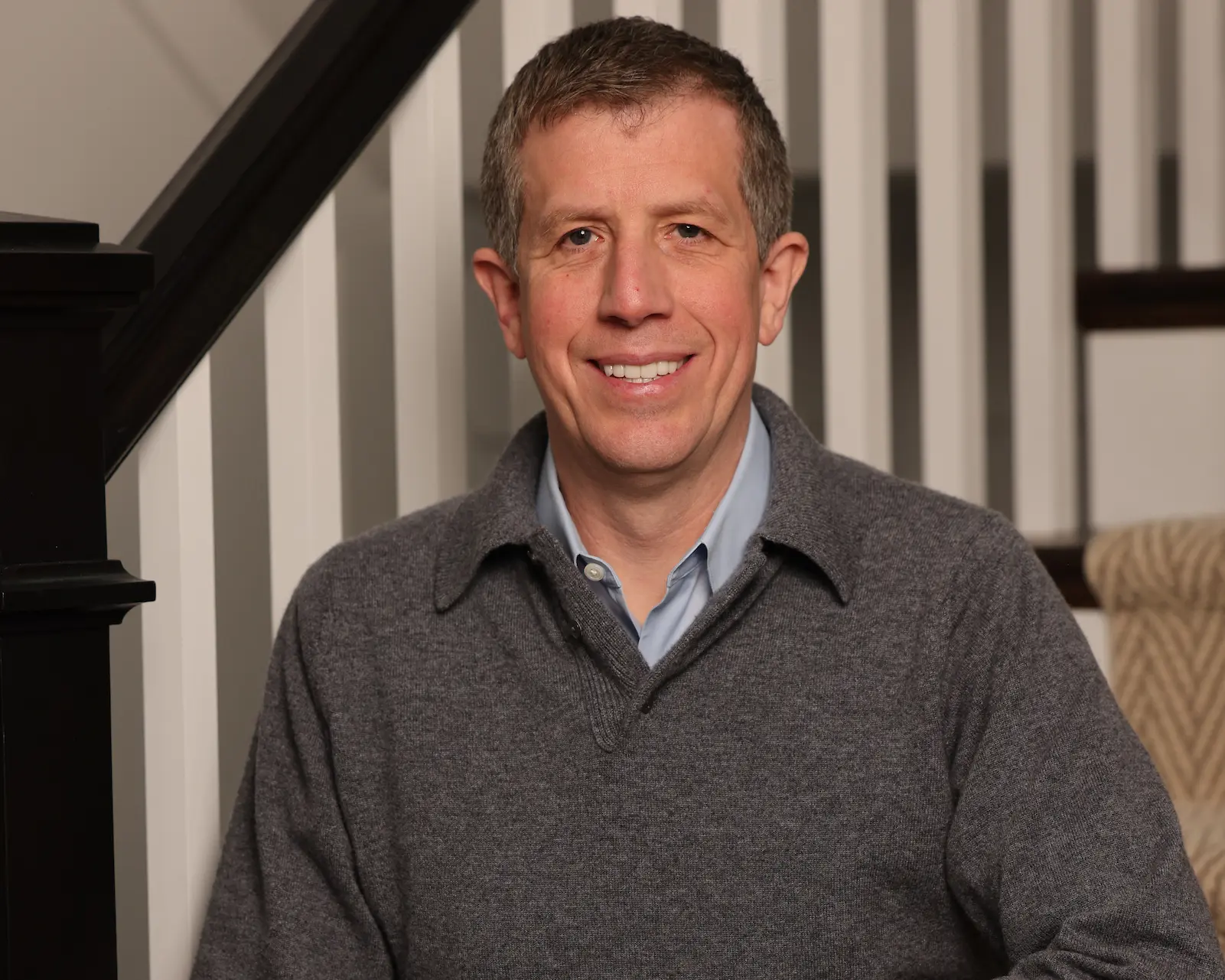
A conversation inspired by Geoff Curtis’s Embracing Your Own Purgatory and the search for purpose after 50.
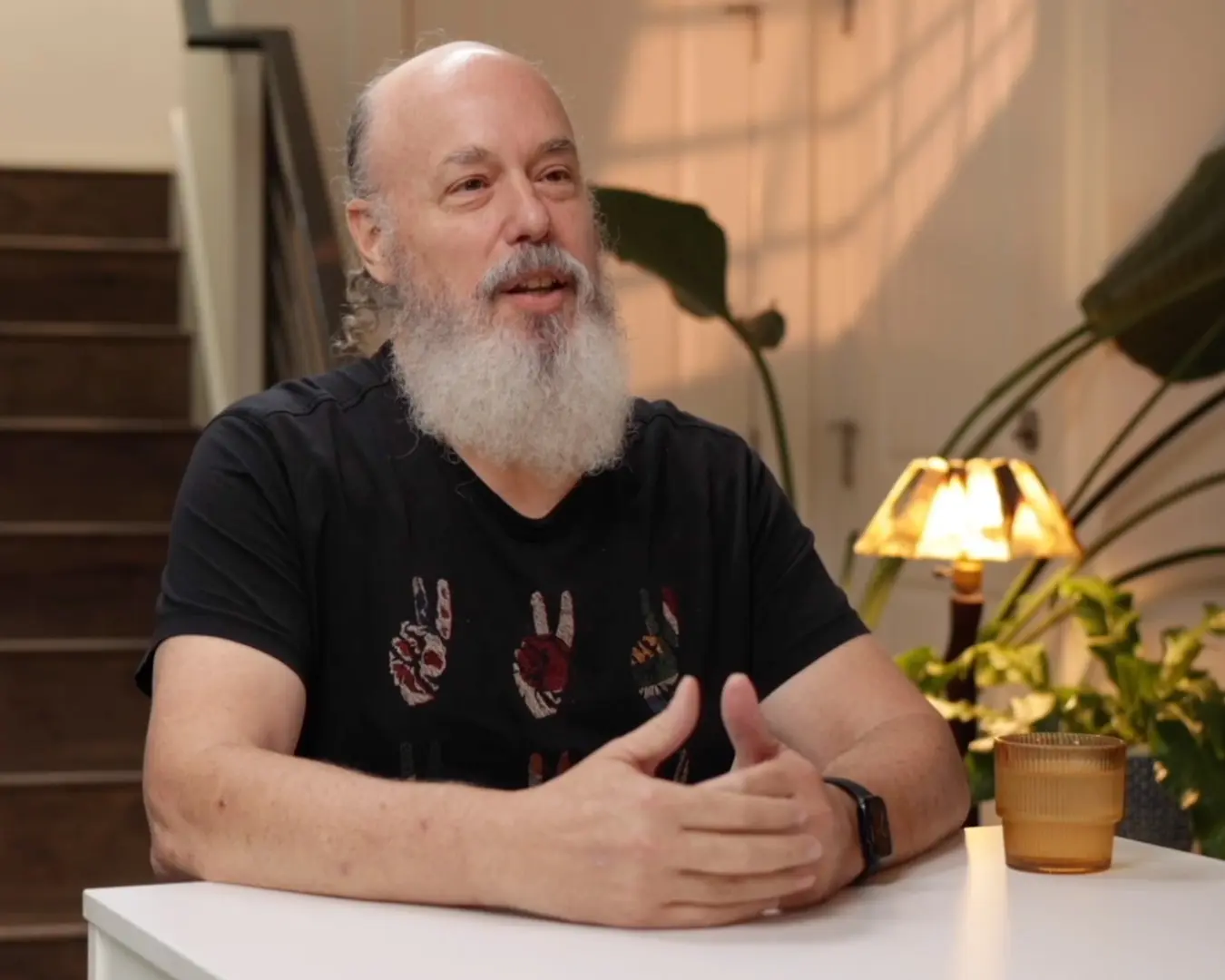
Bob Pearson shows how staying curious turns experience into leverage, impact, and freedom.
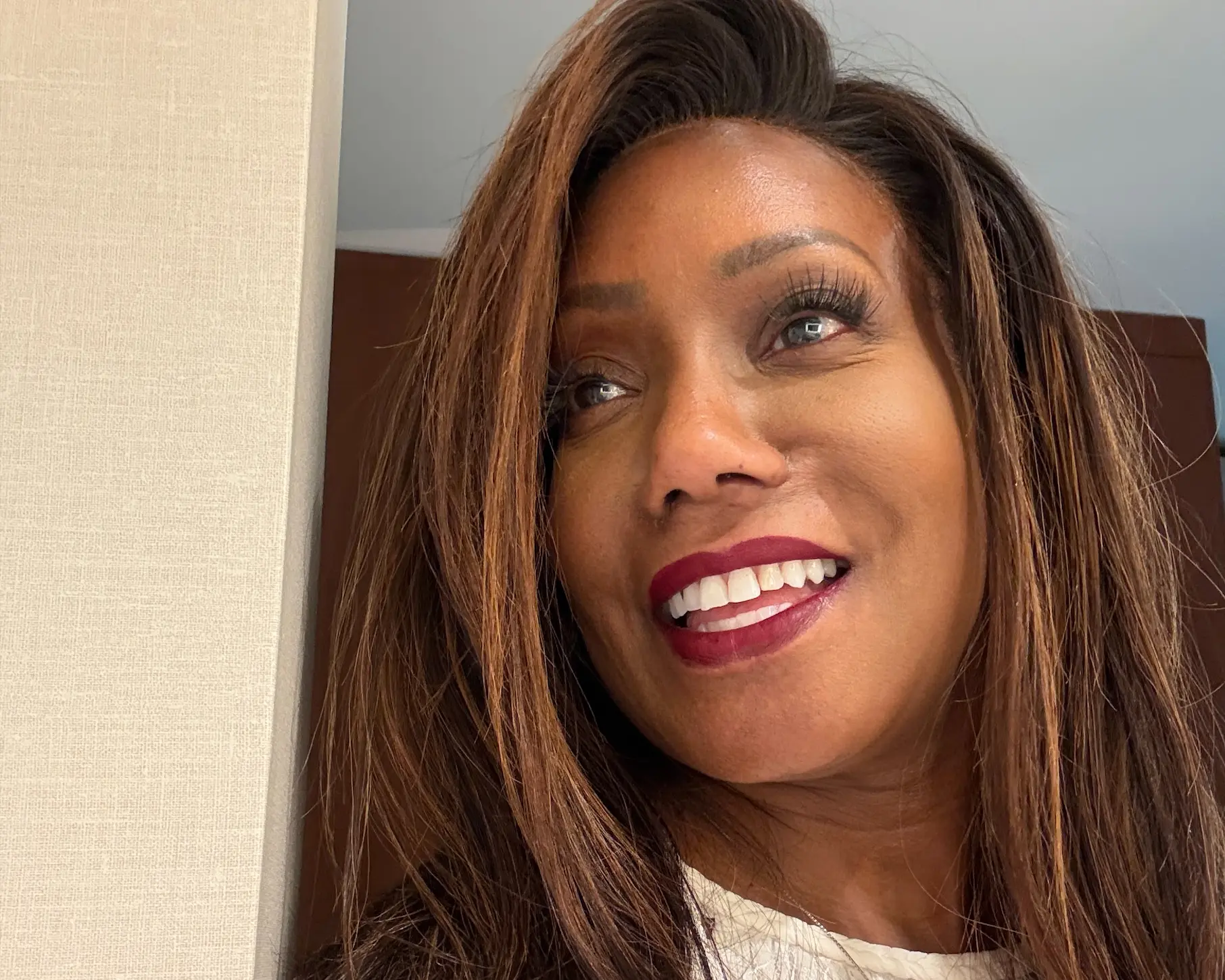
Charlene Wheeless shows how choosing visibility becomes an act of impact, not performance.

Reinvention after 50 isn’t about bravery alone. It’s about money, experience, and knowing when the math works.

Three paths. Real stories. See how people over 50 navigate change, purpose, and possibility on their terms.
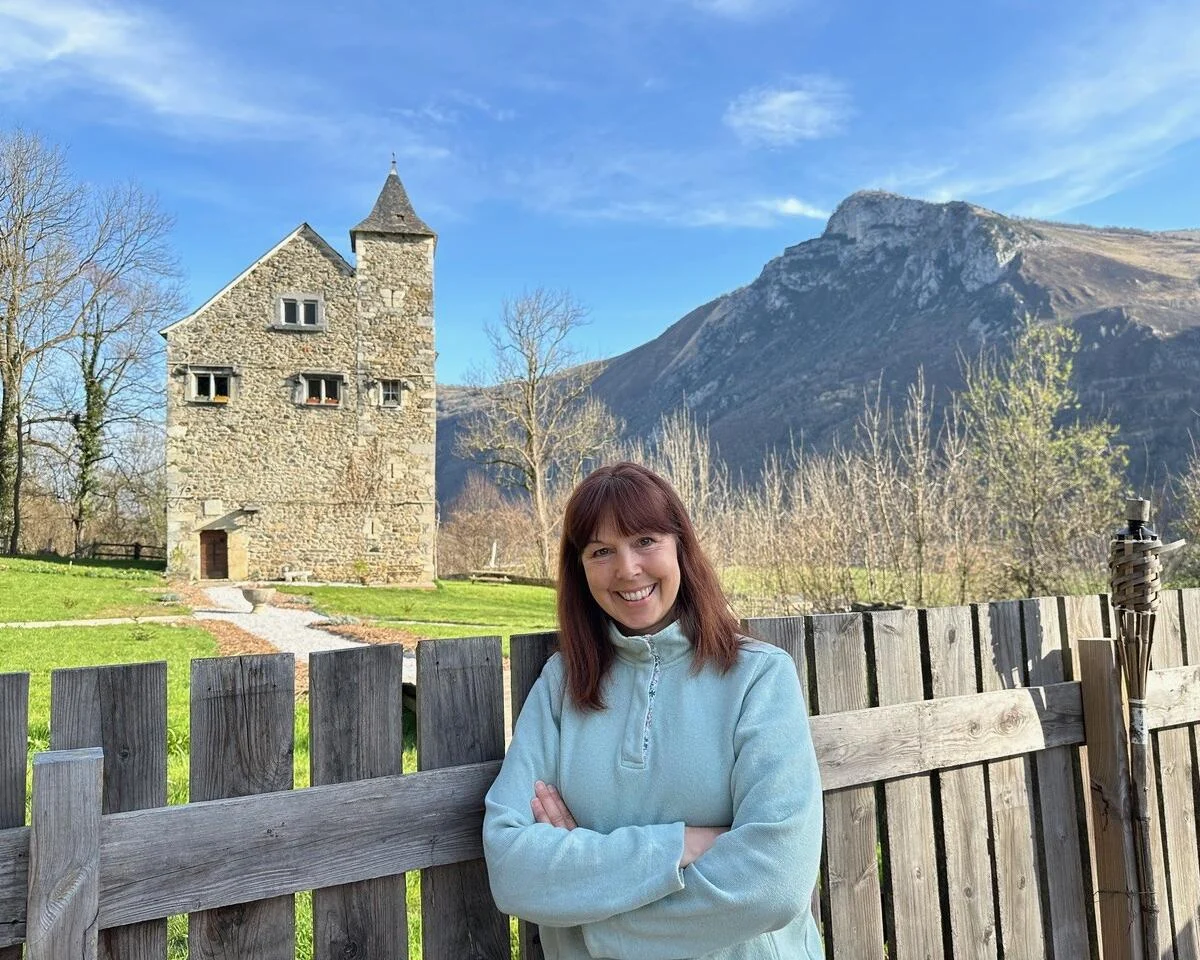
A milestone birthday, a pandemic, and a château spark an unexpected second act in France.
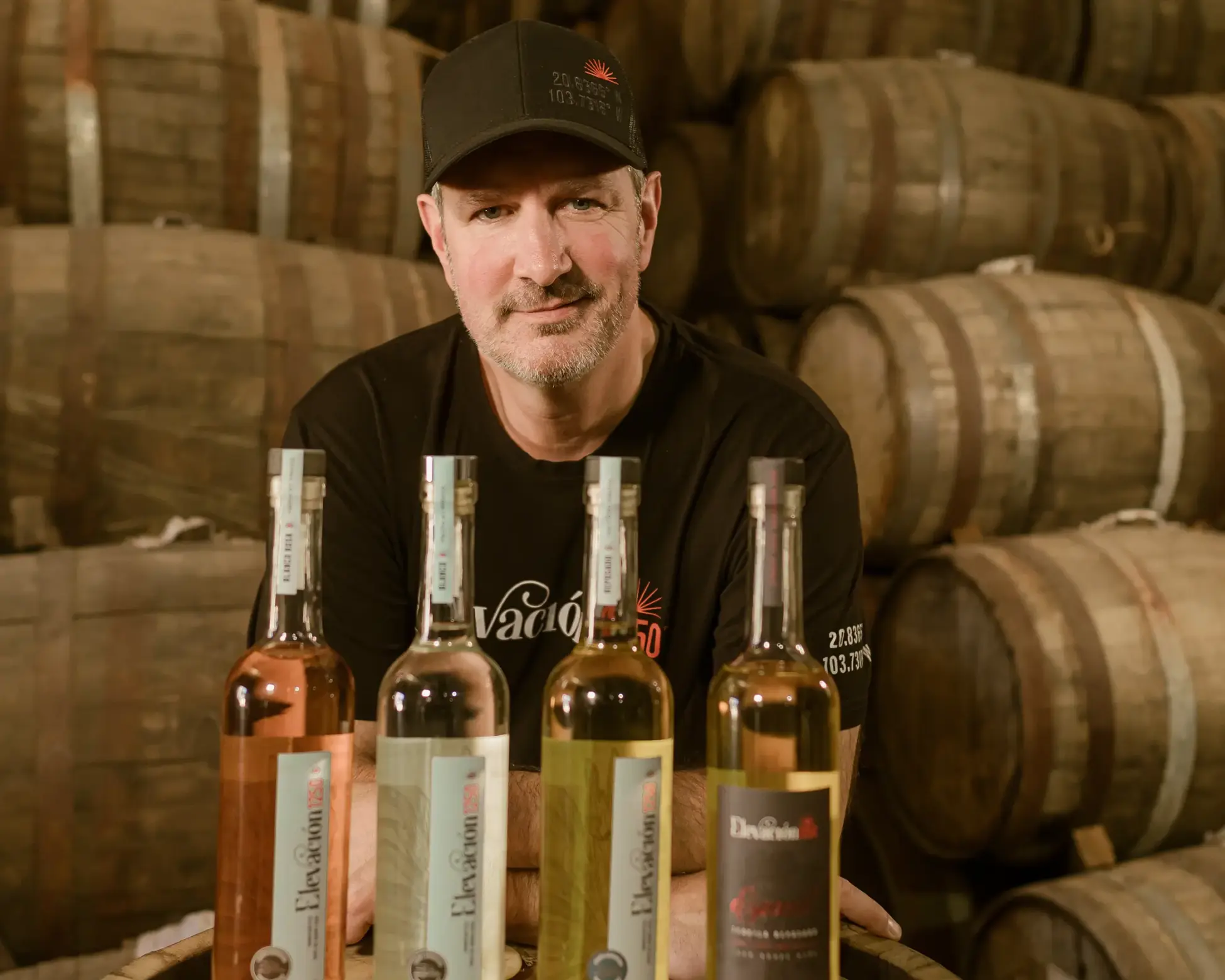
One marketer’s journey from misunderstanding tequila to honoring its heritage becomes his second act.
When the next title stops mattering, one CMO changes the scoreboard and bets on Gen X.

From billion-dollar boardrooms to boutique jam making, one leader redesigns work to finally serve life.
At 58, he walked away from corporate certainty to build a handmade future, one printed card at a time.
Her daughter said four words that changed everything. Faith Jennings left a VP career and chose life instead.

A startup leap at 52 changed everything. Scott Morris proves reinvention after 50 is messy, brave, and worth it.

Flip the Script is our new series spotlighting real stories of reinvention, freedom, and choice after 50.

Feeling stuck at 50, Paul Sutton found purpose in helping men speak honestly. His journey proves no one is alone.
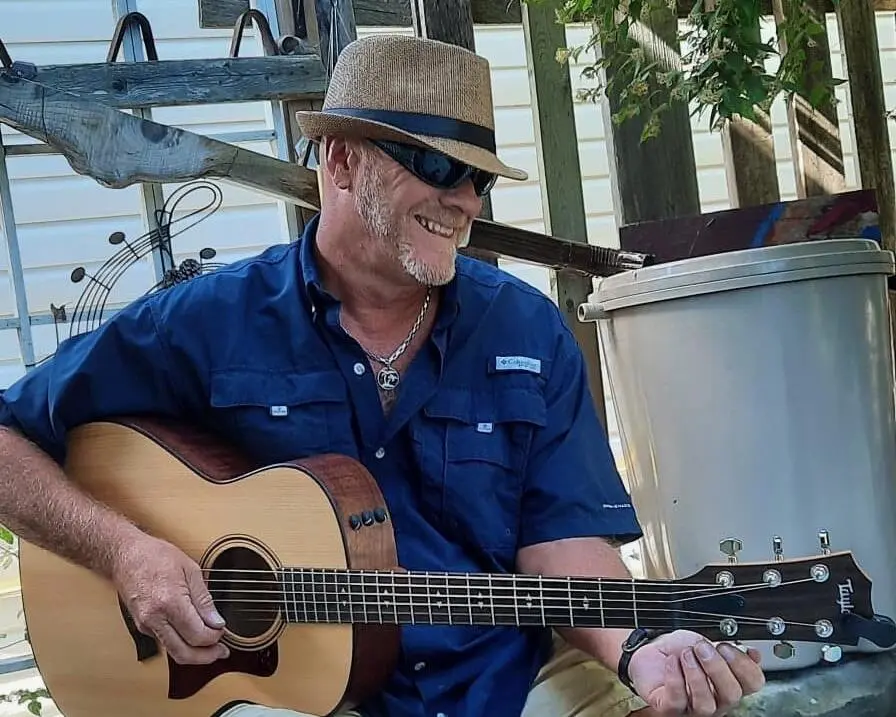
Singer-songwriter Dean Brandsma rewrites his life’s soundtrack. Hear the story behind the song Crossroads.

How trusting her intuition led to building a mission born from crisis.
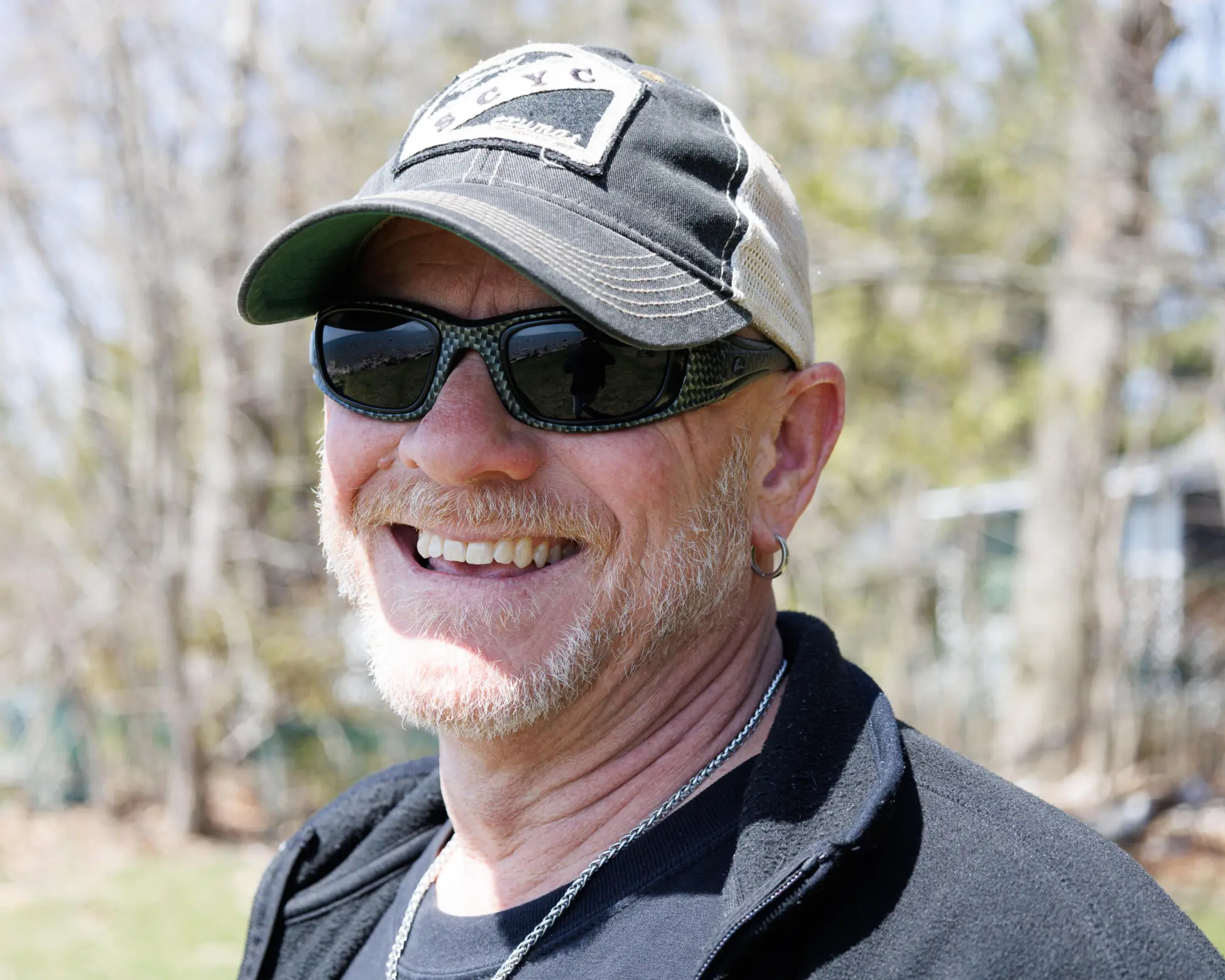
Music changed my life. Playing guitar helped me heal, grow stronger, and embrace change.