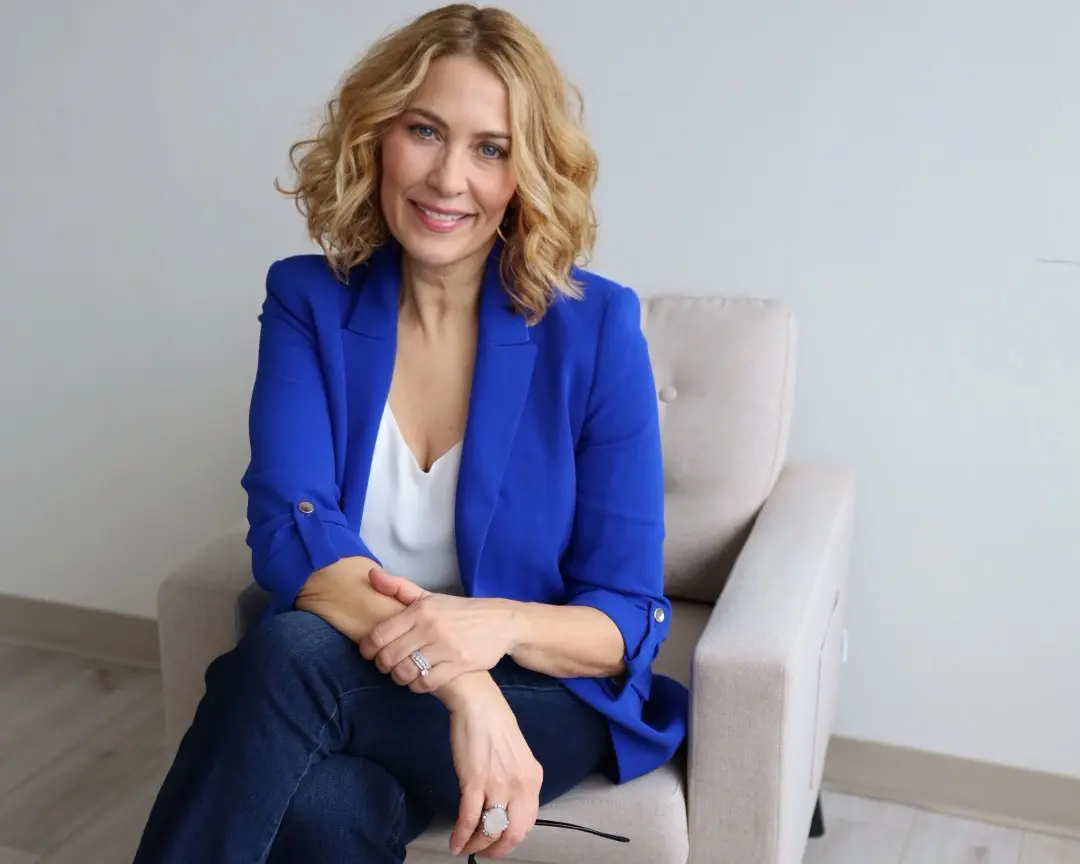
Alison Michael dislikes the word “senior.”
Not because she fears getting older, but because the word feels disconnected from the lives she and the people around her are actually living.
“People hear senior and think old, frail, outdated,” Alison says. “But people in their fifties, sixties, and seventies are building businesses, traveling, caregiving, working, dating, reinventing themselves.”
At 60, that disconnect has become personal.
“The only weird thing for me now is when somebody asks me how old I am and I have to say the number,” she says. “Because it doesn’t really match how I feel.”
That tension — between how people are perceived at this stage of life and how they actually experience it — has shaped both Alison’s own evolution and the publication she now leads, 55+ Life, a regional lifestyle magazine focused on adults over 55.
Over time, the magazine became less about covering a demographic and more about exploring a generation in transition. The conversations happening inside its pages increasingly mirrored the conversations Alison was having herself and hearing from friends, readers, and people around her.
Questions about purpose.
About identity.
About burnout.
About relevance.
About what happens when the life you built no longer feels like your own.
Today, 55+ Life covers everything from wellness, relationships, and travel to entrepreneurship, caregiving, personal growth, and the emotional realities of getting older. Alison sees the publication less as a traditional “senior magazine” and more as a reflection of how people over 50 are actually living now.
When Success Stops Feeling Aligned
For Alison, those questions did not arrive suddenly.
For nearly two decades, she worked in Manhattan’s textile industry selling Italian textiles to women’s apparel manufacturers after graduating from the Fashion Institute of Technology. The work was demanding, fast-moving, and financially rewarding.
“It was all I knew,” she says. “But it no longer spoke to who I was as a person.”
At the time, Alison was immersed in an environment built around momentum, pressure, and constant movement. She loved the energy of New York and still does. But eventually, the pace that once energized her began to feel exhausting.
“I was approaching burnout,” she says.
The shift was gradual rather than dramatic. There was no singular breaking point. More a growing awareness that something internally was changing before she fully understood what came next.
Meeting her future husband accelerated that reassessment. Eventually, Alison left Manhattan and moved to the Capital Region, a transition that felt both exciting and deeply uncertain.
“I was very city-centric,” she says. “I loved the energy, the culture, the people, all of it.”
Upstate life required a different rhythm.
“In Manhattan, intensity is normal,” she says. “Up here, you have to take it down a notch.”
At first, the adjustment felt disorienting. Alison had spent years operating at a certain speed and intensity. Suddenly, she found herself trying to figure out not only what kind of work she wanted next, but who she was outside the environment that had defined much of her adult life.
“I didn’t know what the heck I was going to do,” she says.
What she understood, though, was that she needed something different.
“I wasn’t giving up anything,” she says now. “I was actually gaining a healthier life for myself.”
That search eventually led her into publishing, though not intentionally.
When Alison first became involved with the magazine in 2013, she had no background in media.
“I didn’t know anything about publishing,” she says, laughing. “Nothing.”
What she did understand was people.
Looking back, Alison sees a connection between her former career and the work she does now.
“In textiles, I wasn’t just selling fabric,” she says. “I was reading trends. Understanding what people wanted sometimes before they even knew themselves.”
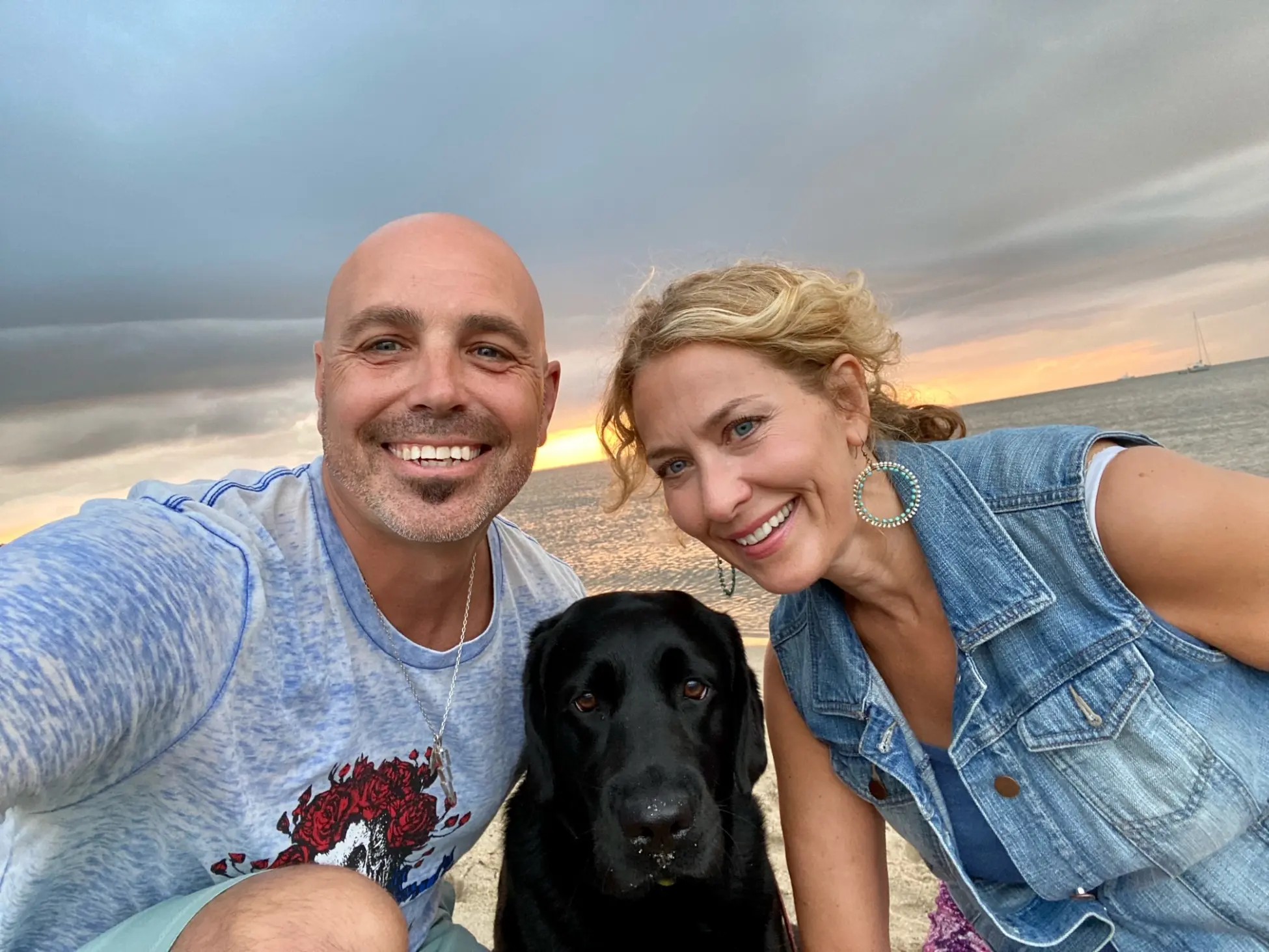
Alison Michael left Manhattan and reinvented life with her husband seen here.
Redefining What Life After 50 Looks Like
Over time, the publication evolved alongside her own perspective on aging and identity.
When Alison bought the magazine in late 2019, just months before COVID disrupted nearly every business in the country, she saw an opportunity to reshape it into something more reflective of how people over 50 actually live now.
One of the first things she wanted to move away from was the traditional “senior publication” model focused primarily on retirement, decline, or limitation.
“You’ll never see ads for stair lifts and walkers all over the magazine,” she says. “Not because those things aren’t important. They are. But that’s not the entirety of this stage of life.”
Instead, 55+ Life increasingly focused on curiosity, wellness, relationships, entrepreneurship, travel, and personal growth after 50.
But Alison is careful with the word reinvention.
She does not talk about this stage of life as though people suddenly become entirely new versions of themselves. If anything, she describes it more as a gradual process of becoming more honest.
The Questions Keep Changing
For years, success largely meant movement: growth, momentum, achievement, pushing forward.
Like many entrepreneurs, Alison loves building things. But she also recognizes the quieter question that eventually follows achievement.
“Once you build it and check that box,” she says, “what drives you forward?”
At 60, she seems less interested in arriving at a final version of success than staying connected to what still feels meaningful.
The ambition is still there. But it feels different now. Less performative. Less externally driven.
“There are lots of best chapters,” she says. “Hopefully lots of them.”
That perspective has also changed the way Alison approaches leadership and growth. Over time, she says she has become more comfortable relying on people around her rather than trying to control every aspect herself.
“You’re only as good as the people around you,” she says. “You need people who are smarter than you in areas you’re not.”
She laughs describing herself as “an idea person” who constantly has to be reined in by her team. But underneath the humor is a recognition that certainty becomes less rigid with age.
“You have to trust the process,” she says. “And give yourself grace.”
The phrase hangs there for a moment.
Not as advice.
More as something Alison herself is still learning in real time.
Because if there is one thing that seems clear listening to her talk about this stage of life, it is that she no longer sees aging as a fixed narrative moving in one direction.
The questions are still evolving.
So is she.


More From the Flip the Script Collection
The casualties aren’t just adults over 50. They’re the companies who missed the memo.
Losing a job after 50 shouldn’t mean reinventing who you are. Maybe it’s the system that needs to change.
The rules of work have changed. Why do we still believe our best work is behind us?
The rules have changed. Read why millions of experienced professionals are redefining work, purpose and what’s next
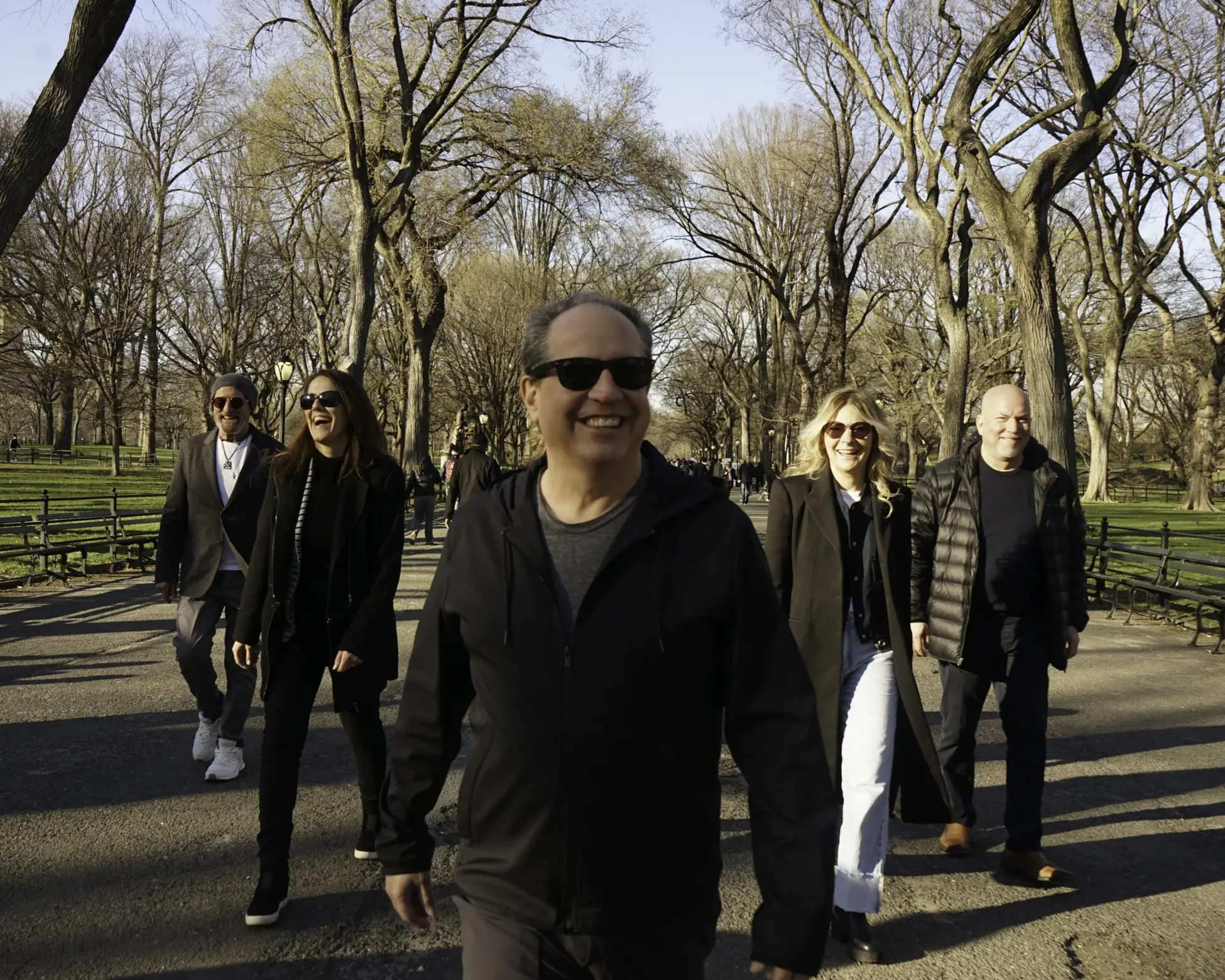
Explore why success itself may be the hardest habit to leave behind.
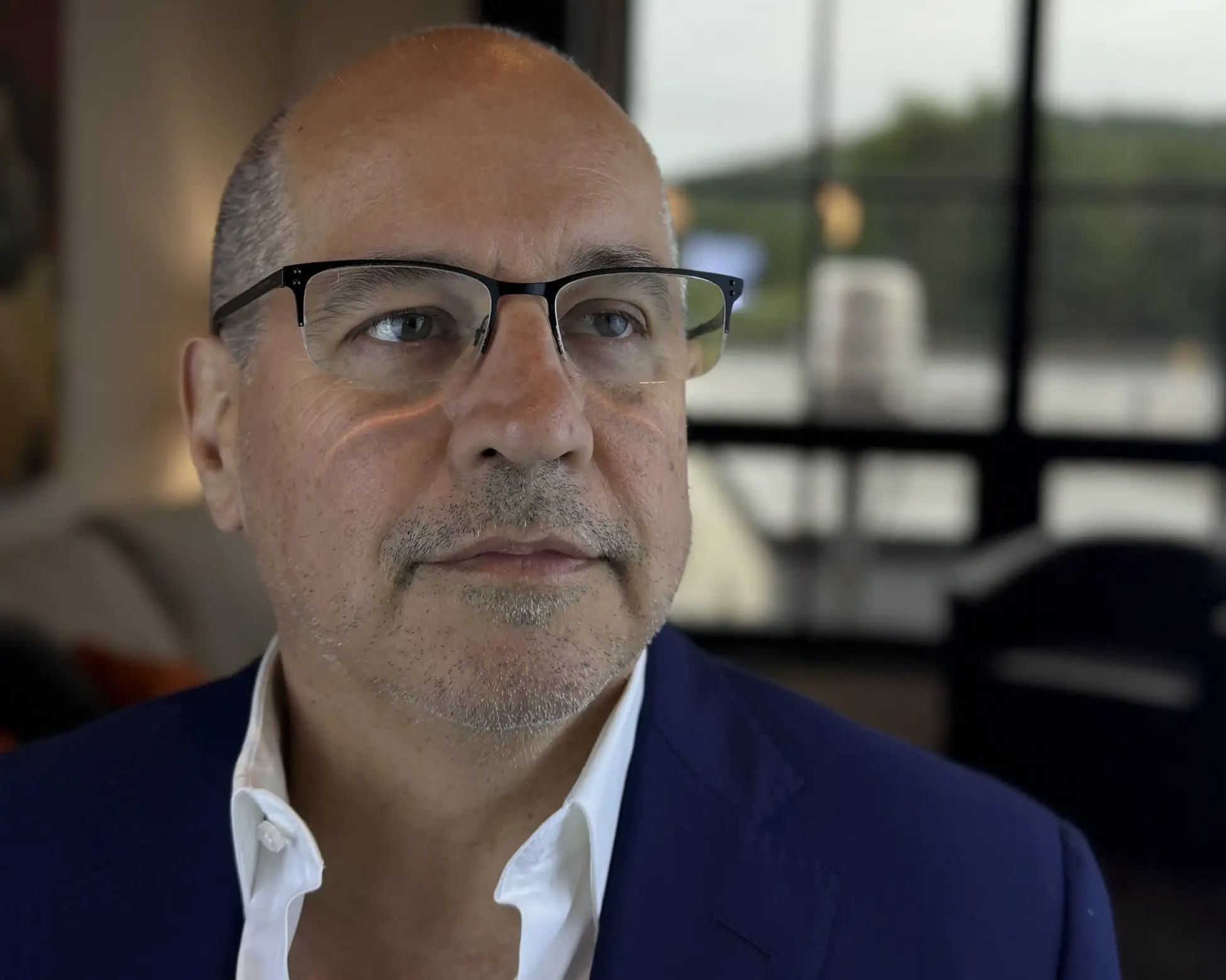
When a career ends, what remains? One executive’s journey from approval to authentic confidence.
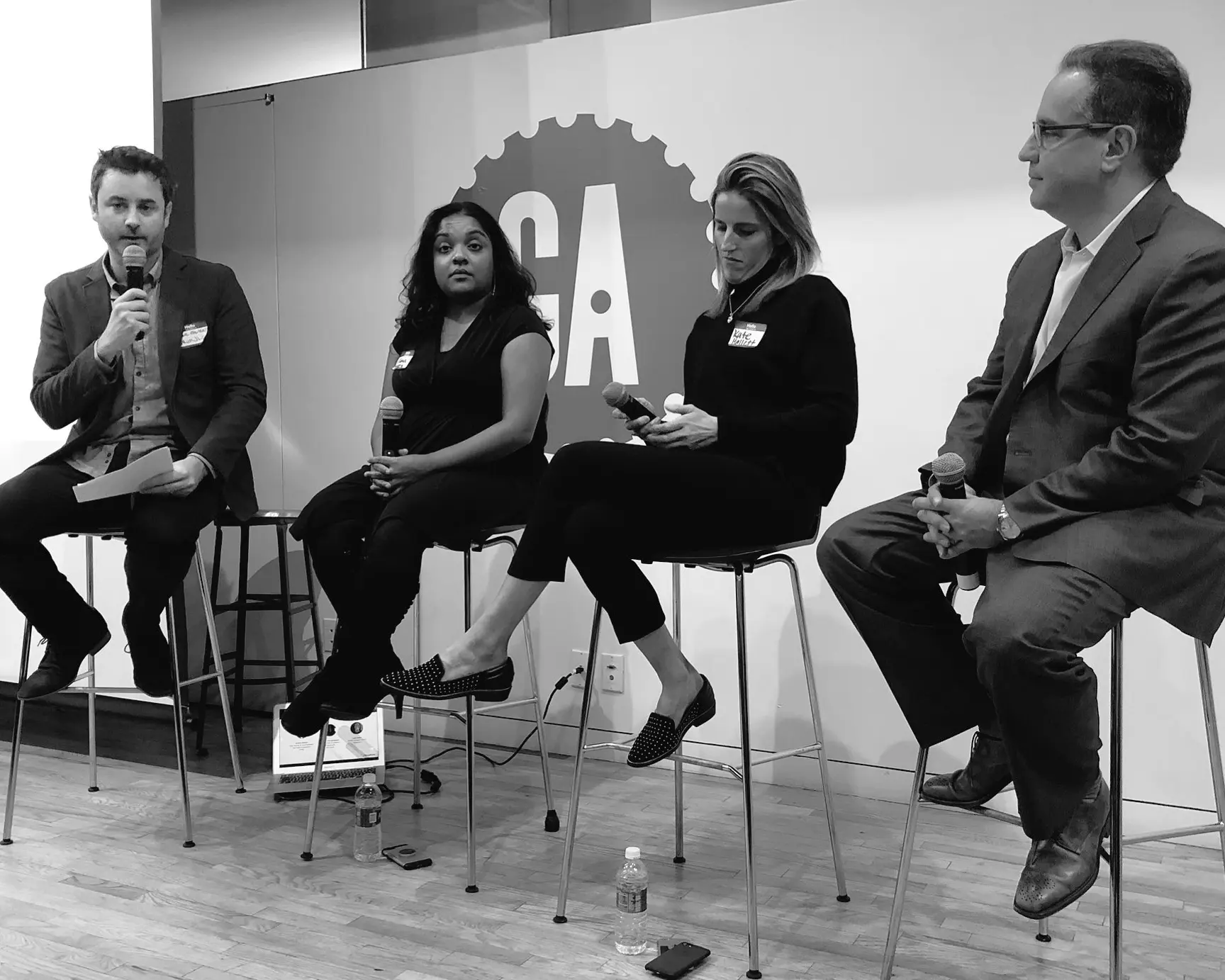
A personal reflection on aging, curiosity, and why experience still matters in the future of work.
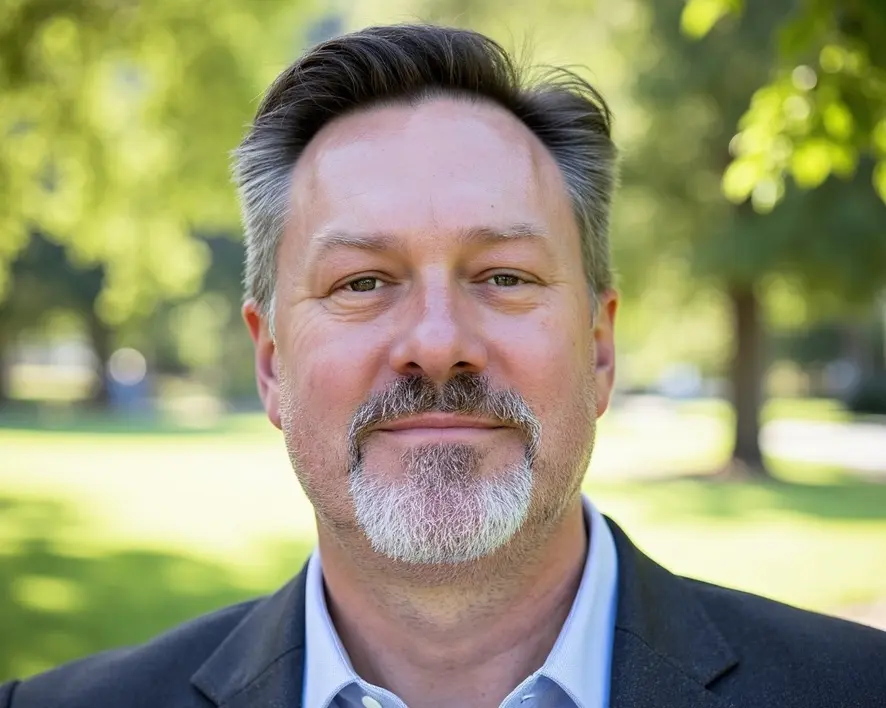
After decades chasing momentum, Aaron Strout found success answered fewer questions than expected.
A conversation inspired by Geoff Curtis’s Embracing Your Own Purgatory and the search for purpose after 50.
Bob Pearson shows how staying curious turns experience into leverage, impact, and freedom.
Charlene Wheeless shows how choosing visibility becomes an act of impact, not performance.

Reinvention after 50 isn’t about bravery alone. It’s about money, experience, and knowing when the math works.

Three paths. Real stories. See how people over 50 navigate change, purpose, and possibility on their terms.
A milestone birthday, a pandemic, and a château spark an unexpected second act in France.
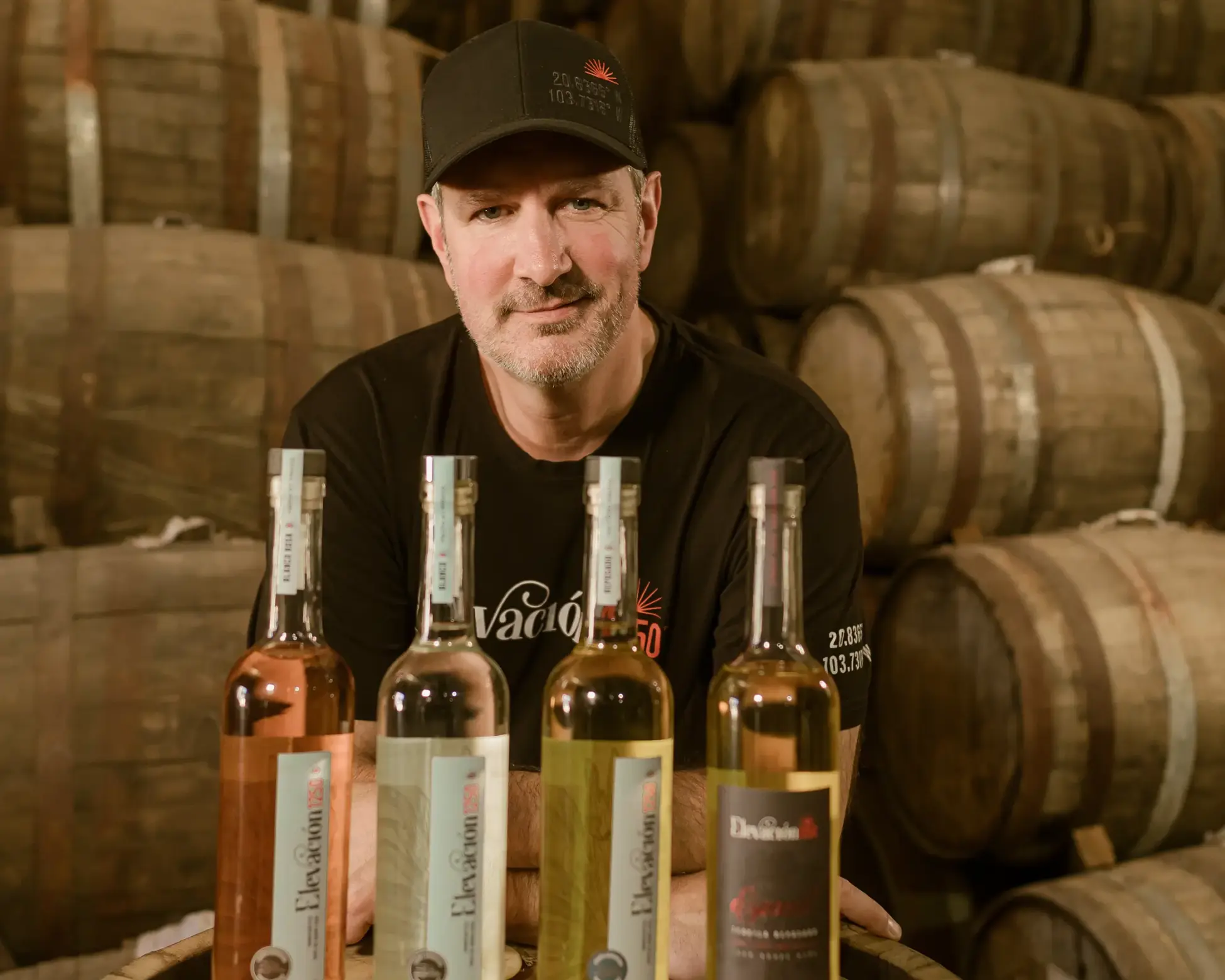
One marketer’s journey from misunderstanding tequila to honoring its heritage becomes his second act.
When the next title stops mattering, one CMO changes the scoreboard and bets on Gen X.

From billion-dollar boardrooms to boutique jam making, one leader redesigns work to finally serve life.
At 58, he walked away from corporate certainty to build a handmade future, one printed card at a time.
Her daughter said four words that changed everything. Faith Jennings left a VP career and chose life instead.

A startup leap at 52 changed everything. Scott Morris proves reinvention after 50 is messy, brave, and worth it.

Flip the Script is our new series spotlighting real stories of reinvention, freedom, and choice after 50.

Feeling stuck at 50, Paul Sutton found purpose in helping men speak honestly. His journey proves no one is alone.
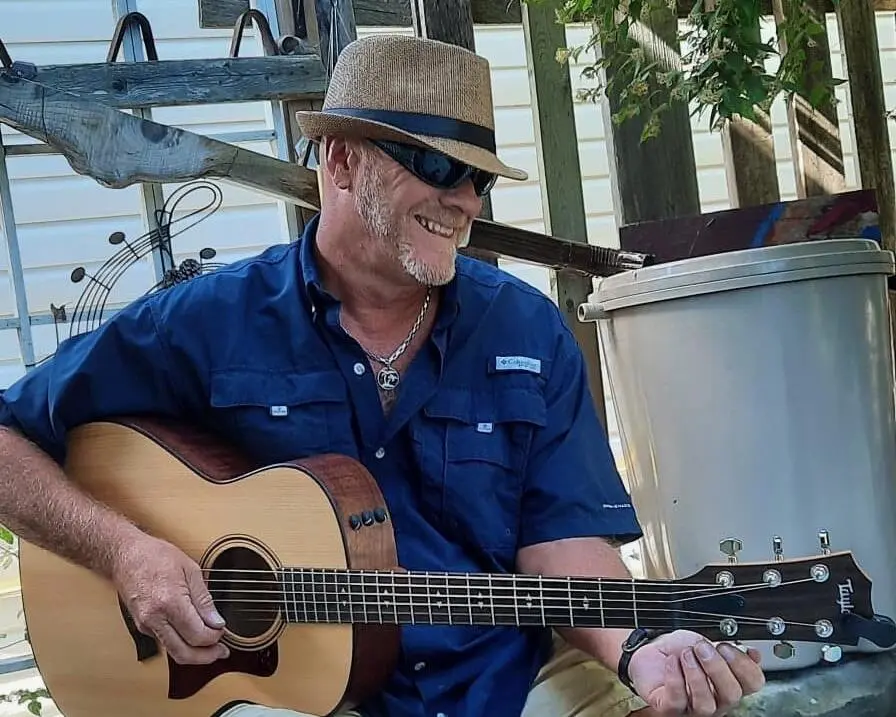
Singer-songwriter Dean Brandsma rewrites his life’s soundtrack. Hear the story behind the song Crossroads.

How trusting her intuition led to building a mission born from crisis.
Music changed my life. Playing guitar helped me heal, grow stronger, and embrace change.