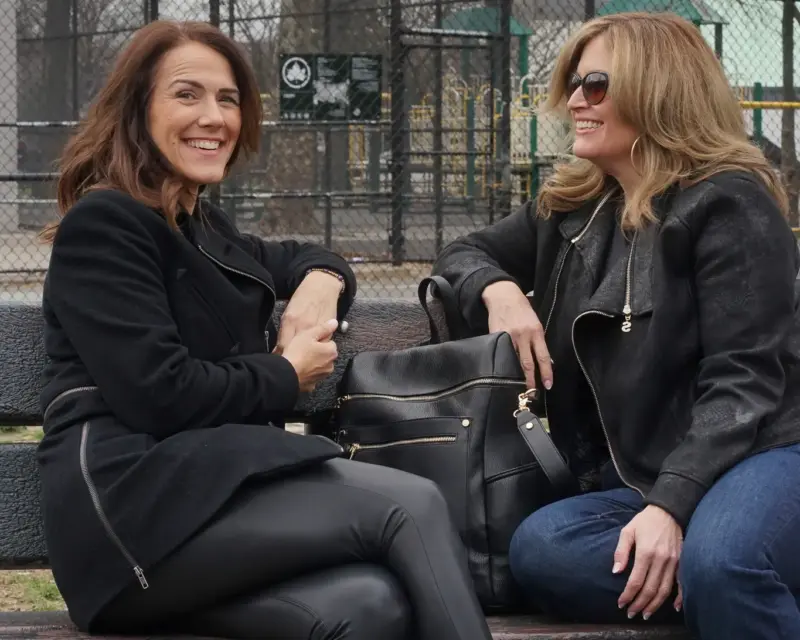
Celebrating choice after 50
When society stops keeping score, people respond differently. Some feel liberated. Others feel burdened. Most feel both, depending on the day.
What matters isn’t which response is “right.” What matters is recognizing that you still have agency in how you navigate this moment, even when circumstances limit your options.
The people in our 50 Over 50 series tend to fall into three broad categories. Many blur the lines between them. These are not labels—they’re frameworks for understanding the diversity of paths people take in this next chapter.
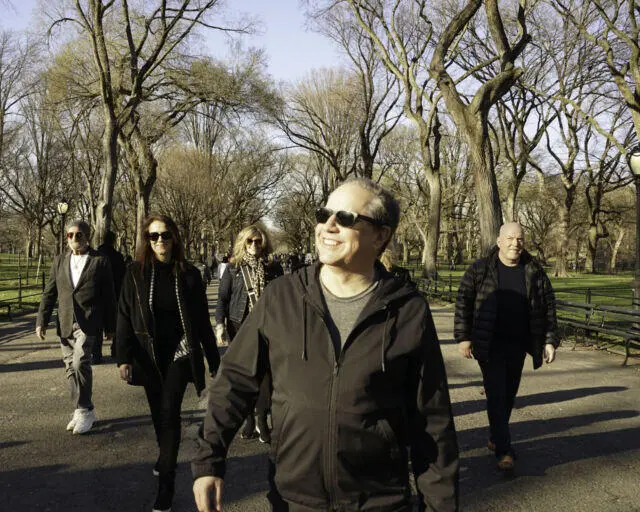
Path one: The barrier-pushers
These are people who push through the biggest barrier of all: the expectation that at a certain age, you should stop starting new things. They often have resources—money, experience, networks— and they use them to build something new at a time when society says they should be winding down.
Maria Boulden walked away from a Gartner executive role at 60 to make artisanal jam at the Delaware beaches. She’s candid about what made that possible: a financial safety net, decades of business thinking, and the acumen to know what questions to ask. She refuses to romanticize it. If the math doesn’t work, she turns down major orders. She left one grind behind and refuses to recreate it.
That’s barrier-pushing with boundaries.
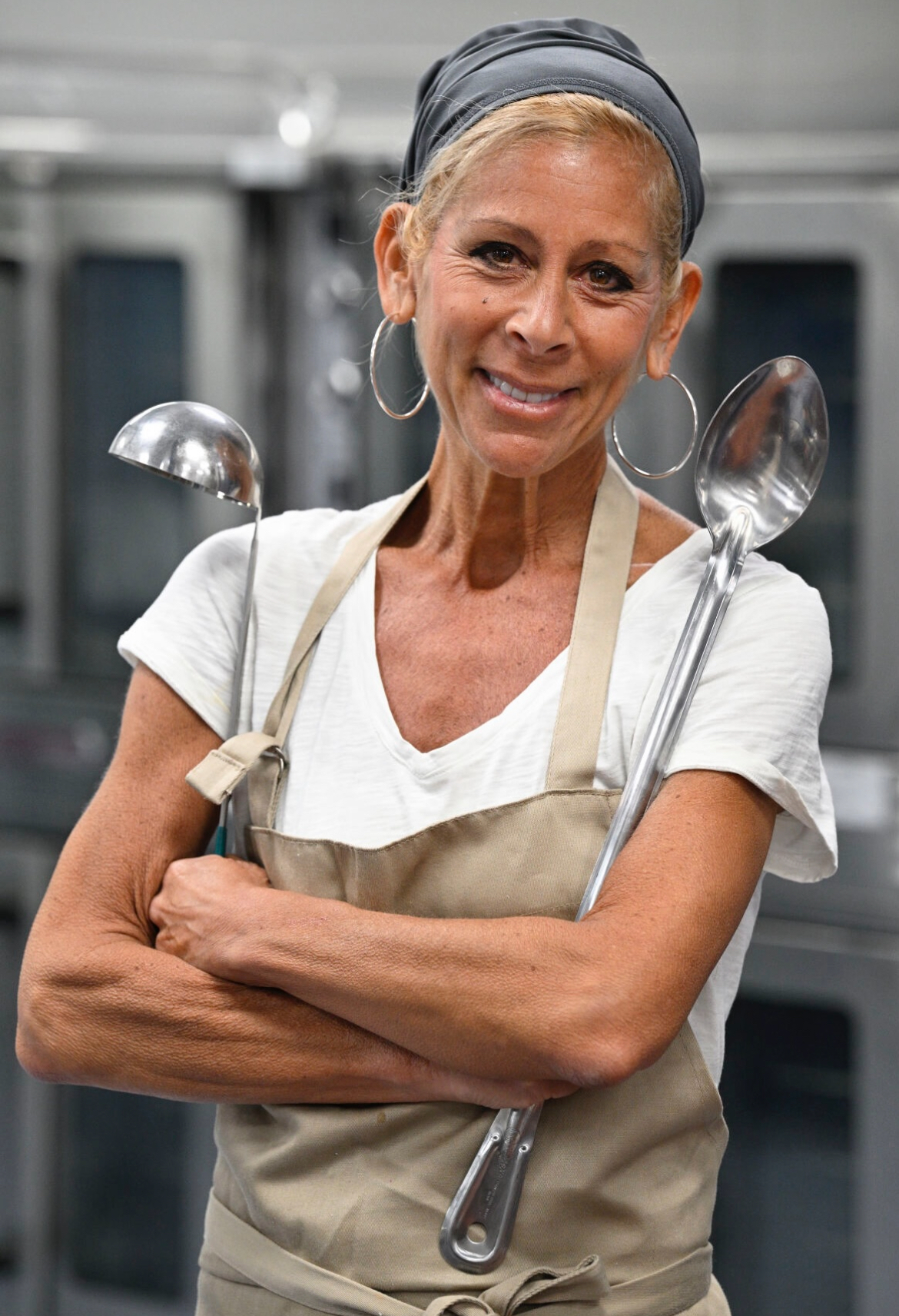
Maria Boulden went from “ruthless bitch” to the sweet little jelly girl.
Andy Atkins sold his systems-integration company on March 13, 2020—the day COVID landed. After two decades building CRM Manager into a Salesforce powerhouse, the deal closed. He was 63. He and his wife drove to their beach house in Lewes, Delaware, and watched the world lock down.
What came next wasn’t the retirement anyone expected.
“This is the best job I’ve ever had,” Atkins says now of his role at Penn State University, where he teaches Ph.D. students how to commercialize their research. Twenty hours a week on paper. No pressure. Just complex science problems he never imagined touching—mining technology, cancer research, fracking innovations—and helping brilliant scientists decide whether their inventions could become businesses.
The shift didn’t come from sudden inspiration. It came from years of relationship-building: board service, meeting the right people, and learning how to teach through a University of Maryland program because, as he puts it, “teaching is hard. The less you talk, the better.” Trust is built slowly without desperation.
At 68, his favorite activity is walking his dogs on the beach. “If I can keep doing this, I’ll do it for the rest of my life,” he says. “I’m not built to retire. I need to keep doing stuff. If I’d known this was possible, I would have done it years ago.”
Trish Jasinski sold her Paris apartment during COVID and bought a 14th-century château in France’s Vallée d’Ossau, where sheep outnumber people. Approaching 50 and watching her corporate role fade, she took the leap.
She’s building a retreat business while learning property maintenance from YouTube videos. “How hard could it be?” guides everything from construction projects to French bureaucracy. Her father’s advice stays with her: “Don’t get into anything you can’t get out of.”
The château hasn’t generated enough revenue to pay her a salary yet—but she’s figuring it out one bridge at a time.

Trish Jasinski lives by the mantra, “How hard could it be” taking care of her 14th century French château.
Path two: The adapters
These people don’t choose disruption. Disruption chooses them. What distinguishes them isn’t the crisis itself, but how they respond when life forces the question.
After Camille L. Miller’s nonprofit CEO role was defunded, she found herself at a networking event in New Jersey surrounded by healers and practitioners who weren’t talking to each other. That night, she wrote the business plan for what would become the Natural Life Business Partnership—later evolving into the Soul Professional Movement, now spanning 30 countries.
The clarity didn’t come without cost. The decision strained her marriage and led to a divorce in late 2017. She continued building through constraints most people would consider insurmountable: food banks, state assistance, three teenagers, no child support.
What she learned:
“That I had to play a smaller game or reduce myself or pretend or wear a mask to fit societal norms. We have to break those rules a little—and ask why.”
Faith Jennings and her husband faced a blunt intervention from their teenage daughter:
“You’re always working. You’re always on your phone. I never get to talk to you.”
They sat down with spreadsheets and hard questions. Pension math led Faith to leave her VP role in 2024 at 53. At the time, it felt like “career suicide.”
What she gained was something else entirely.
“It’s the simple stuff—things that were always squeezed in instead of given space to breathe. Getting my nails done. Just hanging out. Having conversations we never really had before.”
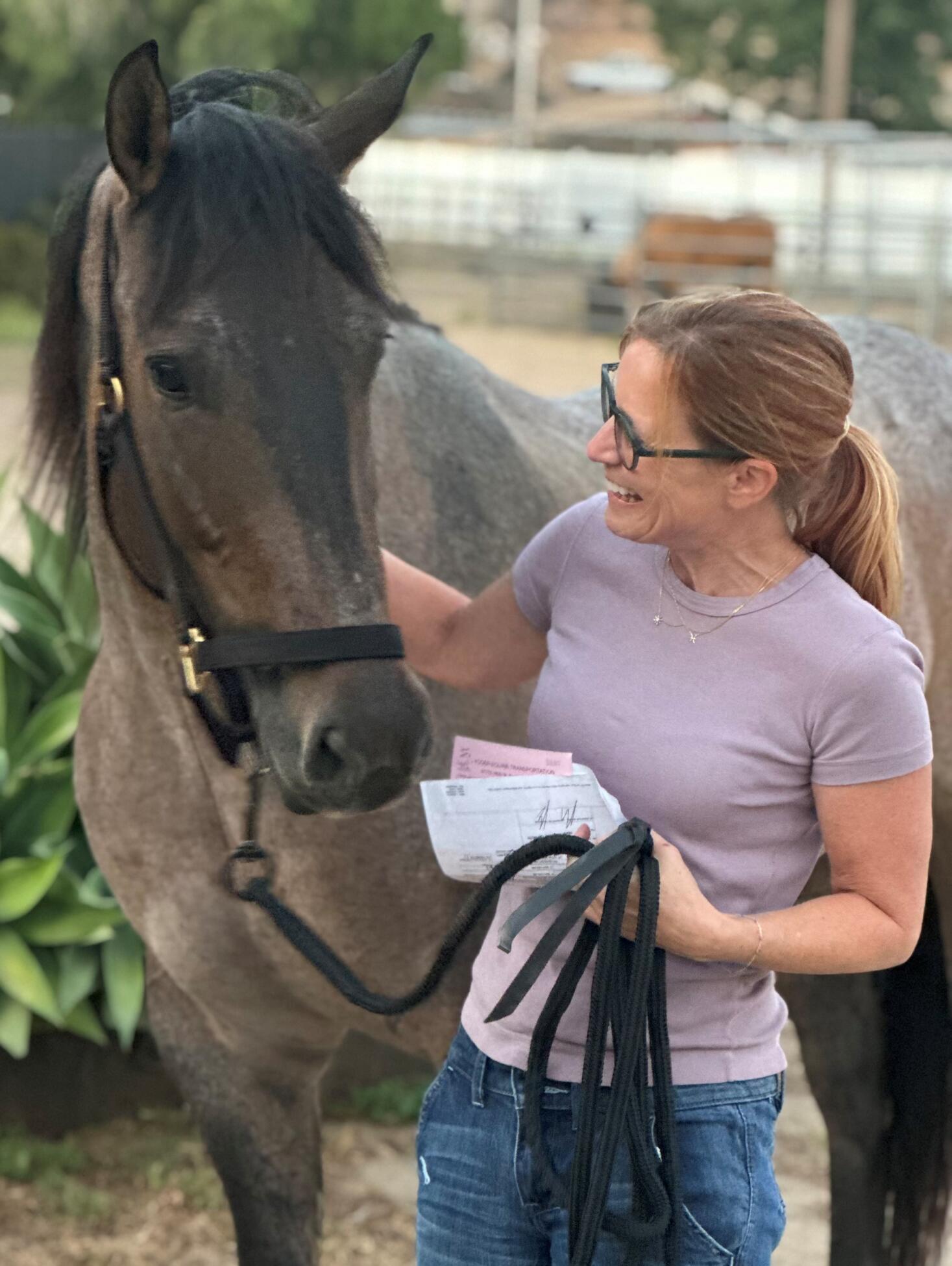
Spending time with her daughter — and Remington (pictured here) — has been a game-changer for Faith Jennings.
Former Notre Dame philosophy professor Tom V. Morris built a thriving speaking career from 30 books and decades of corporate relationships. Then his clients started retiring, dying, or getting acquired.
So he adapted. He signed up for a weekend networking retreat he’d avoided for years. He found new clients there. He established new relationships. He began hosting his own weekend retreats based on his work.
Mary Ellen Dugan, founder of X Factor Impact, offers a diagnostic question before any midlife pivot:
“Are you running to something—or running from something?”
Running from often means wrong company, right function—fixable without upheaval. Running to signals true reinvention and higher risk tolerance.
She replaced five-year plans with two-year thinking.
“Two years is enough time to make meaningful change without being paralyzed by enormity.”
Her midlife litmus test:
“Will your life be happier in two years if you don’t make a change?”
If the answer is no—whether health, work, or wealth—then something must shift.
That’s what adaptation looks like at 50+. Not magazine-cover reinvention. Just recalibrating when the ground shifts while continuing to build what matters.
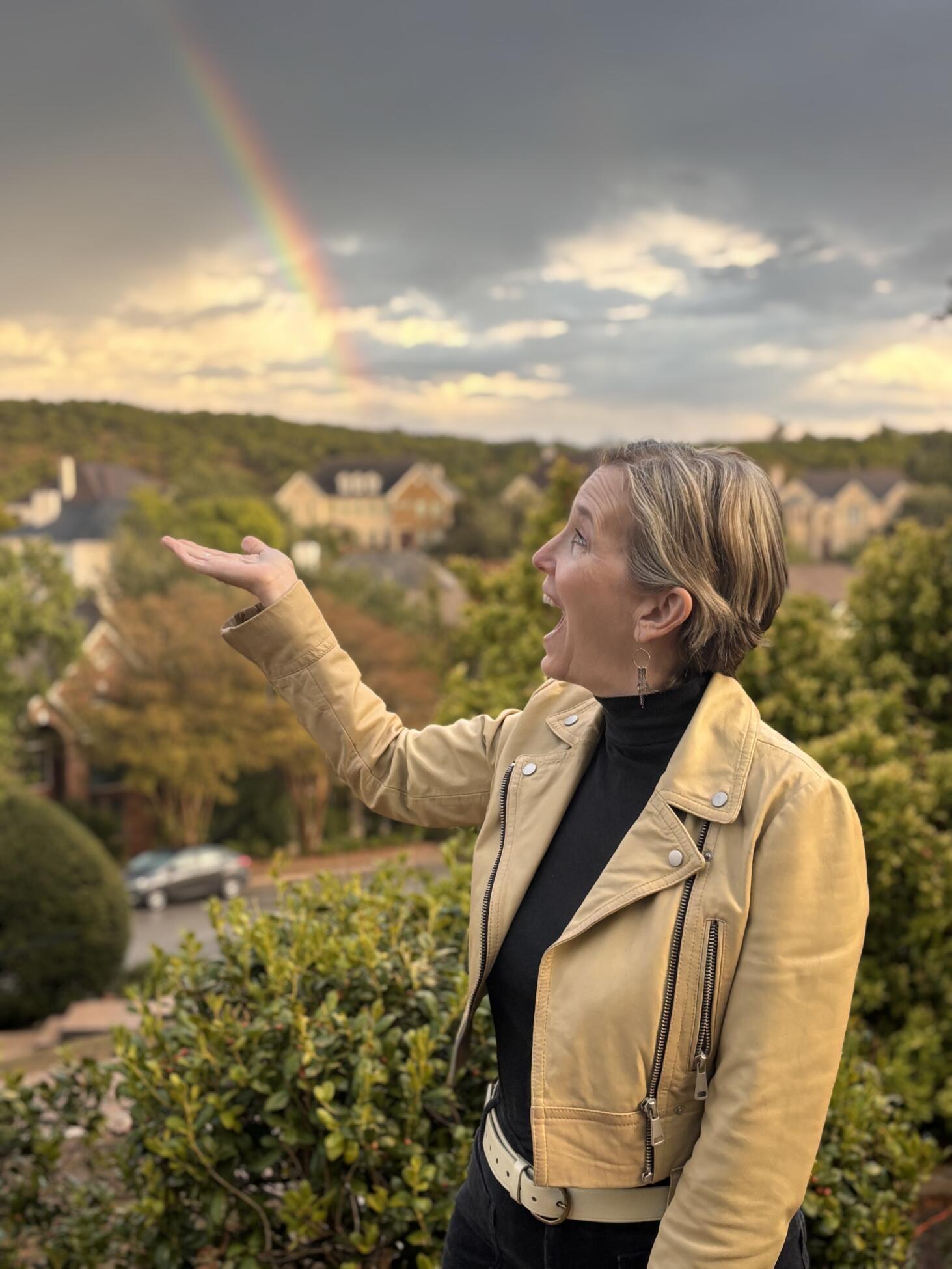
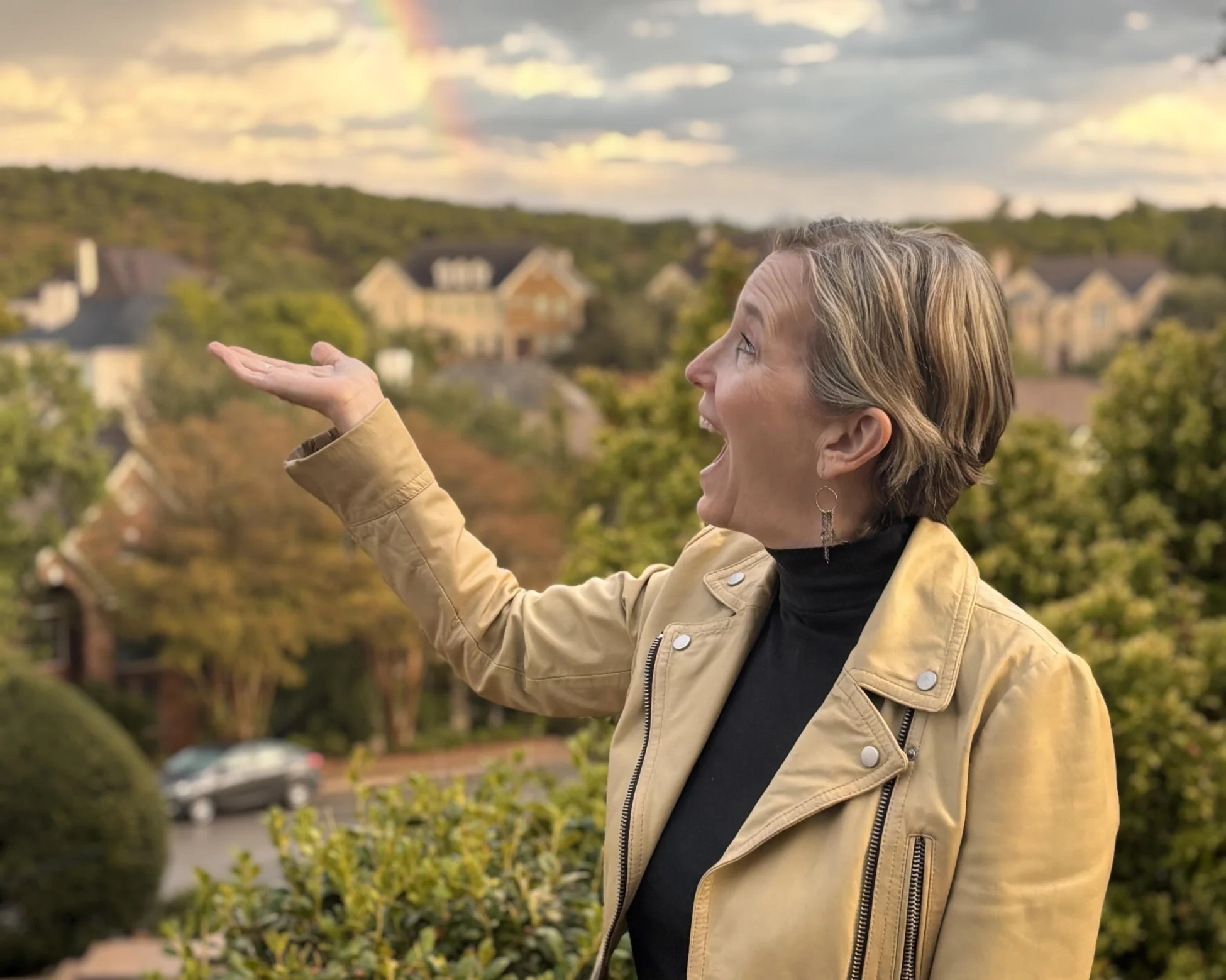
Mary Ellen Dugan isn’t chasing rainbows. She asks the question, “Are you running from something or toward something in your pursuit of life?”
Path three: The values-keepers
These people aren’t reinventing or reacting to crisis. They’re deepening their commitment to values they’ve always believed in. This stage of life finally gives them the freedom to honor what mattered all along without needing external validation.
Jake Frego took Bank of America’s early retirement offer at 59 in 2022 after 27 years. He’s guided by the mantra:
“We make a living by what we get. We make a life by what we give.”
He’d spent decades getting. It was time for giving.
His wife needed some convincing, but they’d been talking about the shift for years. After discussion, she agreed it was the right move.

Jake Frego with wife Janet, enjoying retirement at Lake Michigan.
On Tuesday afternoons, Frego reads the Wall Street Journal to sight-impaired listeners through the Cleveland Sight Center Radio Network. He volunteers through his church. He mentors college students through his alma mater and startups through SCORE. Much of his work focuses on brand positioning:
“Who you think you are, who others think you are, and who you actually are.”
He’s never regretted the decision.
“Not for a scintilla of a nanosecond.”
He defines a productive day as one where he leaves “everything and everybody better than I found them.” With four grandchildren, a fifth on the way, and children in four cities, he’s chosen presence over performance. The commitments he couldn’t keep while working full-time now define his weeks.
What distinguishes this path from settling is authenticity. His ambition didn’t disappear. It simply shifted—from breadth to depth, from conquest to contribution, from achievement to wisdom.
What all three share
The inspiration doesn’t come from which path is chosen. It comes from watching people make intentional choices about how they’ll spend the decades they have left—using everything they learned while following someone else’s script, all within very real constraints of money, health, family obligations, and timing.
James Anderson and his wife initially passed on purchasing Saturn Press because they didn’t want to live on Maine’s Swan’s Island, where the business operated. Two years later, the owners moved the company just 10 miles across the island.

James Anderson: “When you run a small business, decision-making is all you do, and you definitely own all the outcomes.”
“A light bulb went off,” Anderson says.
“If you can move it 10 miles across an island, it’s not that hard to move it 300 miles across New England.”
Sometimes the constraints you think are fixed are simply assumptions no one questioned.
Todd Hummel’s squash-club friends were enthusiastic when he mentioned his tequila brand: “Oh my God, that’s so awesome!” But once the real building began, they drifted.

Todd Hummel seen here showcasing his tequila brand that he created in his fifties.
“I can’t express my frustrations to anybody. People don’t understand—or don’t care. They just see the highlight reel.”
Entrepreneurship after 50 can be isolating in ways success never warns you about.
That’s true whether you’re pushing through barriers, adapting to change, or deepening values you’ve held all along.
Next in series: What makes choice possible? We examine the economic realities, expert insights, and structural factors that enable (or prevent) people from navigating this life stage on their own terms. To read the first post in this series, click here.
More From the Flip the Script Collection
The casualties aren’t just adults over 50. They’re the companies who missed the memo.
Losing a job after 50 shouldn’t mean reinventing who you are. Maybe it’s the system that needs to change.
The rules of work have changed. Why do we still believe our best work is behind us?
The rules have changed. Read why millions of experienced professionals are redefining work, purpose and what’s next
Explore why success itself may be the hardest habit to leave behind.
When a career ends, what remains? One executive’s journey from approval to authentic confidence.
A personal reflection on aging, curiosity, and why experience still matters in the future of work.
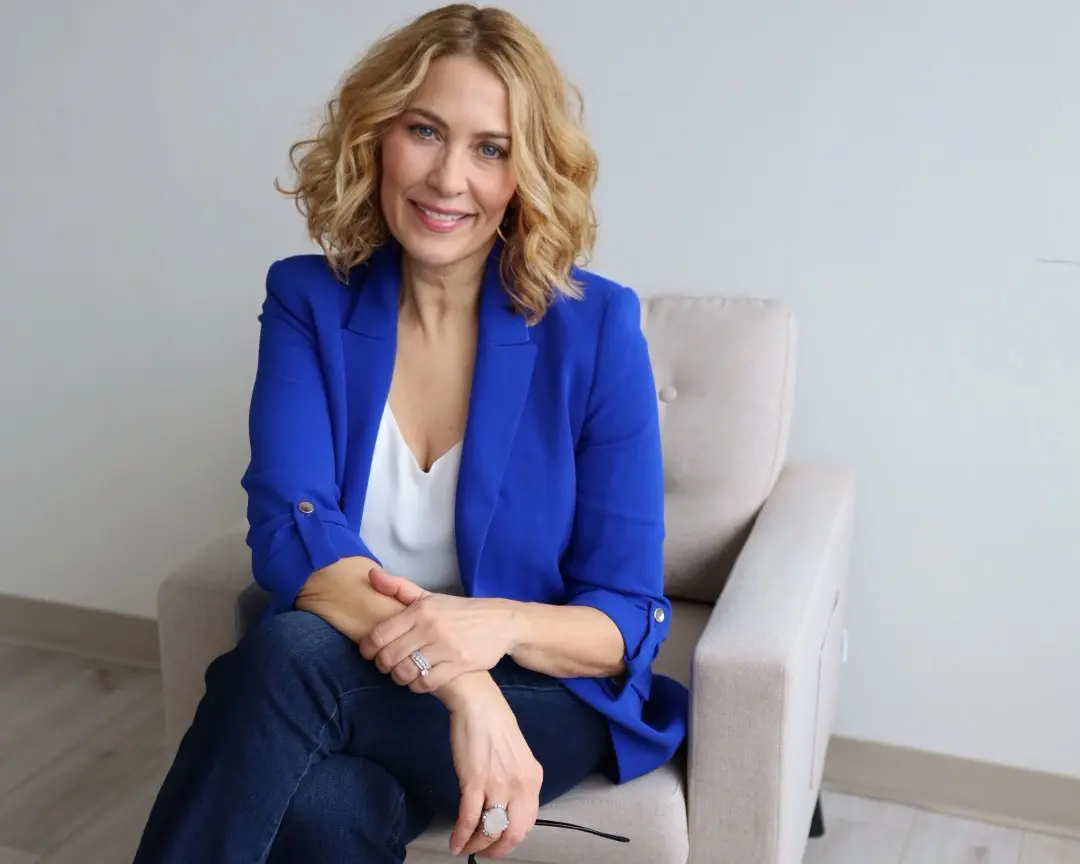
What happens when the life you built no longer fully reflects who you’ve become?
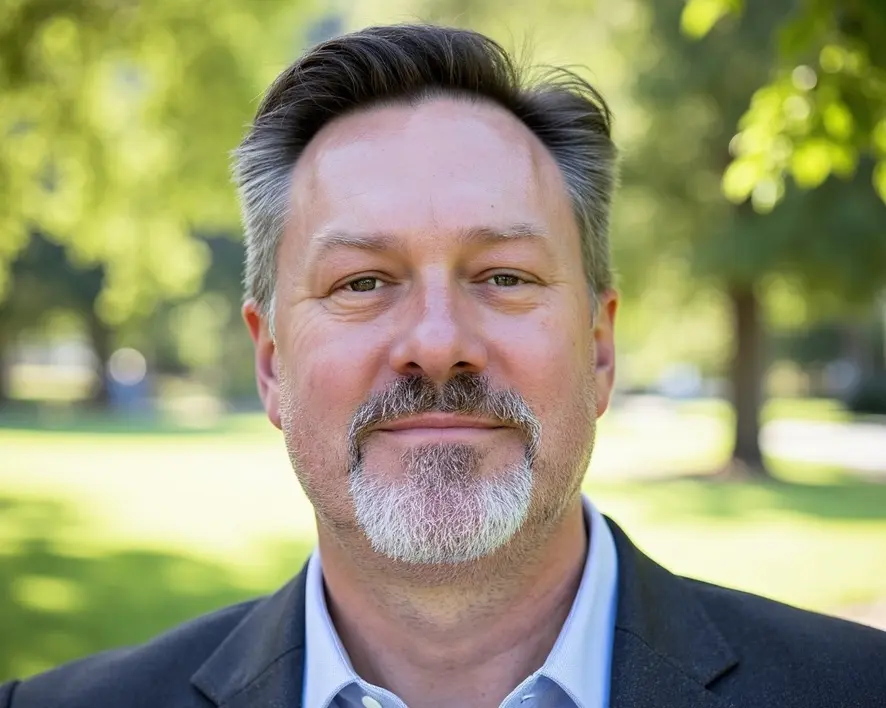
After decades chasing momentum, Aaron Strout found success answered fewer questions than expected.
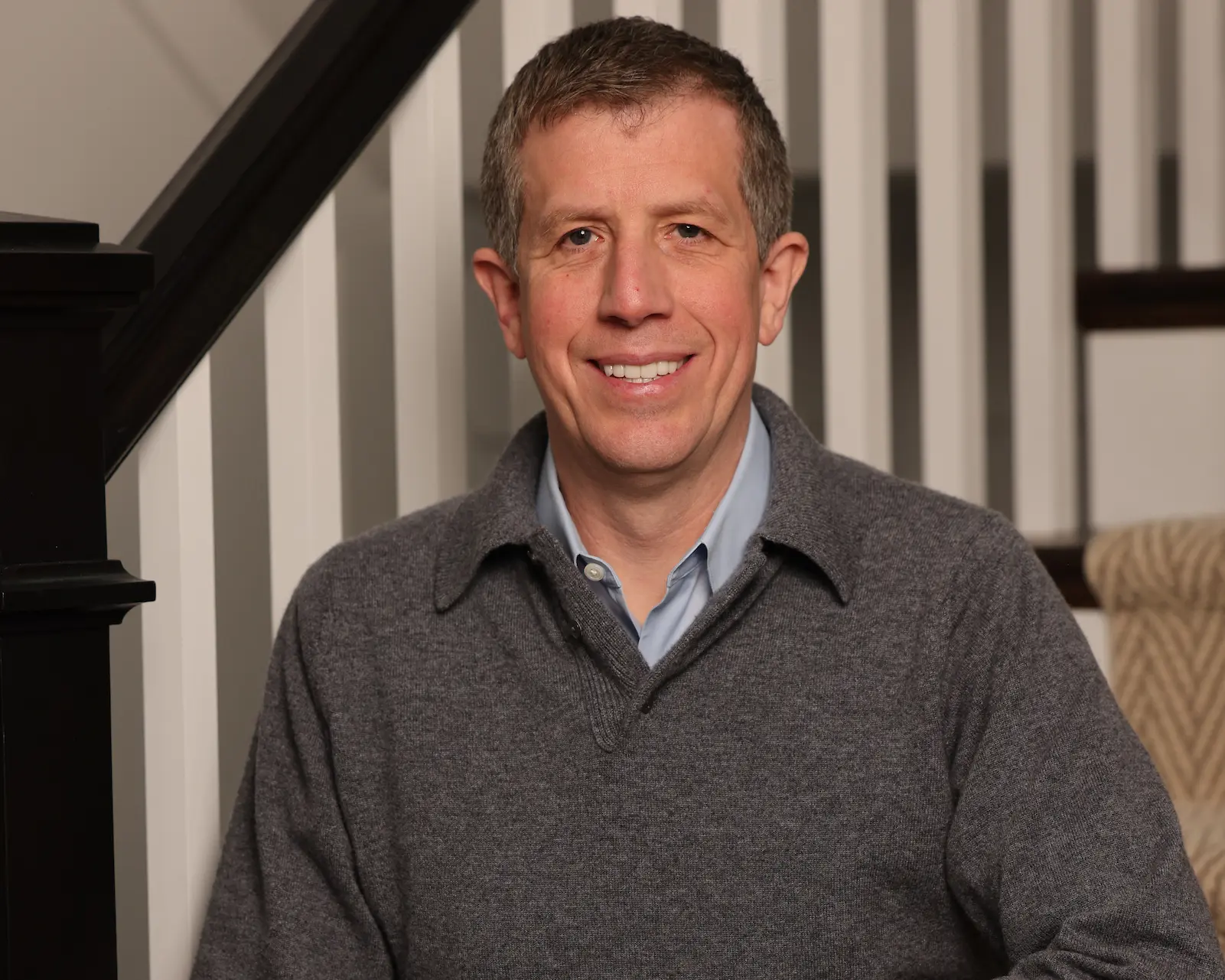
A conversation inspired by Geoff Curtis’s Embracing Your Own Purgatory and the search for purpose after 50.
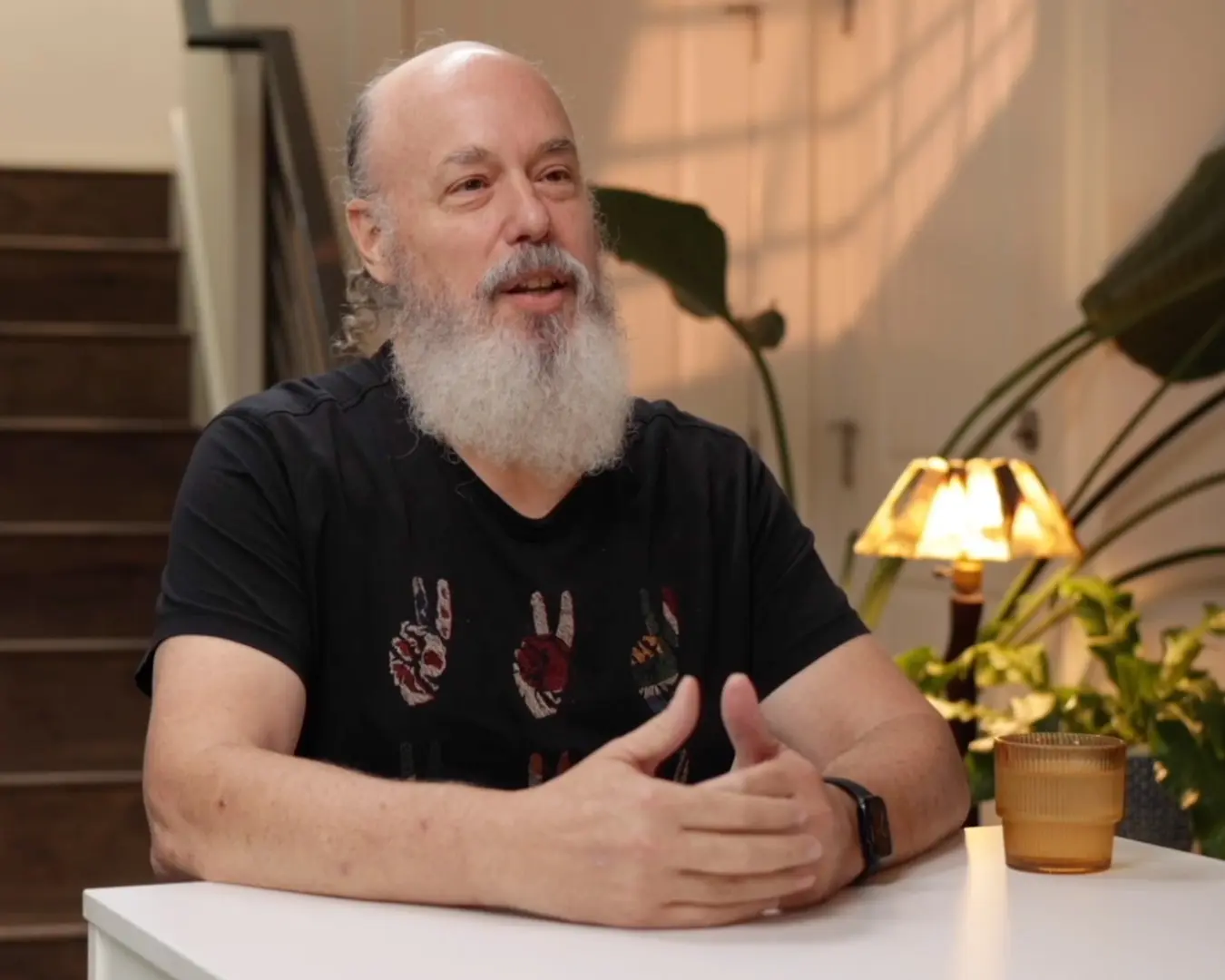
Bob Pearson shows how staying curious turns experience into leverage, impact, and freedom.
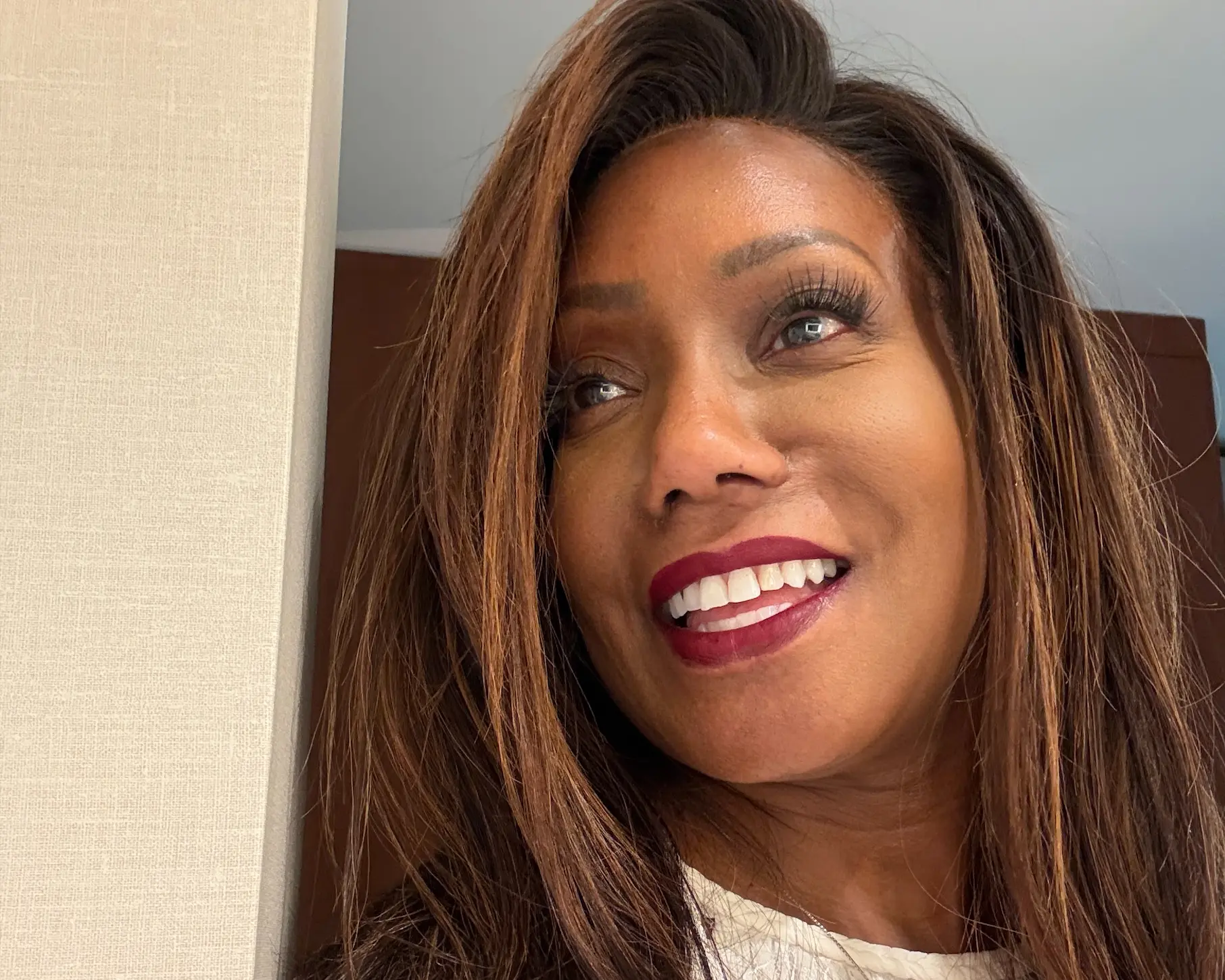
Charlene Wheeless shows how choosing visibility becomes an act of impact, not performance.

Reinvention after 50 isn’t about bravery alone. It’s about money, experience, and knowing when the math works.
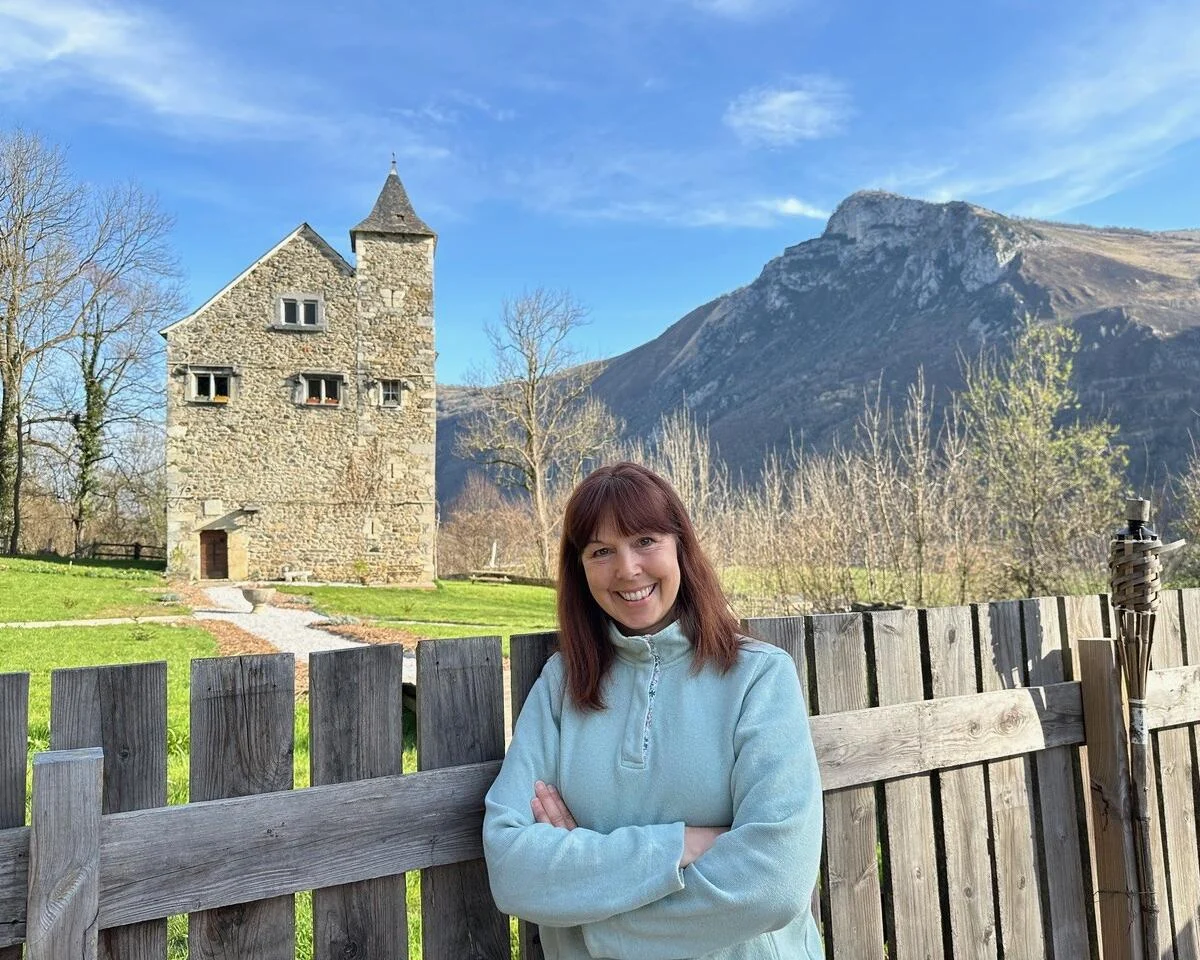
A milestone birthday, a pandemic, and a château spark an unexpected second act in France.
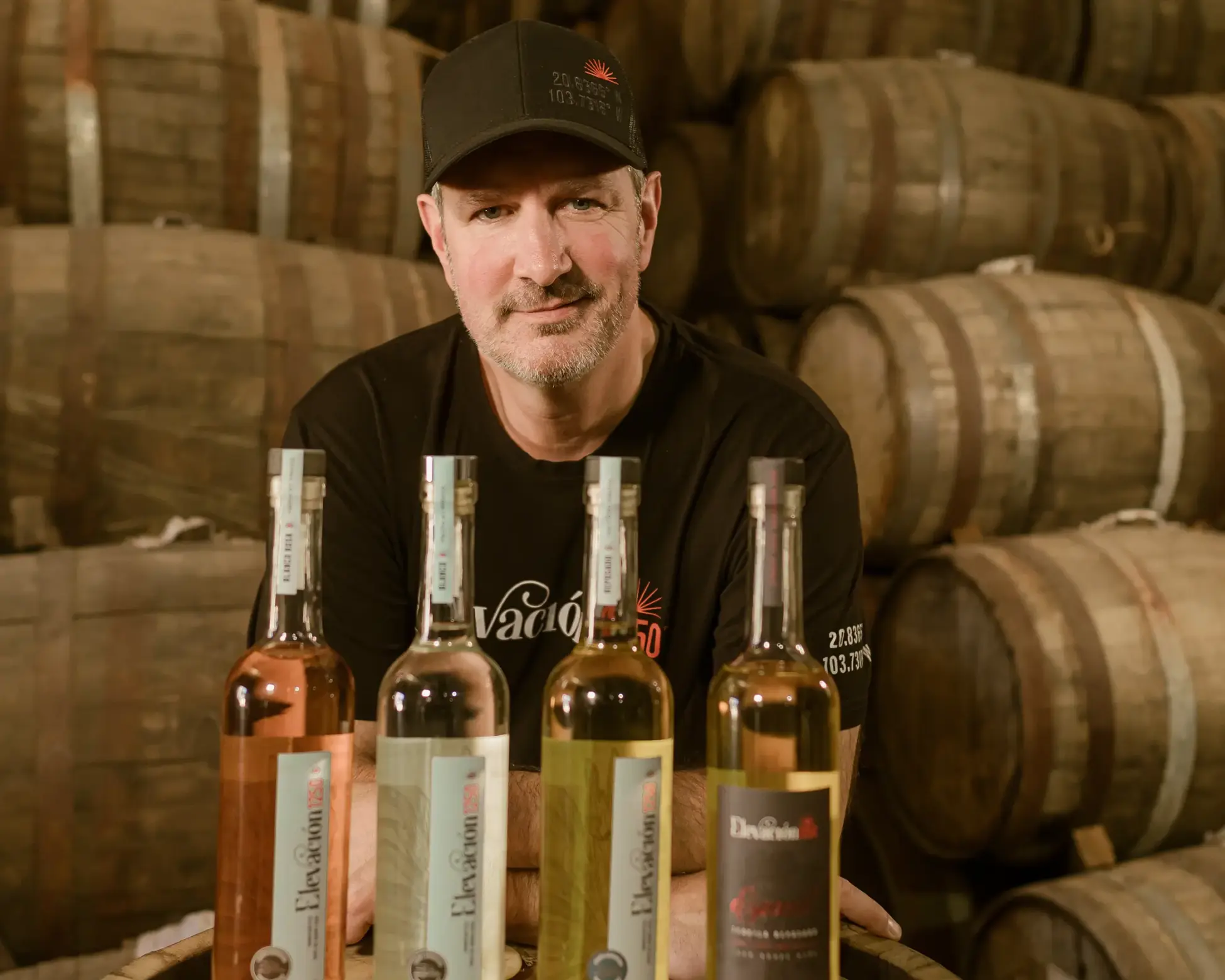
One marketer’s journey from misunderstanding tequila to honoring its heritage becomes his second act.
When the next title stops mattering, one CMO changes the scoreboard and bets on Gen X.

From billion-dollar boardrooms to boutique jam making, one leader redesigns work to finally serve life.
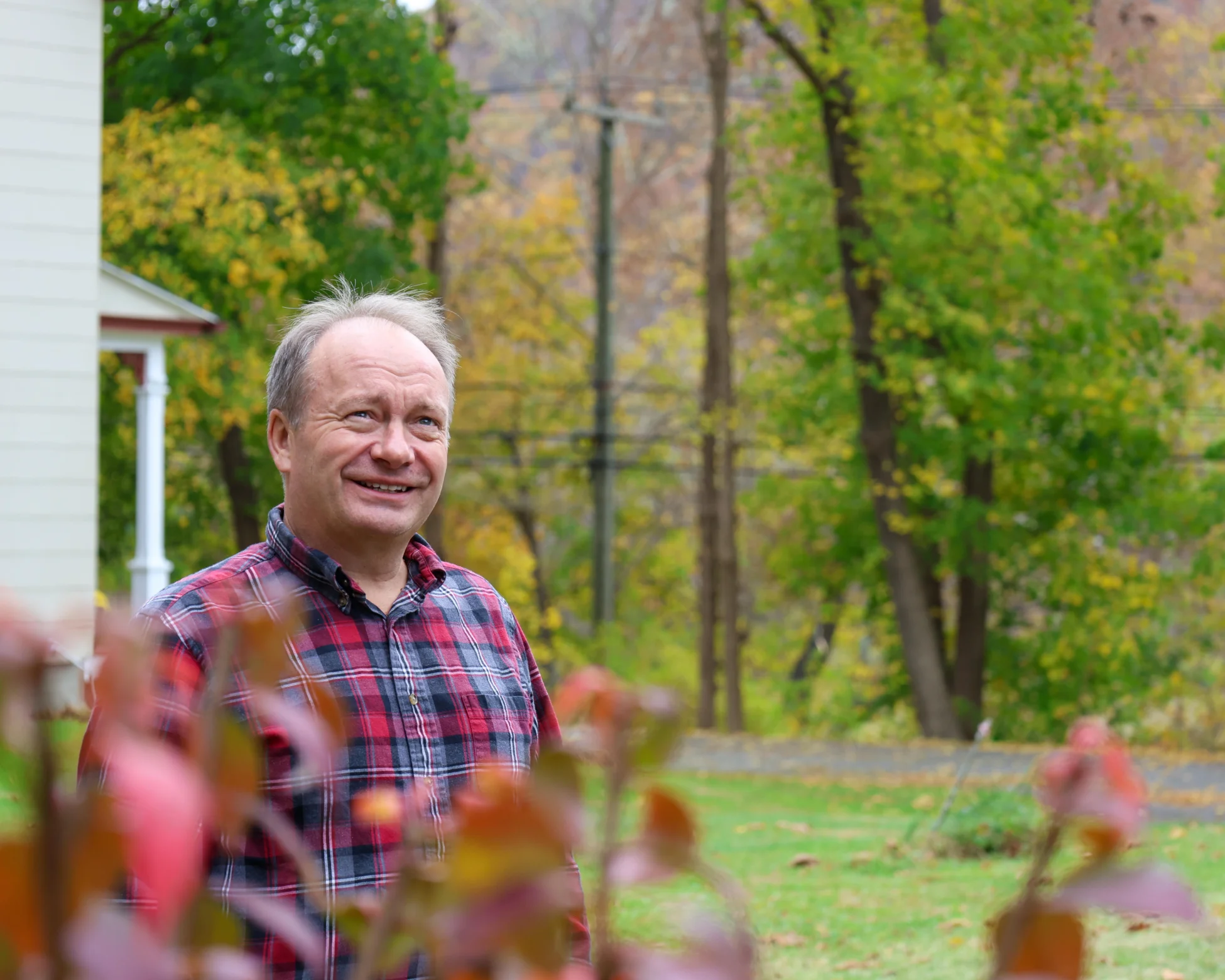
At 58, he walked away from corporate certainty to build a handmade future, one printed card at a time.
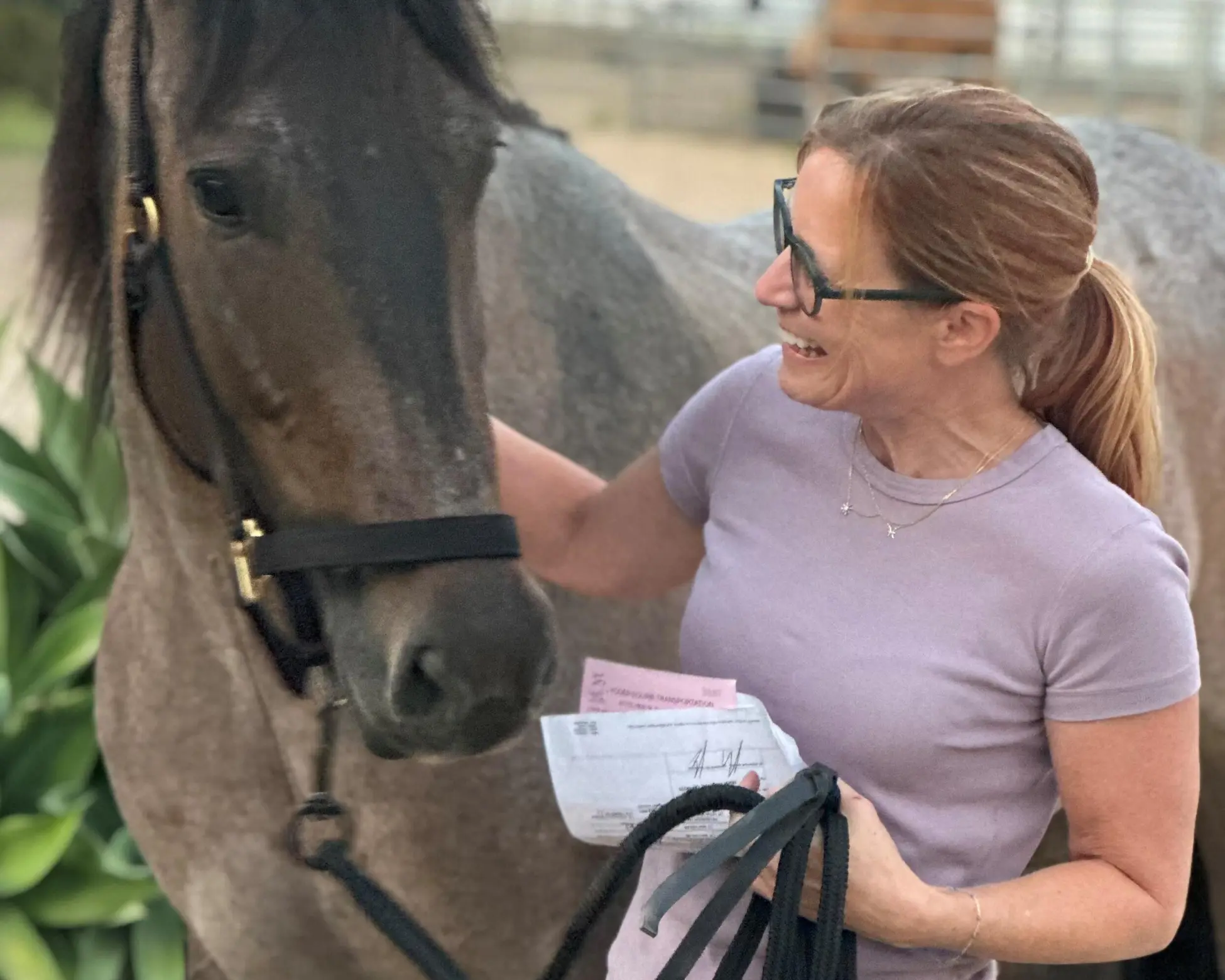
Her daughter said four words that changed everything. Faith Jennings left a VP career and chose life instead.

A startup leap at 52 changed everything. Scott Morris proves reinvention after 50 is messy, brave, and worth it.

Flip the Script is our new series spotlighting real stories of reinvention, freedom, and choice after 50.

Feeling stuck at 50, Paul Sutton found purpose in helping men speak honestly. His journey proves no one is alone.
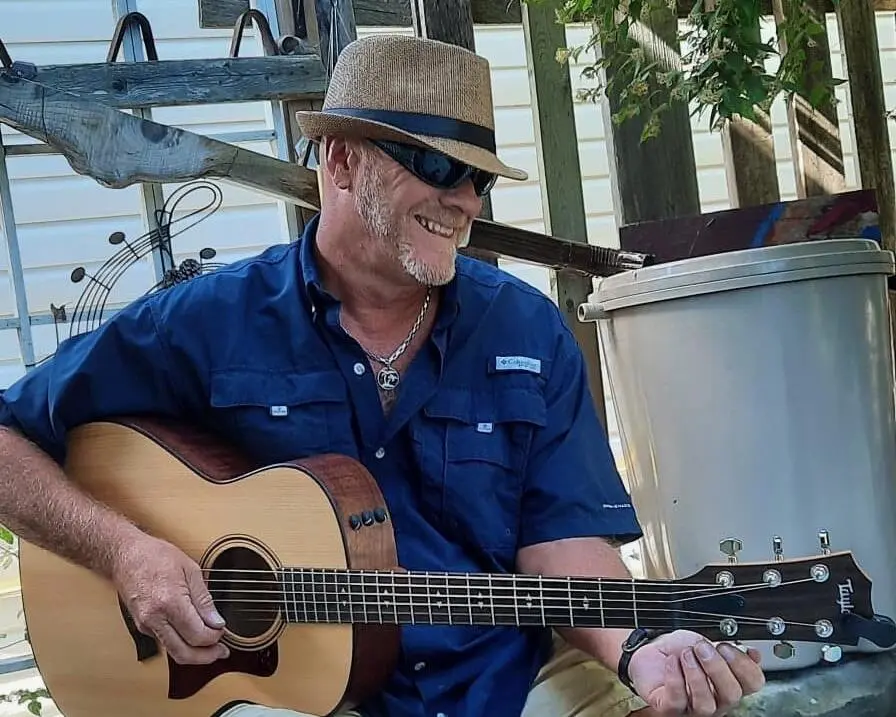
Singer-songwriter Dean Brandsma rewrites his life’s soundtrack. Hear the story behind the song Crossroads.

How trusting her intuition led to building a mission born from crisis.
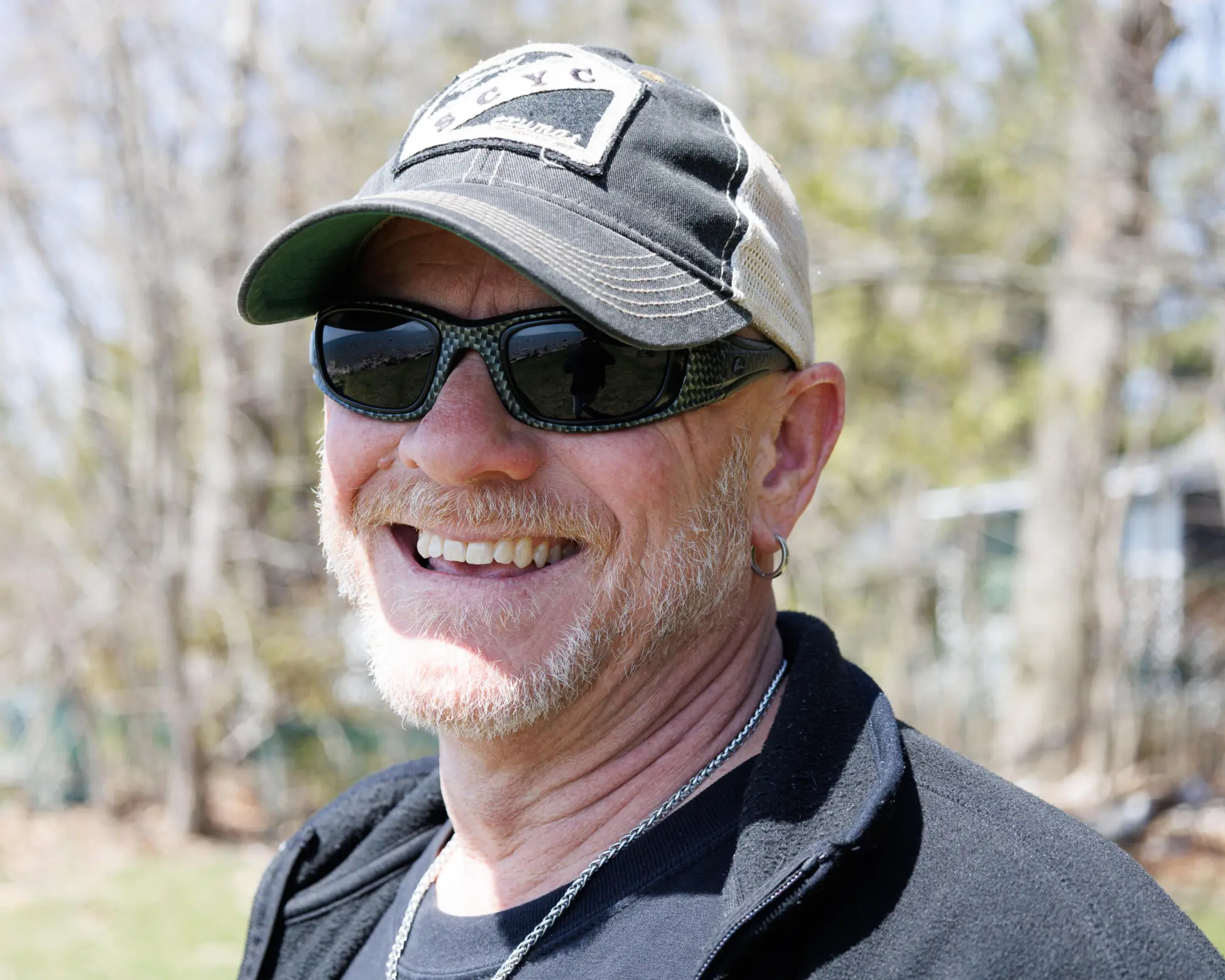
Music changed my life. Playing guitar helped me heal, grow stronger, and embrace change.