There’s a strange thing that happens to friendship as we get older. At some point, we stop expecting new people to become important.
We have our people. Some go back decades. Others arrived through work, marriage, neighborhoods, our kids or the various accidents that determine who ends up in our lives. By 50, the cast can feel pretty well established. Then every once in a while, someone surprises you.
I was reminded of that recently while spending a few days away with someone I care deeply about. We spent much of the time with longtime friends of hers whom I’d met before, usually over dinner or a drink. I knew them, but as it turned out, I really didn’t.
This time we had something different: time. Long conversations. Stories. Meals that weren’t squeezed between other obligations. Enough hours together to get beyond the biographies we give people when we’re still essentially acquaintances.
I came home feeling like I’d made new friends. At the same time, I discovered new things about someone already very important to me. Nothing dramatic happened. We just had time. And I’ve been thinking about that ever since.
We Don’t Run Out of People. We Run Out of Opportunity.
Making friends as an adult is surprisingly difficult. Not necessarily because we’ve become antisocial or intolerable, although both remain possibilities. What disappears is the infrastructure.
When we’re young, friendship happens almost accidentally. School gives us hallways, sports and dorm rooms. Early careers give us coworkers at similar stages of life. Children introduce us to other parents.
Psychologist Marisa Franco points to repeated interaction and shared vulnerability as important ingredients in adult friendship. The problem is that adult life gives us fewer places where those things happen naturally.
The numbers tell a similar story. A University of Michigan National Poll on Healthy Aging found 42% of adults 50+ say making new friends is harder than when they were younger. Yet 75% remain interested in developing new friendships.
I love the tension in those two numbers. We still want new people in our lives. We’ve just lost some of the machinery that used to bring them to us.
Getting Pickier Isn’t the Same as Closing the Circle
Stanford psychologist Laura Carstensen’s work on socioemotional selectivity suggests that as our perception of time changes, emotionally meaningful experiences and relationships become more important.
Research on socioemotional selectivity and aging
That makes intuitive sense to me. I’m less impressed by how long I’ve known someone than I once was. History matters enormously, but history and intimacy aren’t the same thing. There are people we’ve known for 30 years who may know surprisingly little about who we are today. Then occasionally someone we’ve known casually gets a little more time with us and suddenly becomes important.
That doesn’t mean friendship after 50 should become some ruthless exercise in personal optimization. Nobody wants a text saying, “Thank you for your 27 years of friendship. Unfortunately, we’ve decided to move in another direction.”
But relationships have seasons. Some deepen. Some drift. Some disappear and unexpectedly return. And some are still waiting to become something.
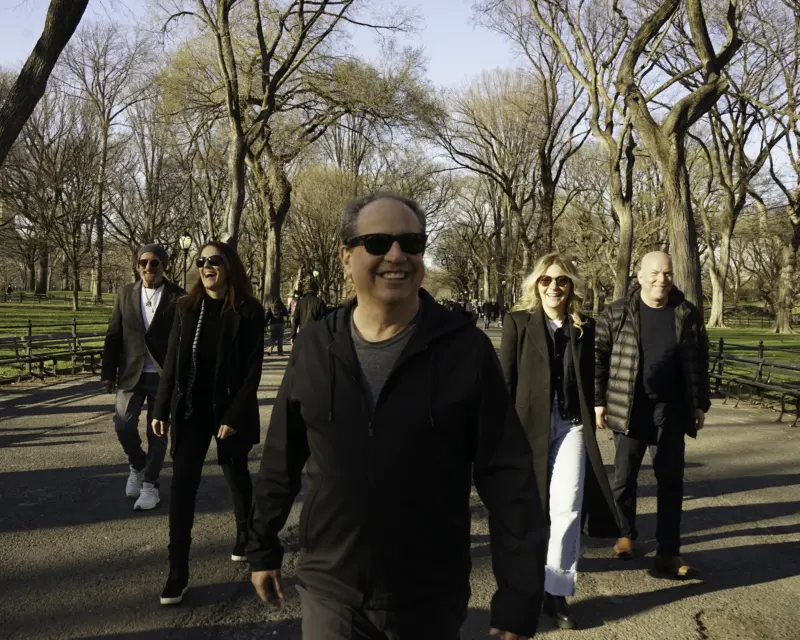
New People Meet the Person You Are Now
Old friends have something irreplaceable: history. They remember the earlier versions of us. The bad hair. The first marriage. The job we thought would change everything. The things we were absolutely certain about before life corrected us.
There’s enormous comfort in being known that way. But I’ve realized new relationships offer something different: new people meet the person you are now.
That feels particularly relevant after 50. Careers change. Relationships change. Priorities shift. Confidence gets knocked around and rebuilt. We become more ourselves in some ways and less certain in others. A new friendship doesn’t carry all the expectations of who we used to be. Sometimes that’s liberating.
And these relationships matter in measurable ways. Among adults 50+ with close friends in the Michigan poll, 79% said they could definitely rely on them for emotional support, while 50% said friends had encouraged them to make healthier choices.
But what I felt recently was harder to measure: possibility. The realization that my social world isn’t finished. Someone I already know can still surprise me. Someone I care deeply about can reveal another layer. An acquaintance can become a friend simply because we finally gave the relationship enough room.
We talk a lot about protecting old friendships as we age, and we should. The people who have traveled with us this far deserve attention, not complacency. But perhaps there’s another part of aging well that gets less attention: remaining open to the people who haven’t become important to us yet.
I went away expecting a few good days with people I liked. I came home with deeper relationships than I left with. That seems like a pretty good return on four days, and a useful reminder that after 50, our social lives still have a future.


More Features about Play

Discover the story behind the song “Two Nights in Memphis”.

A RestlessUrban fashion guide fueled expert reviews, fantastic finds, and curious explorations.

Meet Bryan Jones. There is no trophy for ‘safe and sensible’.

Middle age invites a shift from chasing success to finding passion and purpose.

Rediscover the power of play after 50. Joy, creativity, and connection are just the beginning.

Glamping grows up with luxury retreats where peace, comfort, and dinner waiting are the new essentials.

Technology is becoming a lifeline for Gen X caregivers juggling kids, parents, and peace of mind.