If you’ve spent any time talking with professionals over 50 lately, you’ve probably heard some version of the same sentence.
“I never thought this would happen to me.”
I’ve heard it from former CEOs, sales leaders, teachers, engineers, communications executives, healthcare professionals and small business owners. Different industries. Different politics. Different stories. The common thread isn’t their résumé. It’s the quiet disbelief that after decades of building careers, many suddenly feel as though experience has become something they have to justify instead of something employers actively seek.
Sometimes I joke that we must have missed a meeting.
Not a Zoom meeting. Not an all-hands. The meeting where someone decided experience had quietly moved from the asset column to the liability column.
Nobody sent the calendar invite.
Over the past few months at RestlessUrban, we’ve explored career disruption, artificial intelligence, purpose, caregiving, reinvention and what work looks like after 50. At first, I thought those were separate conversations. I don’t anymore. They’re all asking the same question: How did something we spent decades building suddenly become something we feel obligated to explain?
What Changed?
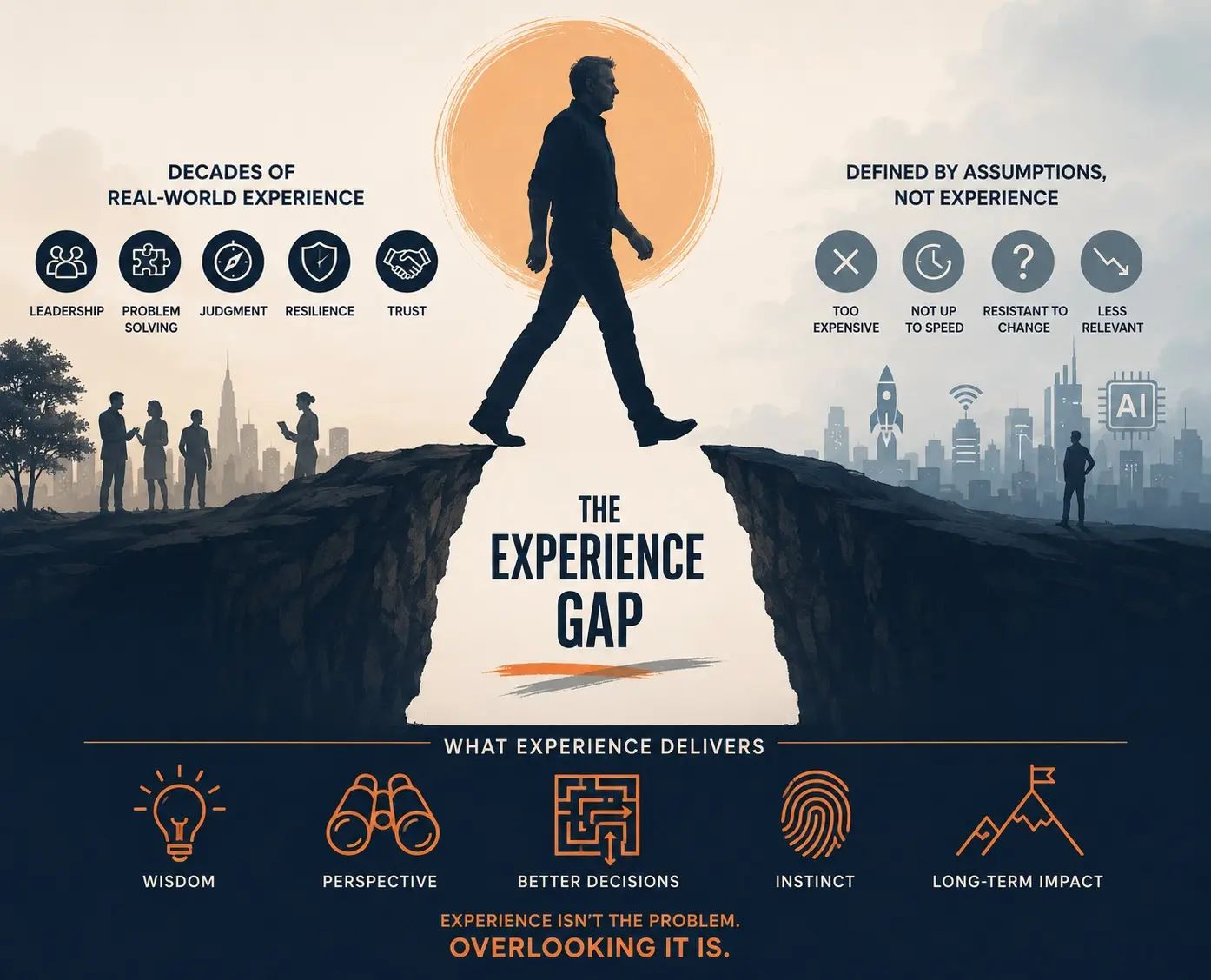
I don’t believe experience suddenly became less valuable. I think the conversation changed.
Organizations are right to focus on AI, digital transformation and moving faster. They should. But somewhere along the way, speed started getting confused with wisdom, efficiency with judgment and potential with capability. In our excitement to build the future, we’ve started overlooking one of the greatest competitive advantages already sitting inside many organizations: people who’ve spent decades solving difficult problems, leading through uncertainty and learning what doesn’t show up in a spreadsheet.
One lesson has become impossible for me to ignore.
Experience without curiosity eventually becomes complacency.
Curiosity without experience can become incredibly expensive.
The organizations that thrive over the next decade won’t choose one over the other. They’ll build cultures where both exist at the same table.
Make the Business Case
The irony is that businesses already understand the value of this generation—just not always as employees.
According to the AARP Longevity Economy Outlook, adults over 50 contribute approximately $12.5 trillion annually to the U.S. economy, representing roughly 43% of GDP. They support nearly 98 million jobs and account for more than half of consumer spending. Meanwhile, the U.S. Bureau of Labor Statistics projects that workers 55 and older will remain one of the fastest-growing segments of the labor force over the coming decade.
Think about that for a moment.
Marketing teams understand this demographic. Healthcare companies understand it. Financial institutions understand it. Travel brands understand it. Entire industries are redesigning products and services around people over 50 because they recognize both their economic influence and their growing numbers.
Everyone wants the customer.
Far fewer seem interested in keeping the employee who understands that customer best.
That’s not just an HR issue.
It’s a business contradiction.
Artificial intelligence only makes that contradiction more obvious. AI will make organizations faster, automate routine work and improve productivity. What it won’t replace is judgment, trust, perspective or the instinct that comes from leading people through recessions, acquisitions, product failures, crises and reinvention. Those qualities aren’t downloaded. They’re earned.
That’s why I don’t believe the future belongs to younger workers.
I also don’t believe it belongs to older workers.
It belongs to organizations smart enough to stop treating those as competing ideas.
Every morning, my lifelong friend Andre Fuochi and I check in. We talk about family, life and whatever happened the day before. Eventually the conversation finds its way back to work—or more accurately, the lack of it. Some days we joke that we’ve become Willy Loman waiting for the phone to ring. Then one of us laughs because we both know that’s not really our story.
The phone may have become quieter.
The conversations certainly haven’t.
In fact, they’ve become louder than ever.
Andre still jokes that I should send my former boss and HR partner a thank-you card. After all, if they hadn’t decided I wasn’t the right fit, RestlessUrban probably wouldn’t exist. One has since retired. One appears to be thriving. And somehow the person they decided was expendable ended up having the most meaningful professional chapter of his life.
Life has a wicked sense of humor.
Sometimes the people who think they’re writing your final chapter are really just turning the page.
Join The Conversation
One of the best parts of building RestlessUrban has been discovering that these stories aren’t just mine anymore. Every week, readers challenge my thinking, share their experiences and remind me that none of us is navigating this chapter alone.
So I’d like to ask you three questions.
Have you ever felt your experience was overlooked?
Has your organization found a better way to combine experience with emerging talent?
Or do you think we’re asking the wrong questions altogether?
Many of the conversations that become RestlessUrban stories begin exactly this way—with someone willing to say, “I’ve been thinking about this too.”
Maybe that’s how we change the conversation.
And maybe, just maybe, we stop missing the meetings that matter.


More From the Flip the Script Collection
Losing a job after 50 shouldn’t mean reinventing who you are. Maybe it’s the system that needs to change.
The rules of work have changed. Why do we still believe our best work is behind us?
The rules have changed. Read why millions of experienced professionals are redefining work, purpose and what’s next
Explore why success itself may be the hardest habit to leave behind.
When a career ends, what remains? One executive’s journey from approval to authentic confidence.
A personal reflection on aging, curiosity, and why experience still matters in the future of work.

What happens when the life you built no longer fully reflects who you’ve become?
After decades chasing momentum, Aaron Strout found success answered fewer questions than expected.
A conversation inspired by Geoff Curtis’s Embracing Your Own Purgatory and the search for purpose after 50.
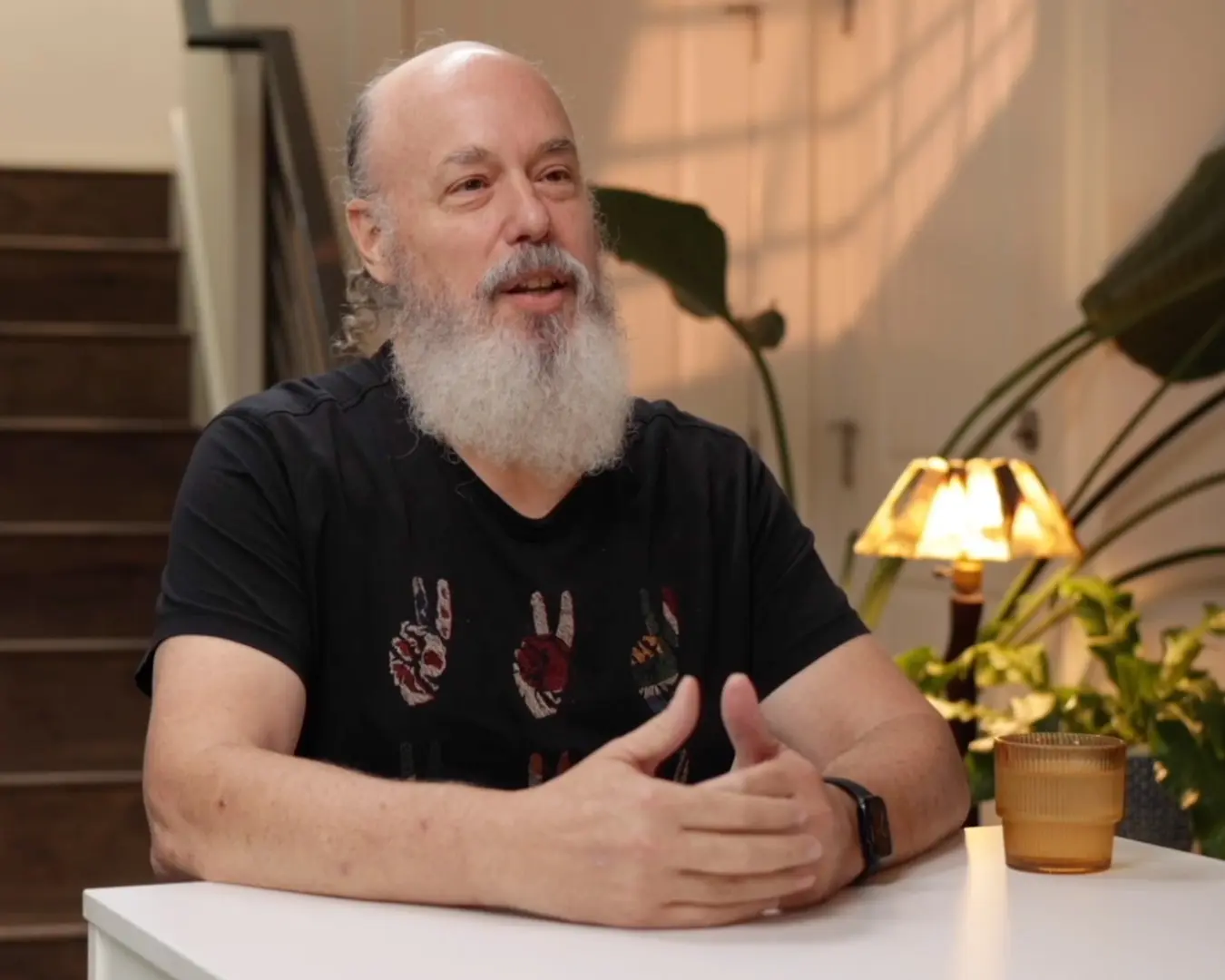
Bob Pearson shows how staying curious turns experience into leverage, impact, and freedom.
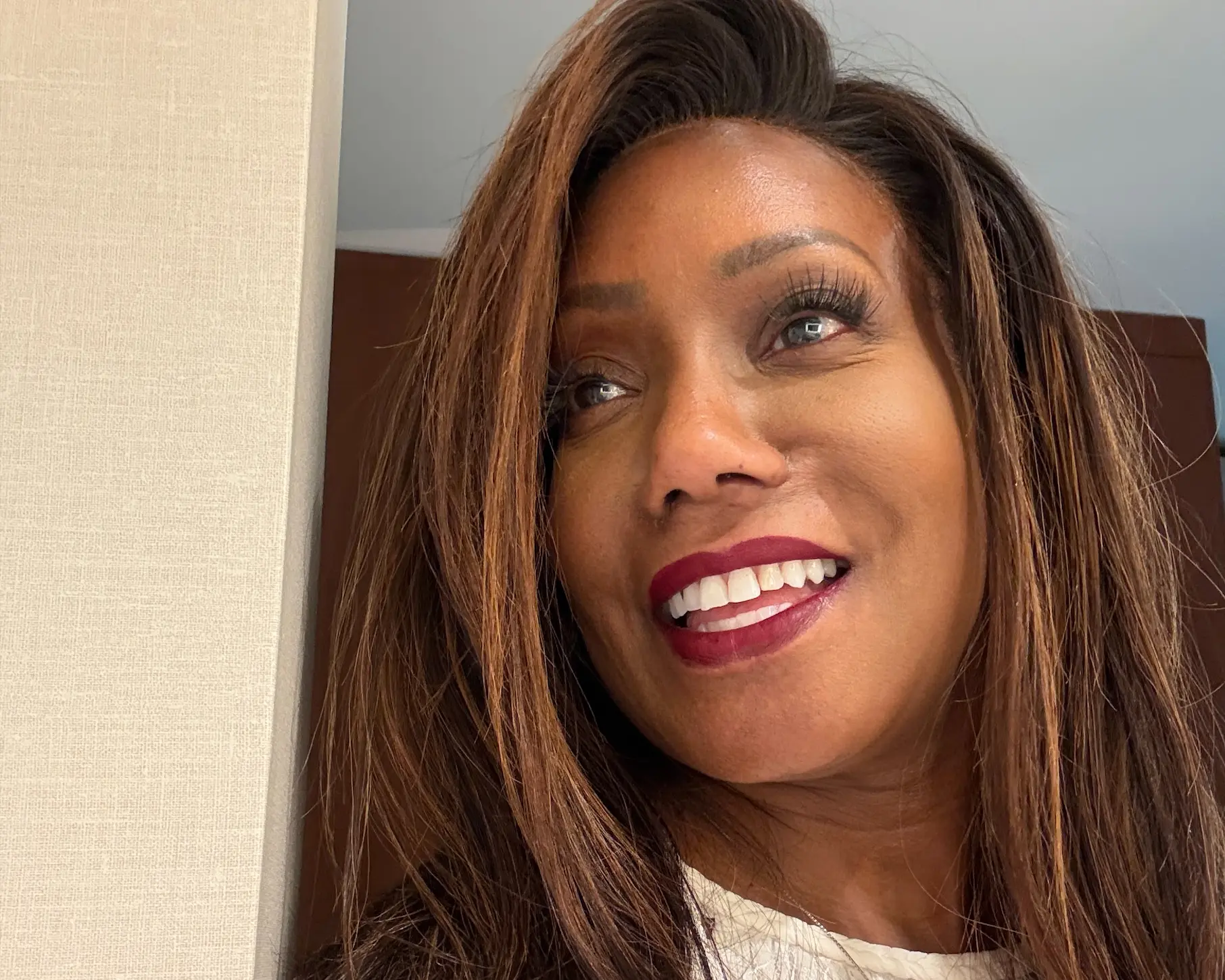
Charlene Wheeless shows how choosing visibility becomes an act of impact, not performance.

Reinvention after 50 isn’t about bravery alone. It’s about money, experience, and knowing when the math works.

Three paths. Real stories. See how people over 50 navigate change, purpose, and possibility on their terms.
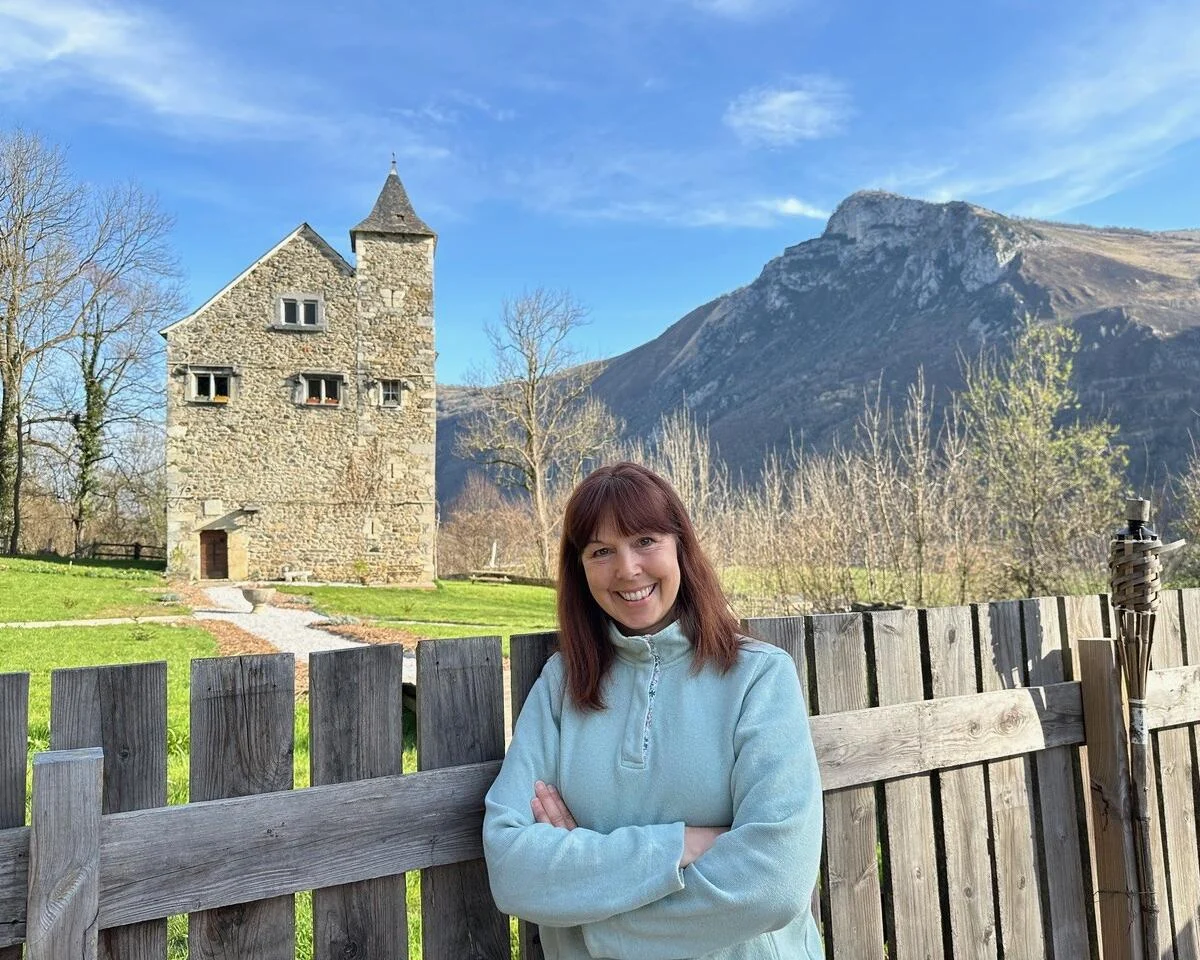
A milestone birthday, a pandemic, and a château spark an unexpected second act in France.

One marketer’s journey from misunderstanding tequila to honoring its heritage becomes his second act.
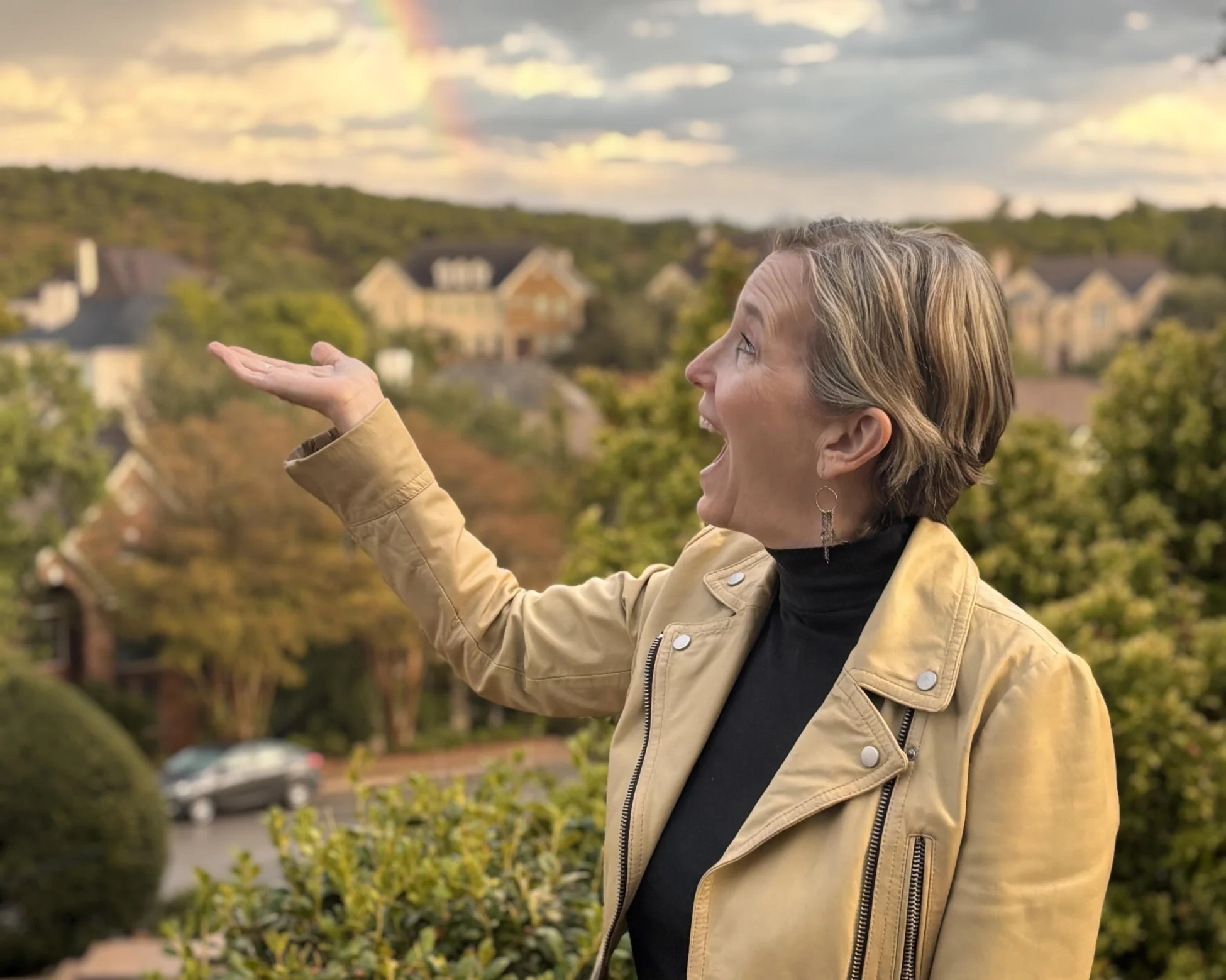
When the next title stops mattering, one CMO changes the scoreboard and bets on Gen X.

From billion-dollar boardrooms to boutique jam making, one leader redesigns work to finally serve life.

At 58, he walked away from corporate certainty to build a handmade future, one printed card at a time.


A startup leap at 52 changed everything. Scott Morris proves reinvention after 50 is messy, brave, and worth it.

Flip the Script is our new series spotlighting real stories of reinvention, freedom, and choice after 50.

Feeling stuck at 50, Paul Sutton found purpose in helping men speak honestly. His journey proves no one is alone.

How trusting her intuition led to building a mission born from crisis.