
After This Chair Rocks author Ashton Applewhite delivered a talk about ageism, a woman approached her: “You don’t get it. If I stop dyeing my hair, my boss would see how old I am, and I have children to support.”
You’re supposed to embrace being yourself while hiding every visible sign of age. Find yourself (with $300 face creams). Reinvent yourself (while discrimination closes doors).
“We wouldn’t need a reinvention narrative if we weren’t compelled to reinvent ourselves in opposition to these forces,” Applewhite explains.
This final piece in our Flip The Script: 50 0ver 50 series introduction examines what actually makes choice possible at this life stage. Not to discourage anyone. To be honest about what enables some people to navigate this moment more easily than others, and what structural changes might help more people do the same.

Ashton Applewhite: “Reinventing yourself takes money. You can’t find your passion if you’re working two full-time jobs and caring for people.”
The Three Resources Nobody Talks About
Maria Boulden doesn’t dodge the privilege question. When asked what made her transition to jam-making possible, she names it: “You’re not going to quit your job if you can’t live without the income. The safety net from a financial standpoint? Sure. From the standpoint of critical thought? Yeah. From the standpoint of business acumen? Absolutely.”
Three resources that matter:
- Money. Savings. Spouse with income and benefits. Pension. Home equity. Something that lets you take risks or step back without immediate catastrophe.
- Thinking skills. The ability to assess options, spot patterns, make strategic decisions. Decades of experience that tell you what questions to ask and which answers to trust.
- Business acumen. Understanding how systems work. Knowing how to read a P&L, navigate bureaucracy, negotiate contracts, build networks.
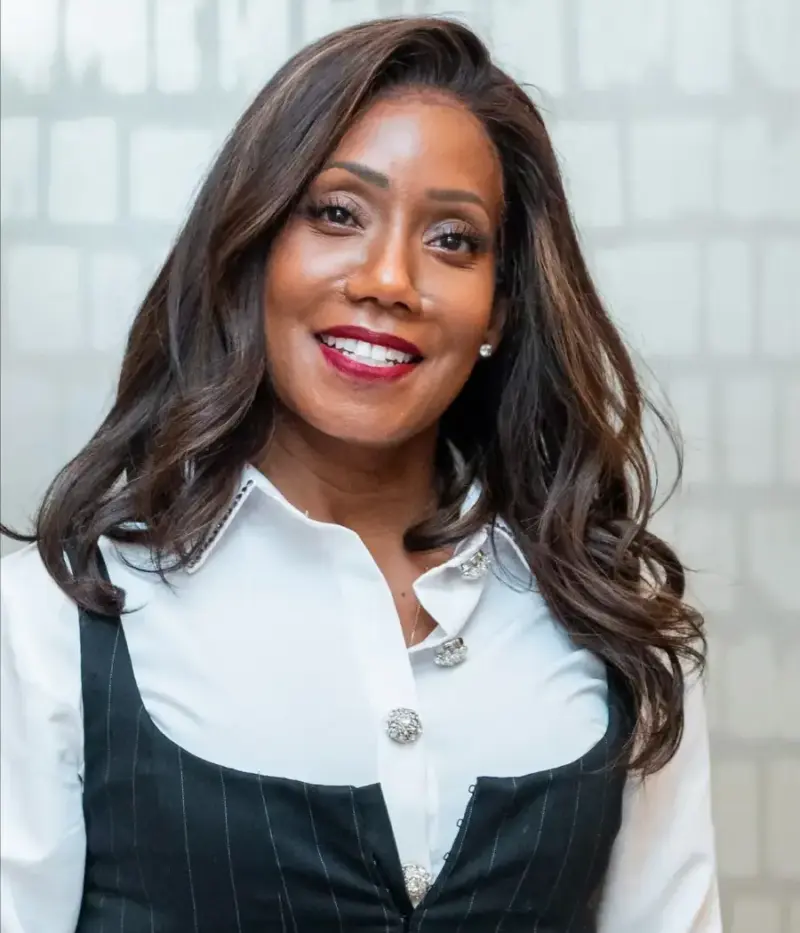
Charlene Wheeless spent hundreds of thousands building her coaching business the way most corporate executives do: website, branding, assets on top of assets. All infrastructure, no clients. “I was using money as an excuse not to put myself out in the marketplace,” she admits. She ran out of money. The real work began.
That expensive education taught her what Maria Boulden already knew: credibility isn’t built on assets. It’s built on decades of showing up. The resource she actually needed—three decades as the first and only Black woman in Fortune 500 boardrooms, cancer that taught her to stop asking permission—was already there. She just had to stop hiding behind the building phase and use her actual voice.
Not everyone has all four. Some have none. That gap explains much of the difference between who gets to make intentional choices and who’s forced to adapt to whatever circumstances deliver.
“Reinventing yourself takes money,” Applewhite points out. “You can’t find your passion if you’re working two full-time jobs and caring for people.”
There’s something magic about that number 50. You’re aware you have more days behind you than ahead. You stop giving a damn about things that don’t matter.
The math that actually works
James Anderson’s father ran his own business. Anderson always wanted to do the same. But with two kids in school and a mortgage, “the realities of cash flow conspired” against him.
So he spent 20 years building payment systems at Mastercard and elsewhere while banking savings. At 56, with kids through college and enough in the bank, he bought Saturn Press.
The dream was always there. The math took two decades to work.
That’s the reality for many people in this position. The question isn’t, “Should I follow my passion?” It’s, “When can I afford to follow my passion?” And sometimes the answer is “Not yet” or “Not in the way I imagined.”
“We all have money dysmorphia,” says Mary Ellen Dugan, founder of X Factor Impact. “We’re always looking at everybody else on LinkedIn wondering if we’re making as much money.”
At 50-plus, she recommends redefining success entirely. Her metrics became operational foundations built, awareness created, impact measured. Not revenue. At least not yet.
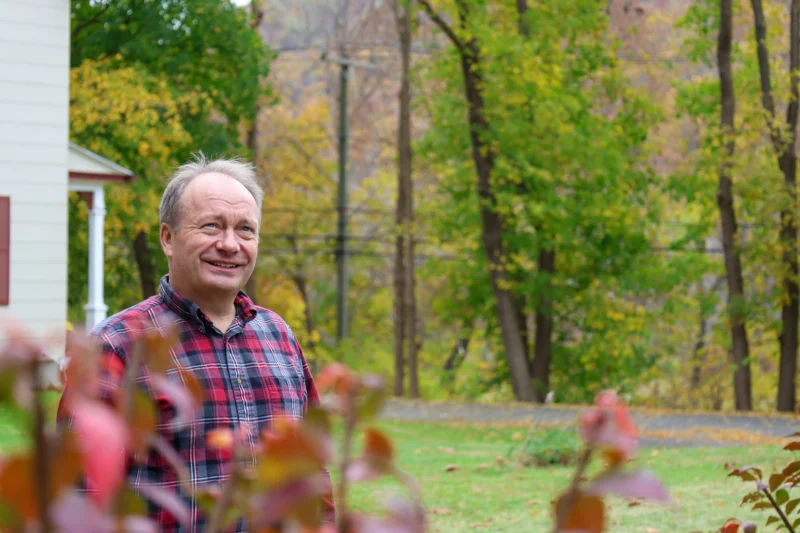
James Anderson spent 20 years building payment systems at Mastercard before buying Saturn Press at age 56.
What the data shows
Gen Xers control $15.2 trillion in annual spending (35% earn $150K+) but get a fraction of Gen Z and Millennials’ media attention.
But data can’t capture the squeeze. Some make the most money they’ve ever made while hemorrhaging it faster than they can count. Memory care for mom. College for the kids. Maxed-out healthcare deductibles. Others aren’t making what they once did (layoffs, early retirement).
The invisibility isn’t just cultural. It’s structural. Federal Reserve researchers found age stereotypes in job ads hinder older workers’ ability to transition roles. Field experiments documented persistent hiring discrimination, especially against older women.
A 2020 systematic review of 422 studies across 45 countries found ageism harmed health in 95% of those studies, affecting 11 distinct health domains. The stereotypes aren’t just insulting. They’re measurable health hazards.
What could change
“The most important component of a good old age is not health, not wealth,” Applewhite notes. “It is having a strong social network.”
But building and maintaining those networks requires time, energy, and often proximity. When people work longer out of necessity, when families are geographically scattered, when communities lack third spaces for connection, social isolation becomes structural, not just personal failure.
Paul Sutton disputes a persistent myth that men won’t talk about midlife struggles because they’re too stoic, too proud, too emotionally stunted.
“I think it’s absolute rubbish,” he says. “I think it’s just that men don’t feel they have a space to be able to talk.”
His Middle Man podcast reached 10,000 monthly listeners—85% men—in one year. He’s received 150 personal messages describing struggles these men had never voiced to anyone. Give men permission and structure, and they’ll talk.
Sutton suggests using a podcast, book, or article as a conversation starter: “I listened to this thing about midlife and it made me think about…” It’s not weakness. It’s leverage to open a door you didn’t know how to unlock.
Bob Pearson talks to people about joining advisory boards or mentoring. They respond, “I’m thinking about doing that in the next year or two,” which Pearson translates as “I’m never going to do it.”
The procrastination isn’t about time. It’s about permission (waiting for someone to validate a choice you need to make yourself).
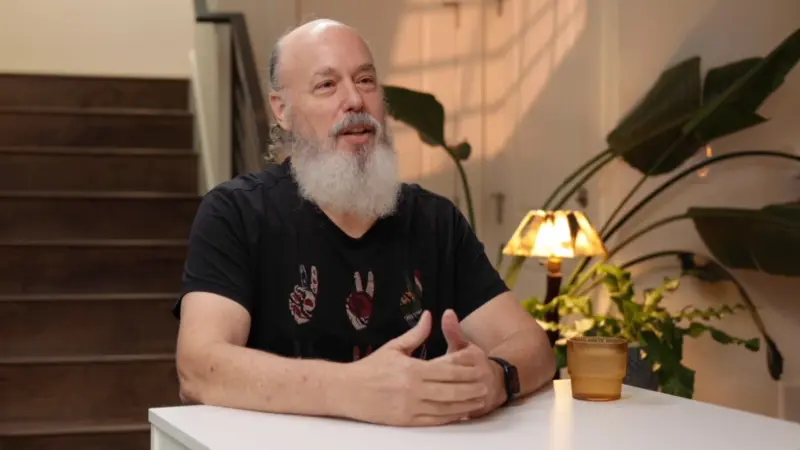
Bob Pearson believes the two most important things in life are to be curious forever and to give back. (Photo credit: Ruby Riot Creatives)
The honest conclusion
Choice only happens within real constraints. The people in our 50 Over 50 series aren’t superheroes who overcame impossible odds. They’re people who had enough resources (financial, intellectual, social) to make intentional decisions about how to spend the decades ahead.
The inspiration doesn’t come from pretending everyone has equal access to choice. It comes from watching people use whatever advantages they have while being honest about what made those choices possible.
That honesty serves two purposes:
It helps individuals assess their own situations realistically. If you don’t have financial cushion, you make different choices than someone who does. That’s not failure. That’s strategy.
It identifies what systemic changes might help more people navigate this life stage successfully. Better age-discrimination enforcement. Healthcare not tied to employment. Phased retirement options. Community infrastructure that reduces isolation.
Individual courage matters. But so does acknowledging when courage alone isn’t enough.
We’ll continue profiling people navigating this moment over the coming months. Their stories will be honest about resources, candid about constraints, and clear-eyed about what choice actually requires.
Because the goal isn’t to inspire you to make the same choices they did. It’s to help you make the best choices for your circumstances, using whatever resources you have.
More From the Flip the Script Collection
The casualties aren’t just adults over 50. They’re the companies who missed the memo.
Losing a job after 50 shouldn’t mean reinventing who you are. Maybe it’s the system that needs to change.
The rules of work have changed. Why do we still believe our best work is behind us?
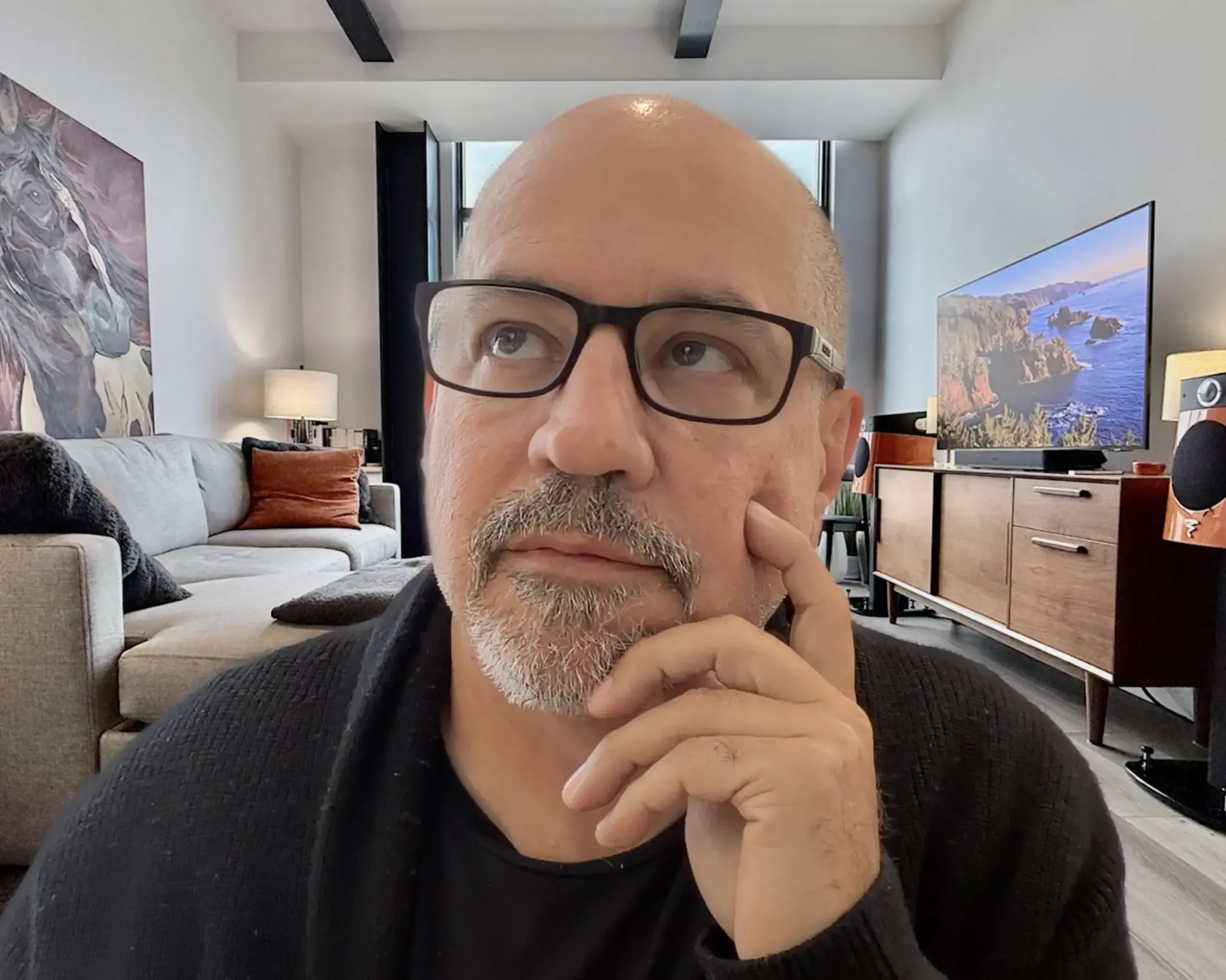
The rules have changed. Read why millions of experienced professionals are redefining work, purpose and what’s next
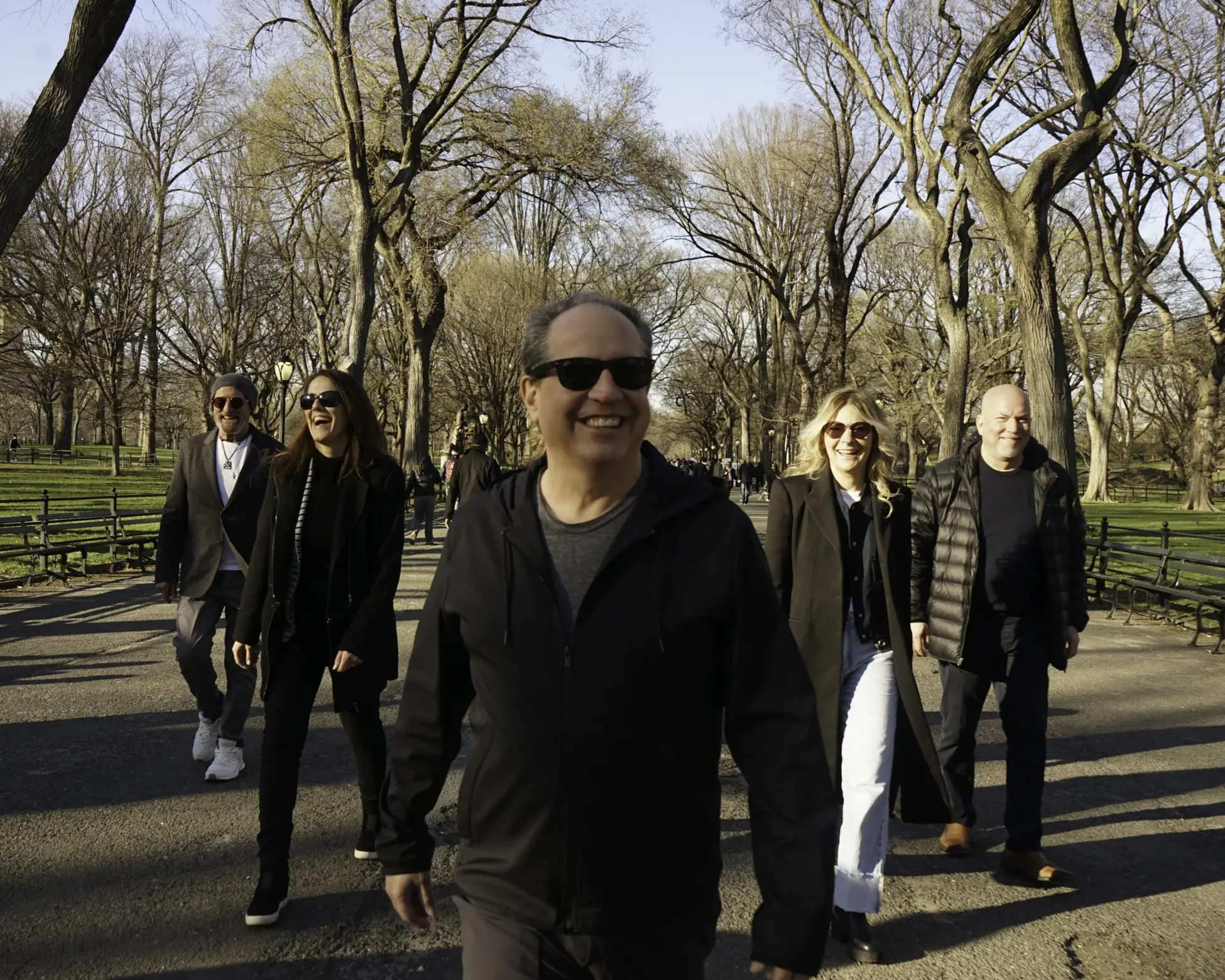
Explore why success itself may be the hardest habit to leave behind.

When a career ends, what remains? One executive’s journey from approval to authentic confidence.
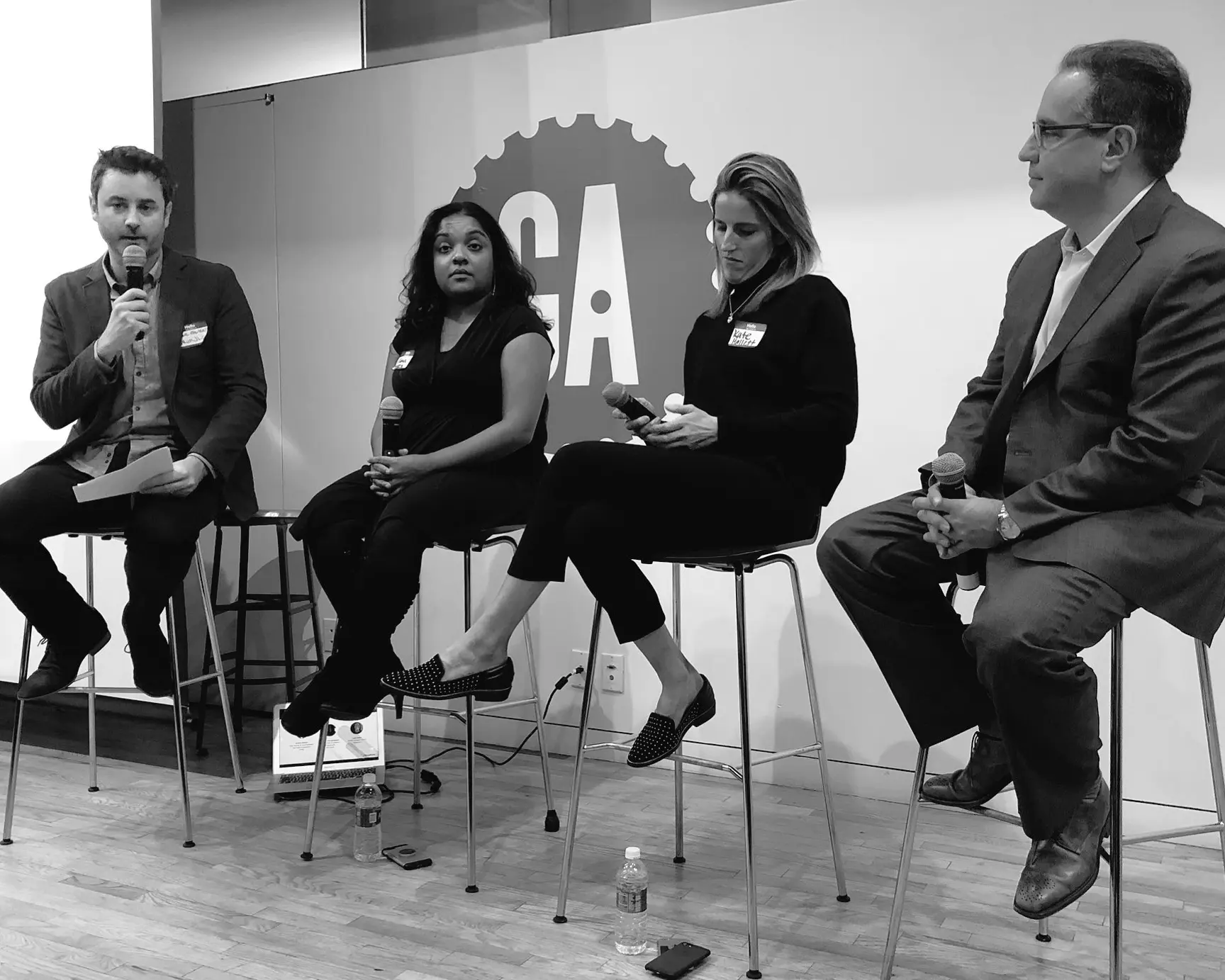
A personal reflection on aging, curiosity, and why experience still matters in the future of work.

What happens when the life you built no longer fully reflects who you’ve become?

After decades chasing momentum, Aaron Strout found success answered fewer questions than expected.
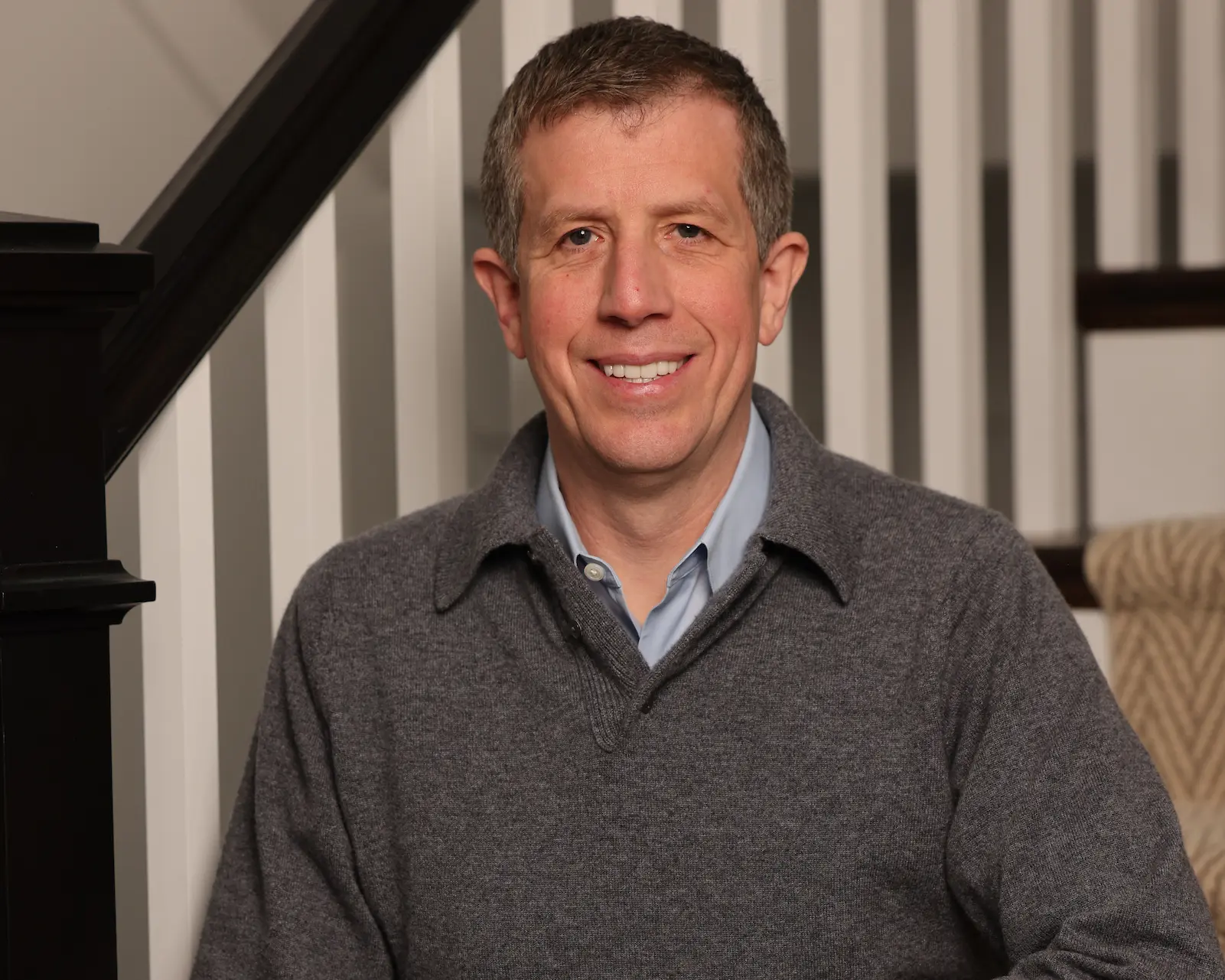
A conversation inspired by Geoff Curtis’s Embracing Your Own Purgatory and the search for purpose after 50.
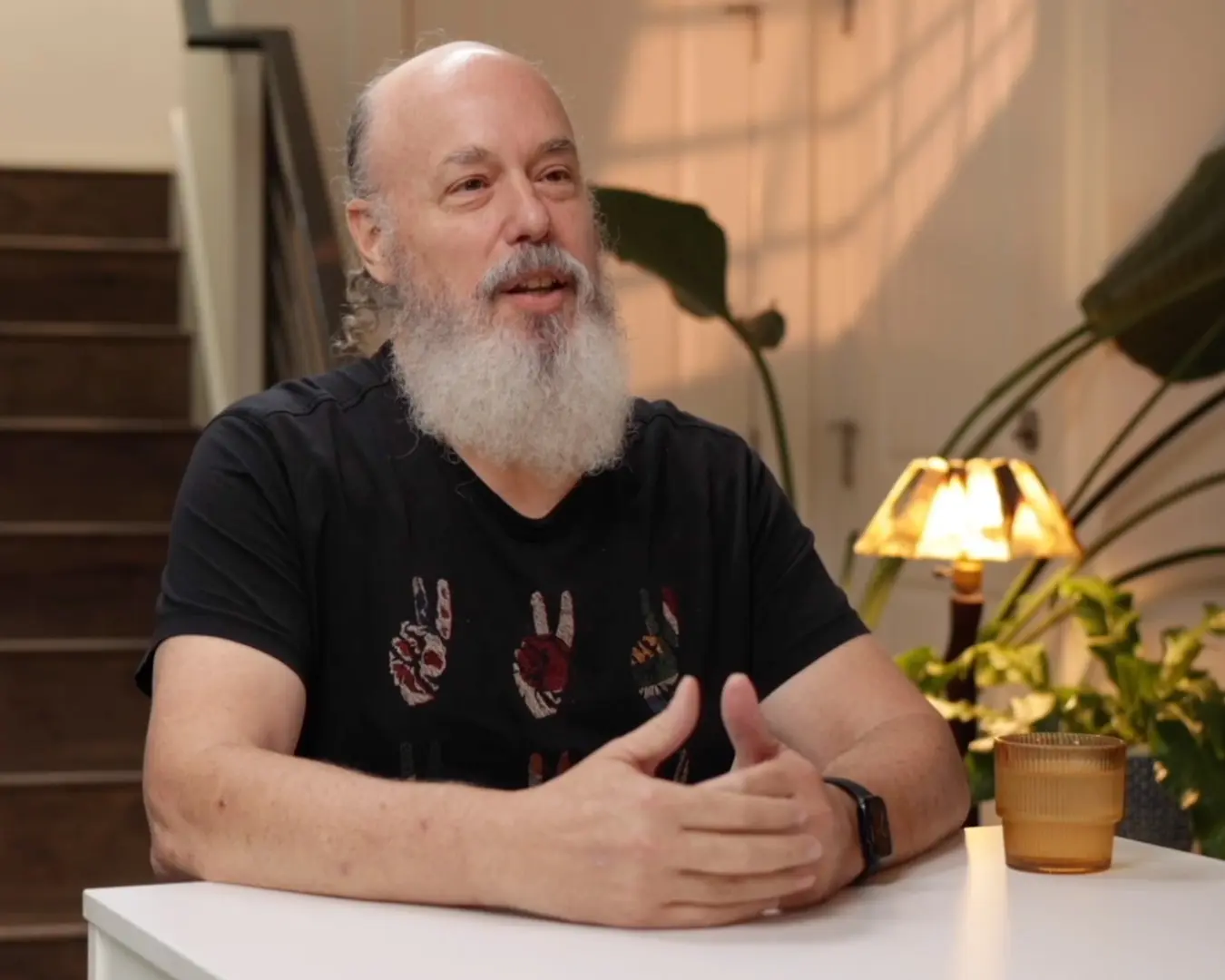
Bob Pearson shows how staying curious turns experience into leverage, impact, and freedom.
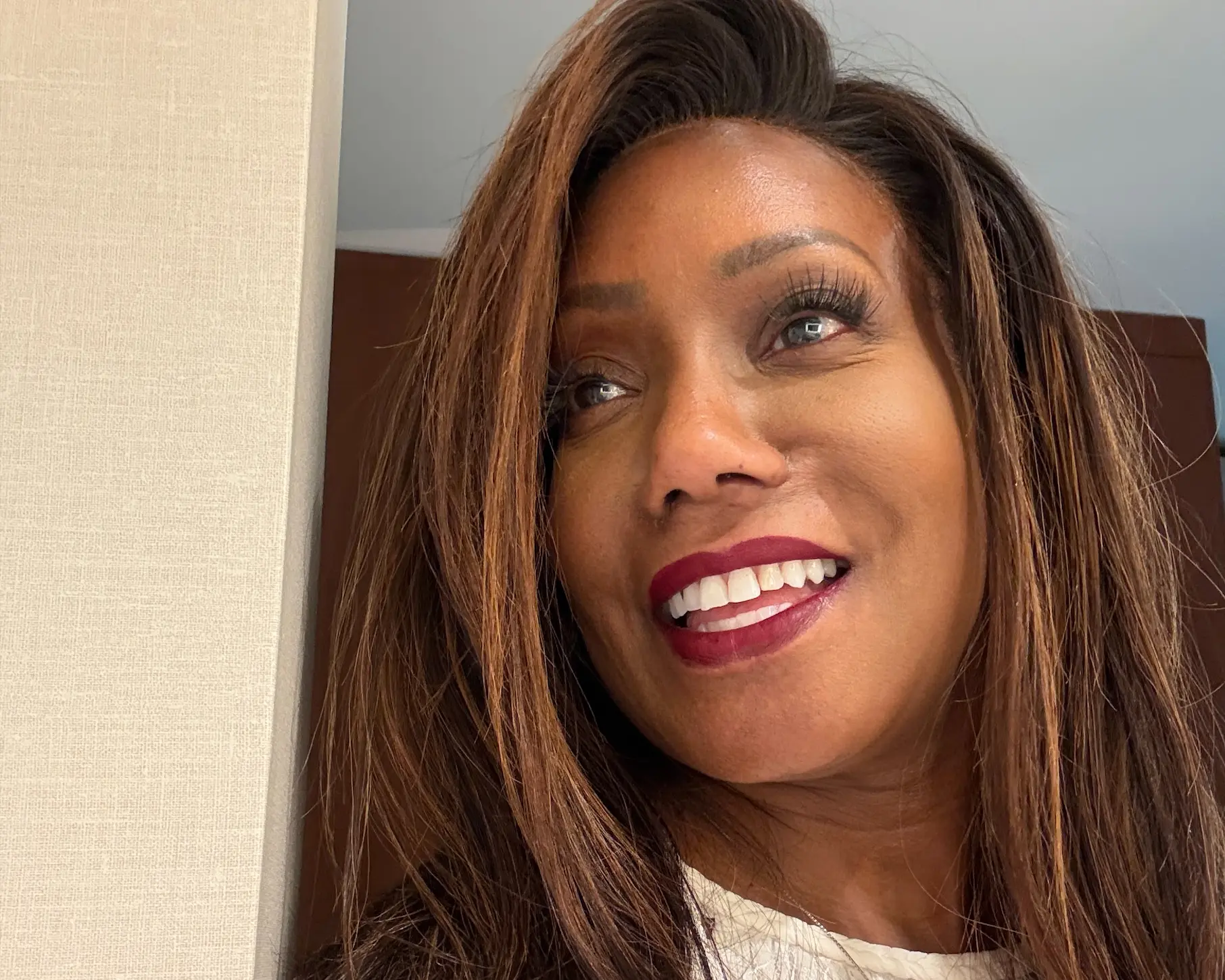
Charlene Wheeless shows how choosing visibility becomes an act of impact, not performance.

Three paths. Real stories. See how people over 50 navigate change, purpose, and possibility on their terms.
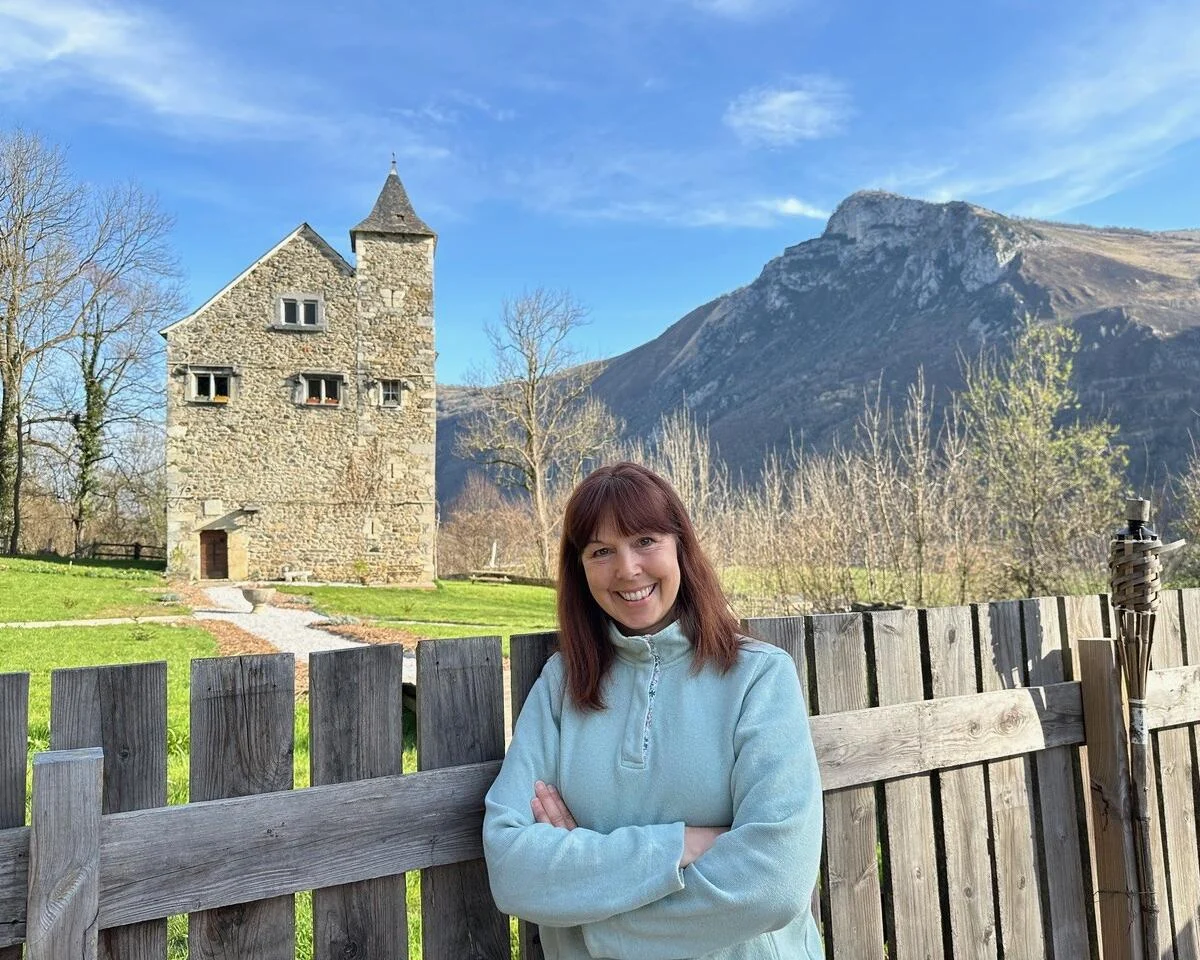
A milestone birthday, a pandemic, and a château spark an unexpected second act in France.
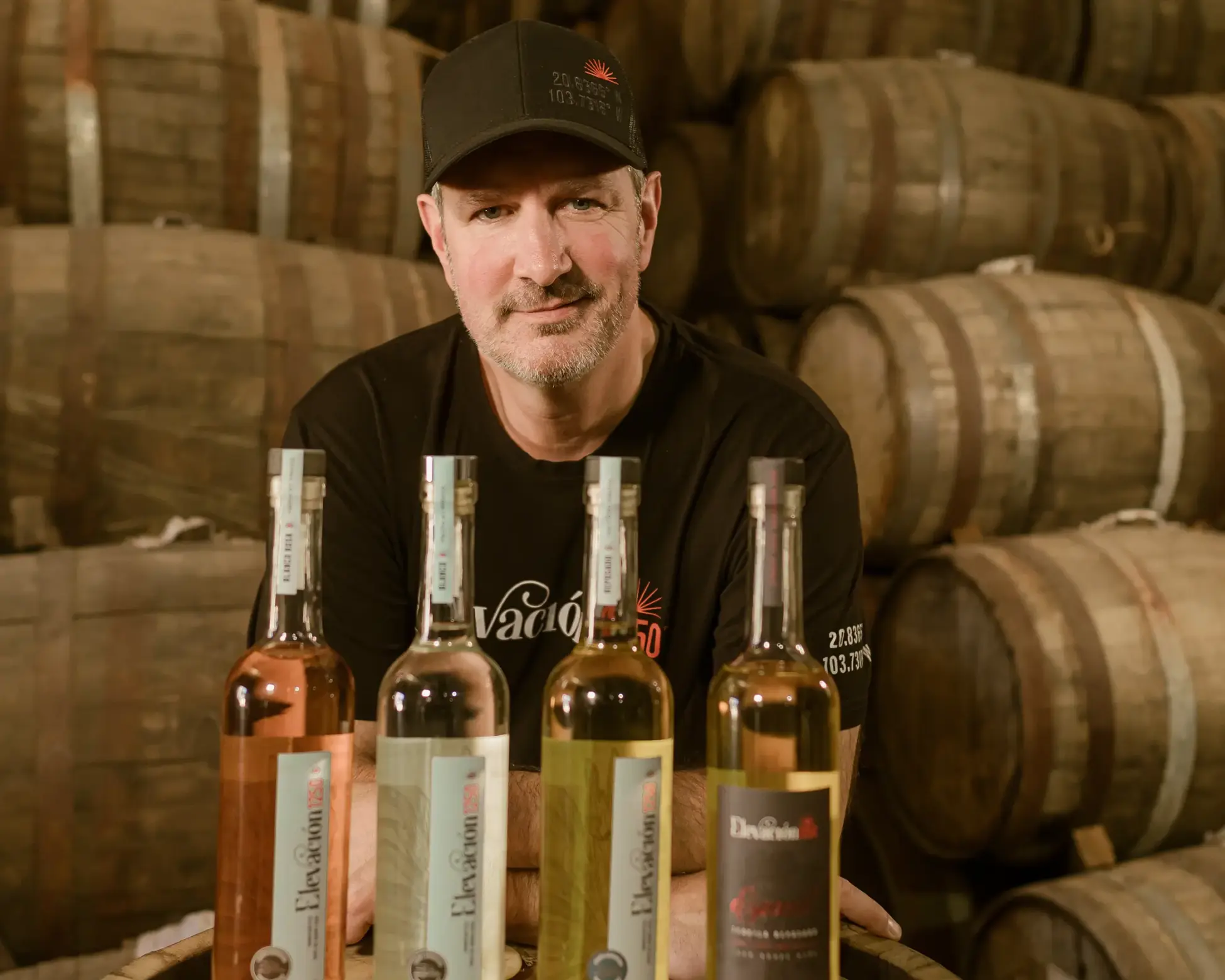
One marketer’s journey from misunderstanding tequila to honoring its heritage becomes his second act.
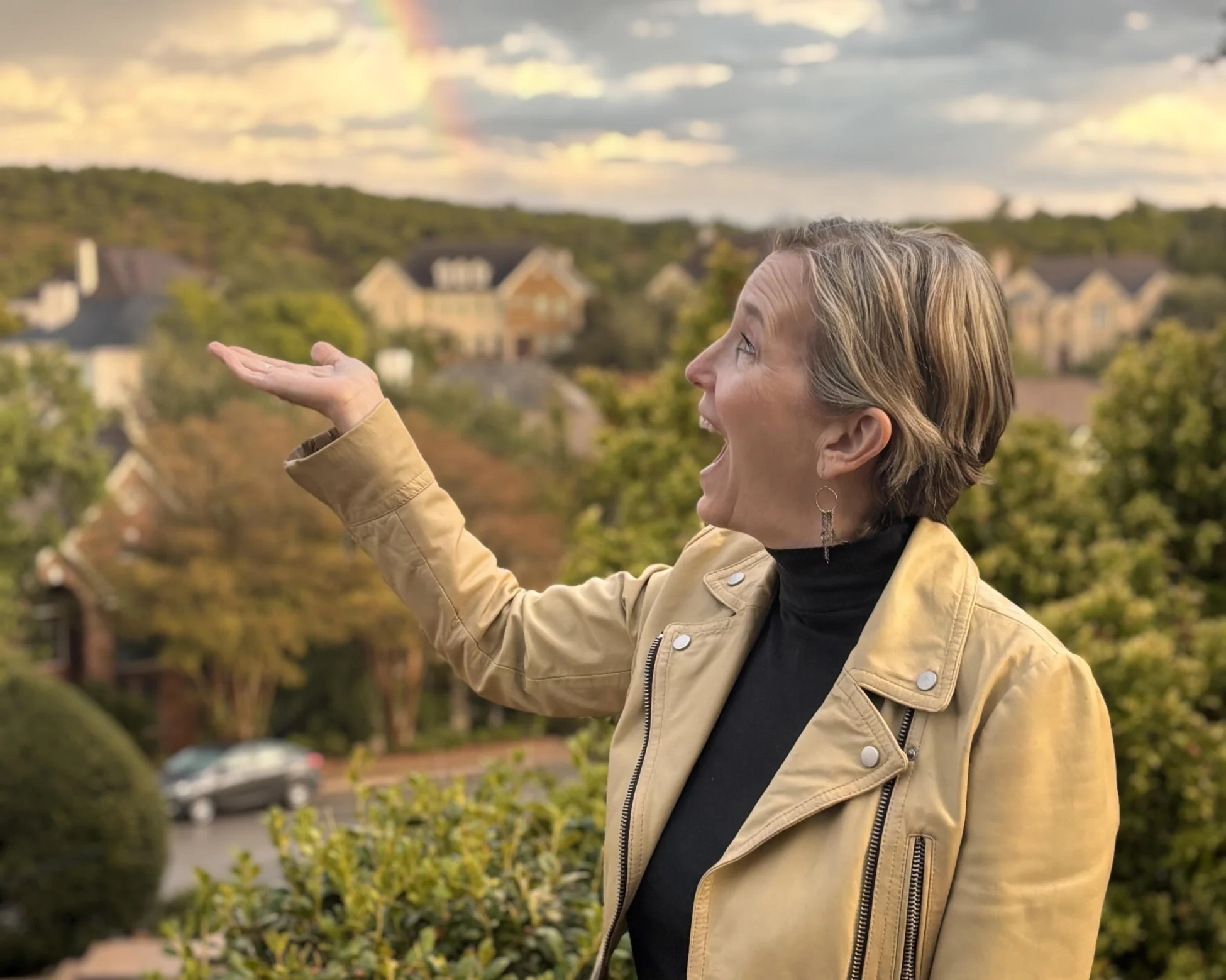
When the next title stops mattering, one CMO changes the scoreboard and bets on Gen X.

From billion-dollar boardrooms to boutique jam making, one leader redesigns work to finally serve life.

At 58, he walked away from corporate certainty to build a handmade future, one printed card at a time.
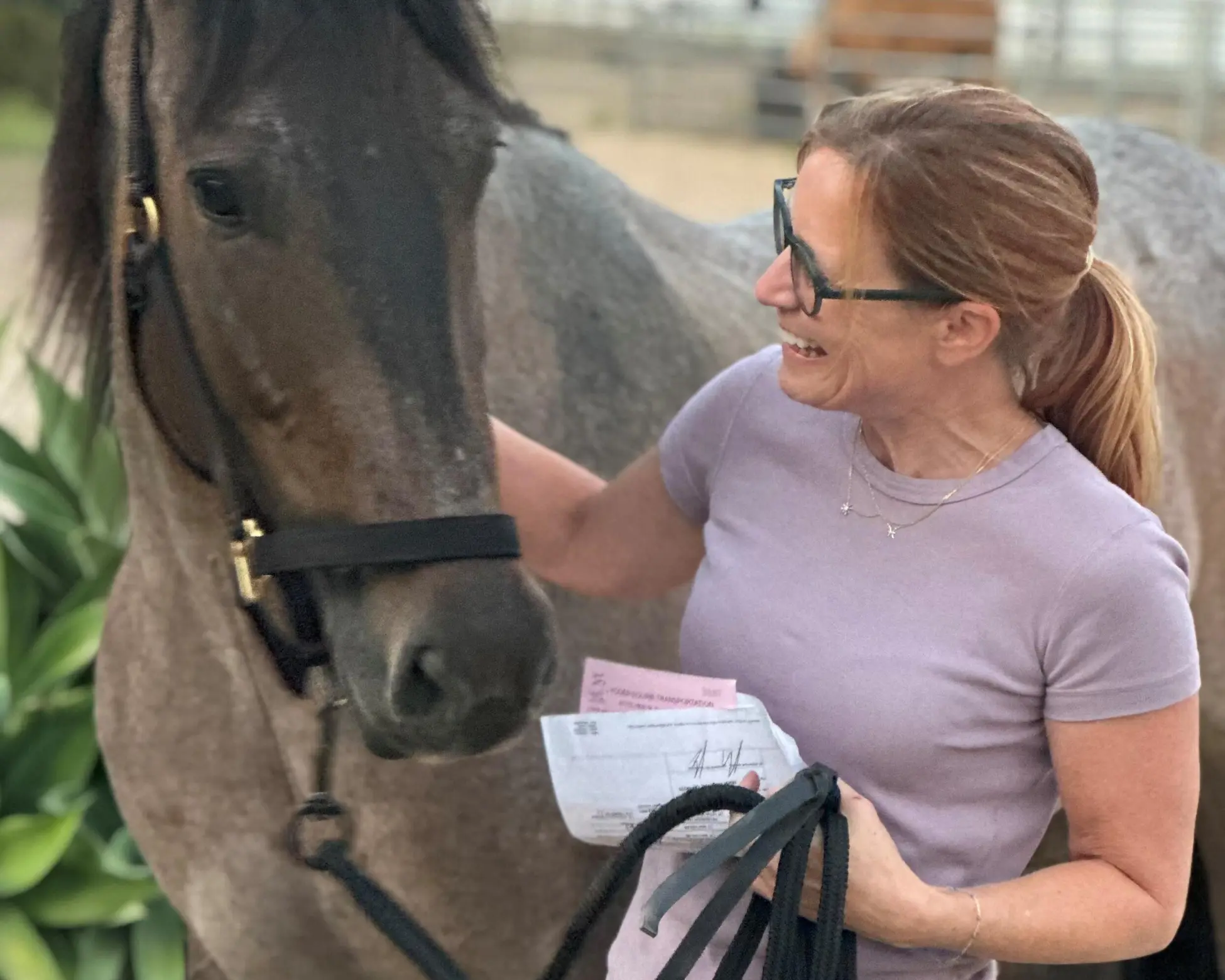

A startup leap at 52 changed everything. Scott Morris proves reinvention after 50 is messy, brave, and worth it.

Flip the Script is our new series spotlighting real stories of reinvention, freedom, and choice after 50.

Feeling stuck at 50, Paul Sutton found purpose in helping men speak honestly. His journey proves no one is alone.

How trusting her intuition led to building a mission born from crisis.
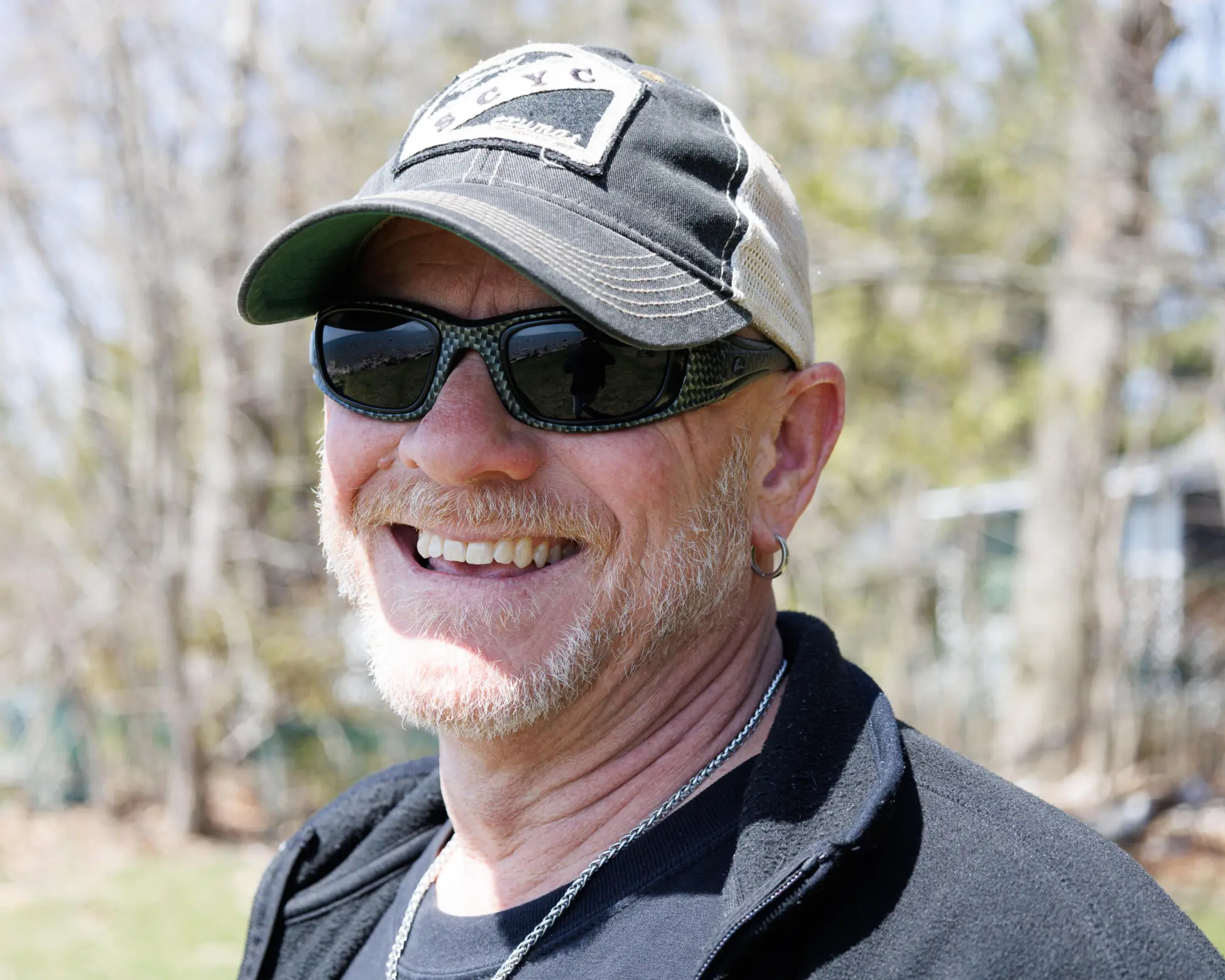
Music changed my life. Playing guitar helped me heal, grow stronger, and embrace change.