Preface: This is the first in a series of reflections I’m sharing as I find my way back to health in my 50s. A recent heart scare gave me the wake up call I didn’t know I needed, and it’s made me rethink how I eat, move, and show up for myself every day.
What hunger is teaching me about aging
What started as a recovery plan is slowly becoming something more personal. It is a chance to explore what aging well really looks and feels like. Along the way, I’ll be sharing honest moments, shifts in perspective, and small steps that are helping me rebuild from the inside out.
This first entry begins with a conversation that made me pause and rethink how I understand hunger, habit, and the stories we carry with us.
Today’s cardiac rehab session surprised me. Not because of the exercises or the numbers, but because of something much quieter and more meaningful. A moment of clarity came during a conversation with my nutritionist.
After a recent heart scare, I’ve been rethinking what it really means to take care of myself. I’m trying to move through recovery with more intention, not just by checking off tasks but by making changes that actually stick. That means paying closer attention to how I eat, how I rest, how I move, and what I tell myself in the process.
This morning, we reviewed my progress. I’ve lost 20 pounds since beginning rehab. I felt good about that. Then my nutritionist said, without judgment, “I think you’d benefit from losing another 15.”
I raised an eyebrow and said, “If I do that, I’ll starve.”
She didn’t dismiss it. She simply explained how the body stores energy and how even 15 extra pounds equates to roughly 50,000 calories of reserve fuel. Not something to fear, but something to work with.
That stayed with me.
Discomfort is not the problem
Maybe what I was calling hunger was actually something else. Maybe it was the feeling of change. Maybe it was unfamiliar, but not unsafe.
That simple moment reminded me how often we mistake discomfort for danger. How quick we are to retreat to old stories like “I’ll starve” or “This is too hard” when what we’re really feeling is uncertainty.
A few facts worth knowing
After that session, I looked deeper into some of the nutrition insights we discussed. Here’s what I found.
- A recent study followed more than 105,000 people over 30 years. The researchers found that those who followed a mostly plant-based, nutrient-rich diet were more than twice as likely to reach their 70s and 80s in good health. They experienced fewer chronic illnesses and maintained stronger cognitive and physical function. This pattern of eating is captured in the Alternative Healthy Eating Index, or AHEI.
- It was reported that only about one in ten participants achieved what the study defined as healthy aging. But those who did were not following fad diets. They were consistently choosing whole foods like fruits, vegetables, legumes, whole grains, and healthy fats.
- Increasing fiber by just 10 grams a day has been linked to a 9 to 17 percent lower risk of early death. That is a bowl of oatmeal or a serving of lentils making a real difference
- And then there is protein. As we age, it becomes more important. Combined with even light strength training, protein helps preserve muscle, mobility, and independence.
These are not extreme measures. They are sustainable choices. And they work.
What I’m carrying forward
I’m learning that hunger is not always about food. Sometimes it is about habit. Sometimes it is about fear. And sometimes it is just a sign that we are doing something new.
I’m also learning that it’s okay to feel a little off balance. That adjusting does not mean failing. It means I am listening more closely. Choosing more consciously. Giving myself permission to change.
A note to you
If you are in your own season of change, whether it is about food, fitness, mindset, or something entirely different, I hope this moment resonates.
Progress does not always come with fanfare. Sometimes it comes in a quiet moment, a shift in mindset, or a single conversation that invites you to see things differently.
So the next time you hear that familiar inner voice saying, “I’ll starve,” pause for a moment. Ask yourself, am I really starving? Or am I just learning what it feels like to change?
More often than not, you are adjusting. And that is where something new begins.
More Features about Health

We’re diving headfirst into the science, ethics, and potential societal impact of radical life extension.

Is this the recipe for living healthy and happy beyond 50?
I can distinctly remember my mom complaining of hot flashes, being irritable and putting on weight unexpectedly.
If you decide to diet for your health reasons, the first step is to stop looking for quick fixes.

Middle age isn’t the beginning of a slow decline but the spark for a thrilling renaissance.
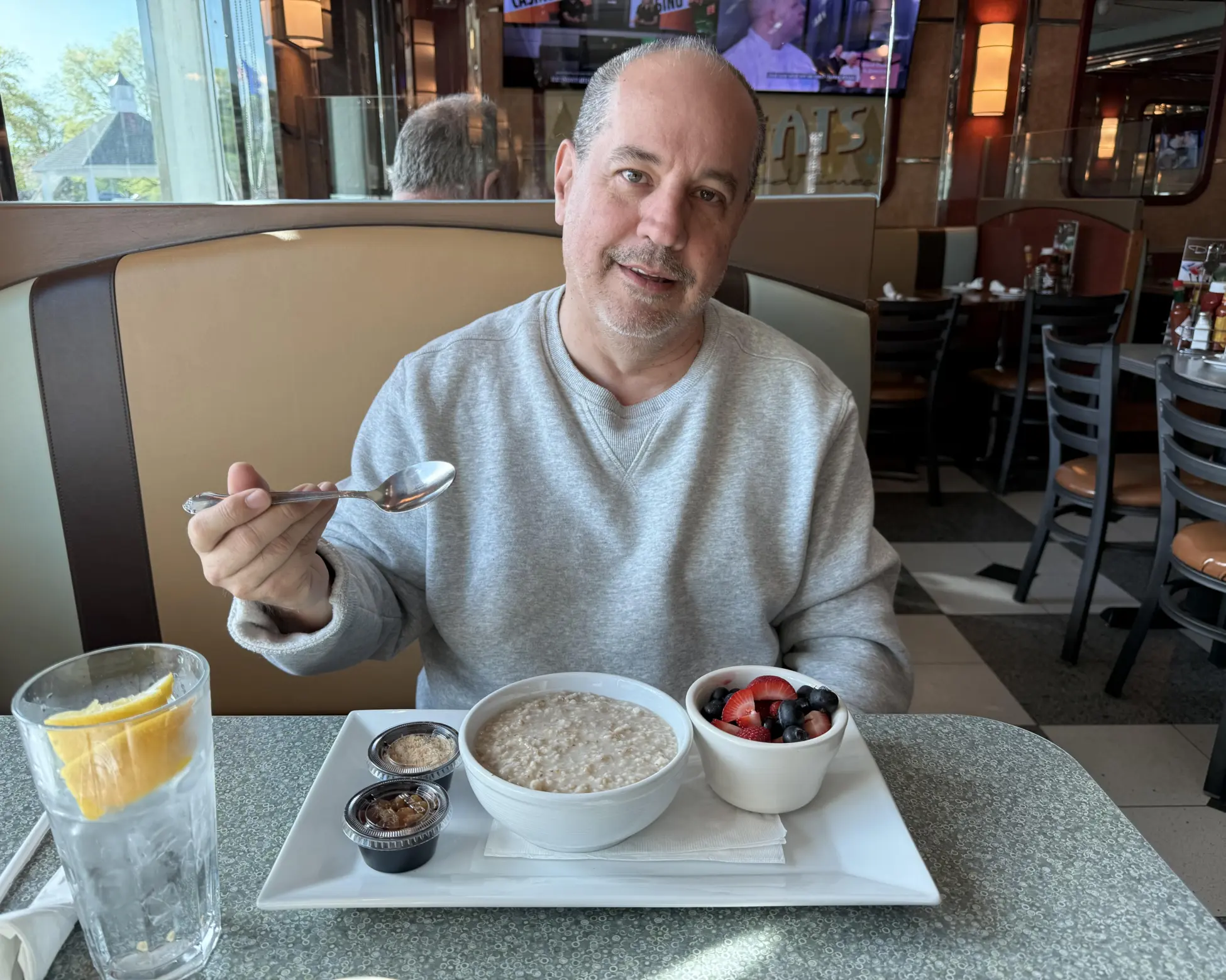
A recent checkup revealed I may not be in optimal heart health. It was the wake-up call I needed.
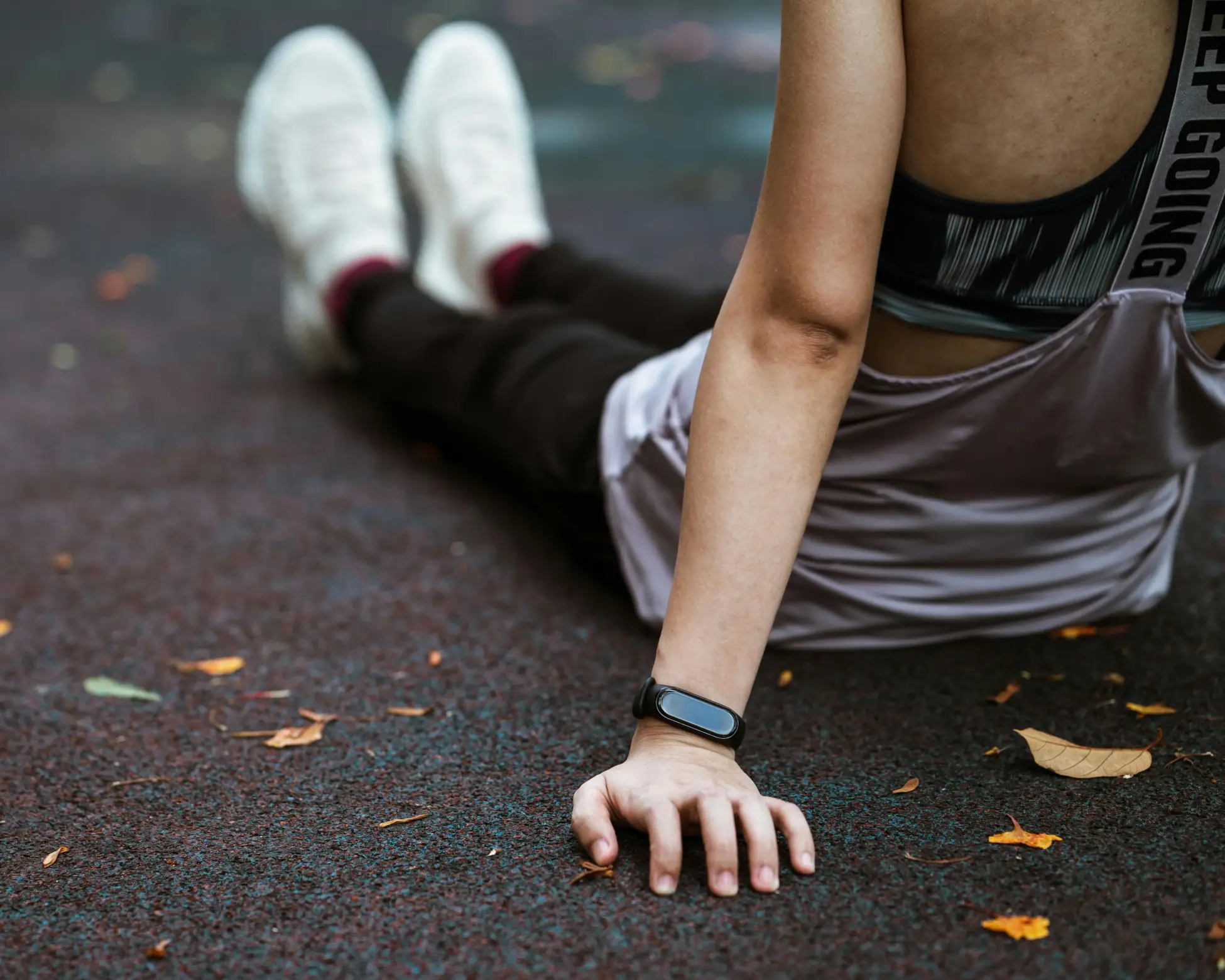
Discover the newest wearables helping middle-aged users track health.
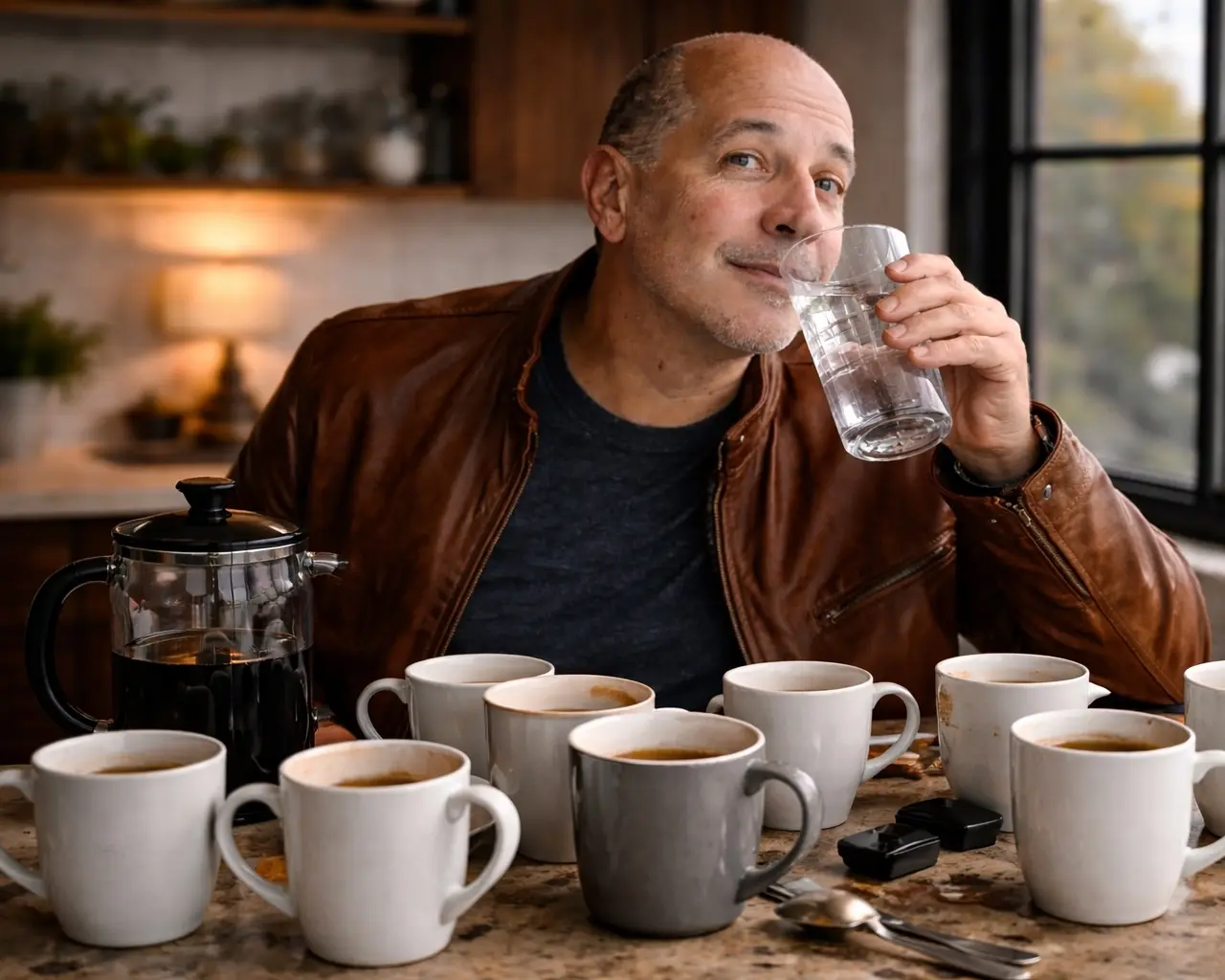
As we age, staying hydrated becomes one of the simplest yet most powerful ways to support our bodies.