Published
At a glance
- The Arlington Study of Healthy Aging is designed to examine how physical, social and environmental factors relate to aging in adults over 50.
- This report outlines the University of Texas at Arlington project’s planned imaging, blood samples, memory assessments and physical-performance testing.
- The researchers describe a whole-person approach to heart, brain and muscle health; the article introduces a research program rather than presenting its final results.
Researchers at The University of Texas at Arlington (UTA) have embarked on a mission to determine what impact where a person lives, what they eat and the type of friends they keep has on that individual’s overall aging process.
Proving that research methods have indeed progressed, a UTA release issued last month indicated that the Arlington Study of Healthy Aging (ASHA) “will use advanced imaging, genetics, exercise science, neuroscience, and remote monitoring to investigate age-related health decline.”
Led by Michael Nelson, director of UTA’s Center for Healthy Living and Longevity, goals of the study are as follows:
- Examine how aging impacts heart, brain and muscle health and to identify factors that promote healthy aging.
- Determine how social, physical, economic, psychological and behavioral factors affect aging.
- Evaluate how ethnicity/race and sex affect the aging processes.
- Train the next generation of health professionals and research scientists in impactful research that will advance scientific understanding to prevent, slow down or stop aging-associated issues in older adults.
“What is unique about (it) is that we are focusing on the entire individuals,” said Michael Nelson, lead investigator and who also is in charge of the university’s new Clinical Imaging Research Center (CIRC), site of where the imaging studies will be conducted.
“Other studies tend to focus on very specific parts of the body, like the brain or the blood vessels. But we are taking a fully encompassing approach – looking across the entire body from head to toe.”
Nelson and his team are hoping to sign up 600 volunteers between the ages of 50 and 80. Each person, the release states, “will participate in two days of testing at UTA. On the first day, they will receive a full-body MRI, including images of the brain, heart and skeletal muscle. On the second day, the team will study how the blood vessels are functioning, memory, and physical performance, and draw a small blood sample.”
In addition to helping to advance science, volunteering for a study like this is a great way to learn about your health and wellness, he added. The study itself will take upwards of four years to complete at which point faculty, staff and UTA students will start analyzing the data.
Jon Weidanz, senior associate vice president for research and innovation at a UTA and a co-investigator on the study, said “what is really exciting about this project is that it provides a vehicle for cross-disciplinary collaboration.
“While our core investigative team is made up of members from multiple departments on campus, including kinesiology, psychology, social work, nursing and bioengineering, we expect broad participation from across UTA, with partnerships forming in fields like math, business, computer science and biology.”
Meanwhile, the study, the release stated, will generate thousands of anonymized data points, providing valuable insights for future researchers for decades to come.
“In addition to the volunteers who donate their time to the project, the long-term success of ASHA will be due to the hard work and dedication of all the co-investigators, research scientists, support staff, graduate students, and undergraduate research assistants,” Nelson said. “It truly takes a village to put together a project of this scale.”
Sources and context
Source: University of Texas at Arlington’s ASHA study announcement, March 4, 2025.
Research context: At announcement, the Arlington Study of Healthy Aging aimed to enroll 600 volunteers ages 50–80 for imaging, blood-vessel, memory and physical-performance assessments.
How to read it: This is a study launch and research plan, not completed results showing how to prevent aging. Proposed enrollment is not the number already evaluated; current recruitment details should be checked with the study.
Read next



More Research

New research shows it is essential for fostering healthy aging and supporting longevity.
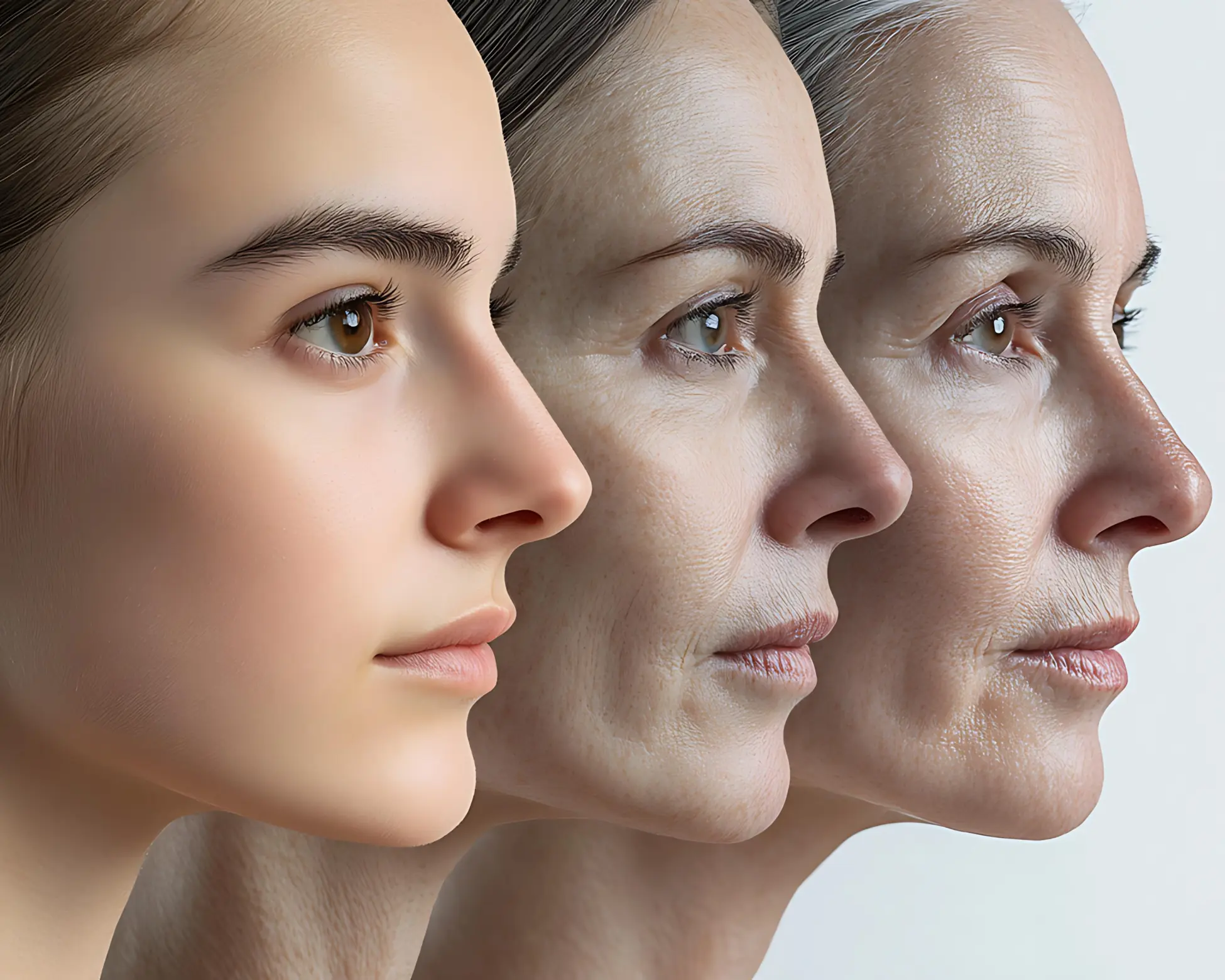
With the use of a mere five drops of blood, now possible for a person’s true biological age to be determined.

Research indicates travel enhances physical health, cognitive resilience and social engagement.

A global survey explores how pet owners describe companionship, stress and everyday well-being.

New study highlights how digital platform can uncover problems even before symptoms emerge.

Cats are outpacing the dogs when it comes to pet adoption, according to new statistics released by PetSmart.

New findings show many Americans face financial stress from inflation and rising cost of living.

Study shows engagement with the devices leads to better cognitive health outcomes.