Published
At a glance
- Longevity research raises questions about whether people might live longer and healthier lives, and how society would respond if that became possible.
- This introductory feature considers experimental approaches alongside the limits of current knowledge about extending human lifespan.
- Access, inequality and the meaning of aging are central to the discussion; the article invites debate rather than promising an established way to reverse aging.
What if aging could be slowed — or even reversed?
Is aging truly inevitable? What if there was a way to significantly slow it down—or even reverse certain aspects of it? Questions like these are no longer confined to science fiction; they’re at the forefront of a fascinating and rapidly growing field of research. A community of scientists, biohackers, and entrepreneurs is working together, driven by a common goal: to redefine what it means to grow old.
The pursuit of radical life extension is gaining traction, and for good reason. The possibility of living longer, healthier lives is reshaping the way we view aging, longevity, and the human experience itself. But how close are we to turning this dream into reality? This introduction takes inspiration from the documentary Don’t Die: The Man Who Wants to Live Forever.
We’re diving headfirst into the science, ethics, and potential societal impact of radical life extension. But as with any groundbreaking idea, there are just as many challenging questions as there are exciting possibilities.
What’s really behind aging?
Aging impacts every aspect of our lives, yet most of us don’t truly understand the mechanics of why we get older. Scientists have identified multiple hallmarks of aging, including cellular decay, oxidative stress, telomere shortening, mitochondrial dysfunction, and epigenetic changes. By targeting these factors through cutting-edge research, experts believe they may be able to significantly slow down aging and, in some cases, reverse certain effects—at least in animal models.
Some promising avenues include:
- Anti-aging drugs – Certain compounds, such as rapamycin, metformin, and NAD+ boosters, are being studied for their potential to slow cellular degeneration.
- Gene therapy – Research into genetic modifications, including reprogramming cells with Yamanaka factors, has shown promising results in reversing aging in animal models.
- Fasting-based interventions – Caloric restriction and intermittent fasting have been linked to increased lifespan and improved cellular repair mechanisms in multiple species.
While these advancements raise hopes about extending human lifespans and improving quality of life, much of the research is still in experimental stages. The question remains: Are these potential breakthroughs ready for safe human application, or are they still speculative science?
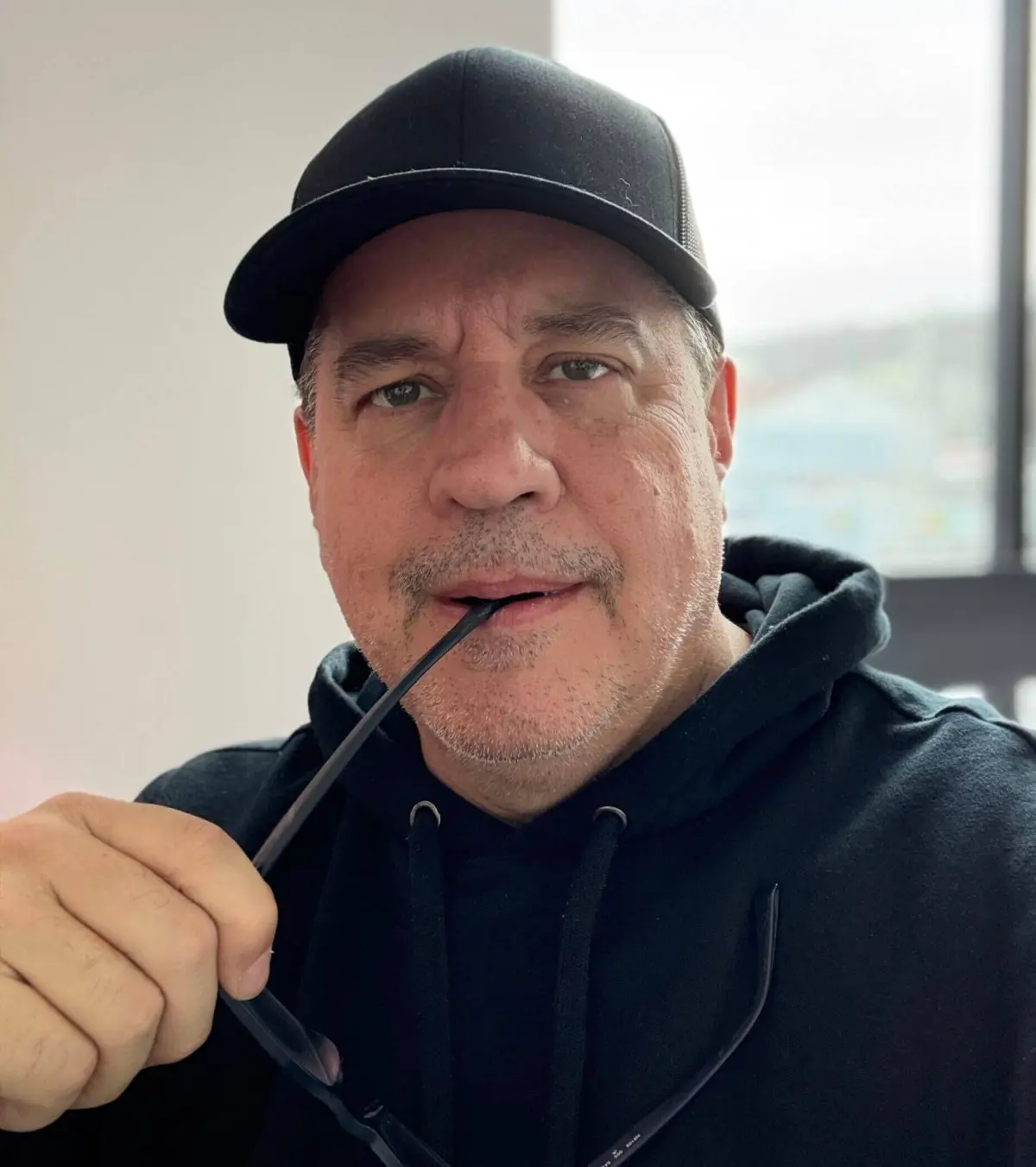
Andrew Bowins, founder and publisher of RestlessUrban, asks the questions about the hidden costs of extending life.
What we know (and don’t know) about living longer
Before we start imagining a future filled with 150th birthday celebrations, it’s worth asking some critical questions. Extending human life could offer numerous benefits, such as more time to achieve goals, savor meaningful moments, and push the boundaries of what humans are capable of. But what are the hidden costs?
Critics worry that longevity treatments could deepen inequality if only the wealthy can afford them. Others raise philosophical questions: If death becomes optional, does life lose its meaning? And what about the risks—are these emerging therapies well-researched solutions or risky experiments promoted by ambitious startups?
The implications of radical life extension
Imagine a world where the average human lifespan extends beyond 100 years, potentially even reaching 120. What impact would this have on society? On one hand, longer lifespans could mean extended careers, longer family legacies, and scientists working decades longer on breakthroughs that could transform the world.
On the other hand, could our planet sustain such significant population growth? How might extended lifespans affect relationships, the economy, and the balance of privilege and equality? These are not just questions for the distant future but ones we must begin addressing now.
The ethical conversations surrounding life extension are as crucial as the science itself. Who gets access to these life-prolonging technologies, and at what cost? Could this lead to a world where only a privileged few experience extended youth while the rest are left behind? These are the hard truths we need to consider.
Join the conversation
With billionaires funding longevity startups and researchers racing to decode the biology of aging, the quest to extend human life is no longer a distant fantasy—it’s becoming a pressing contemporary issue. Companies like Altos Labs, Calico Labs, and Life Biosciences are actively investing in longevity research, bringing us closer to potential breakthroughs. But where is the line between progress and playing with fire?
The essential distinction is between an interesting laboratory result and a treatment shown to help people safely. The National Institute on Aging’s research overview explains why measuring and changing human aging is difficult. Results in cells or animals do not establish that a drug, supplement or fasting routine will extend human life. Biohacking 101 brings that evidence question into everyday wellness choices.
But we need your voice in this conversation
Would you take the chance to live significantly longer if it were safe and accessible? Or do you think aging is something we’re meant to accept as part of life? Drop your thoughts via email, comment on social, and share this blog with someone who has strong feelings on the subject.
In the meantime, everyday health habits after 50 offer a more practical conversation than promises of radical life extension.
The future awaits. Are you ready to explore it with us?
Read next


More Features about Wellness

Is this the recipe for living healthy and happy beyond 50?

Mark Weiner's lessons for midlife happiness.
Rethinking hunger, habit and health in my 50s. A quiet moment sparked a powerful shift.
Perimenopause, hot flashes and sleep: one fitness coach shares her experience of a changing body.

If you decide to diet for your health reasons, the first step is to stop looking for quick fixes.

Middle age isn’t the beginning of a slow decline but the spark for a thrilling renaissance.

Sleep and intimacy after 50: exploring menopause, desire and how couples balance rest and connection.

It's time for a new measure of wealth when it comes to our well-being.