Published
At a glance
- Emotional connection after 50 becomes the focus of a personal reflection on identity, intimacy and the difference between being known and performing an expected role.
- The author revisits the way relationships were built while considering what more honest connection might require now.
- The essay explores varied ways people approach closeness, with authenticity, changing expectations and the willingness to question familiar patterns running through its account.
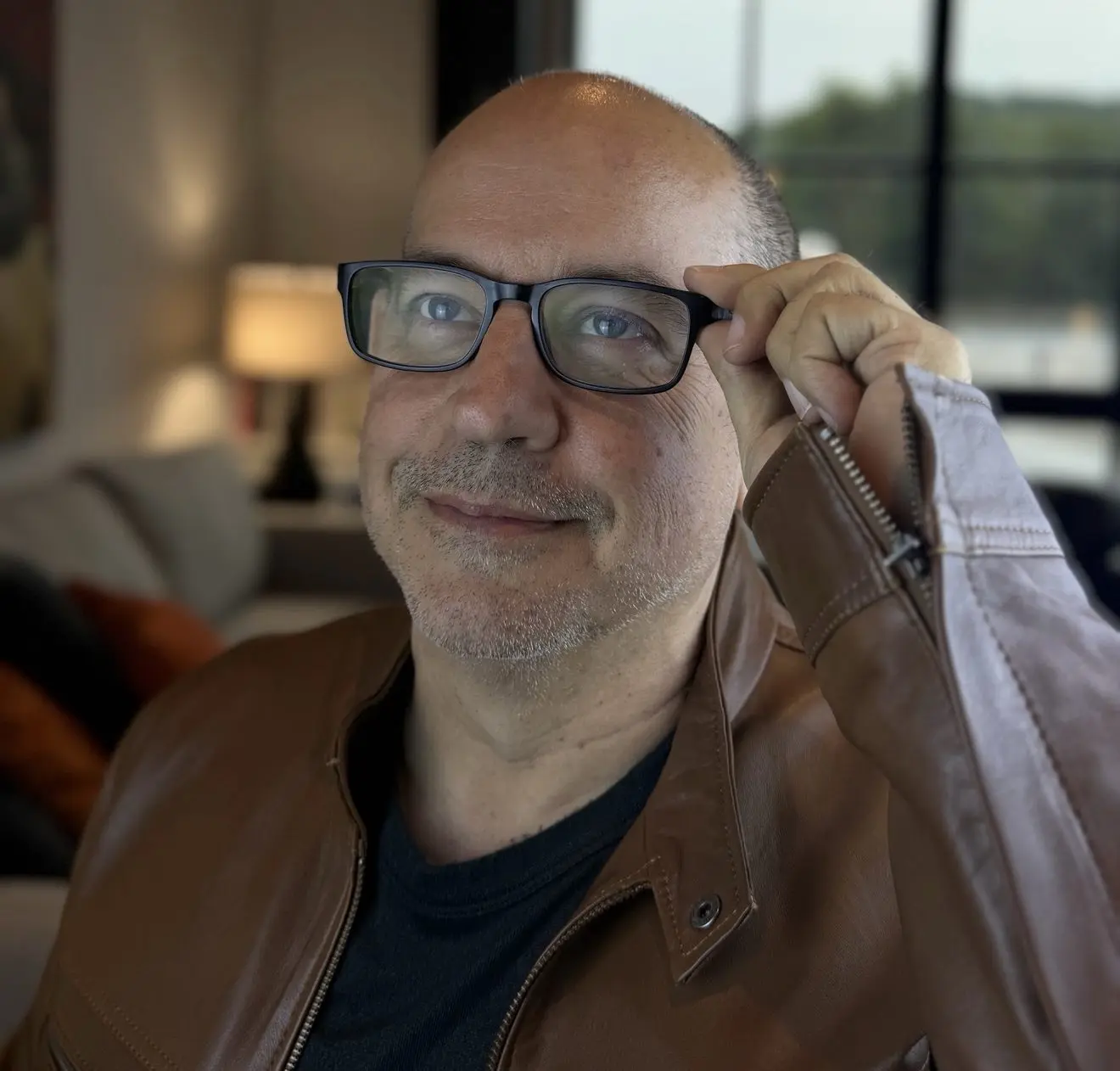
My name is Andy. Not Andrew. Andy.
I spent twenty years insisting on Andrew. More serious. More considered. More like someone who had the whole thing figured out. What Andrew never quite figured out was whether the connections he was building actually worked. Whether he was choosing people or just accepting them. Whether what passed for intimacy was the real thing or just a reasonable approximation that fit the life he was constructing.
Andy is more interesting. Andy is turning 59 in May and asking the questions Andrew kept filing away for later.
Here is what I have figured out. When you spend years performing a version of yourself the connections you build reflect the performance. They fit the construct. Not the person underneath it. At some point the construct stops holding. Not with drama. Just quietly, the way a habit ends when the reason for it is gone. What you are left with is honest. You know what you want. You know what you have been tolerating instead. Those two things are not the same and you are done pretending they are.
Here is what I do not know. What the next chapter looks like. I have more clarity about who I am than I have ever had and considerably less certainty about where it leads. But I know this. It is not what it was. And that is not a loss. That is exactly where it starts.
The Gap Nobody Is Talking About Loudly Enough
Here is why any of this matters beyond my own midlife inventory.
Connection can affect health as well as daily life. The 2023 U.S. Surgeon General’s advisory reviews associations between social disconnection and cardiovascular disease, depression and other outcomes. Loneliness is a subjective feeling; social isolation concerns the extent of contact. They are related, but they are not the same thing, and neither is simply a synonym for being single.
What makes this stage different is not the desire. The desire is intact. Most people our age have not lost interest in connection, in intimacy, in being genuinely known by someone. What has changed is the standard. We know ourselves too well to perform. We have been through enough to know the difference between the real thing and a reasonable facsimile. That clarity is not the problem. It is the gift. The problem is that clarity without honesty stays exactly where it is.
Intimacy is part of this conversation. An important part. But only part. What people at this stage are really looking for is meaning in their relationships. The physical is one dimension of that. The emotional, the intellectual, the simple daily presence of someone who actually sees you — those are the others. When people talk about feeling lonely at 55 or 65 they are rarely talking about one thing. They are talking about the whole of it.
Which is why the numbers are worth paying attention to.
According to AARP’s 2022 Sex and Relationships Survey, 58 percent of adults over 50 say sexual activity is a critical part of a good relationship. That is a reported view of respondents, not a measure of how sexually active everyone is. And yet according to AARP’s December 2025 loneliness study, 46 percent of adults between 45 and 59 say they are lonely, the highest rate of any age group, compared to 35 percent of adults 60 and older. Not the oldest. The ones in the middle. The ones who by most external measures appear to have the most going on.
Desire intact. Connection struggling. That is not a paradox. That is what happens when you finally know what you want and are no longer willing to settle for less. The question is not whether people want intimacy after 50. They do. The question is whether they are willing to do the harder work of actually finding it.

How People Are Rewriting the Rules
Part of the answer is circumstantial. Since 1990, the divorce rate among adults 50 and older has doubled — what researchers call the gray divorce revolution. An enormous number of people find themselves single again at a stage they did not anticipate, navigating connection on entirely new terms. Some are dating again, which is its own extended education. When a date’s friends have opinions, the questions can become even more interesting. Twenty-six percent of adults aged 50 and older who were single and looking reported current or past-year online dating use in Pew’s July 2022 survey, learning the rules of a landscape that barely existed during their last time as single people. Adults in their fifties favor Match over Tinder by nearly three to one. Which tells you something about what they are actually looking for.
Others have quietly rewritten the terms entirely. Some choose to remain committed while keeping separate homes. Two homes. One relationship. The freedom to want each other without the friction of constant proximity. For a growing number of people it is not a compromise. It is a considered answer to how intimacy actually works at this stage.
Part of the answer is physical. And this is the conversation most people are still having in whispers.
The body changes after 50. For women the hormonal shifts of menopause can quietly disrupt libido, comfort and confidence in ways that go largely unaddressed. Only a fraction are getting the honest conversation they deserve from their doctors. For men the cultural myth that nothing changes is simply wrong. The implications now extend beyond the bedroom too. Erectile dysfunction has emerged as an early marker of cardiovascular risk, meaning what feels like a personal issue is also a medical conversation worth having sooner rather than later.
The health story plays out very differently for men and women in ways that matter. What actually happens to sex and desire after 50 is more hopeful than the silence suggests. But only if people are willing to have the conversation at the volume it deserves.
When sleep and intimacy compete – and they do, regularly, usually around 2 a.m. — it becomes one of the quietly consequential tensions of long partnership. Sleep or sex sounds like a punchline until you are the one who has not had enough of either.
For those in long partnerships the deeper challenge is not physical. It is attention. Dating your spouse again after decades of familiarity sounds obvious. It is also one of the more underrated acts available to a long term couple. And what the Astronomer CEO moment revealed was never about betrayal. It was about what accumulates when two people gradually stop paying attention. Small absences. Unnamed things. The slow erosion of presence. That conversation is always worth having. Always earlier than you think.

The Part Nobody Tells You About Getting Here
People at this stage are not fading. They are arriving. Dropping the performance, the Andrew years, the careful construction of whoever you thought you were supposed to be, turns out to be the foundation of something genuinely good. Not perfect. Not easy. But honest in a way that earlier versions of intimacy rarely managed to be.
What one writer here calls entering your sexy as f*ck era is real. It is what shows up when you stop managing everyone else’s expectations as a full time occupation. The new intimacy after 50 is not the consolation version of what you had at 32. Middle age might be your healthiest chapter yet. The paths forward are more varied than anyone profits from telling you. And as Two Nights in Memphis proves, the capacity to be surprised by your own life does not have an expiration date.
Neither does any of this.
Neither do we.
Read next


More Features about Wellness

We’re diving headfirst into the science, ethics, and potential societal impact of radical life extension.

Is this the recipe for living healthy and happy beyond 50?

Mark Weiner's lessons for midlife happiness.
Rethinking hunger, habit, and health in my 50s. A quiet moment sparked a powerful shift.
Perimenopause, hot flashes and sleep: one fitness coach shares her experience of a changing body.

If you decide to diet for your health reasons, the first step is to stop looking for quick fixes.

Middle age isn’t the beginning of a slow decline but the spark for a thrilling renaissance.

Sleep and intimacy after 50: exploring menopause, desire and how couples balance rest and connection.