Finding your path forward
In part one, I wrote about the two types of legacy we can choose after 50: The ‘brand’ version focused on achievements and recognition, versus the authentic version rooted in living true to our values. A recent project helped me understand the difference in ways I never expected.”
I created an In Memoriam video for a “Magic of MBNA” Reunion that attracted nearly 700 people together two decades after the company’s sale. More than 1,400 people shared memories and gratitude on social media for the effort.
I got a note from a good friend and former boss who described my role as an “aggregator of feelings.” I appreciated that, except that he had previously described my initial article about Reclaiming Joy as “morose.” On balance, I guess that’s OK and firmly establishes me as the guy you call when you need someone to make people cry in a good way.
This video experience echoed a project creating oral histories with aging Baylor University professors. One passed away weeks after we posted his video. At the funeral, his widow approached me with tears in her eyes. “I’ll never be lonely because of the videos,” she said.
That moment revealed something profound about legacy: Our most meaningful impact often isn’t what we strategize. Sometimes it’s in the small moments of connection we create almost by accident. One of those videos captured his view on how he hoped to be remembered.
Discovering joy through living your truth
My journey back to joy and this exploration of legacy aren’t separate paths—they’re the same road seen from different vantage points. Getting my certification in Prompt Engineering at age 64 could have been seen as an effort to stay professionally relevant. But for me, it was about authentic curiosity, about refusing to calcify, about the deep satisfaction of mastering something new.
This is the sweet spot where both types of legacy overlap—when the things that feed your soul also contribute to your impact.
My friend Scott Wooters captured this intersection perfectly: “For me, joy has transitioned from personal accomplishments to watching my kids succeed.” That’s legacy in action—finding fulfillment not just in what you achieve, but in how you’ve enabled others to thrive.
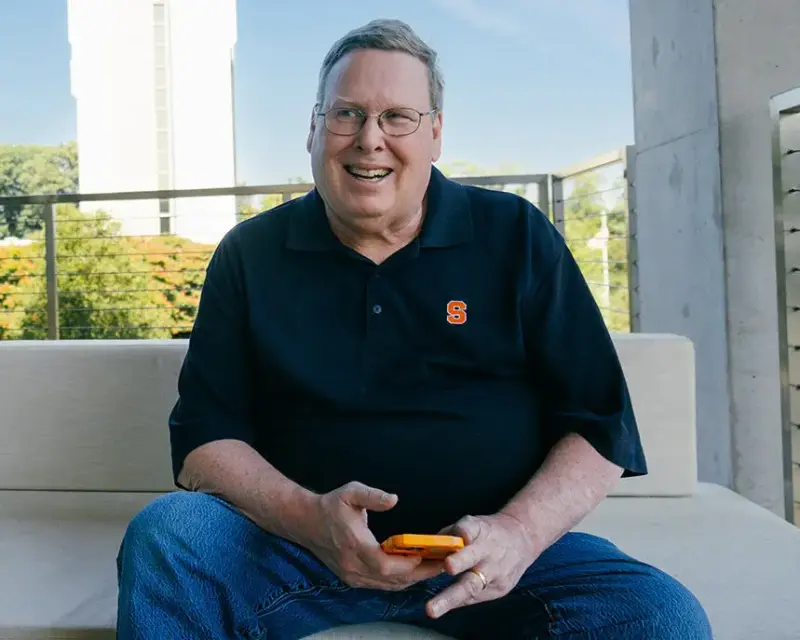
When my daughter landed her dream job at an arts PR firm in New York, the pride I felt wasn’t about some reflected glory (or relief that she could start paying on her student loans). It was deeper, a recognition that part of my authentic self would live on through her, not because she chose a similar career path or embraced guidance I provided over the years, but because she pursued her passion with the same determination I’ve tried to model.
Finding your middle ground
These two paths are not mutually exclusive. The most satisfying lives find ways to honor both.
Psychologist Erik Erikson called this balance “generativity:” Contributing to the world while staying true to your deepest values. It’s about alignment, ensuring your public contributions flow from your authentic self rather than from obligation.
My communications work has always helped others find clarity in their message—that professional legacy matters. But as I’ve gotten older, I’ve become more selective about which projects I take on and which stories I help tell. My filter now: Does this align with what I deeply value? Will I be proud to claim this as part of my legacy?

The hard work of legacy isn’t building it. It’s clearing away everything that doesn’t belong so the real you can shine through.
Questions worth asking
If you’re navigating your own legacy crossroads, here are some questions that might help clarify your path:
- When you picture someone remembering you 20 years after you’re gone, what would you most want them to say about you?
- What activities make you lose track of time? (Hint: There’s legacy gold in these moments.)
- Where in your life are you still seeking external validation instead of trusting your own judgment?
- What parts of your current “brand” feel inauthentic or burdensome to maintain?
It’s never too late for a legacy pivot
I’ve come to believe that legacy isn’t fixed. It’s fluid. Each day offers new opportunities to shape how we’ll be remembered and how we’ll remember ourselves. I think of my dad’s packed funeral and wonder about my own legacy (as I worry about whether the church walls will collapse since I’ve lived more of a life of Monday-through-Saturday than of Sunday services thanks to travel sports+).
The privilege of midlife is gaining clarity about what truly matters. The challenge is having the courage to realign our lives accordingly, potentially disappointing others by being more fully ourselves.

Many over 50 find themselves clearing away the “garbage” of past accomplishments to focus on the small moments that truly define legacy.
What I have discovered
But here’s what I’ve discovered from others, including some of the MBNA people who died way too early (some inexplicably by their own hands): When you commit to an authentic legacy, something unexpected happens. You develop a magnetic quality. People are drawn to those who’ve found the courage to be genuinely themselves.
Legacy isn’t just what you leave behind. It’s how you choose to live now. It’s about recognizing the person in the mirror each morning—not just physically, but essentially. It’s being able to say, “This is me. Not perfect, not finished, but authentic.”
What kind of legacy are you creating today?
More Features about Wellness

We’re diving headfirst into the science, ethics, and potential societal impact of radical life extension.

Is this the recipe for living healthy and happy beyond 50?

Rethinking hunger, habit, and health in my 50s. A quiet moment sparked a powerful shift.
Perimenopause, hot flashes and sleep: one fitness coach shares her experience of a changing body.

If you decide to diet for your health reasons, the first step is to stop looking for quick fixes.

Middle age isn’t the beginning of a slow decline but the spark for a thrilling renaissance.

Sleep and intimacy after 50: exploring menopause, desire and how couples balance rest and connection.