
An empty park bench beneath autumn trees. Illustrative photograph by 雙 film via Unsplash.
Published
At a glance
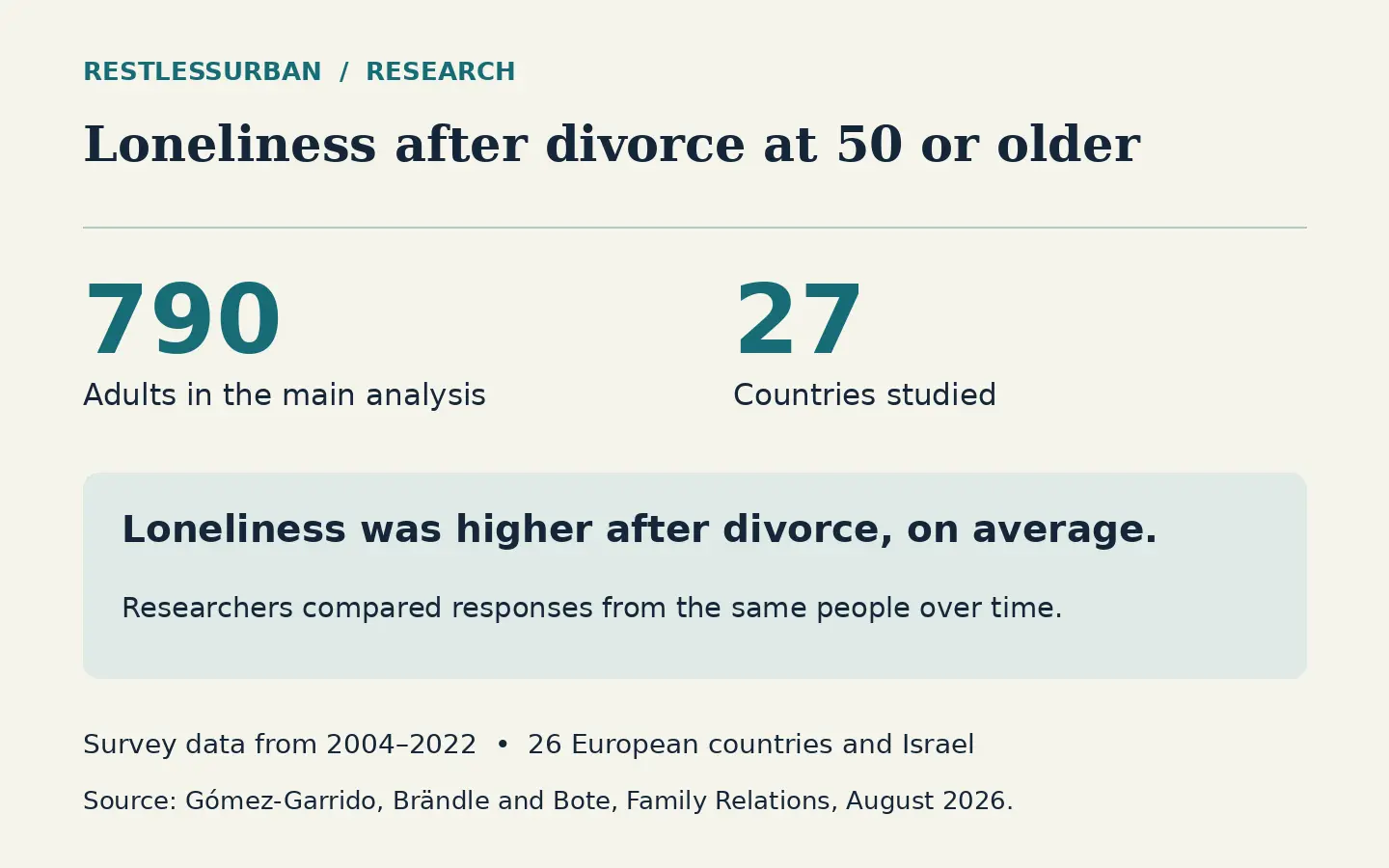
- People who divorced at 50 or older reported more loneliness afterward, on average.
- University of Murcia researchers analyzed repeated survey responses from 790 adults across 26 European countries and Israel.
- The findings show an association. Individual experiences can differ.
People who divorced at age 50 or older reported more loneliness afterward than they had before, on average, in a 27-country study by sociologists at Spain’s University of Murcia. The research was published August 24 in Family Relations, a peer-reviewed journal of the National Council on Family Relations.
What the researchers found
Aurora Gómez-Garrido, Gaspar Brändle and Marcos Bote drew on survey data collected from 2004 to 2022 across 26 European countries and Israel. The main analysis used 1,664 observations from 790 people. By comparing each person’s responses before and after divorce, the researchers could examine how loneliness changed for the same individuals over time.
On average, loneliness was higher after divorce. The researchers found limited evidence that the size of that change differed by country. The survey data show an association and leave room for other life changes to have contributed.
Why it matters after 50
The research adds a social dimension to the practical questions that come with ending a long marriage. Alongside decisions about housing and money are smaller questions about everyday life. Who do you call when something happens? Who do you expect to see on a Sunday? Those routines can be part of what changes when two people separate.
The study examined divorce regardless of why the marriage ended. Its finding describes an average across participants. Individual experiences can differ.
Read more
- What the Astronomer CEO Moment Reveals About Infidelity
- Nvidia, Cheating and Spy Allegations: Why Jensen Huang’s Exit Matters
Read next



More Research

New research shows it is essential for fostering healthy aging and supporting longevity.
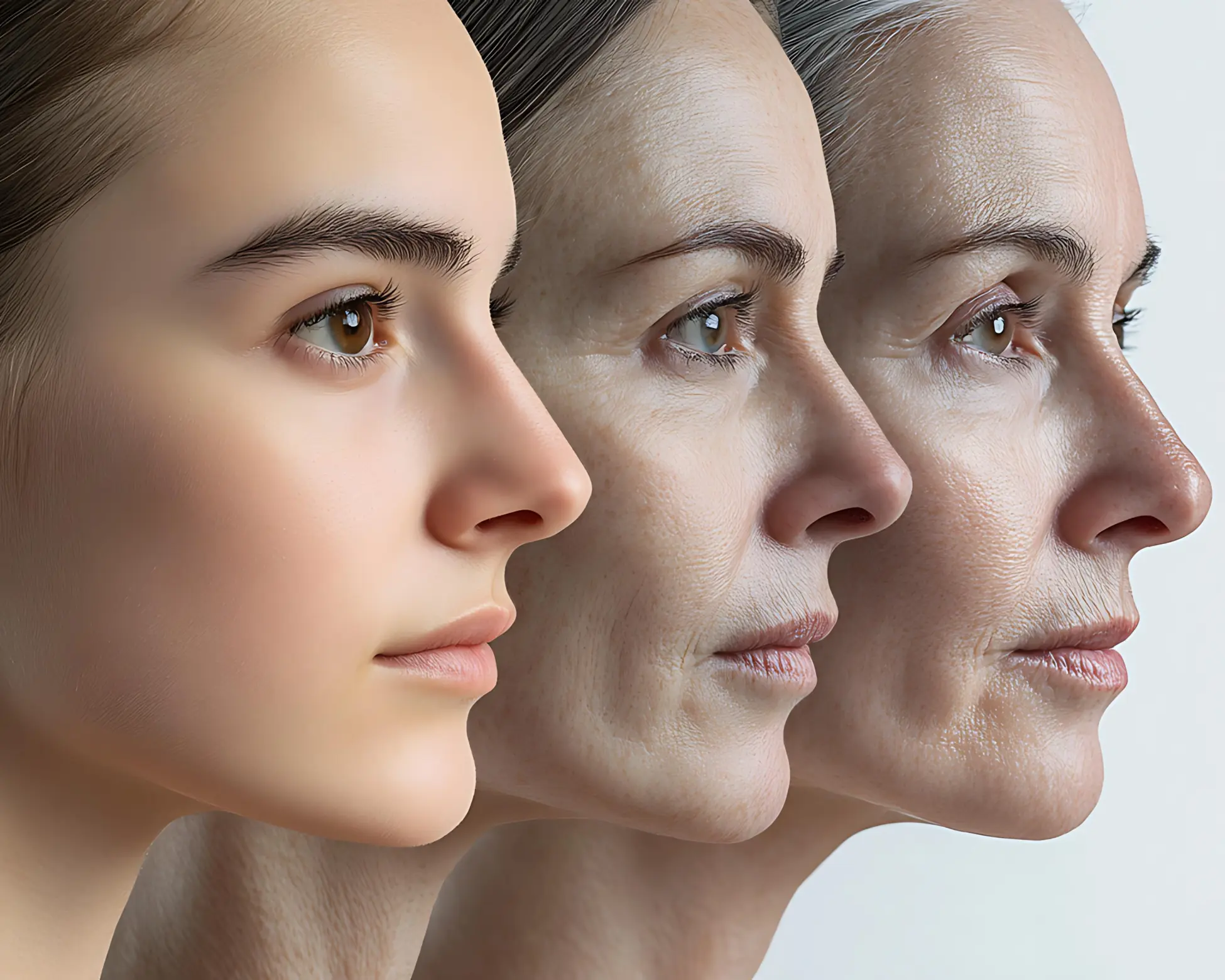
With the use of a mere five drops of blood, now possible for a person’s true biological age to be determined.

Research indicates travel enhances physical health, cognitive resilience and social engagement.

A global survey explores how pet owners describe companionship, stress and everyday well-being.

New study highlights how digital platform can uncover problems even before symptoms emerge.

Cats are outpacing the dogs when it comes to pet adoption, according to new statistics released by PetSmart.

New findings show many Americans face financial stress from inflation and rising cost of living.

Study shows engagement with the devices leads to better cognitive health outcomes.