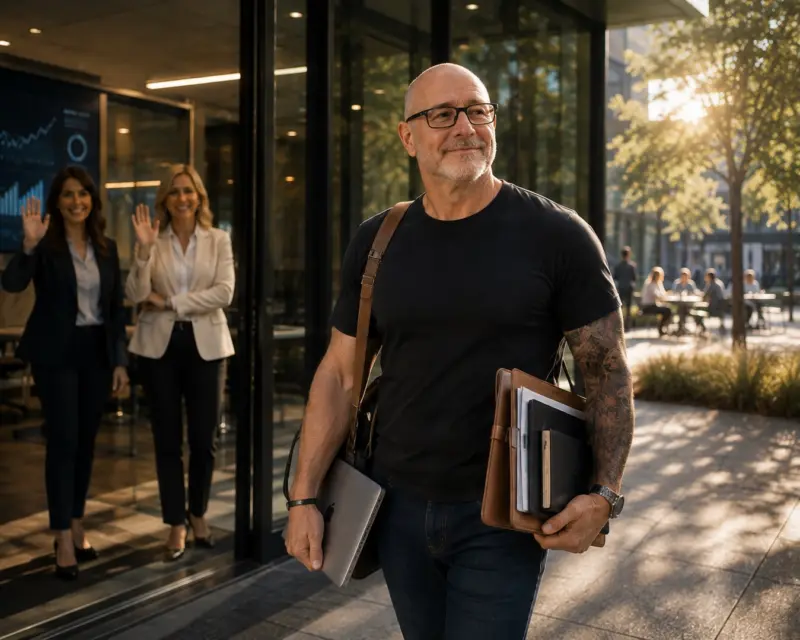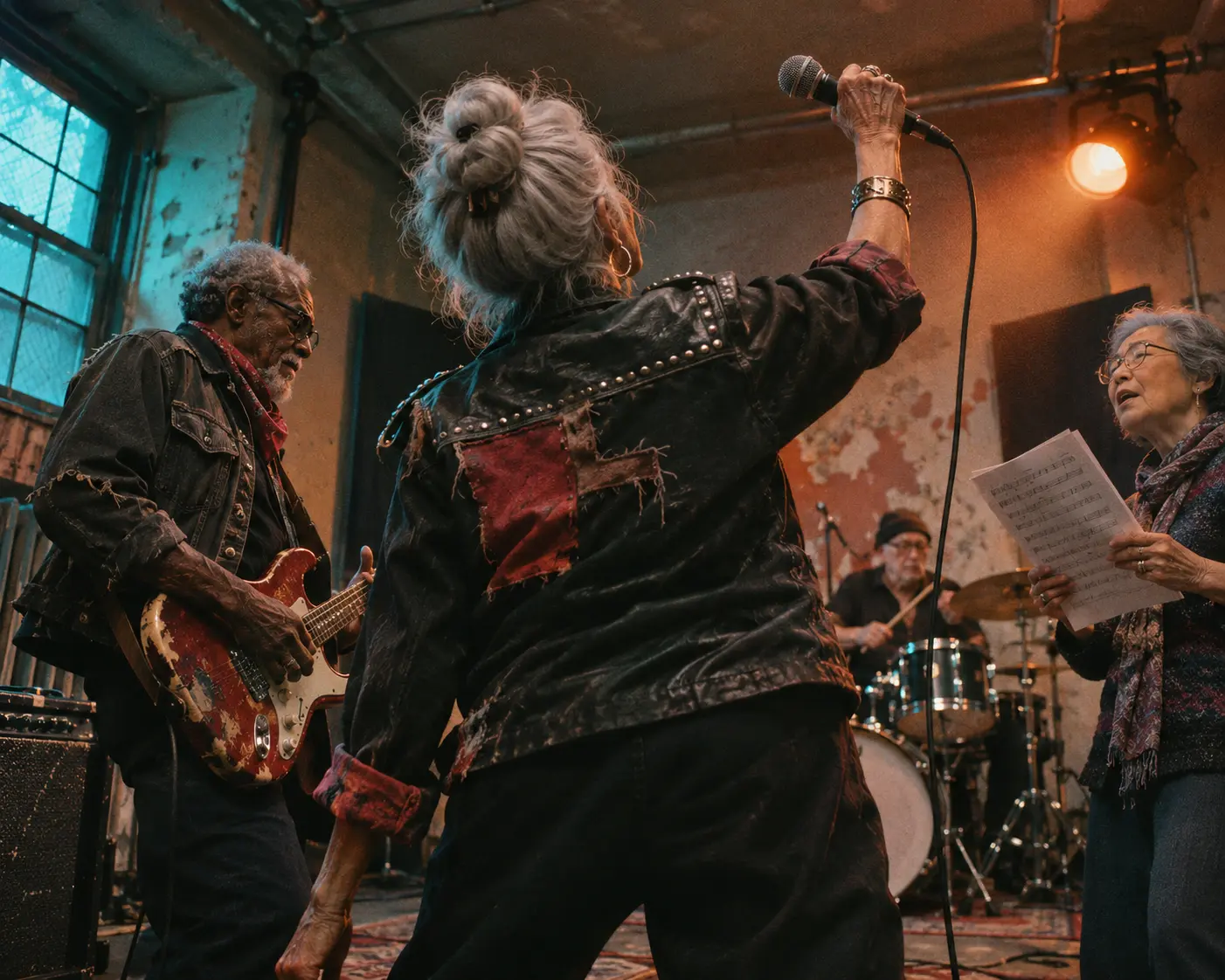
AI-generated editorial illustration by RestlessUrban. It does not depict Young@Heart NYC or its members.
Published
At a glance
- Young@Heart NYC makes room for punk, pop and R&B in a choir built for singers 75 and older. Joan Jeffri returned to singing after more than 30 years.
- The New York choir made its live debut alongside Brooklyn Youth Chorus at a benefit for an immigrant-led organization.
- A separate randomized trial of adults 60 and older found that those who started singing in a choir improved more on loneliness and interest in life than those who waited.
Olivette Taylor had never heard “Return of the Mack” when her choir director handed it to her. The 1990s R&B hit is the sound of a man announcing his own comeback, with no apparent concern that anyone might prefer he’d stayed away. Taylor liked the challenge of making it hers. As she told Bob Krasner for his amNewYork feature on the choir, learning a song outside her comfort zone was part of the fun.
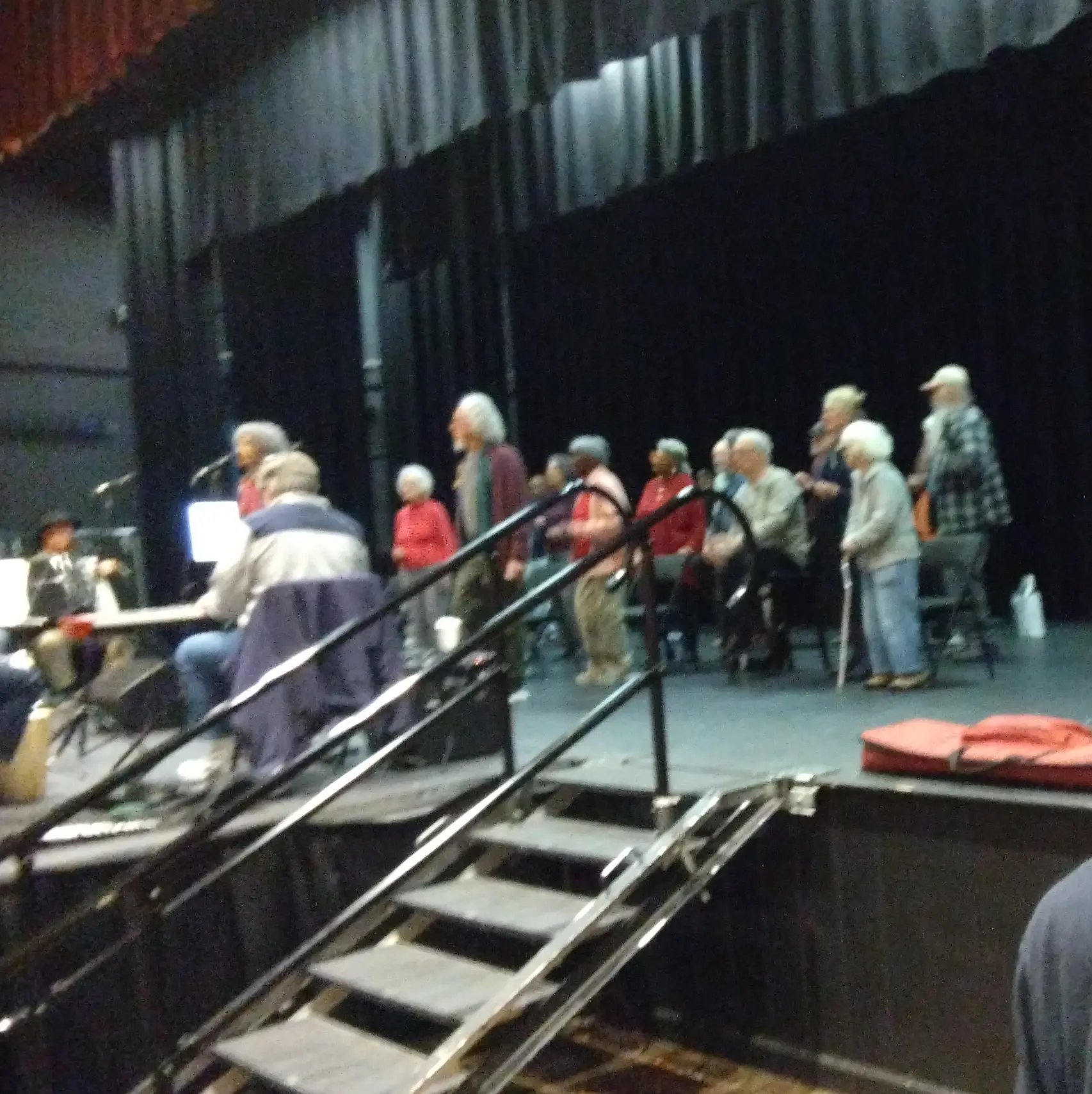
That assignment makes sense at Young@Heart NYC, a Lower East Side chorus built for singers 75 and older. Its repertoire has included Richard Hell & the Voidoids, Gang of Four and Olivia Rodrigo. Among the singers photographed at rehearsal was Henry Chalfant, 86, who documented New York’s subway graffiti and co-produced Style Wars. Anyone worried the group might be scandalized by punk could start by asking him what the city used to think of spray paint. Chalfant’s gallery biography dates his birth to 1940 and traces his work documenting the early hip-hop scene.
The original Young@Heart started in a senior housing project in Northampton, Massachusetts, in 1982. Its first offshoot took shape in New York in the fall of 2025. The singers rehearse weekly at Henry Street Settlement’s Abrons Arts Center with director David Nagler. The point of a set list like this is that even a person who has spent a lifetime singing can walk into rehearsal and find out they have homework.
Thirty years between songs
Joan Jeffri spent much of her career listening to artists. A former professional actress, she founded the Research Center for Arts and Culture and developed projects that helped older artists record their own histories. When she lost hearing in one ear, she stopped singing. For more than 30 years, she stayed away from it. She told Henry Street Settlement that the prospect of coming back frightened her: she could no longer hear her voice in her head. On April 26, 2026, when the two Young@Heart choirs met in Northampton, Jeffri sang a solo.
For Judith Mercado, a fellow singer, the route to the choir ran through a place she’d known since childhood. She went to Henry Street’s Echo Hill Farm camp as a child and now leads karaoke at its Older Adult Center. She described singing as something to look forward to. It helps that the institution she already knew gave her somewhere to do it.
What the choir did with its first gig
On March 10, 2026, Young@Heart NYC made its live debut at the First Unitarian Congregational Society in Brooklyn. The other act was Brooklyn Youth Chorus, and the show was a benefit for the New Sanctuary Coalition, an immigrant-led group that assists people facing detention or deportation. It gave the first performance a job beyond introducing the singers. Nagler told Henry Street that he saw friendships begin to take hold after the benefit. The people rehearsing together every week had put on a show for somebody else.
The case for a standing rehearsal
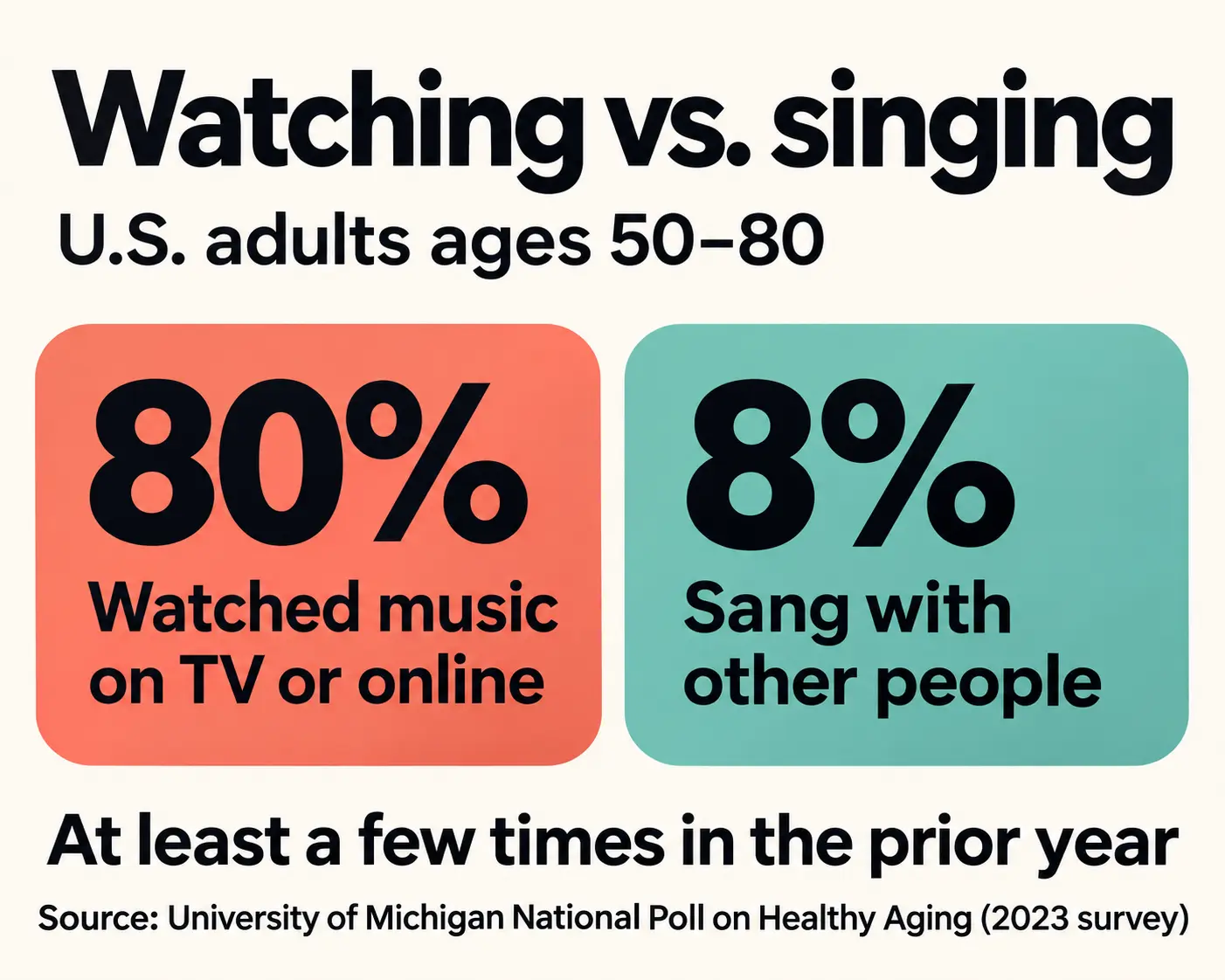
In a University of Michigan poll conducted in 2023, 80 percent of U.S. adults ages 50 to 80 said they had watched a musical performance on TV or online at least a few times in the preceding year. Only 8 percent said they had sung with other people that often. A tempting place to start is a single session: New York’s Gaia Music Collective, for example, offers one-day choirs without auditions and took that format on tour with Ólafur Arnalds in 2026.
A standing rehearsal offers something a one-off night can’t promise: a room full of people you’ll see next week. In the Community of Voices trial, 12 San Francisco senior centers were randomly assigned to start a choir immediately or six months later. Among 390 adults ages 60 and up, the groups that started first improved more on two secondary measures: loneliness and interest in life. At six months the study’s main measures of depressive symptoms, executive function and lower-body strength showed no significant differences between groups. The study also couldn’t separate the effect of singing from the effect of having a regular activity with other people.
If you’re looking for a choir, ask a library or community arts center whether there’s an open rehearsal. Ask how they handle mixed experience, large-print music or hearing accommodations if those matter to you. New York’s Community Voices Choir, for adults 55 and up, lists examples of what such accommodations can look like. And if you’d rather hear Young@Heart first, the group is scheduled to play Joe’s Pub on January 24, 2027.
Here at RestlessUrban, Bob Pearson has written about why the songs we grew up with still know us so well. Taylor’s assignment makes a case for the songs we missed. There’s still time to let one surprise you.
Source note: This feature draws on Bob Krasner’s reporting for amNewYork and Timothy Davis’s interviews for Henry Street Settlement. The accounts of the benefit and the research are linked in the text. RestlessUrban did not independently interview the singers for this story.
Read next


More Features about Culture

A personal travel reflection: how sailing the English Channel and a gift in Paris shaped life after 50.

At 50, life is just getting started. Meet the generation redefining aging with bold moves and big adventures.
Exclusive preview of title track and feature video free for a limited time.
Bold stories of reinvention. Singer-songwriter Dean Brandsma
Meet Marleah. Unfiltered, raw and curious explorations of life.

Leaving home at 53 was not a crisis. It was my chance to reinvent life after the empty nest and rediscover freedom.
Singer-songwriter Dean Brandsma rewrites his life’s soundtrack. Hear the story behind the song “Crossroads.”
Style after 50 is not about rules. It’s about confidence, emotion and embracing who you are right now.