Movement as lifestyle
It’s not that we’re lazy. As the sandwich generation, we have so much on the go, we don’t always have much left to give at the end of the day. Hormones can mess with us, too: women often experience a rapid drop in estrogen and progesterone during menopause, while men experience a gradual decline in testosterone. And some of the drugs we take, like high blood pressure medication, can cause fatigue. So we have legitimate reasons for lacking the motivation we once had in our 20s.
Entering your 50s is a time when the realities of middle age can “really bear down on people,” says Dr. Samir Sinha, a geriatrician and director of health policy research with the National Institute on Ageing — and a Gen Xer himself. But it’s also a time when there’s a “real opportunity” to reduce some of the risks that come with aging, from cognitive decline to chronic conditions like diabetes. Maybe that means making sure we get enough exercise or eat a healthier diet (say, Mediterranean or Blue Zones).
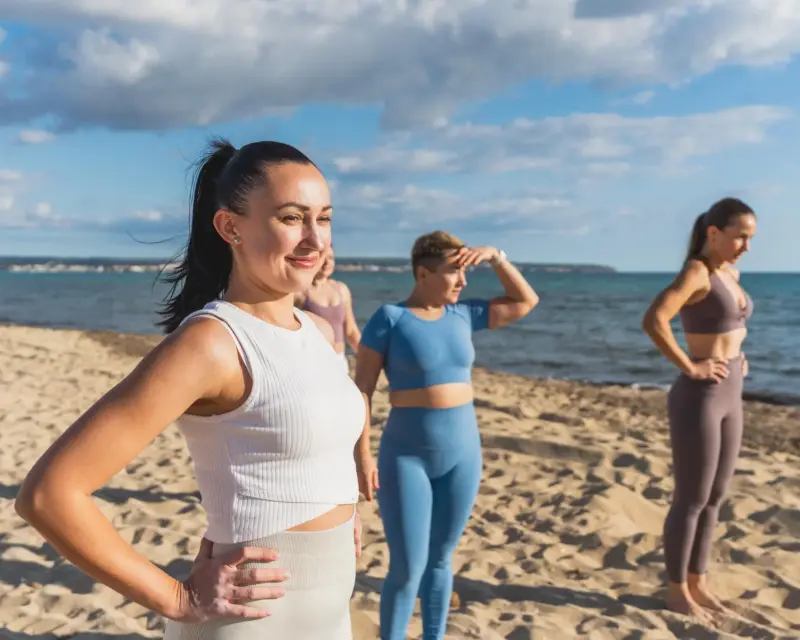
The World Health Organization (WHO) recommends 150 to 300 minutes of moderately intensive exercise per week. So what’s the best type of exercise for a Gen Xer? “It’s the type that you’re most likely going to do,” says Dr. Sinha. “So, I like to bike to work in the morning — that’s actually helping to get my minutes in.” Any workout that gets your heart pumping will do, whether it’s pickleball or dancing or group aerobics — so long as it’s something you enjoy enough to stick with. That makes movement part of your lifestyle, not just another task on your daily to-do list.
In the zone
Zone 2 training may be ‘trendy,’ but the concept isn’t new. It’s a way to optimize your cardiovascular fitness and improve your VO2 max (considered a key marker of longevity), particularly when combined with high-intensity interval training (HIIT). Basically, it means keeping your heart rate in zone 2 (about 60% to 70% of your maximum heart rate), so you’re just out of breath but can still hold a conversation. A zone 2 workout could involve a brisk walk, slow jog, rucking (hiking with a backpack) or treadmill workout.
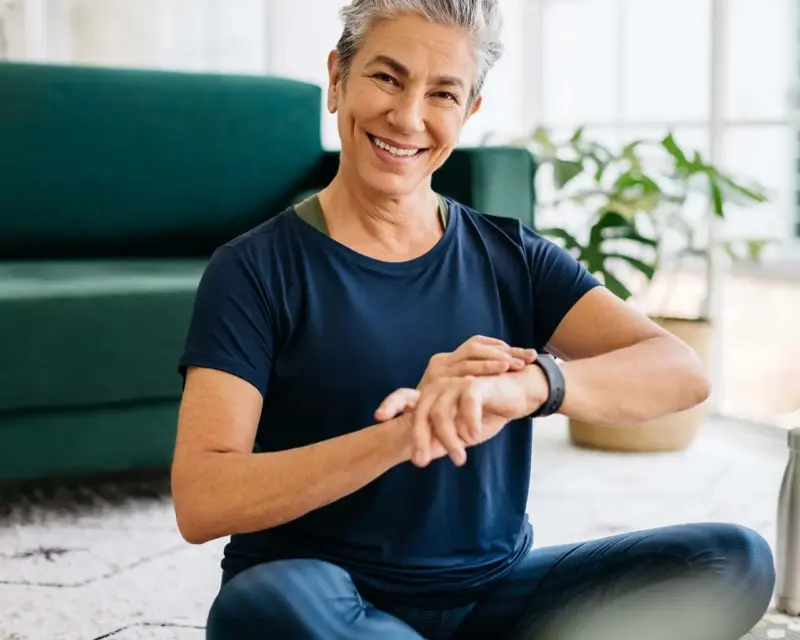
This type of training can help to build endurance, strengthen the heart and burn fat more efficiently — and it’s less stressful on your body than higher-impact workouts. The trick is keeping your heart rate in zone 2. To do this, you’ll first need to calculate your maximum heart rate, which is based on your age and any underlying health conditions (use an online target heart rate calculator or consult a health practitioner). During your workout, you can keep track of your heart rate with a heart rate monitor, fitness wearable or smartwatch.
Jab, hook, cross
Boxing and martial arts like Muay Thai and Brazilian jiu-jitsu aren’t just for twentysomethings. For Gen Xers, they have numerous physical benefits, like boosting endurance, building strength and increasing bone density — plus, they’re a great way to blow off steam. But boxing and martial arts are also good for the brain. They require focus; when sparring, you need to react quickly, and that’s good for balance, coordination and cognitive function. It’s kind of like the superfood of workouts.
But proper technique is essential or you risk injury. If you’re new to boxing or martial arts, consider booking private training sessions at a boxing gym or martial arts studio, or take group classes that cater to beginners or older adults. It does require a bit of an investment (either in training sessions or a gym membership), as well as proper equipment (like boxing gloves). You could also consider taking virtual kickboxing classes or, once you have a few skills under your belt, investing in some home equipment.
Speed your recovery
As we age, it takes longer to recover from physical exertion. There are studies to back that up, but most of us know from experience that we don’t bounce back from a strain or injury like we did in our 20s (just like a few glasses of wine now results in a two-day hangover). These days, there’s an entire industry built around recovery gear — and while you don’t need it (recovery, after all, is about rest) — there are tools that can help speed up the process.
From foam rollers, recovery slides and kinesiology tape to massage guns, therapy balls and heating pads, there’s no shortage of recovery tools on the market. I’ve recently discovered the joy of recovery slides, particularly after a long hike with a heavy backpack. Then there’s the supplement market, from protein powders to electrolyte drinks to post-exercise recovery bars. If your budget (or benefits) allow, you could also opt for regular massage therapy, chiropody, physiotherapy or acupuncture.
Tools that help you find your calm
Simple discoveries that make mindfulness, comfort, and recovery part of everyday life.
Along the way, I have come across a few things that make the path to calm a little easier. Some are tools that help quiet the noise, others simply make the moments of stillness more comfortable. These are a few of the products I have discovered on my own journey to find balance, focus, and a little peace of mind.
The calm we create
Wellness after 50 is not about escaping the noise. It is about learning how to move through it with grace, curiosity, and purpose.
Recovery is not just about rest. It is about giving your body what it needs to keep showing up. Strength at this stage of life is not measured in reps or miles. It is measured in consistency, energy, and how well we bounce back. The goal is not to train harder. It is to live better and to keep moving forward with purpose.
Follow Part 2 of my Vital Experiment series as I explore what it really takes to stay strong, balanced, and well after 50. I would love for you to come along, try a few things with me, and see what actually works.
More Features about Wellness

We’re diving headfirst into the science, ethics, and potential societal impact of radical life extension.

Is this the recipe for living healthy and happy beyond 50?

Rethinking hunger, habit, and health in my 50s. A quiet moment sparked a powerful shift.
I can distinctly remember my mom complaining of hot flashes, being irritable and putting on weight unexpectedly.
If you decide to diet for your health reasons, the first step is to stop looking for quick fixes.

Middle age isn’t the beginning of a slow decline but the spark for a thrilling renaissance.

Sleep feels better after 50. So does sex. What happens when your body wants both but you only have energy for one?