Published
At a glance
- Gen X sustainable shopping habits are highlighted in research reported by packaging company Arka.
- The article discusses durability, planned purchases, spending power and other behaviors used to compare generations.
- Its central argument is that sustainability involves everyday purchasing choices as well as stated values, while the conclusions reflect the company’s chosen measures rather than a universal ranking of every person’s environmental impact.
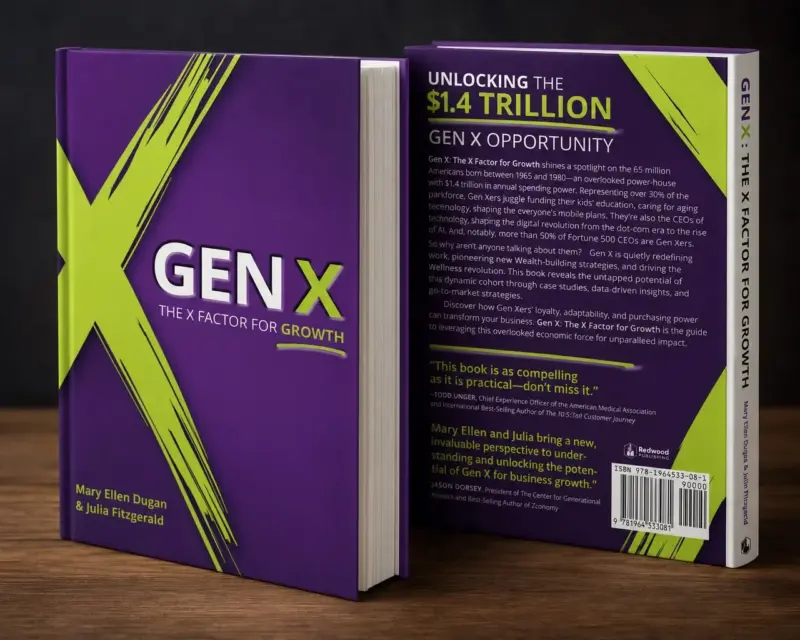
For years, brands have treated Gen Z as the face of sustainable consumerism. A new study suggests they may have been looking at the wrong generation.
Arka, a San Francisco based custom packaging company, recently conducted a major study examining the spending habits and buying behaviors of five generations. The goal, according to the company, was to better understand how consumers actually behave rather than relying on generational stereotypes.
“As a custom packaging company, we work with brands across nearly every category, and many of them are redesigning around stereotypes without a clear, side by side picture of how each generation actually behaves at the point of purchase,” an Arka spokesperson told RestlessUrban.
The company analyzed buying motivators, purchase triggers, influence channels, shopping behaviors, and sustainability habits across all five living generations.
The biggest surprise? Gen X, not Gen Z, emerged as the most sustainability driven generation in the study.
According to the findings, Gen X scored 85.3 on Arka’s Sustainable Spender Score versus Gen Z’s 74.4, and 39 per cent of Gen X actively recycle or upcycle compared to 26 per cent of Gen Z.
“Gen Z dominates the sustainability conversation in marketing and media, but the data showed their eco choices are often budget driven: thrifting for value as much as for values,” the spokesperson said.
Research shines a light on Gen X

Gen X are pragmatists
Researchers say Gen X’s sustainability habits appear to stem less from identity and more from pragmatism.
“They’re in peak earning years and the ‘sandwich generation,’ supporting children and aging parents at the same time, which makes them pragmatic, long horizon buyers. ‘Buy once, buy well’ is inherently more sustainable than rapid replacement.”
The study also found Gen X consumers prioritize reliability and durability over trends, something researchers described as “pragmatic premium.”
“Choosing products built to last has a sustainability dividend baked in,” the spokesperson said.
“They came of age in the late 1980s and 1990s, when environmental consciousness moved from fringe to mainstream. Curbside recycling, the ozone conversation, the original wave of eco labeling, that formed habits.”
Another finding revealed Gen X showed the lowest trend volatility of any generation measured. Researchers found 71 per cent of Gen X store trips are to buy a specific item rather than for entertainment or socializing, which reduces impulse purchases and waste.
The report also points to purchasing power as a major factor.
Younger generations may want sustainable products, researchers noted, but cannot always afford the premium Gen X can, and does.
The findings suggest sustainability may be less about generational branding and more about the intersection of financial stability, long term thinking, and purchasing power, areas where Gen X now holds a distinct advantage.
Sources and context
Source: Arka’s generational shopping analysis and a company spokesperson’s comments to RestlessUrban. Arka is a custom-packaging business.
Research context: The article reports the company’s Sustainable Spender Score and its interpretation of purchasing habits across generations.
How to read it: A complete public technical report, sampling details, fieldwork dates and score-validation method were not located during this attribution review. Treat the figures as company-reported findings, not an independently verified ranking of entire generations.
Read next



More Trends

“The Mind of a Dog” blends science and comics. A must-read for first-time dog owners in their 50s and 60s.

Australian researchers say cold showers, ice baths and plunges offer real health benefits.

Apple's Health Study explores wearable technology, sleep, exercise and connections across health.

Health care AI and trust: Philips research explores patient expectations, clinical oversight and care delays.

Sunday Scaries launches THC gummies marketed for sleep and restless nights.

Artificial intelligence in pet care: how veterinarians use AI to support diagnosis and detect illness.

Marriage and well-being: a study compares life satisfaction, health and family support in the U.S. and Japan.

As we age Duke researchers say it may be the number of medications not the drug type that raises risk.