What if your biggest competitive advantage is the one you’ve been overlooking?
Every executive conversation seems to point in the same direction: artificial intelligence, Generation Z, the future of work, the next disruption. Those conversations matter. But they also reveal something curious.
Business has become remarkably good at looking ahead. It has become surprisingly poor at recognizing where leadership already exists.
That’s not simply a demographic oversight. It’s a leadership blind spot.
We’re Still Using Yesterday’s Definition of Leadership
Much of corporate thinking still reflects assumptions built decades ago: build a career, peak in your forties, retire in your sixties, then make room for the next generation.
That model no longer reflects reality.
People are living longer, working longer, learning longer, and leading longer. Yet many organizations continue to treat experience as though it has an expiration date.
That disconnect may become one of the defining business challenges of the next decade.
The Story Isn’t Generation X
According to Ipsos, Generation X will remain at the center of business, political, and economic leadership well into the 2030s. They are America’s highest-earning generation, occupy many of today’s executive leadership roles, and continue to influence purchasing decisions across nearly every major industry. Yet they remain one of the least discussed generations in business strategy and marketing.
Simon Atkinson, Chief Knowledge Officer at Ipsos, offers one possible explanation:
“A lot of the people involved in marketing and communications are younger people. That might explain why Gen X may not appear as much in communications.”
Perhaps.
But the more important question isn’t why this generation receives less attention. It’s why organizations continue to underestimate experienced leadership while asking leaders to navigate unprecedented complexity.
Today’s executives aren’t managing stability. They’re leading through constant transformation.
What if Experience Doesn’t Depreciate?
Today’s executive generation has led organizations through the internet, globalization, financial crises, cloud computing, remote work, and now artificial intelligence. That isn’t just experience. It’s accumulated judgment.
Artificial intelligence will reshape business, but AI isn’t simply a technology story.
It’s a leadership story.
Technology changes quickly. People don’t.
Organizations succeed when leaders build trust, communicate through uncertainty, and help people adapt. Those capabilities aren’t becoming less valuable. They’re becoming indispensable.
Leadership strategist Mary Ellen Dugan often reminds executives to stop comparing themselves to curated versions of success and instead recognize the value created through decades of accumulated experience.
Business has developed its own version of that habit. Too often, organizations compare themselves to an imagined future while undervaluing the capability already inside the building.
Experience isn’t yesterday’s value. It’s tomorrow’s competitive advantage.
Marketing Has the Same Blind Spot
Adults over 50 represent one of the world’s most influential consumer groups, yet they remain significantly underrepresented in brand storytelling despite controlling an outsized share of disposable income.
As Atkinson puts it:
“You probably should not ignore them. There are a lot of them, and they have lots of money.”
This isn’t about featuring more gray hair in advertising. It’s about recognizing changing aspirations.
Health. Longevity. Financial resilience. Purpose. Learning. Meaningful work.
These aren’t niche interests. They’re becoming defining characteristics of one of the world’s most influential consumer markets.
The Bigger Opportunity
For decades, business has treated experience as something that depreciates.
The longevity economy asks a different question:
What if experience appreciates?
Not automatically. Not because of age.
But because experience, combined with curiosity, produces better judgment. In an AI-driven economy, judgment may become the most valuable leadership asset of all.
That changes succession planning, leadership development, talent strategy, marketing, and perhaps even how organizations define competitive advantage.
A Different Question
One day we’ll probably look back at this decade and realize we weren’t simply captivated by artificial intelligence.
We were distracted by it.
While everyone searched for the future, many organizations overlooked one of the most valuable assets already inside the building:
Experienced leadership.
This isn’t really a story about Generation X.
It’s a story about how business defines value.
The organizations that thrive won’t simply adopt new technologies faster. They’ll recognize where experience, adaptability, and accumulated judgment create lasting advantage.
Perhaps that’s the real opportunity hiding inside the longevity economy.
Not simply longer lives. Longer leadership.


More Features about Culture

How a night at sea and a quiet gift in Paris taught me the secret to living.

Music changed my life. Playing guitar helped me heal, grow stronger, and embrace change.
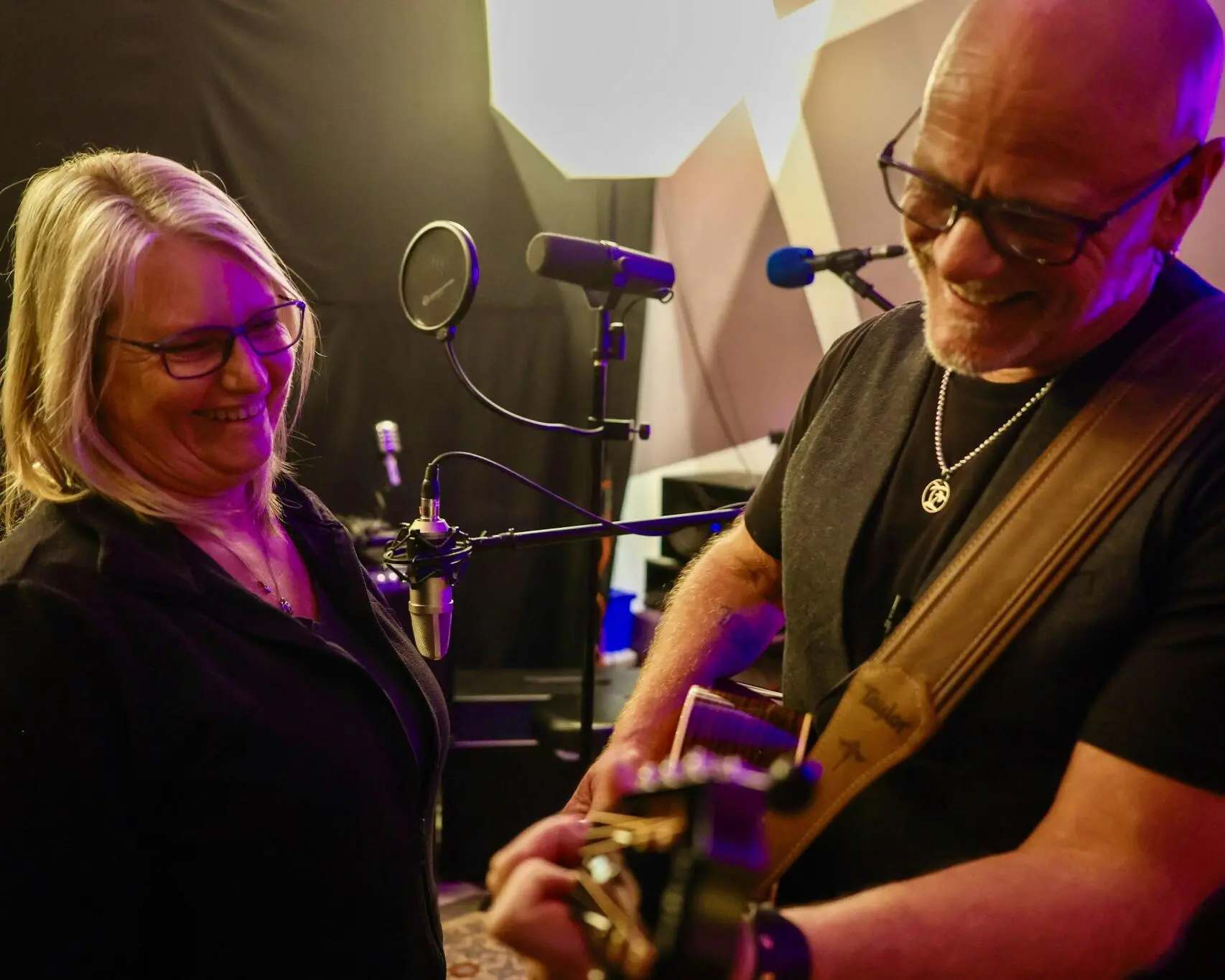
Exclusive preview of title track and feature video free for a limited time.

Bold stories of reinvention. Singer-songwriter Dean Brandsma

Meet Marleah. Unfiltered, raw and curious explorations of life.

Leaving home at 53 was not a crisis. It was my chance to reinvent life after the empty nest and rediscover freedom.

Singer-songwriter Dean Brandsma rewrites his life’s soundtrack. Hear the story behind the song Crossroads.
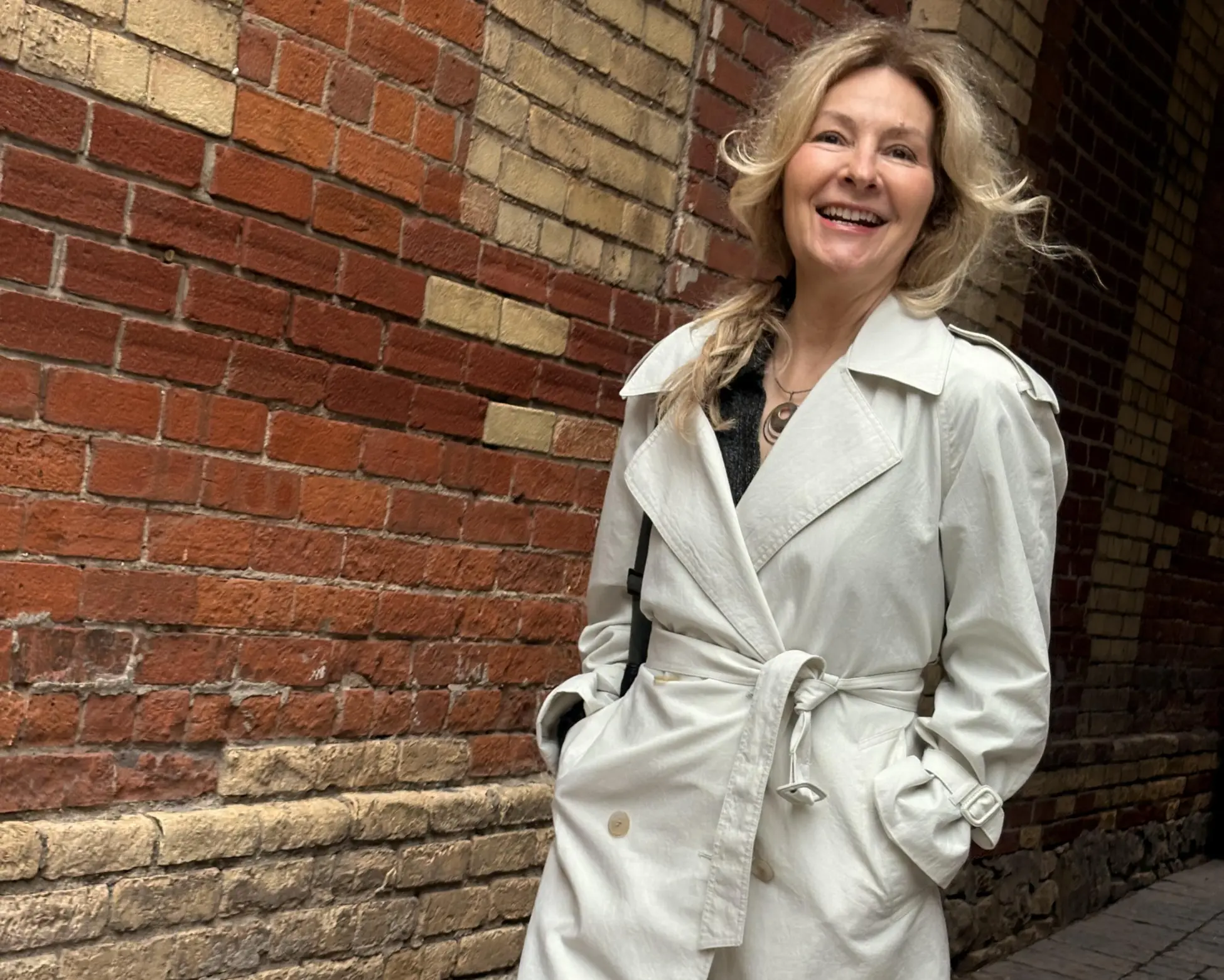
Style after 50 is not about rules. It’s about confidence, emotion, and embracing who you are right now.