

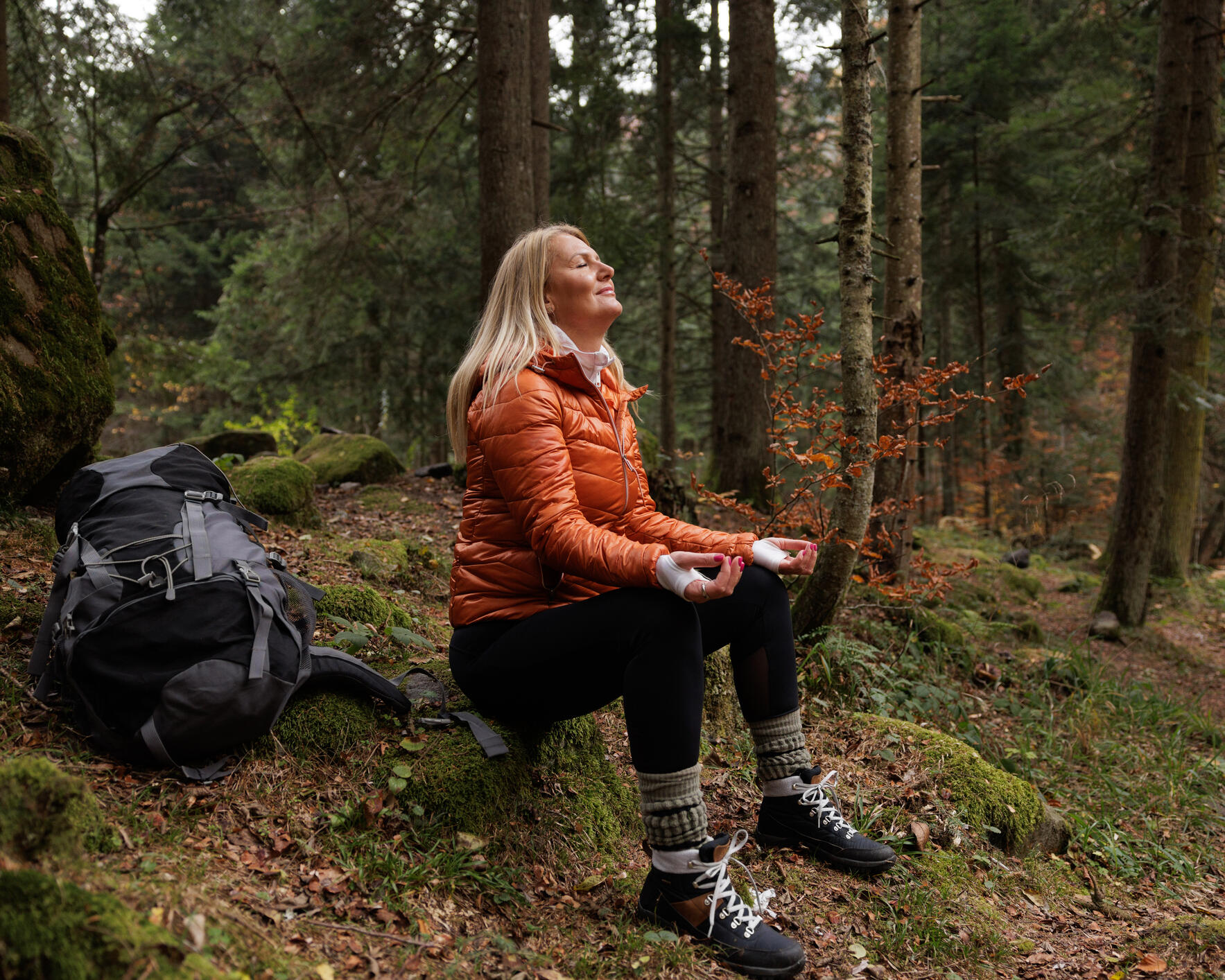
Finding your zen
A few years back, I went to a Choir, Choir, Choir show, not really knowing what it was all about. Turns out, it’s an interactive sing-along in which audience members are taught a choral arrangement to a classic song. It was too late; I was already sitting in the theatre. Overcome with panic, I desperately looked for a way to sneak out. But I realized that might draw even more attention.
I resigned myself to sticking it out — after all, it was a choir, so no one would notice if I wasn’t actually singing. But as the show progressed, I found myself belting out Journey’s “Don’t Stop Believin’” with a few hundred strangers. And I walked out of the theatre feeling surprisingly uplifted — even euphoric — by the whole experience. Which was even more surprising, since I had been completely out of my comfort zone. Turns out, there’s a reason for that.
Music engages our brain, including the hippocampus (responsible for memory) and the prefrontal cortex (which helps with focus). Studies have shown that music can even boost neuroplasticity, meaning it can reshape neural pathways and enhance cognitive function. One study found that regularly engaging with music, such as playing an instrument, was linked to better cognitive function and lower risk of dementia. It’s just one of the ways that researchers are finding a connection between creativity and longevity.
Exercise your brain
Just like diet and exercise, music, art and creativity can help us lead longer, better lives. Our brains are malleable; they adapt to new experiences. Creativity helps us ‘exercise’ the brain and use it in new ways. That, in turn, can improve memory and focus. And if we get outside our comfort zone (like, perhaps, singing in a choir)? That helps to create new neural connections that not only protect against age-related cognitive decline, but can also lead to a more interesting, fulfilling life. Indeed, creative pursuits have a similar effect on the brain as mindfulness and meditation. They require focus; they bring you into the present (you’ve experienced this if you’ve completely lost track of time while absorbed in a creative hobby).
Even if you don’t consider yourself particularly creative, you can still benefit from creativity; it doesn’t require any previous experience or any particular skillsets. It’s more about getting your brain off auto-pilot and using it in new ways. You don’t have to become the next Picasso or Mozart. Neuroplasticity aside, it’s a fun way to boost longevity. So, if you’ve always wanted to learn how to paint, why not sign up for a ‘paint and sip’ evening at a local studio where you can experiment with acrylics, sip a glass of wine and maybe even meet a few new people. You might be surprised at how uplifted you feel afterward — and you might just reshape some neural pathways while you’re at it.
DIY meditation
There’s plenty of research that links meditation to increased longevity. But how many times have you started a meditation practice that only lasted a few days or weeks before you fell off the mindfulness bandwagon? There are several apps on the market — like Calm, Balance, Headspace and Insight Timer — that can help you stay on track with your practice. They also offer guided meditations and other mindfulness resources. But you don’t have to sit in a rigid cross-legged position to clear your mind.
Finding your Zen can come in different, and sometimes surprising, forms. A few years ago I discovered birding — and the unexpected meditative benefits that come with it. When I’m hyper-focused on my surroundings, listening for sounds and watching for movement, life’s stresses just drop away into the background. I’ve experienced the same feeling while rock climbing — another activity that requires hyper-focus. For some people, a state of meditative calm might come from painting, or knitting, or dancing. Whatever works for you is whatever is going to stick beyond a few days or weeks.
Find yin amongst the yang
While all styles of yoga have physical and mental benefits — no matter your age — there’s one style in particular that can benefit aging bodies: yin yoga. By holding passive poses for longer periods of time (typically three to five minutes, but sometimes longer), you relax your muscles and instead target deep connective tissues. Yin yoga was once described to me by a yoga instructor as a way to lubricate your joints, helping to improve mobility and flexibility as you age. You gently lean into your ‘edge,’ letting gravity do the work, but not forcing anything — in other words, there shouldn’t be any pain.
Finding the right yoga instructor is key. I’ve had dozens of instructors over the years; there’s only one I’ve stuck with for 30 years. So it’s worth trying out a few different classes or instructors to find the right fit. An in-person class can be helpful in showing you how to find your edge without injuring yourself. Virtual classes are also an option, though you may want to invest in a yoga mat as well as props that can make poses more accessible, like blocks, bolsters and straps.
The Tools That Help Me Find My Calm
Finding calm does not always come easy, especially when life keeps throwing new challenges our way. But small rituals — a few minutes of quiet, a stretch before bed, a walk without your phone — can shift everything. Along the way, I have discovered a few simple tools that make those moments of balance a little easier to find.

In yin yoga, poses are held for longer periods of time (and much of that time is spent on the floor). While a thin mat is grippier for dynamic yoga flows, it doesn’t provide enough cushioning during a slower practice for those of us with sensitive knees and ankles. A thicker mat offers additional support for the joints during yin and restorative practices, especially on hard floors. The Manduka Pro (the 6mm version) is more expensive than most, but the PRO line — with high-density cushioning and a closed-cell surface that prevents moisture absorption — will last years. It even comes with a lifetime warranty.

Water bottles have been ‘trending’ for the past couple of years but ultimately I just want one that keeps my drink hot or cold and doesn’t absorb any flavors. Hydro Flask has long been popular with outdoor enthusiasts and for good reason: All models have double-wall vacuum insulation, keeping your drink hot for 12 hour or cold for 24 hours. And with pro-grade stainless steel, there’s no flavor transfer.
The Hydro Flask wide mouth comes in a variety of sizes, but the 40 oz keeps you hydrated with fewer refills (but get the travel version if you want it to fit in your car’s cup holder).
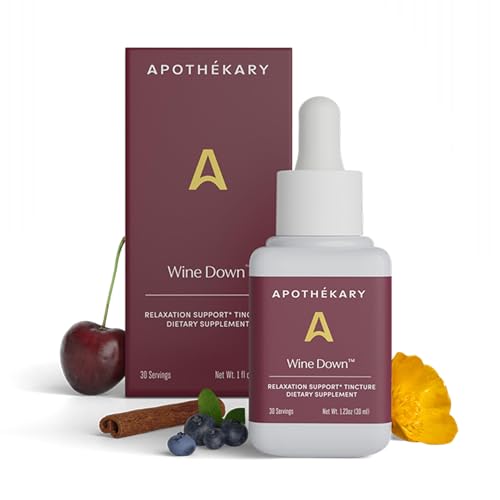
Maybe you’re cutting back on alcohol or maybe you’re cutting it out completely, but you still want something to take the edge off when you’re feeling stressed — and cranberry soda isn’t cutting it. Apothekary’s Wine Down is inspired by red wine, but instead of alcohol it contains L-theanine, California poppy, hawthorn berry, blue vervain and tart cherry, which can help to calm nerves and promote relaxation. While you can take it as a tincture, you can also use it to create mocktails — like a Wine Down spritz — so you get the benefits of relaxation without the hangover.
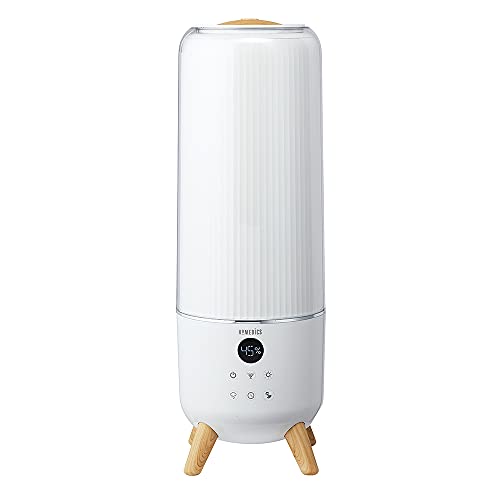
As the seasons change, the air in your home can become bone-dry, leading to dry, cracked skin or worsening respiratory conditions like asthma. It can even be bad for certain household items, like guitars (the wood can shrink, leading to structural problems). A humidifier can help, but many are clunky, hard to clean or just plain ugly.
The Decor Series Large Humidifier from Homedics is rather stylish (for a humidifier) with mid-century modern legs, so you don’t have to keep it out of view. It has enough capacity to handle large spaces, with up 70 hours of runtime, and a programmable digital humidistat to maintain desired humidity — good for you, good for your Gibson.
Bolsters can be used in yin and restorative yoga practices to support various poses, making them more accessible for longer holds. I became familiar with the b, halfmoon brand at a local yoga studio — they’re designed to withstand years of use in a studio environment. The covers are either 100% cotton or 100% linen (and washable), with a dense cotton-batting fill. There are several shapes and sizes to choose from, but the cylindrical option is the highest bolster in the lineup at 8 inches in diameter — perfect for reclining butterfly.
Finding Peace in the Practice
Calm is not a destination. It is something we build one small moment, one mindful breath, at a time.
Peace does not just arrive one day and stay. It takes practice, patience, and sometimes a few good reminders to slow down and breathe. I have learned that calm is not about escaping the noise but learning how to move through it with a little more grace each time.
Follow Part 3 my Vital Experiment series as I explore what it really takes to stay strong, curious, and well after 50. I would love for you to come along, try a few of these ideas with me, and see what actually helps us live better.
More Reviews about Wellness

A three-part guide for adults 50 to 65 redefining strength, balance, and vitality through smarter living.
Benefits of protein. How to ensure you get enough in your diet.
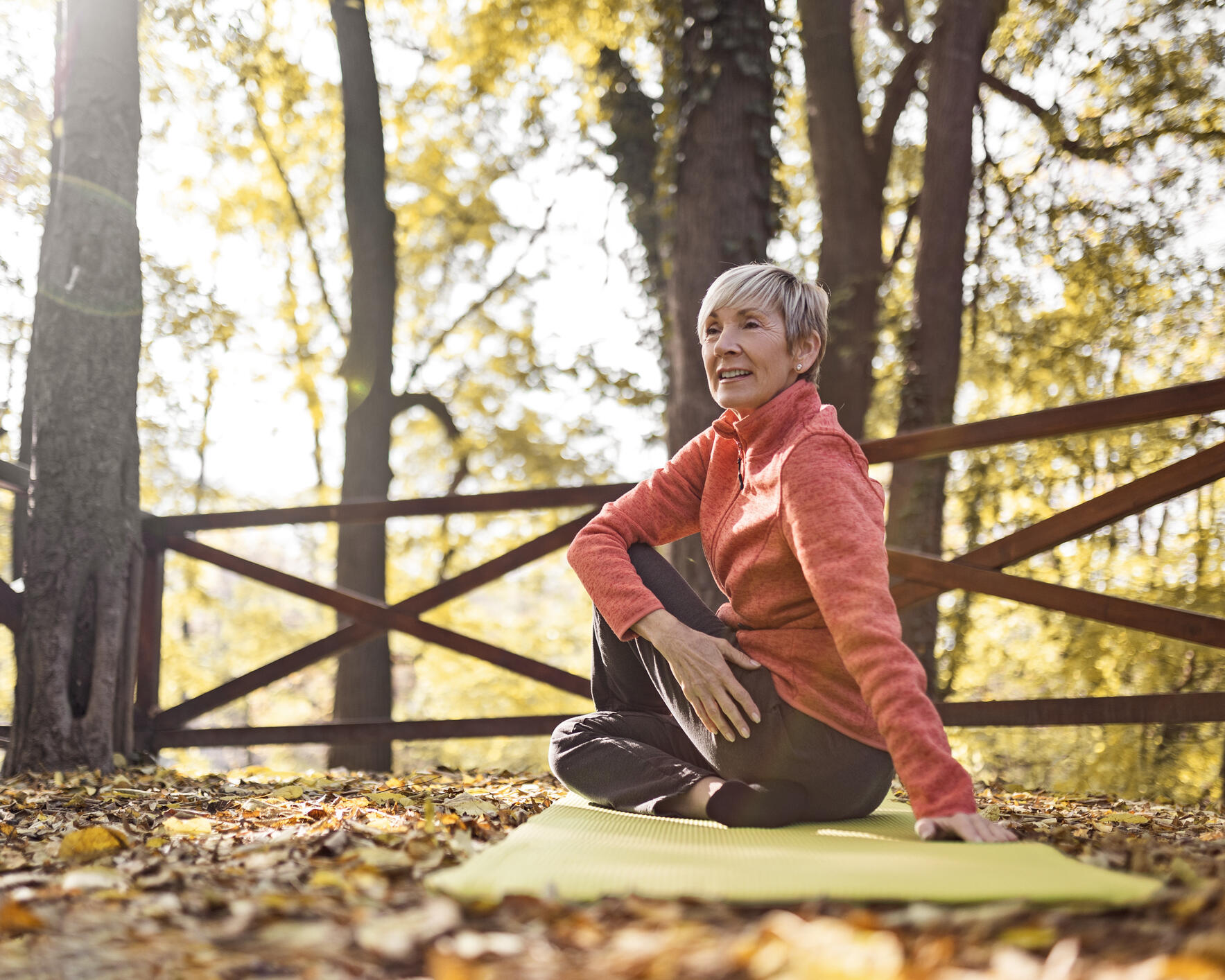
Discover how adults 50+ are redefining calm through creativity, mindfulness, and balance.
Discover how adults 50+ are using data, recovery, and rest to redefine wellness and longevity.