


Abstract: Researchers at the University of Michigan (U-M) and Singapore Management University (SMU) embarked on a study that put a cross-section of 5,000 adults in the U.S. and Japan in the mix to determine one theory: Is it better to remain single or get married. Results revealed that “single people in both countries had lower life satisfaction and health compared to married people. Married Americans reported the most family support, which helped their well-being.”
The Core Question: Single or Married?
Researchers at the University of Michigan (U-M) and Singapore Management University (SMU) recently embarked on a quest to answer a key question: When it comes to a person’s well-being, are they better off to remain single or be married.
The findings, which are based on a survey of an estimated 5,000 adults in the U.S. and Japan, indicate that “single people in both countries had lower life satisfaction and health compared to married people. Married Americans reported the most family support, which helped their well-being.”
Inside the Data
Statistically, a release from U-M states, “researchers combined data from two large-scale, nationally representative samples of mid- and later-life adults in the U.S. and Japan. The data includes assessments of psychological and social factors associated with health and well-being for nearly two decades.
The study, which included participants who were married or never married, had a sample of 3,505 married and 308 single Americans, and 710 married and 164 single Japanese adults, it added.
Isolation and Marital Pressure in the U.S.
A key finding in the U.S. at least, is that “single Americans often feel isolated and unsupported, particularly when it comes to emotional guidance The greater marital pressure faced by single Americans may continue to strain family relationships, leading to more hostile interactions and increased tension.”
Conducted by Dr. Robin Edelstein, a professor of psychology at U-M and Lester Sim, assistant professor of psychology at SMU, they conclude in the study which appeared recently in the scholarly publication Personal Relationships, that “single adults in both cultures, according to the findings, reported worse physical health and lower life satisfaction than their married counterparts.”
What About Gen X?
Asked what percentage of respondents were GenXers, Sim told RestlessUrban in an email response that the mean age is reported in the paper, and as a result, “we did not split our analyses dependent on age groups.
“I did run some quick analyses in response to your query. When we looked specifically at participants from Gen X (approximately one-fifth of our sample), we didn’t find significant effects. That’s not too surprising, because the data were collected in 2004 (U.S.) and 2008 (Japan), when Gen X participants were mostly in their 30s and early 40s.
At those ages, said Sim,” many of the social and health challenges linked to singlehood likely haven’t yet emerged. In fact, in our additional analyses, we found that the effects of singlehood on well-being were stronger among older participants, which fits with existing evidence that the disadvantages of singlehood tend to accumulate later in life as social networks narrow and caregiving or financial pressures increase.”
Where Does Cohabitation Fit?
The study did not include data about cohabitation; however, Edelstein said her sense is that “partnered but not married people would fall somewhere in between. They get the benefits of partnership, in terms of social capital, support and companionship, but they might still not get the benefit of the social status that comes with marriage. This difference might be particularly important in Asian cultures, where cohabitation is becoming more common but is still perceived more negatively than in the U.S.”
More Research
New research shows it is essential for fostering healthy aging and supporting longevity.

Active commuting lowers the risk of long sickness absence from work.

Why do midsections widen for those 50 and up? It’s all due to the arrival of a new type of adult stem cell.
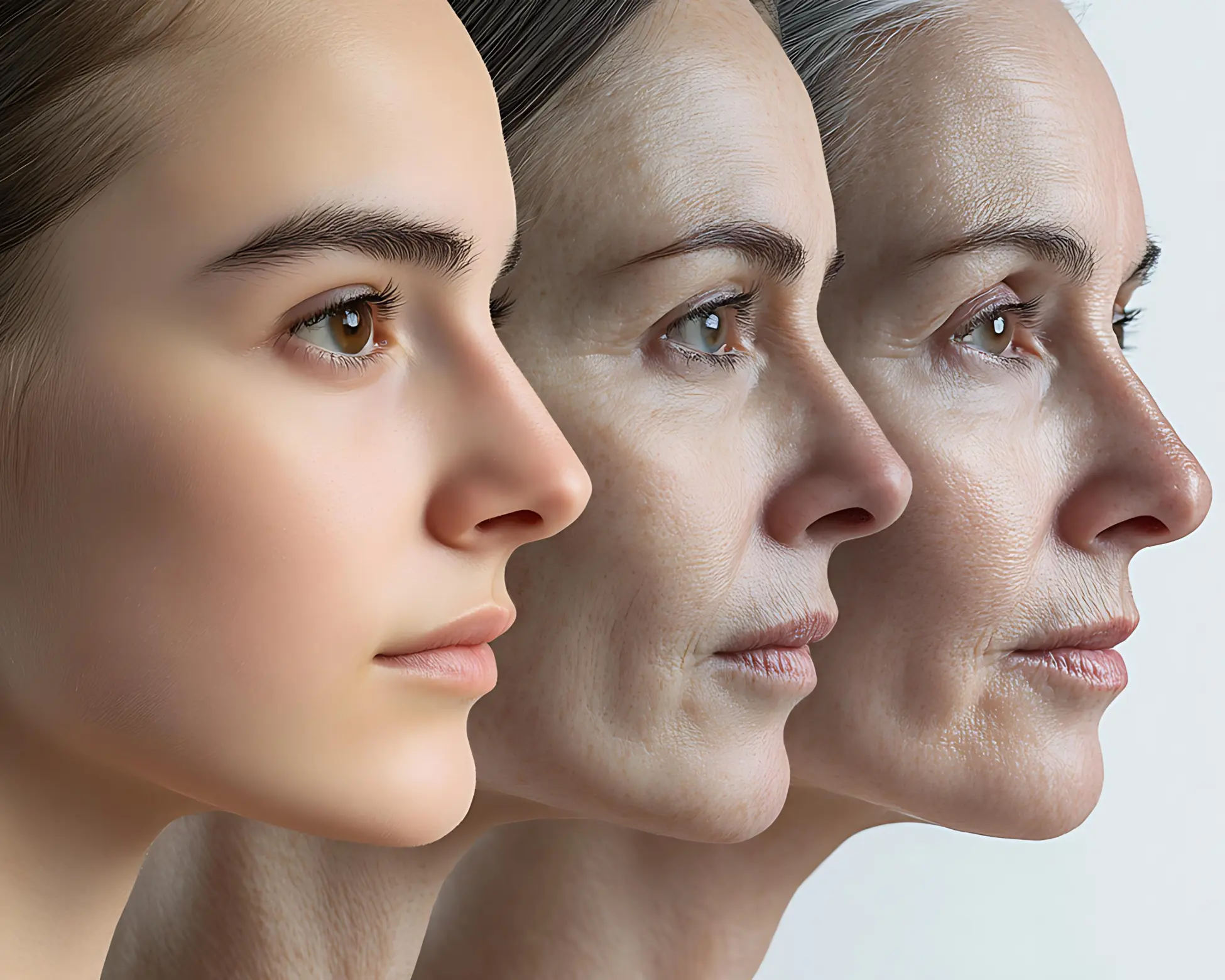
With the use of a mere five drops of blood, now possible for a person’s true biological age to be determined.

Since 1938, it has tracked 724 families to uncover what it really takes to live a truly happy life.
A 20-year research project is collecting data to better understand the lives and health of older Americans.

Australian researchers say cold showers, ice baths, and plunges offer real health benefits.
The goal? Determine how technology can play a whole new role in people’s lives.